



The village was ablaze in the dead of night. The sky was red, the ground covered in a black blanket; everything was swallowing life and death at the same time. Smoke seeped not from chimneys but from between the walls, crackling from the roofs of houses mingled with the snow, creating a symphony of death along with the flames fluttering toward the sky.
The woman, fleeing the fire, had been dragged from the door of the house and fallen onto the cold, wet ground of the snow. She writhed in pain with the child in her womb, the icy cold of the ground taking her breath away with every step, making the pain unbearable. The house was burning, the soldiers' shouts and the sound of their boots piercing the night.
Outside, on the snow, the mother's hands were covered in snow, her body frozen; the house was gone, the doors broken, the fire had consumed everything. The woman tried to gather all her strength to survive and give birth; but the harshness of the snow and the suffocating smoke turned the pain into the most intense agony. She screamed, and that scream mingled with both the birth and the village's final cry.
The baby greeted life with its first breath falling on the snow. Its first cry merged with the village's final cry; on one side, life; on the other, death... Her mother, unable to endure the combination of the cold and the smoke, lost her life to the pain and the chill.
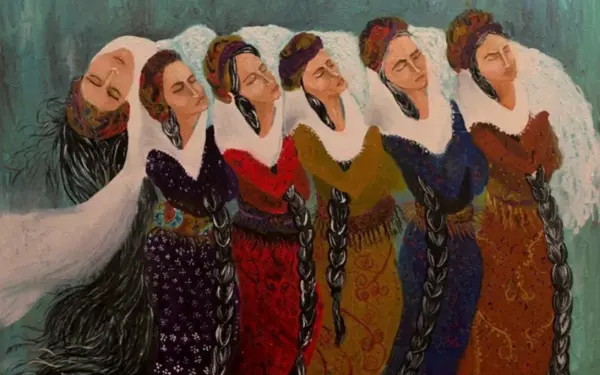
That night, the village burned, mothers died, and children were left orphaned. But Leyla Rona was born as a symbol of both tragedy and resilience. Amidst the snow and fire, ashes and life intertwined; Leyla's first cry rose to the sky along with the village's final scream.
Diyarbakır, Suriçi
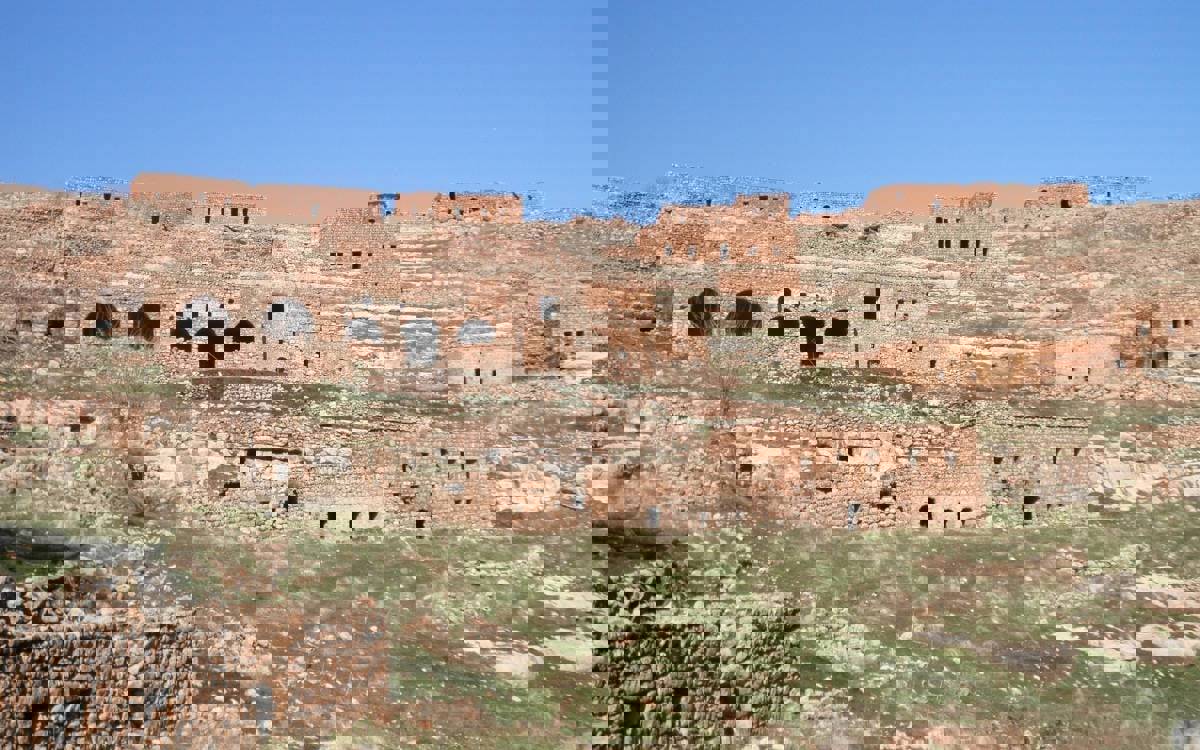
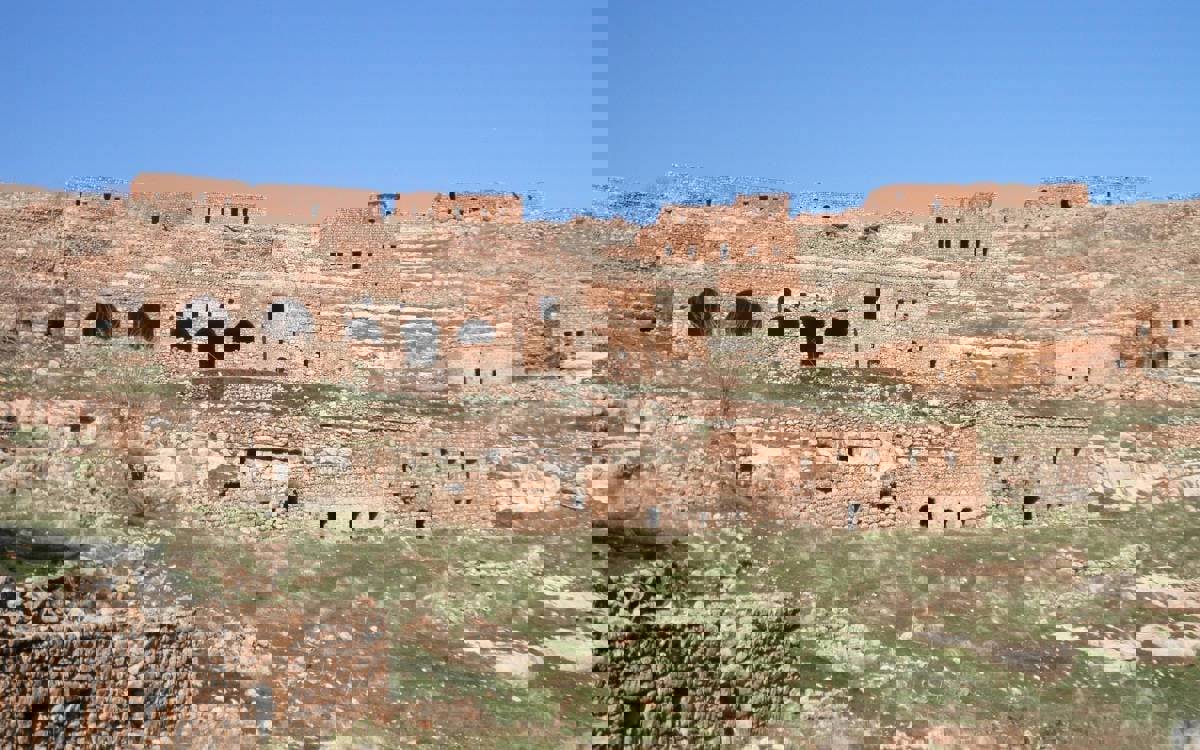
Years passed. All that remained of the village were stones, stones stained with smoke, and a rusty bullet casing on a stone. The family was driven to Diyarbakır. Leyla grew up in the narrow streets of Suriçi, in the shadow of old stone houses. They found shelter with the help of relatives; they were shaped by hunger, poverty, and contempt. Her father remarried after losing his wife in the village. A new woman, a new order in the house; but an old grief in their hearts.
Leyla's childhood was spent not with the sound of marbles on the stones of Suriçi, but with the sound of exploding bombs. In 2015, when hopes for peace were shattered, conflict entered their lives once again. And this time, it took Leyla's brother. His body fell to the ground in the stone streets of Sur, and with his blood, peace dried up right there.
Tarlabaşı, İstanbul...
Once again, they migrated. This time to İstanbul. They took refuge in the rusty balconies and damp rooms of Tarlabaşı. The city was big but heartless; noisy but deaf. Leyla rose from that silence, that poverty, those ashes of grief. She studied, she resisted, she won. She graduated from İstanbul University's Faculty of Law. She became a lawyer.
But not a lawyer who sat at a desk drafting contracts. She became the lawyer for the unknown perpetrators, the village evacuations, the missing persons. She spoke in courtrooms, she dealt with files. And in every petition, she actually wrote about her mother, her brother, her village.
Then one day, a voice from the screen struck her. A solemn voice, representing the ancient wisdom of the state: İlber Ortaylı. He was talking about settling Turks from the Uyghur region in the empty villages between the Tigris and Euphrates. Cold, technical, as if talking about laying bricks.
Leyla couldn't move from her seat. She felt as if she were nailed to the spot. A rapid film reel played in her mind: her mother's labor pains, the burning of the village, her brother's death, the destruction of Sur, the cramped rooms of Tarlabaşı, the cold walls of the courthouse corridors. And now, a professor was erasing all that life, all those deaths, all those migrations with a stroke of his pen, replacing them with a new people.
Confrontation
A person's life, a people's mourning, a child's first cry... All of it was now referred to as “empty villages.”
Leyla understood at that moment: Fire does not only come from soldiers' guns; sometimes it pours from the mouths of intellectuals.
Today... There is talk of a new resolution process. Peace? Perhaps. But Leyla knows: If the fires of the past are not confronted, this peace too could be reduced to ashes by a new spark.
Villages were burned, cities were razed to the ground, thousands of people were left without graves. And now the same mentality, wearing different masks, pretends to sit at the peace table. Leyla sits among her files and thinks:
"If there really is to be peace on this land, we must first name the fires. Otherwise, some will set the villages on fire, and others will fan that fire with their words. And all we'll have left is ashes."
And in that moment, the cry of the child her mother gave birth to in the snow echoes inside Leyla once more. This time, it's not a cry, but a call: There can be no peace without confrontation. (CE/TY)