










Recognizing the right of those left behind to mourn after a person’s death does not mean endorsing one side of the conflict. Today is September 1st, or World Peace Day — and I think we are experiencing perhaps one of Turkey’s foggiest, haziest September 1st’s.
This is because in this country, there are families who have been waiting for news from their children for years. Mothers, fathers, siblings waiting without any knowledge of whether their children are alive or dead, or whether they will ever return — PKK families.
At a time when there is frequent debate over whether Turkey will now enter a new period of peace and whether armed forces will return to the country or not — the question of “will guerrillas come to Turkey?” may be a purely political debate, while for others it may be a debate about “terrorists coming.”
However, for another segment of society the question is simpler, and far heavier:
“Will our children return to their homeland? Will they come home?”
Some did, indeed, did come home — inside of caskets.
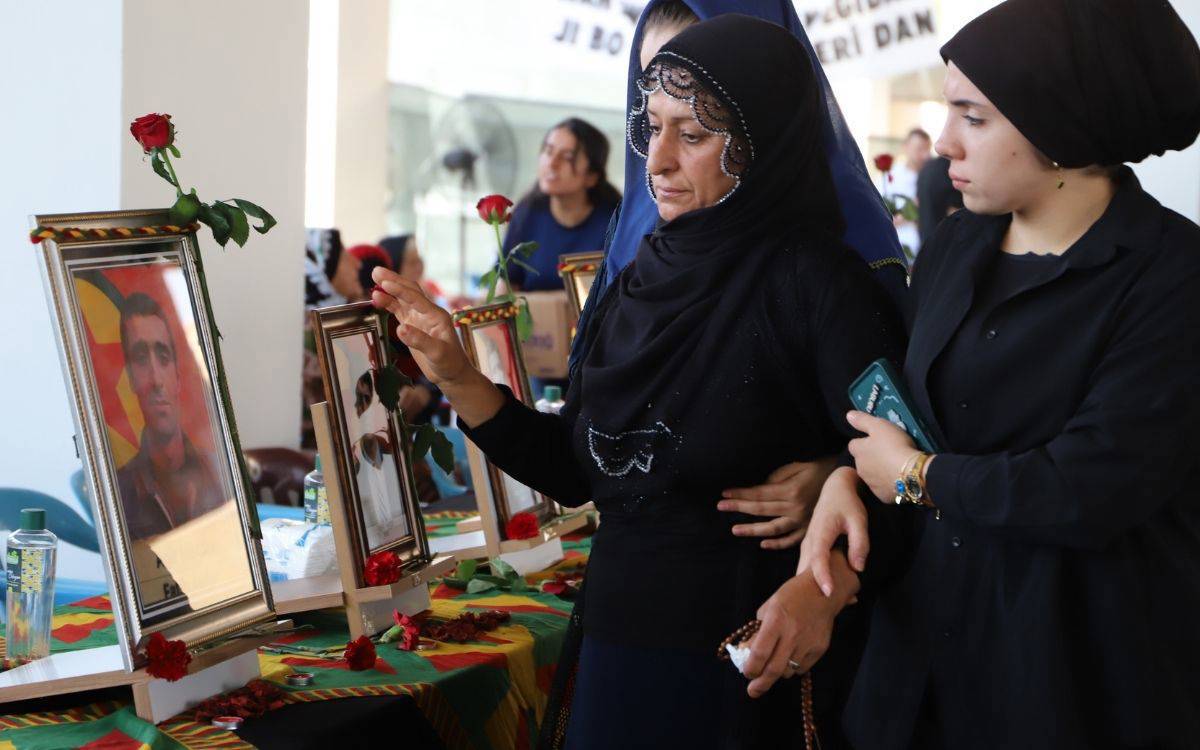
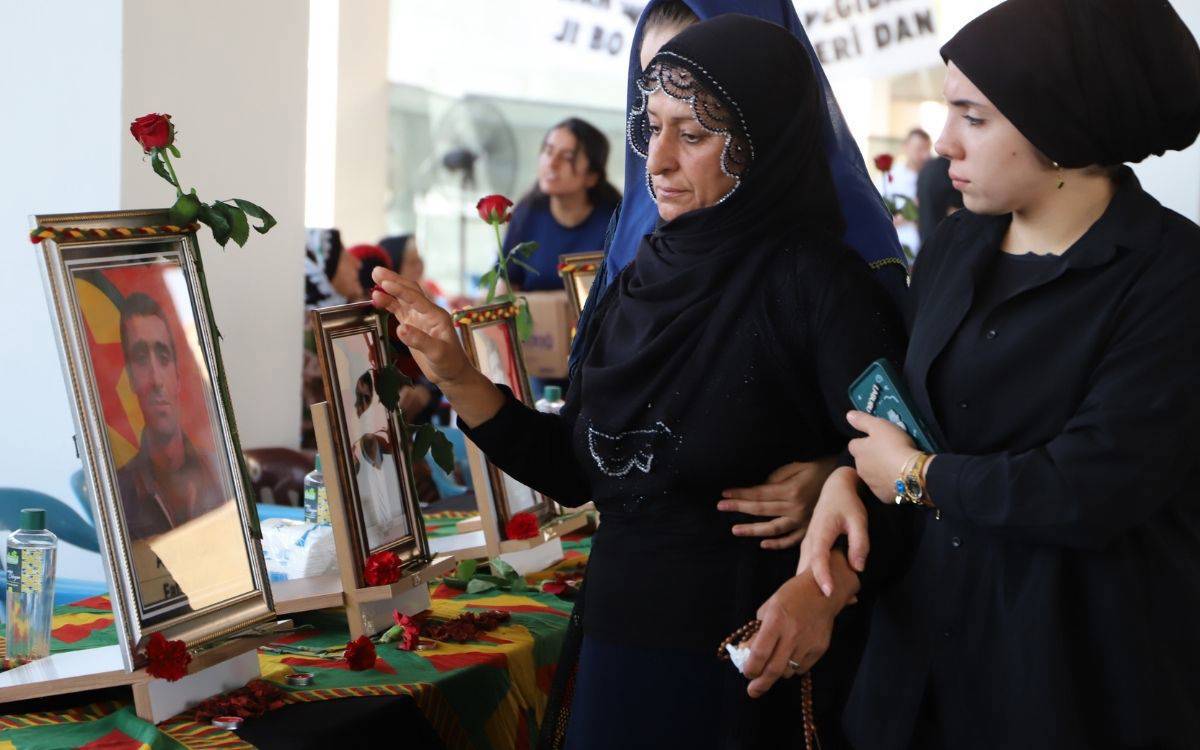
In recent weeks, the remains of some guerrillas who had been missing for years were returned to their families.Condolence gatherings were held in İstanbul, Batman, Şırnak and Diyarbakır. Families received the remains of their children, with only whose photographs they had lived with for years. Out of the pain, a call for peace rose once again.
While mourning their own children, families speaking to the Mesopotamia Agency (MA) said that other families should not have to experience the same pain. The emphasis on peace was always present.
Is peace simply the absence of death? No.
Peace also means upholding the dignity of the dead, allowing families to mourn, and ensuring that the deceased are laid to rest in a manner befitting human dignity.
Mourning is everyone’s right
From a human rights perspective, the right to mourn is not the exclusive right of a particular group or for those of a specific political viewpoint. It is part of the rights inherent to being human. Respect for the deceased and the right to a proper burial are also directly linked to human dignity.
Human Rights Association (İHD) executive and human rights defender Osman İşçi draws attention to precisely this point.
İşçi said that, following the release of information about PKK members who lost their lives in conflicts over the years and the families’ observance of mourning rituals, the concept of “human dignity” was the first thing that came to mind.
Describing human dignity as a “lighthouse” from the perspective of human rights advocates, İşçi highlights why this concept is important as mothers, fathers, families, and friends make their way to the condolence gatherings.
He said it’s because human dignity is not a value we possess only while living. It also encompasses the right to mourn and the right to burial.
According to İşçi, some of the criticisms leveled at the mourning period observed following the deaths of these individuals are also subjective from this perspective. In his view, these criticisms are also an indication of the damage inflicted on social peace by years of armed conflict and an environment of violence.
They were not equal while living, nor were they equal when they died
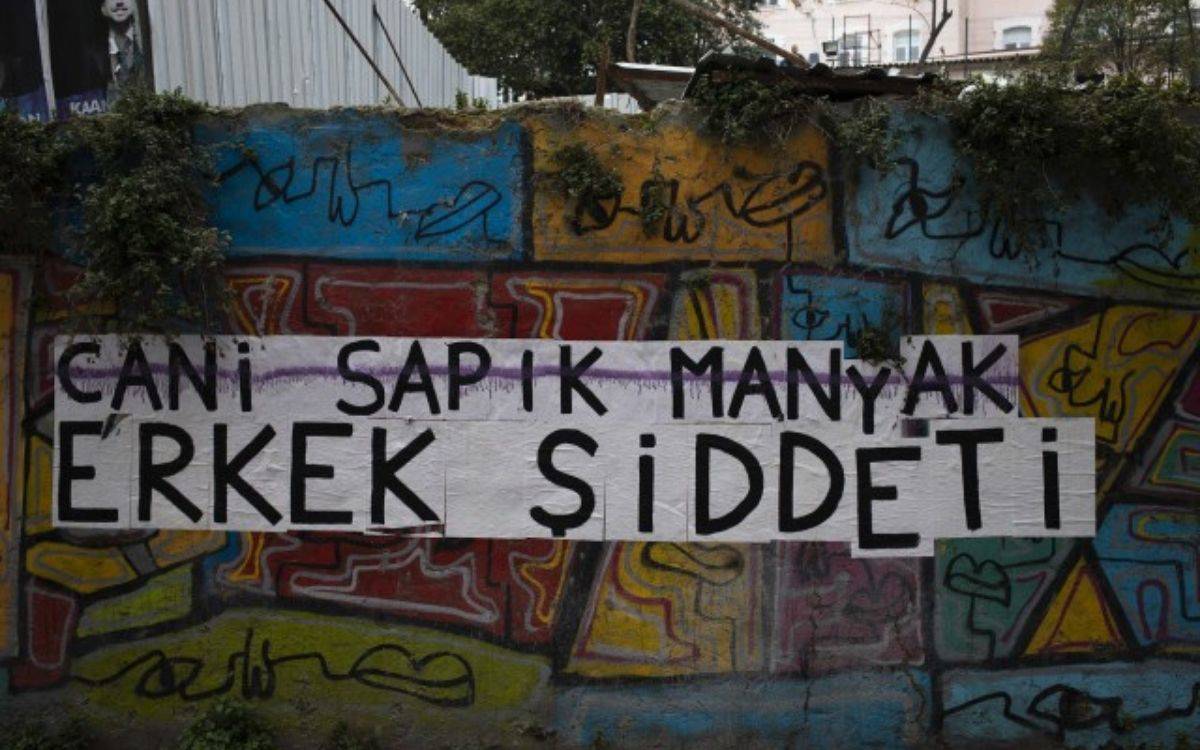
This is one of the heaviest consequences of Turkey's conflict-ridden history. Some people were not viewed as equal citizens while living, nor did they receive equal treatment after death.
However, no matter the debates regarding how a person lived, which political identity they carried, or which side they were on — death does not negate the right of those left behind to mourn.
A funeral body being laid to rest, a mother wailing after her child, a father standing at the head of his child's grave is not a political privilege. It is a right stemming from simply being human.
The fact that some feel discomfort over the condolence gatherings set up for the deceased shows us how deep the wounds of war have actually opened not just in bodies, but also in the memory and conscience of society.
The politics of death
The concept of necro-politics gains importance here.
The concept of necro-politics developed by Cameroonian thinker Achille Mbembe deals not only with how power regulates people’s lives, but also in how it determines the conditions of death, and subjects certain people’s lives to the threat of death.
From this perspective, wars, conflicts, occupations, border policies and state violence can be understood not only as events causing people’s deaths, but also as political processes leading to certain lives being considered less valuable and certain deaths more invisible.
However, perhaps one of the heaviest consequences of necro-politics emerges after death itself: Whose mourning gets to be held, whose deceased gets to be visible, at whose grave can people gather, and which deaths will society remember also becomes a political issue.
Yet peace precisely means being able to break this cycle.
Recognizing the right to "mourn" for those left behind after a person's death does not mean approving of one of the parties in the war.
Nor does showing respect to a deceased person eliminate all political debates in that person's life. However, it recalls one of the fundamental principles of human rights: Human dignity does not disappear when a person's life comes to an end, either.
Without peace, mourning cannot be completed either
Osman İşçi’s words gain importance here yet again:
“When viewed in the context of the right to mourn, it is necessary to state that certain criticisms reflected in the press are subjective. In essence, these criticisms are an indicator and a result of the destruction created in terms of social peace by the environment of violence and armed conflicts spanning many years.”
This is why Sept. 1 is not merely a day to say “let there be no war.” It’s also a day to voice the demand for a country where our dead can also be sent off in a manner worthy of human dignity, where families can mourn for their children, where bodies are not kept waiting for years and where the fate of the missing is known. Because peace concerns not only the future of those who survive, but also the dignity of those left behind.
In the words of human rights defender İşçi:
“For precisely this reason, on September 1 Peace Day, it is necessary to underline that we need a resolution in the Kurdish Issue. Let us establish peace so that the right to mourn and burial can also be fulfilled in a manner worthy of human dignity.”
(EMK/İK)