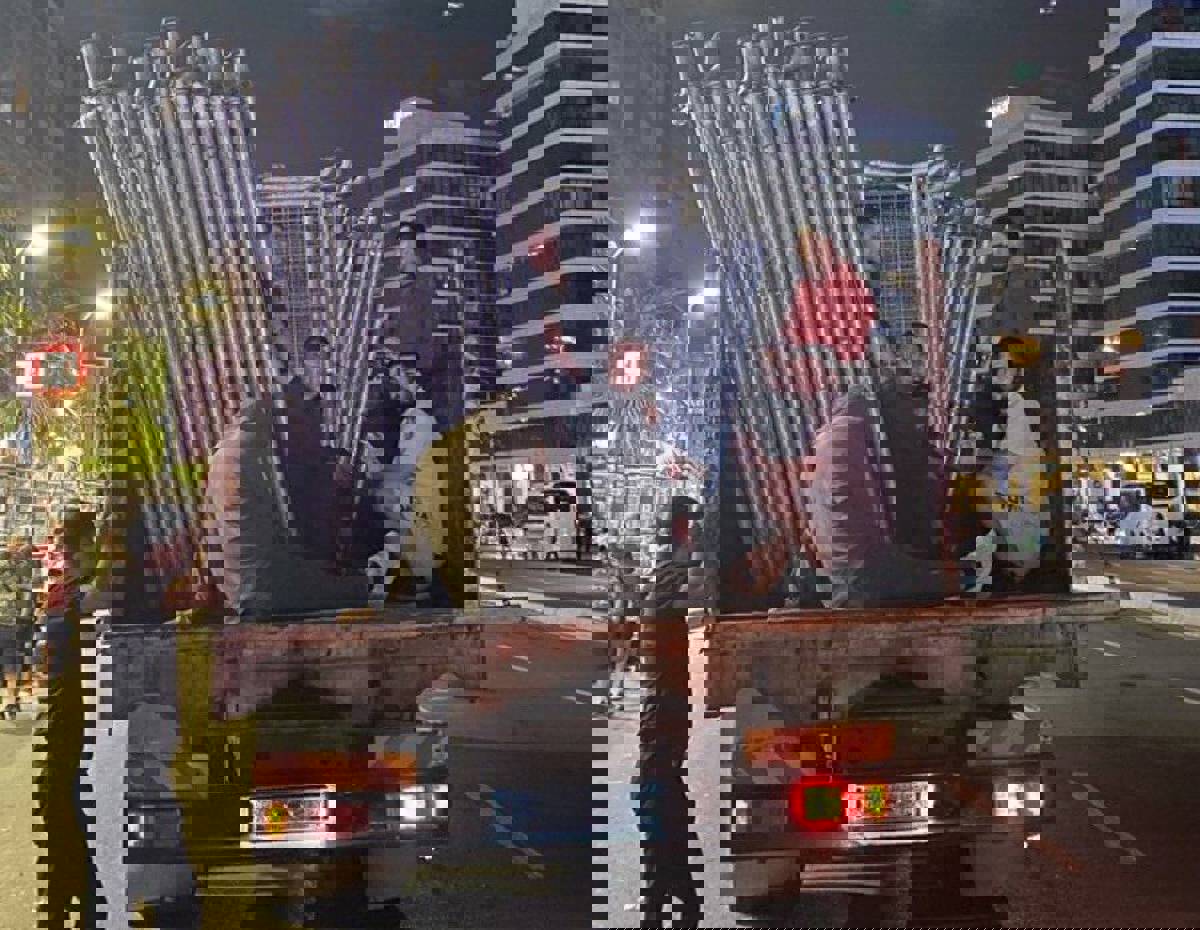

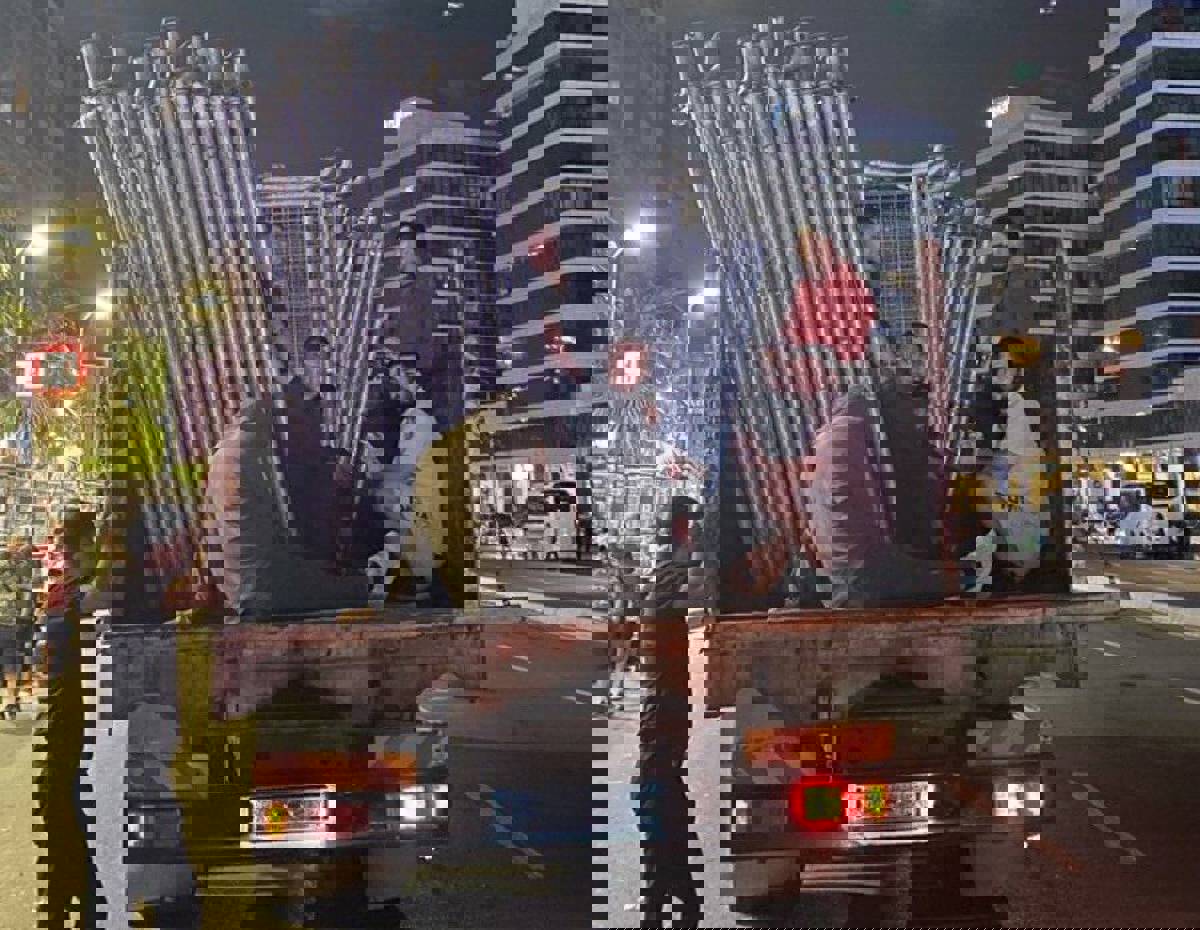



On May Day, Women's Day and many other occasions, parts of İstanbul are sealed off with metal police barricades before the day even begins. These barriers have become such a regular sight that they’re no longer met with surprise. In fact, they’re sometimes left in place long after the event has passed, possibly because officials figure, “We’ll have to put them back up soon anyway.”
When the municipality was under the control of the ruling Justice and Development Party (AKP), municipal workers would bring in the barricades by truck, unload, set them up, and then collect them afterward. Recently, though, it seems the job has been outsourced to a private company through a public tender.
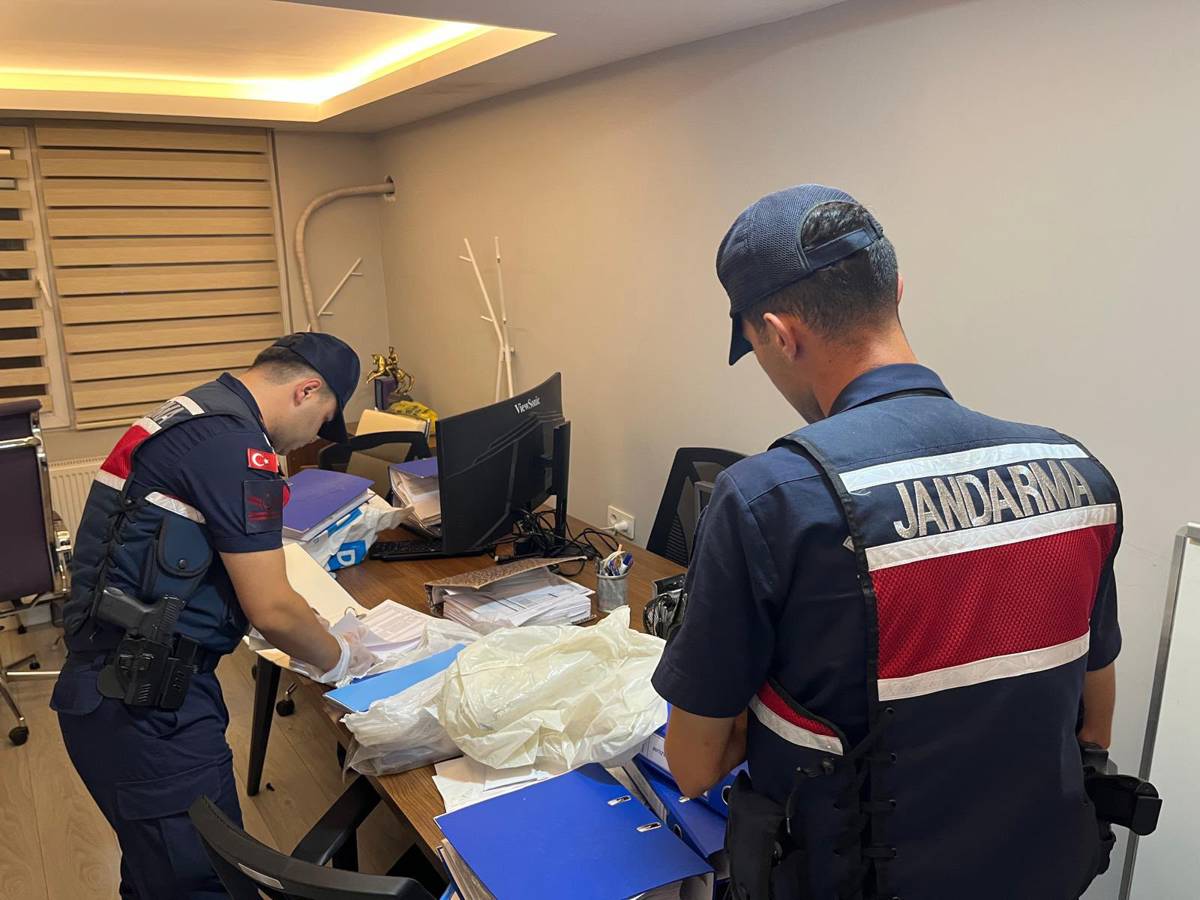
On several occasions, I saw a group of foreign workers unloading the barricades from a truck in perfect coordination, while a police officer pointed out where to place them. They’ve become so skilled at the task that they can turn the city into an “open-air prison” in no time.
Refugees are the most exploited group of workers in Turkey, with almost all of them working without insurance and for very low wages. Apparently, tasks that should be carried out by public authorities have also become part of this exploitation.
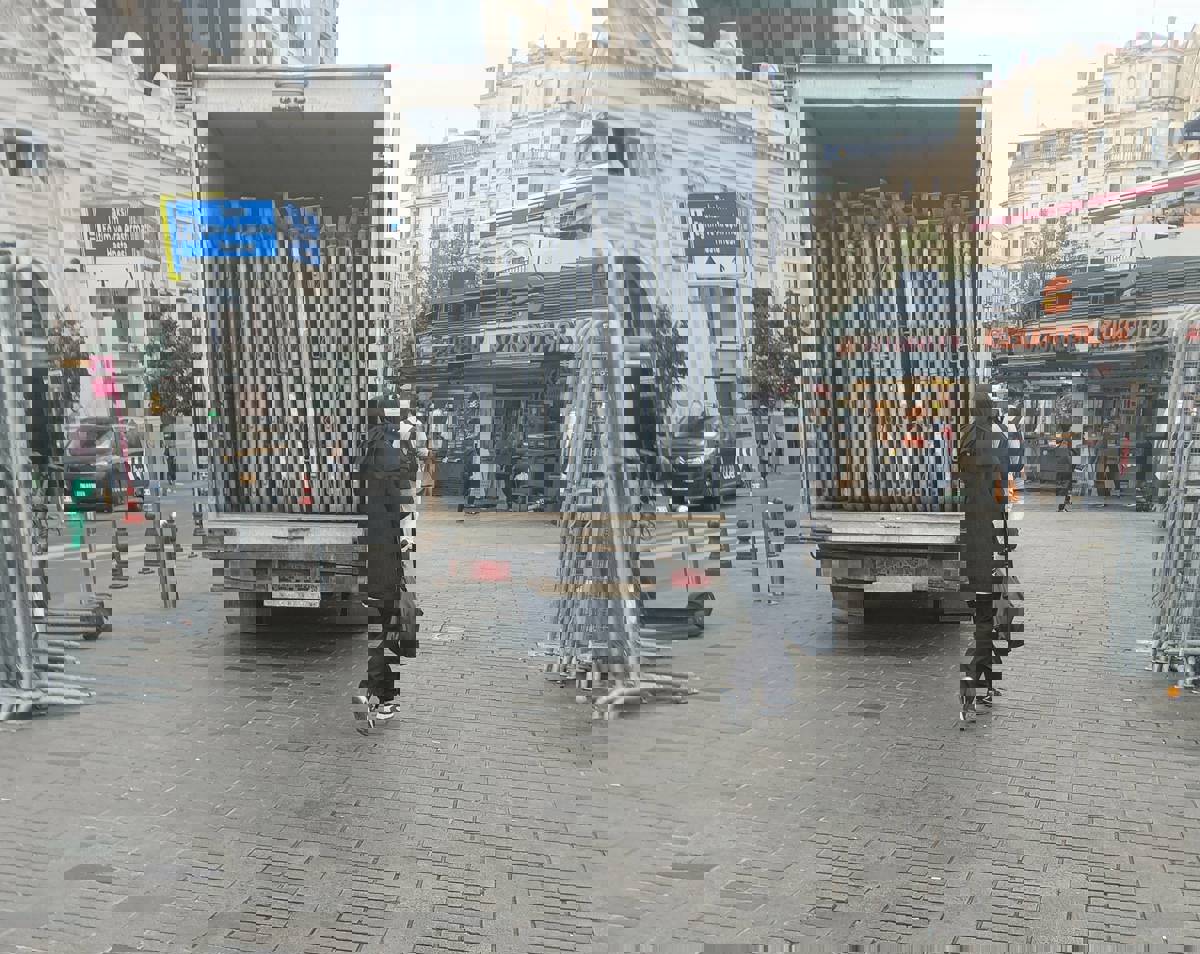
I became curious about who these workers are, which company they work for, and whether they are officially employed or working off the books. I tried to talk to them several times, but either they didn’t speak Turkish or were hesitant to respond, so I couldn’t get any answers.
The same people, the same trucks, were recently spotted outside the İstanbul provincial headquarters of the Republican People’s Party (CHP), where a court-appointed interim provincial head entered the building with police escort on Sep 8. I spoke with our reporter Gülseven Özkan, who investigated the matter. She asked the police and spoke with CHP officials, but no one had any information. Interestingly, even the police didn’t know who the workers handling the barricades were.
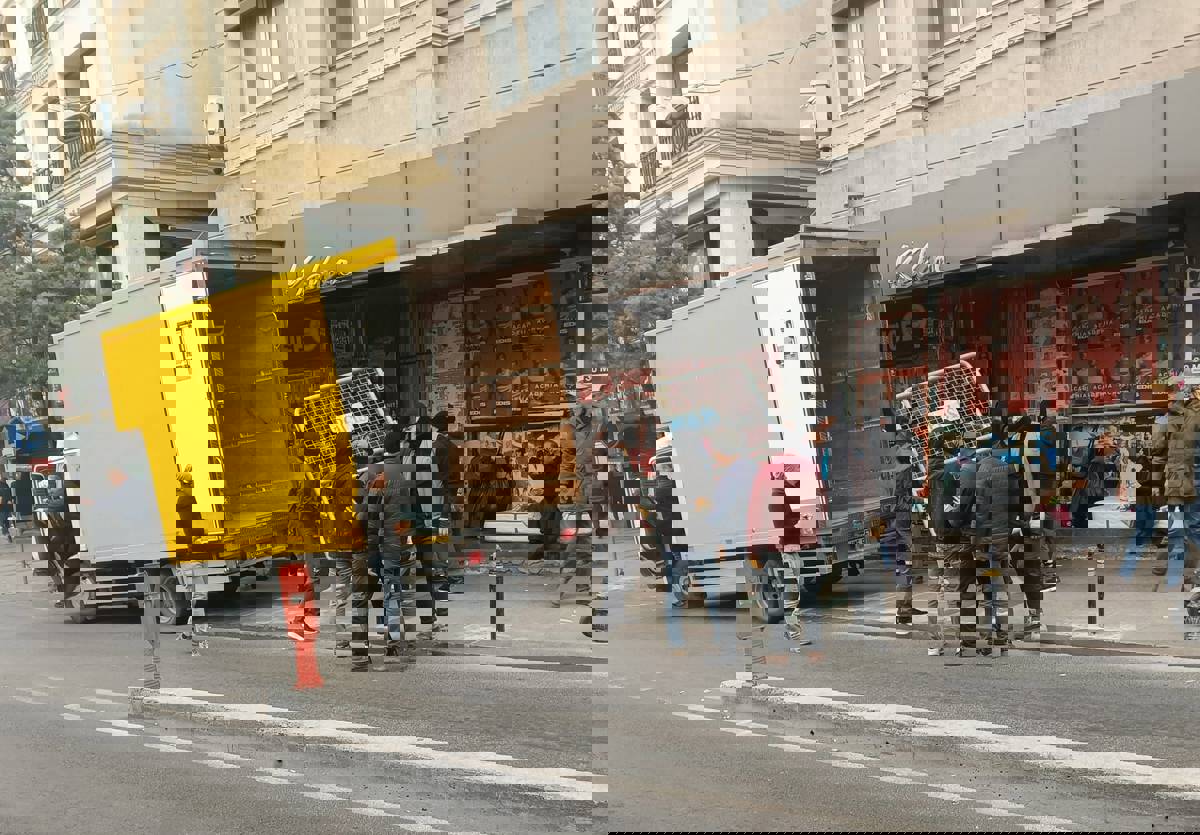
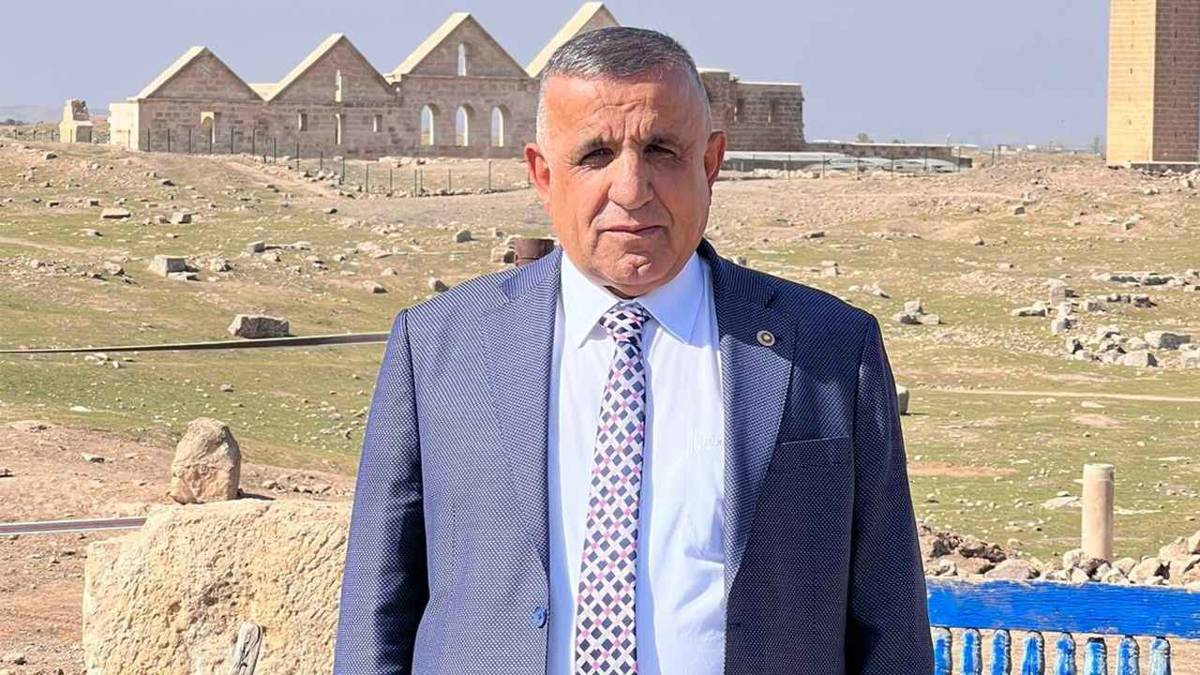
CHP’s deputy chair responsible for internal affairs submitted a parliamentary question about the issue. The inquiry, directed to Interior Minister Ali Yerlikaya, stated:
“Footage shared in the media and on public platforms shows police barricades being brought to the CHP İstanbul Provincial Office on Monday, Sep 8, 2025, using unmarked vehicles. These vehicles also appeared to carry numerous foreign nationals who were seen working in coordination with police officers.”
The following questions were listed in the motion:
Who owns the unmarked vehicles that transported police barricades to the CHP İstanbul Provincial Office?
What is the reason for these vehicles being unmarked?
Which individual or institution authorized the use of these unmarked vehicles?
Who are the dozens of foreign nationals seen in these vehicles?
What is their legal status in Turkey?
Are they refugees or undocumented migrants?
Are they international students?
Are they foreigners residing in Turkey with residence and/or work permits?
Are any of them under temporary protection?
Have they been officially assigned by the General Directorate of Security?
If these individuals are subcontracted workers, have they undergone security checks? Under what employment status are they working? If they are company employees, why are they operating under police supervision?
Has your ministry launched any investigation or review regarding the public safety risks posed by the use of unmarked vehicles?
It’s currently not possible to determine through the Public Procurement Authority’s database (EKAP) which company was awarded the tender.
If Yerlikaya responds, perhaps we’ll have some answers. (Mİ/VK)