







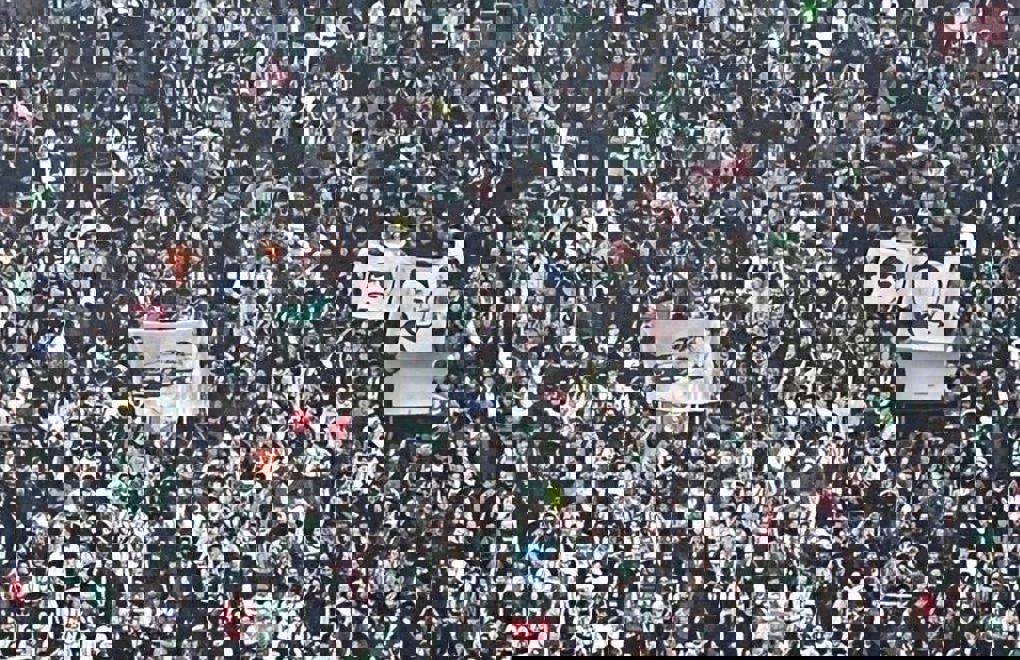


In recent days, groups opposing the peace process have carried their campaigns to football fields, posing a serious threat to social peace and the success of the process. Due to the sensitivity of the process and the peaceful discourse expected from all segments of society, effective measures need to be taken against these racist campaigns targeting Kurds before it is too late.
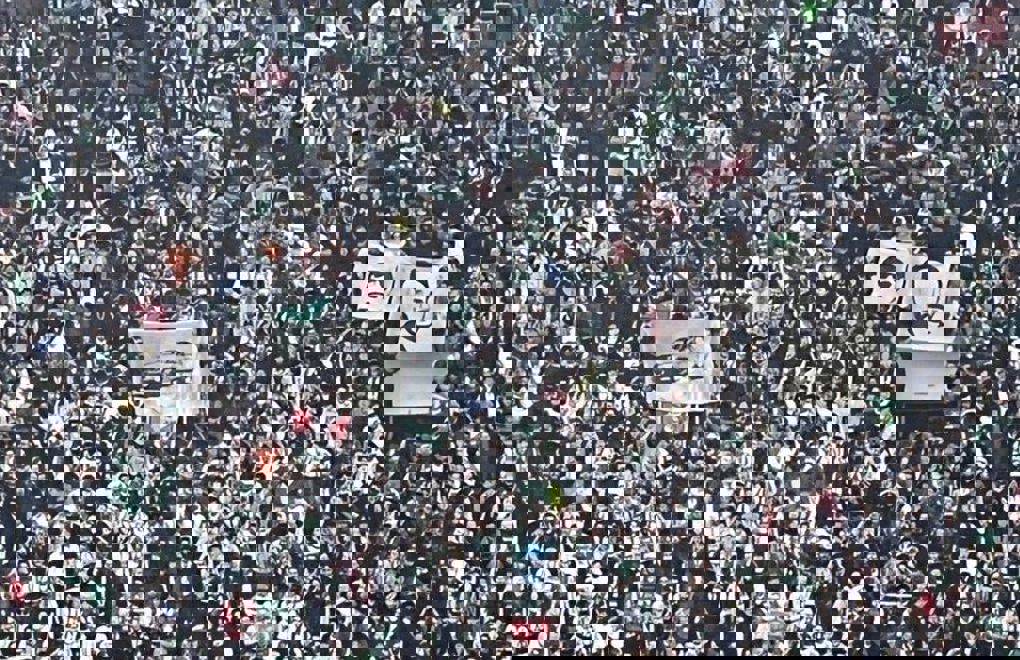
The anti-Kurdish, racist slogans chanted in the stands, which appear to be organized, clearly demonstrate the nationalist stance to block peace efforts. The sexist, abusive, and racist chants targeting Leyla Zana, a prominent Kurdish politician, by Bursaspor fans during the Somaspor-Bursaspor match on Dec 16, 2025, and the subsequent continuation of these attacks by fans of teams like Ankaragücü and Rizespor, show that these racist attacks are part of an organized campaign.
As a country aiming to build peace and democracy, the language used toward "others" has a special importance, and the current period requires a critical examination of daily language. Everyone needs to be aware that consciously or unconsciously used offensive words against minorities undermine the peace process. Therefore, maintaining a peaceful discourse across society will help avoid hateful words of racist origin that insult others.
Furthermore, considering the discrimination against Amedspor in recent years, the occasional racist attacks against players and fans call for acknowledging that these developments constitute a serious threat to social peace. Following the racist attacks and police intervention against Amedspor and its fans during the Başakşehir match in İstanbul on Jan 28, 2016, Amedspor was fined, banned from playing matches with fans, and subjected to discrimination with compulsory away games.
The tendency of politicians and football figures to ignore the seriousness of these racist campaigns serves those who want to provoke and hinder the peace process. As the peace process is on the country’s agenda, evaluating and discussing measures against rising racism in the stands appears to be a primary mission for NGOs and rights organizations.
In a country where racism has developed alongside a nationalist culture over the years, hate speech is often accepted as the normal discourse of daily life. Politics is built on conflict, and "others" are frequently addressed with insults. Therefore, the rise of racist chants in the stands should not be surprising. In a society where racist rhetoric is used by a wide segment of people and reflected in the public sphere, it is expected that the average football fan's mentality readily embraces such language.
While football is seen as the easiest arena for expressing racist slogans and hate speech, its effects on young fans also show it can significantly impact the militancy of young fanatics. Additionally, racism renews itself through the daily repetition of hate speech in certain visual and social media outlets.
Since our country has experienced various racist-rooted tragedies in the past, designing and implementing long-term projects to fight racism in football fields deserves special attention during ongoing efforts to resolve the Kurdish issue.
Since crowds in football stadiums reflect the attitudes of an average segment of the country, football constitutes a suitable arena for initiating a fight against racism. While stadiums are spaces where racist and hateful rhetoric is expressed, they also serve as platforms that can reach millions of people through modern communication technology.
It needs to be acknowledged that long-term campaigns aimed at preventing racism in football are expected to make a significant contribution to developing a peace discourse against widespread xenophobia and hate speech. It is also hoped that those who define themselves as nationalists, yet deny being racist, may begin to question their own positions.
Therefore, the historical background and recent developments observed in the country call for the necessity of drafting a long-term strategy and a short-term action plan to fight against rising racism. Within this approach, projected works and activities are expected to include various public information campaigns introducing the nature and values of multicultural democratic societies and respect for "other" identities.
On the other hand, the drafting of specially designed projects to fight against racism in football fields needs to be developed in line with UEFA and FIFA programs and recommendations.
International dimensions
In the fight against racism in football, when we look at the work done in recent years by European and international football organizations of which Turkey is a member, such as UEFA and FIFA, it is clear that they have intensified their efforts through more determined sanctions. Turkey can join these organizations’ programs and act through various campaigns aimed at raising awareness among the public, football clubs, and players regarding the sanctions applied.
FIFA's commitment to using football’s power to create a positive social impact is evident in its partnerships with UN human rights organizations to spread the message "No to Discrimination."2 FIFA and UEFA address this issue within the scope of their social responsibility activities through special units and working groups.
The comprehensive projects that Turkey initiates will demonstrate that its policies and actions are in unity with UEFA and FIFA. Moreover, considering the international dimensions of these campaigns, the issue is not limited to football organizations but also falls within the framework of institutions concerned with human rights, such as the UN Human Rights Office, the Council of Europe, and the European Union.
The "Global Stance Against Racism" aims to implement FIFA's zero-tolerance policies and work programs globally to fight all forms of racism in football.4 Approved unanimously by FIFA's 211 member federations at the 74th FIFA Congress in May 2024, the Global Stance Against Racism includes action plans aimed at ending racism in football.
On the other hand, compliance with obligations arising from international law due to the conventions ratified by Turkey is also necessary. In addition to UN and European human rights conventions, the International Convention on the Elimination of All Forms of Racial Discrimination prohibits racial discrimination in all areas of private and public law and obliges signatory states to take immediate and effective measures to eliminate racist ideas and practices.6 Furthermore, efforts to fight racism in sport are ongoing under the auspices of the UN. The UN Durban Declaration and Programme of Action invited states to take measures to prevent and combat the emergence of neo-fascist, violent nationalist ideologies that promote racist hatred and racial discrimination.
Considering the development of football in recent decades, a significant structural change has occurred; it is evident that football has become a wealthy sector thanks to match broadcasts at regional and global levels, sponsorship, the corporatization of clubs, and advertising revenues.7 Furthermore, it is accepted that football is not confined to the pitch, but remains important due to its political and economic dimensions. (NT/VK)