





“People understand the world best in the language in which they can express themselves. Preserving a child’s native language means safeguarding their past, identity, and future.”
Peace processes do not begin merely with the silencing of weapons; they find their true meaning when societies begin to understand one another. For societies that have lived for years in the shadow of conflict, suffering, insecurity, and mutual prejudice, peace cannot be built solely through decisions made by political actors at the negotiating table. Peace must take root in people’s daily lives, thoughts, culture, education, and the relationships they build with one another.
Today in Turkey, one of the issues that needs to be discussed most in the context of the peace process is education. Especially as a democratic solution to the Kurdish issue has come to the forefront, the topic of the mother tongue and education in the mother tongue is no longer a problem that can be put off. This is because a society’s language is not merely a tool used for speaking. Language serves as a mother’s lullaby, a father’s advice, the stories told by grandmothers, memories of childhood, the culture of the people, and an invisible bridge connecting generations.
When a child is born, they learn their first words from their family, their surroundings, and their mother tongue. They first express their emotions, joys, fears, and dreams in this language. That language is their first window to the world.
So, what happens when a child is not given the opportunity to receive an education in their own mother tongue?
While trying to learn a new language, the child may struggle to reconcile their own world with the language of the school. They may have difficulty expressing themselves and experience inequality in the early years of their educational life. Yet education should be a space where a child can develop freely, not one where they feel inadequate.
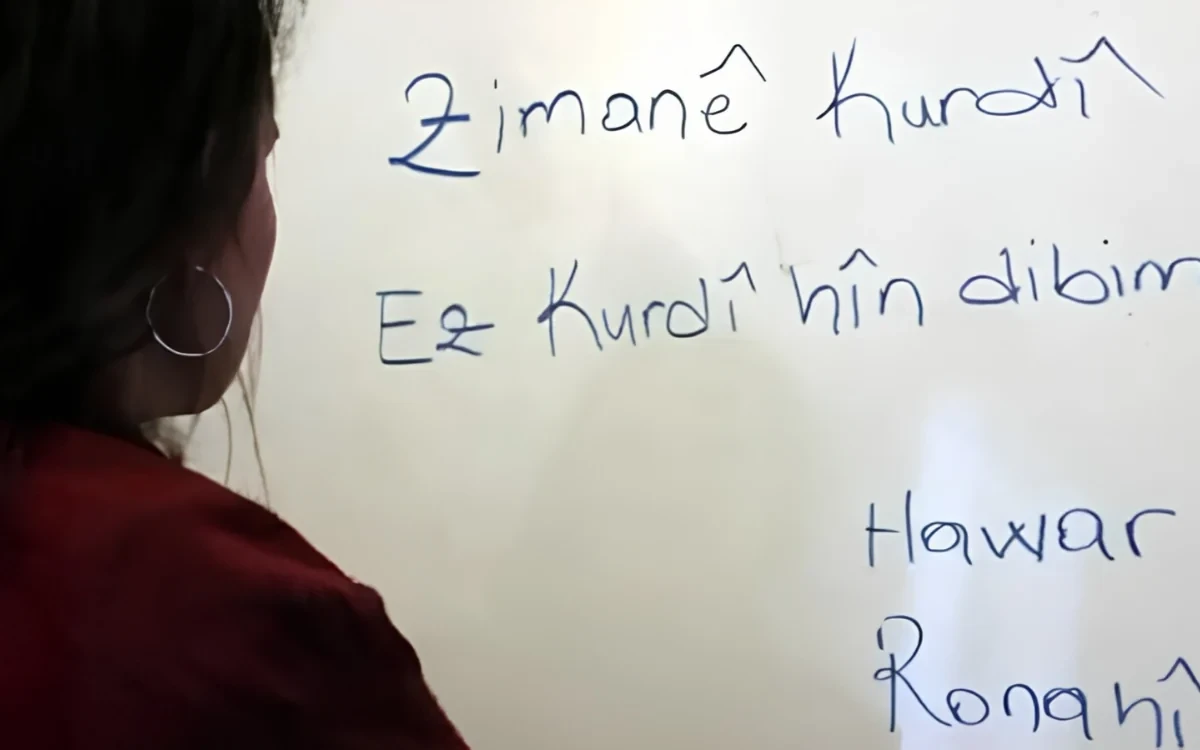
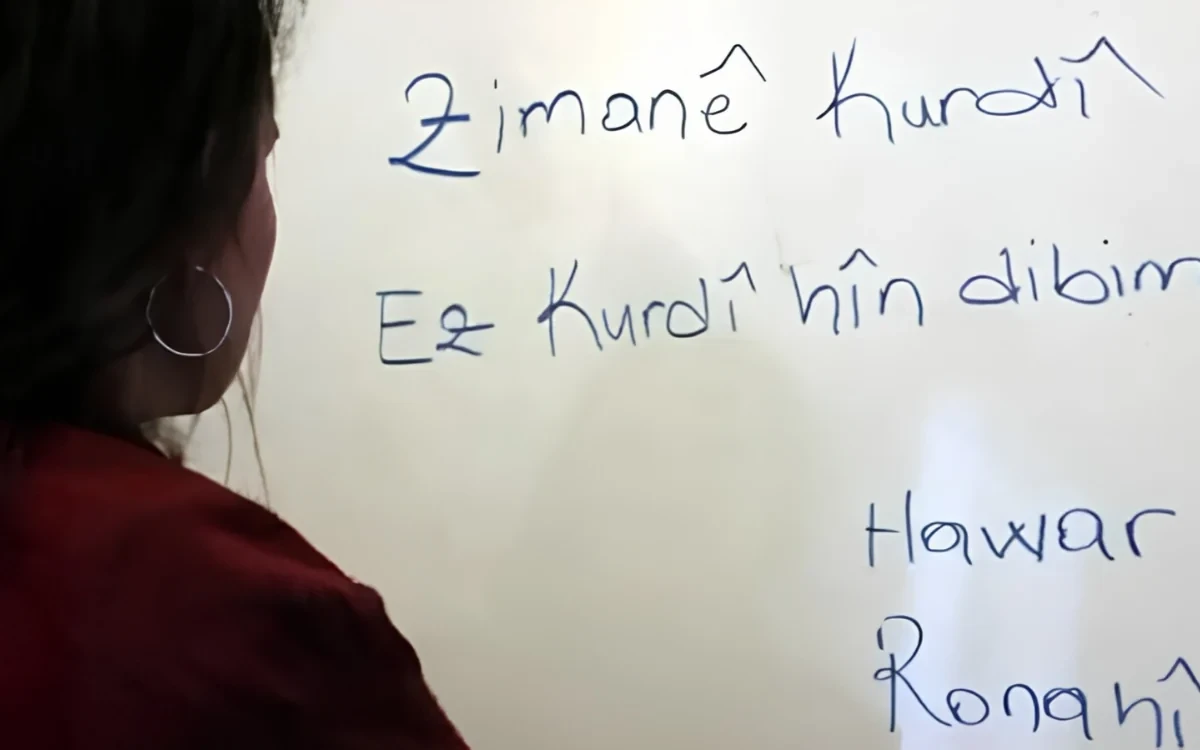
In this discussion, it is first necessary to distinguish between two concepts. Mother-tongue education refers to a person learning, reading, and writing their own mother tongue, as well as becoming familiar with its literature and culture.
Education in the mother tongue, on the other hand, means that a child can receive their education—from mathematics to science, from history to other subjects—through their own mother tongue.
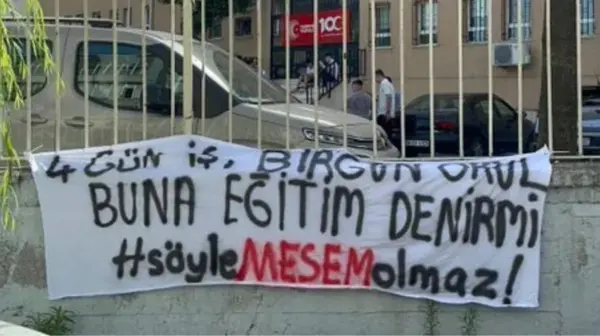
While it is important that the Kurdish languages (Kurmancî, Zazakî) are currently taught as elective courses, this practice does not meet the demand for education in the mother tongue.
Indeed, information released by the Ministry of National Education in November 2026 also highlights the limitations of the current situation. The Ministry stated that no efforts have been made to provide education in languages other than Turkish in the students’ native languages, while noting that Kurdish (Kurmancî, Zazakî) continues to be taught as an elective course. Therefore, the key question we must ask today is this: Will we be content with merely allowing a child to learn their native language, or will we also pave the way for them to receive an education in that language?
If we are truly speaking of a new social era, education must be reimagined to meet the needs of this new era. Because for societies that have spent years failing to understand one another sufficiently, divided along lines of difference, and struggling to express their own identities to once again be able to trust one another, education must assume a crucial responsibility.
For this reason, the education system must view different identities and languages not as a problem, but as a source of societal richness. Turkish, Kurdish (Kurmancî, Zazakî), Arabic, Laz, and all other languages spoken in this region must be accepted as a natural part of social life.
The survival of one language does not require the disappearance of another. A child receiving an education in Kurdish does not prevent them from learning Turkish. Similarly, a child receiving an education in Turkish learning another language does not diminish their identity in any way. On the contrary, a multilingual and multicultural approach to education can help children understand one another better, foster respect for differences, and contribute to the development of a culture of coexistence.
For the peace process to take root in the field of education, certain fundamental steps must be taken:
The right to education in one’s mother tongue must be addressed as one of the fundamental issues of a democratic society.
Legal and institutional arrangements must be made to promote Kurdish (Kurmancî, Zazakî) and other mother tongues within the education system.
Teachers capable of providing instruction in these languages must be trained, and relevant departments at universities must be strengthened.
Textbooks, children’s literature, scientific publications, and digital educational materials must be developed.
The distinction between mother-tongue education and education in the mother tongue must be clearly explained to the public.
When formulating education policies, the views of teachers, parents, students, academics, and language institutions must be taken into account.
An educational philosophy that is egalitarian and pluralistic—in which no language or identity is considered superior to another—must be developed.
Of course, none of this can be achieved overnight. However, what is important is to ensure that this issue is no longer a discussion that is constantly postponed, but rather transformed into a concrete agenda for democratization.
If we are talking about peace today, we must also consider what kind of country we will leave for the children of tomorrow. We must create an educational environment where our children are not afraid to understand one another’s languages, do not view growing up with different identities as a threat, do not feel ashamed to speak their native language, and can express themselves freely. Because the first sentence a child forms in their native language is not merely a single word. That sentence carries the memory of their family, the culture of their community, and the hope they carry into the future. For peace to be lasting, it is not enough to merely discuss the pains of the past. We must also discuss how the future will be built. One of the most important building blocks of this future is education.
We must not forget that without equality in education, talk of social equality will be incomplete; and without guaranteeing freedom of language, talk of cultural peace will fall short. Turkey faces a significant opportunity. This opportunity is not merely to create a period free of conflict, but to build a democratic society where differences are accepted on the basis of equal citizenship, and where everyone can live freely in their own language and with their own identity.
Peace does not mean people becoming alike; it means people being able to live as equals and freely despite their differences. The demand for education in one’s native language must also be viewed as an integral part of this great social transformation. Because true peace will begin on the day a child walks through the school gates without having to leave their language, identity, and culture behind. And perhaps the most beautiful beginning of peace is the day a child can freely say the first word they learned from their mother at school. (AÖ/NÖ/VK)