



The evolution of the new conflict between the US, Israel, and Iran into a regional war would not only bring about a major humanitarian crisis but also raise serious questions regarding energy supply security. Considering Iran’s targeting of US bases in the Gulf and the reciprocal moves by both sides, it is expected that the clashes could be prolonged.
There are many features that distinguish Iran from other countries in the Middle East; however, within the scope of this article, what sets Iran apart is that, in addition to being a significant producer of oil and gas, it controls a critical point for global energy balances—the Strait of Hormuz.
In addition, Iran’s shared border with Turkey and its role as a key actor in natural gas supply make it imperative to thoroughly evaluate the current situation from Turkey’s perspective.
In this context, this assessment note will examine the likelihood of Iran cutting off gas flow to Turkey, the strategic importance of the Strait of Hormuz, and the economic and energy-related impacts a potential closure scenario could create on a global and regional scale. It will also address the implications of this situation for Turkey's economy and energy market, as well as the actors likely to benefit from a closure of the strait.
What happens if Iran cuts off gas flow to Turkey?
First of all, current information shows that the pipelines have not been directly targeted. However, Iran may shut down the Tabriz–Ankara Pipeline as a precaution or due to a potential attack. At this point, it would be appropriate to examine the situation in light of the data.
The pipeline between Iran and Turkey, whose foundations were laid in the late 1990s, began operations in the early 2000s. Since then, disruptions in gas flow between the two countries have been frequently reflected in the public domain. The most well-known reason for this is that a large portion of electricity production in Iran is based on natural gas, and due to sanctions, production has failed to reach targeted levels, resulting in the diversion of gas allocated for export to the domestic market.
Nevertheless, although the amount of gas flow between the two countries has varied over time, it has remained continuous. In fact, it would not be surprising if the agreement, based on an annual purchase of 10 billion cubic meters (bcm) of gas and set to expire on Jul 31, 2026, is extended.
An examination of Energy Market Regulatory Authority (EPDK) data reveals that Iran’s share in Turkey’s natural gas imports over the past five years has been around 13%. Data from 2024 also align with this picture. In 2024, Turkey imported a total of 52.2 bcm of natural gas, of which 7.04 bcm (or 13.4 %) was supplied from Iran.
Unlike other suppliers, the pricing in the agreement with Iran is entirely dependent on Brent crude oil prices.
Another factor complicating the picture between Iran and Turkey is the transfer of Turkmen gas to Turkey through Iran via a swap mechanism. There are two pipelines between Iran and Turkmenistan with a total annual capacity of approximately 20 bcm. The Turkmen gas transported through these lines is delivered to Iran’s domestic market, Azerbaijan, Iraq, and since 2025, to Turkey via the swap method. Under the agreement between the parties, it is foreseen that an annual 2 bcm of Turkmen gas will be delivered to Turkey annually through this method until 2030.
When Turkmen and Iranian gas are evaluated together, although it is possible for the flow to reach 12 bcm if the pipeline operates at full capacity, a more realistic scenario would be an average range of 10–11 bcm. Considering Turkey’s annual consumption hovers around 55–60 bcm, a yearly interruption of 11 bcm would create a significant gap in the energy balance.
Although this scenario appears risky, three main factors could help mitigate the impact of a potential disruption, unlike past crises:
1. Seasonality: The Iranian gas cut at the end of 2021 and beginning of 2022 had led to production disruptions in organized industrial zones and, when combined with the economic environment, resulted in severe consequences. However, since March marks the end of the harshest winter conditions, there will be a seasonal decline in gas consumption. This would ease crisis management in the event of a sudden disruption.
2. Storage capacity: Turkey’s current storage capacity stands at approximately 6.3 bcm. Assuming the storage facilities are full, a short-term disruption can be endured for a while, especially since gas consumption is not expected to rise but to fall.
3. Structural transformation in electricity production: Since 2021, the share of renewable resources in electricity generation has gained significant momentum. According to Turkish Electricity Transmission Corporation (TEİAŞ) data, Turkey met 33.2% of its electricity needs from natural gas in 2021, whereas this rate fell to 23% in 2025. The main driving force behind this decline is the increase in capacity from solar and wind energy. This structural shift in electricity generation partly substitutes for gas and supports crisis management.
In summary, although Iran suspending gas flow to Turkey would cause a short-term shock, the impact is not expected to be as sharp as during the 2021–2022 period, thanks to increased storage capacity, the rising share of LNG, and seasonal advantages. In this process, the most likely course of action for Turkey is to maintain the supply-demand balance by procuring additional gas from Russia and the US.
The impact of disruption in Iran's oil flow on Turkey and the world
It is well known that, in addition to natural gas, Iran is also a significant oil producer on a global scale. According to OPEC data, Iran, which produced 6 million barrels of oil per day in the 1970s, saw its production fall sharply due to sanctions. Current data indicates that daily production stands at around 3.3 million barrels. Of this oil, 90% is exported to China, while the remainder is either consumed domestically or sent to Oman.
There has been a marked decline in Turkey's oil trade with Iran since 2010. Prior to United Nations (UN) sanctions in 2010, Iran was a strategic actor in the Turkish oil market with a share similar to that of Iraq, around 20%. However, starting in 2010, with the tightening of US sanctions, Turkey gradually reduced its oil purchases from Iran while continuing its natural gas imports.
In other words, faced with the US urging it to “choose between oil or natural gas,” Ankara opted for gas. By reducing its oil imports from Iran to near zero, Turkey aimed to preserve its alliance ties with the US.
In this context, while a disruption in Iranian oil flows to the world may not directly affect Turkey, indirect impacts are inevitable. Even though Iranian oil is exported to only a limited number of countries in global markets, data from Tanker Trackers shows that Iranian oil holds a 19.6% share in the Chinese market—meaning that nearly 1.6 million barrels of Iranian oil per day flow to China. With this share, Iran is China’s second-largest oil supplier after Saudi Arabia, which holds a 21% market share. Any disruption in Iranian oil would mean the loss of one in every five barrels entering China.
Moreover, due to its geographical location, Iran is not only a supplier but also a transit point that could significantly affect the Asian market. This raises the risk of a disruption in the Strait of Hormuz. The primary factor that would cause indirect effects on Turkey stems from this strategic axis.
What happens if the flow through the Strait of Hormuz stops?
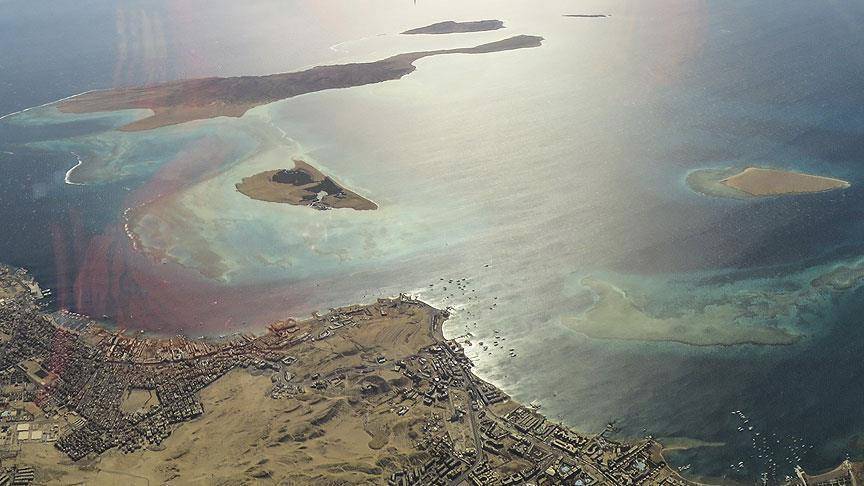
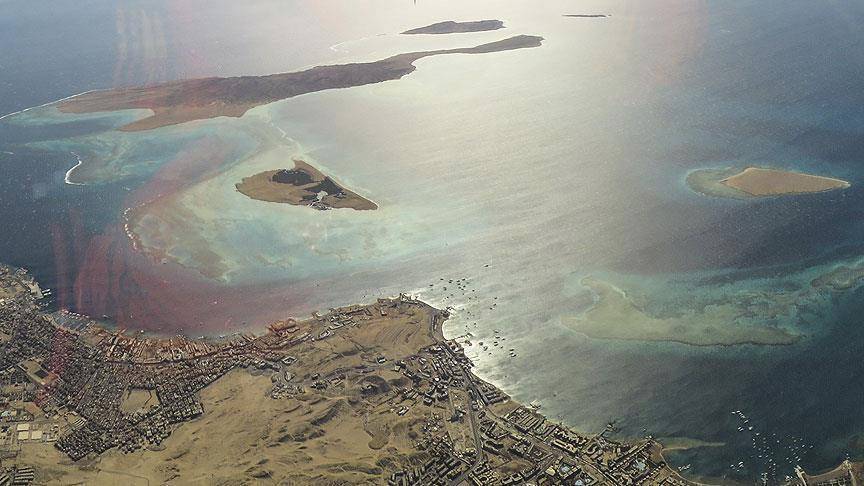
While Iran’s role as an oil producer is strategically important, what sets it apart from other producers is its control of the Strait of Hormuz, one of the world’s most critical transit points. Located between Oman and Iran, the Strait of Hormuz is a vital waterway connecting the northern and southern parts of the Persian Gulf.
According to the International Energy Agency’s (IEA) 2025 Oil Outlook Report, global oil consumption stands at approximately 104–105 million barrels per day. Around 20 million barrels of this amount, roughly 20%, are transported via the Strait of Hormuz. This high percentage is not solely due to Iranian production but also because major producers like Saudi Arabia, the United Arab Emirates (UAE), Qatar, and Iraq use this route.
Likewise, Qatar and the UAE, among the world’s leading liquefied natural gas (LNG) exporters, carry out their shipments through this strait. According to US Energy Information Administration (EIA) data, 100–110 million cubic meters of gas pass through the Strait of Hormuz daily. This volume is notable not only due to its size but also because the route has no alternative. Therefore, closure of the Strait of Hormuz would have a global impact.
Another consequence of closing Hormuz would be seen in the economy. Such a move would create a fertile ground for supply imbalances, price instability, and speculative fluctuations in global markets. In the short term, rising energy costs would intensify inflationary pressures, especially in energy-importing countries.
According to analyses by JP Morgan, a 10-dollar increase in oil prices could trigger a 0.15-point rise in inflation in major economies, particularly in the US. Oxford Economics offers a more pessimistic scenario, suggesting that every 10-dollar increase could result in a half-point rise in inflation. This would lead to the reassessment of many strategies—from central banks’ interest rate policies to derivatives markets.
From the supply perspective, the closure of Hormuz would mean a massive economic loss due to halted oil flows. On the demand side, looking closely at oil imports of countries like China, India, Japan, and South Korea reveals that Saudi Arabia, the UAE, Kuwait, and Iraq account for 70–80% of their supply. A supply shortage in these countries would result in serious disruptions in production and transportation and breakages in supply chains. This would trigger a new wave of inflation not only through oil prices but also via interruptions in production.
The strategic importance of Hormuz and Iran’s occasionally repeated threats to “close” it have led regional countries to seek alternatives. In 2008, the UAE took a step in this direction with the launch of the Fujairah Pipeline, aiming to bypass the Strait of Hormuz. With a daily capacity of 1.5 million barrels, this pipeline transports oil to the Gulf of Oman. However, this amount can only cover a small portion of the total volume passing through Hormuz.
Similar infrastructure to transport oil from countries like Saudi Arabia and Qatar does not yet exist. Moreover, the existing pipeline is only capable of transporting oil and does not offer a solution for LNG exports. Still, the existence of this line provides a limited sign that an alternative route could be created.
However, security risks at this point must not be ignored. In fact, this pipeline has previously been targeted by the Houthis. Tensions in the region show that such strategic lines are also within range of attack.
Possible impacts of a Hormuz closure on Turkey
From Turkey’s perspective, it is observed that direct oil flows from Gulf countries are limited. Turkey’s main suppliers are Russia (with a 60% share), Kazakhstan, and Iraq. The share of Saudi Arabia hovers around 3–4%.
The resumption of flows through the Kirkuk–Yumurtalık Pipeline following negotiations between Baghdad and Ankara reduces the risk of a sudden disruption in oil supply and offers the possibility of offsetting a potential shortfall from Saudi Arabia.
However, there is a risk concerning diesel supply from India. While India sources a significant portion of its oil from Russia, it remains dependent on Gulf countries for the remainder. A disruption in crude oil supplies from the Gulf could hinder India’s diesel exports. In such a case, Turkey may be forced to increase diesel imports from Russia or boost domestic production. Planning for this risk in advance is essential.
Another dimension of the issue for Turkey is economic. According to Energy Market Regulatory Authority (EPDK) data, approximately 50 million tons of oil and oil derivatives were imported in 2024. Almost all of this import is conducted in foreign currency. Volatility in oil prices implies a greater need for foreign exchange for Turkey, meaning a widening current account deficit.
Furthermore, rising oil prices would quickly translate into higher costs in fuel, transportation, and logistics, directly creating inflationary pressure. This would necessitate a reassessment of all economic calculations, from interest rate policies to inflation expectations.
The winners of a Hormuz shutdown: the US and Russia
While the Strait of Hormuz is a vital transit route for Gulf countries from a geopolitical standpoint, this is not the case for the world’s two other major producers, Russia and the US.
According to the US Energy Information Administration (EIA), the US produces 13.6 million barrels of oil per day, exporting about 12.5 million barrels of that. Unlike Gulf countries, the US does not actively use the Strait of Hormuz. Thanks to its geographic location, it has direct access to markets in various parts of the world. Mexico, the Netherlands, Japan, and China are among the US’s main export destinations.
If oil from Venezuela were to meet a significant portion of US domestic consumption, particularly in the Gulf region, an increase in US export capacity could be expected. Combined with projections that oil production will rise by 500,000 barrels per day in 2027, the US is likely to expand its market share in the event of a crisis originating from the Hormuz Strait.
Russia, which exports oil to Asia through maritime routes such as the North Sea and the Baltic, as well as through railroads and pipelines, is another supplier with the potential to benefit from the process. According to official Russian sources, production last year was at a similar level to 2024, around 10.8 million barrels per day. Of this, 4.8 million barrels were exported. Eighty percent of exports went to China and India, followed by Turkey. Shipments to Europe were limited to 480,000 barrels per day.
Considering that Russia, like the US, is not dependent on Hormuz, it is possible that part of the gap left by Saudi Arabia and Iran could be filled by Russia in the Chinese market. A similar situation may apply to the Turkish and Indian markets as well. Moreover, India and Turkey could present the closure of the Strait of Hormuz as a legitimate justification in response to US pressure over oil imports from Russia.
In summary, while a supply issue caused by the Strait of Hormuz in the Asian market may lead to short-term shocks and disruptions, this gap could potentially be filled by the US and Russia to their own advantage. This scenario suggests that both countries could emerge from the current conflict environment with strategic and economic gains.
Conclusion
Rising tensions in the Middle East and the emergence of the Strait of Hormuz as a geopolitical bargaining chip are triggering a search for a “new normal” in global energy markets. Analyses suggest that the impacts of a possible disruption would be more complex and asymmetric than the oil shocks of the 1970s.
For Turkey, the picture is taking shape along two dimensions. In terms of natural gas supply security, the country’s increased storage capacity in recent years, investments in FSRUs, and the growing share of renewables in electricity production provide a strong buffer against a sudden disruption from Iran.
However, the situation is more fragile in the oil market. Although Turkey is not directly dependent on Iranian oil, global price increases stemming from Hormuz could put pressure on macroeconomic balances through the current account and inflation channels. In particular, possible disruptions in indirect supply routes such as diesel imports from India could place additional burdens on logistics and production costs.
On a global scale, the closure of Hormuz would expose Gulf giants like Saudi Arabia and the UAE to market losses and security risks, while paving the way for non-dependent actors like the US and Russia to increase their market shares and geopolitical influence. This points to a period in which traditional routes in energy trade are being questioned and the strategic importance of alternative supply corridors is increasing.
Ultimately, it is essential for Turkey to continue diversifying its energy basket, ensure the continuity of existing pipelines such as Kirkuk–Yumurtalık, and tighten coordination between monetary and energy policies in response to potential oil price shocks. If a regional war extends to energy infrastructure, being prepared is not just a technical requirement but a strategic necessity for preserving economic stability. (MS/Mİ/VK)
References (citations mentioned in the report)
TEPAV team page (author profile)
EPDK (2025). Natural Gas Market Annual Sector Report 2024.
Energy and Natural Resources Ministry (2025). “Turkmen Gas Is Coming to Turkey.”
TRT Haber (2025). “Turkey’s Natural Gas Storage Capacity Reaches 6.3 Billion Cubic Meters.”
AA Energy Terminal (2025). “Energy Minister Bayraktar Announces Natural Gas Storage Facilities Are at 100 Percent Capacity.”
TEİAŞ (2026). Turkey Electricity Generation-Transmission Statistics.
Energy and Natural Resources Ministry (2026). “Electricity” information page.
Reuters (2026). Iran's main oil and gas production and infrastructure.
Reuters (2026). China's heavy reliance on Iranian oil imports.
EIA (2026). Near-term U.S. crude oil production outlook (Today in Energy).
EIA (2026). Short-Term Energy Outlook.