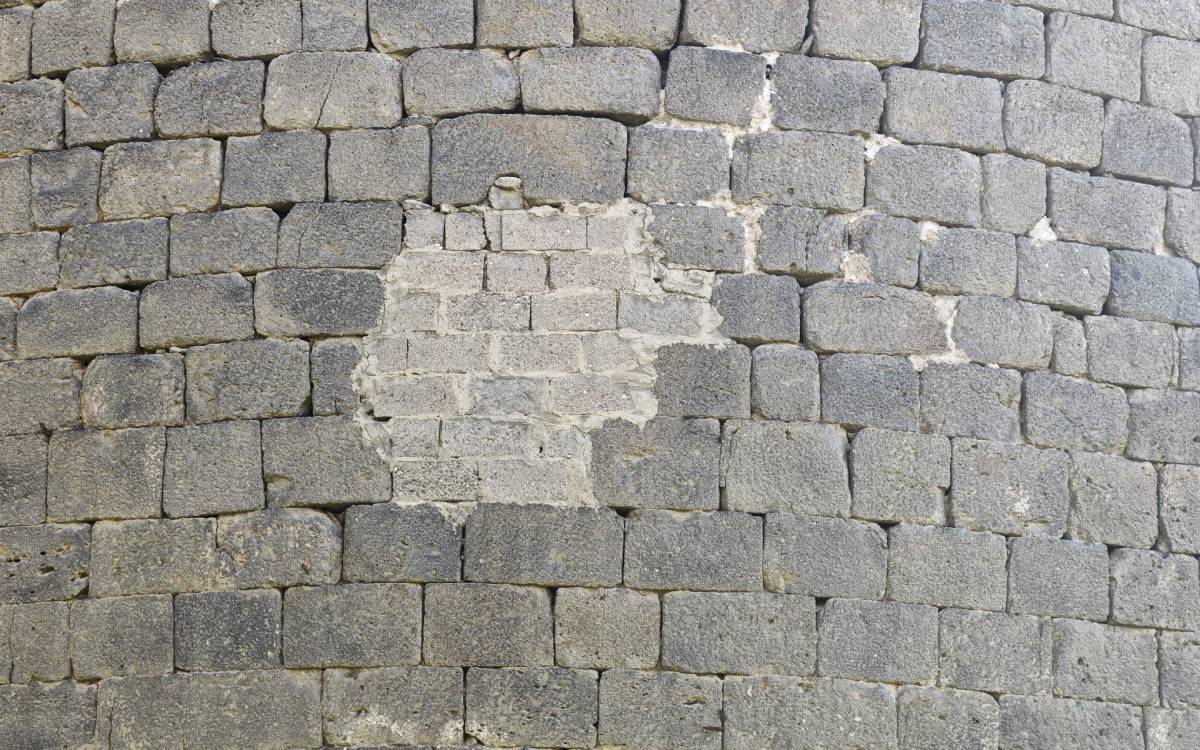







Diyarbakır’s ancient walls are a legacy not only for the present but of thousands of years of history. Since their construction, they have been repaired countless times to address the damage inflicted by humans and the passage of time. The traces of these repairs are visible even to the naked eye in the masonry, which bears the marks of different historical periods.
First and foremost, we must remember that the Diyarbakır City Walls have been on the United Nations Educational, Scientific and Cultural Organization's (UNESCO) World Heritage List since Jul 2015, a full 11 years.
Over the past few years, particularly under Münir Karaloğlu, who served as governor two administrations ago, the walls underwent what amounted to a comprehensive restoration effort. Yet for reasons unknown, the work appears to have come to a standstill over the past two years. The protective barriers surrounding the walls remain in place, and there is no sign of restoration work. Surely the authorities owe us an explanation.
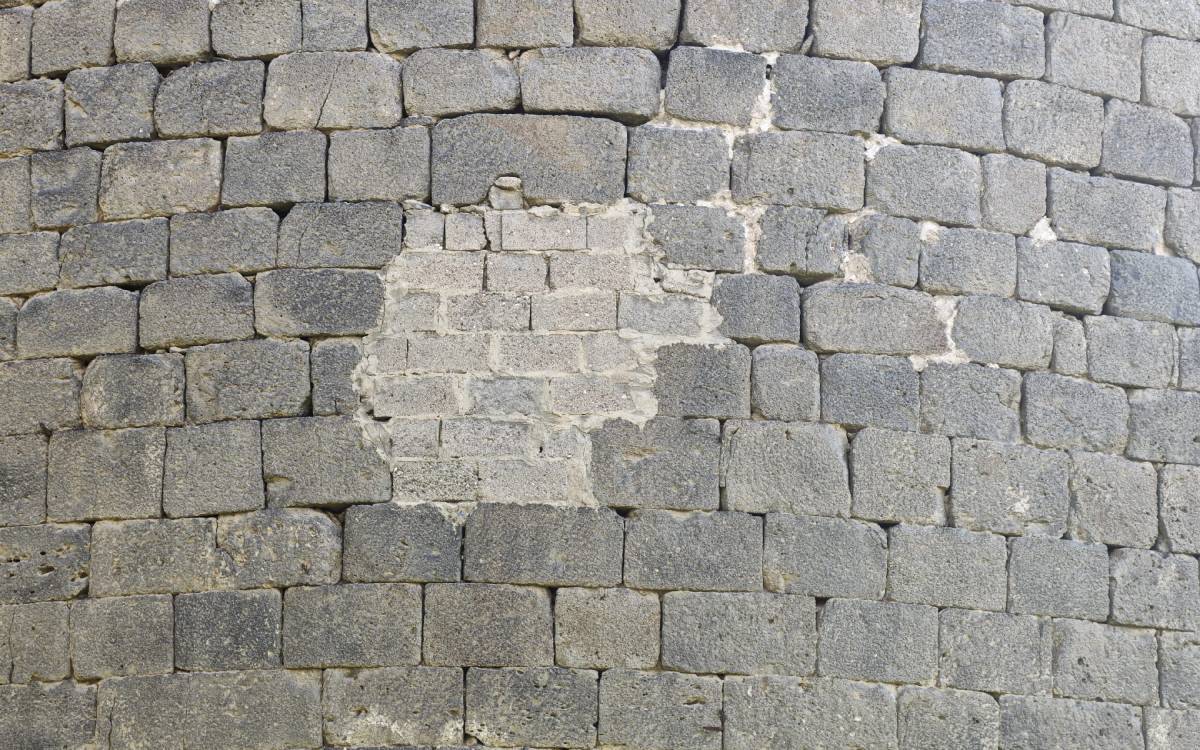
But there is another, far more troubling issue. Even to the naked eye, parts of the walls appear to have been patched up with concrete blocks, as though someone were building a garden wall. And this is visible in several places. Nor are these minor patches. Entire sections appear to have been filled in this way!
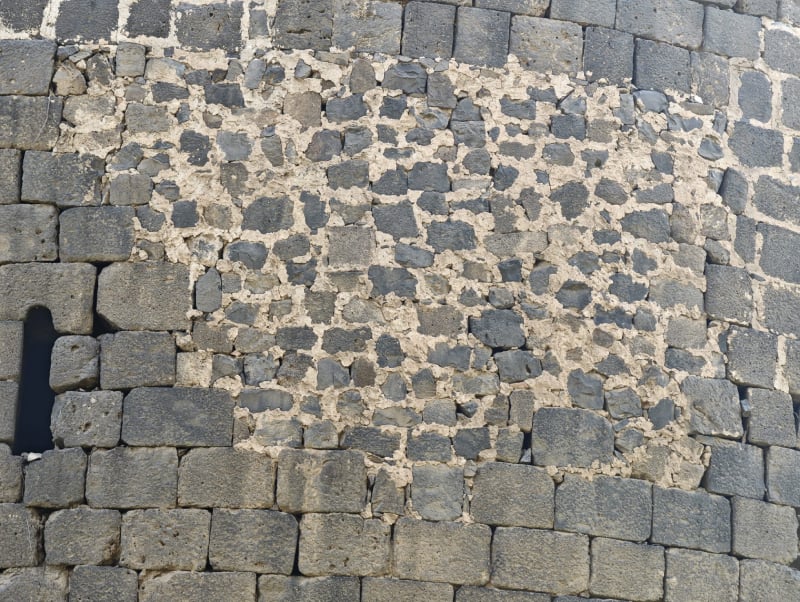
One cannot help but ask aloud: If the walls have been granted World Heritage status by an international organization such as UNESCO, a designation of particular significance worldwide, should their preservation not be approached accordingly?
In keeping with UNESCO’s approach and commitment to heritage preservation, should these ancient walls not be regarded as a monument that all of the city's institutions must work together to protect?
And who are these institutions? First and foremost, the Governor’s Office, followed by the Metropolitan Municipality and district municipalities, and all other relevant stakeholders in the city, including civil society organizations.
We must join forces to protect this treasured monument of ancient history.
The walls are made of natural basalt formed from lava erupted by the Karacadağ volcano, which hardened over time into stone as hard as granite. It is this very basalt that gives the city's architecture its life and character. Surely, this original fabric must be preserved.
In other words, ensuring that basalt is used to restore structures originally built from basalt should fall under the supervisory responsibility of the Council for the Protection of Cultural and Natural Heritage, an official body.
Is patching up the walls with concrete blocks not, to put it mildly, an insult to our historical and cultural heritage? Should we not speak out against this practice and demand that appropriate action be taken against those responsible?
For all the talk of history, culture, and tourism, there seems to be a fundamental issue that is being overlooked: Do we truly understand what it means to safeguard and preserve our historical and cultural heritage? And whose shoulders does that responsibility rest on, both institutionally and individually?