






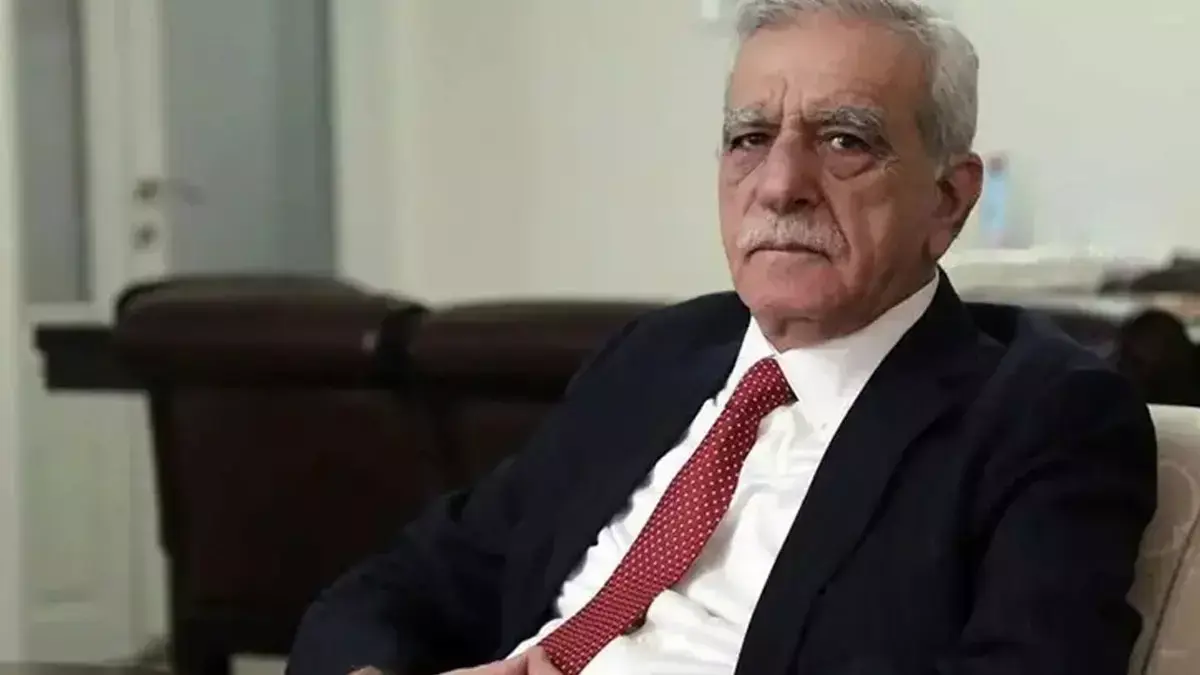



There are some seats that tell you not about the person sitting on them, but about the people beneath them.
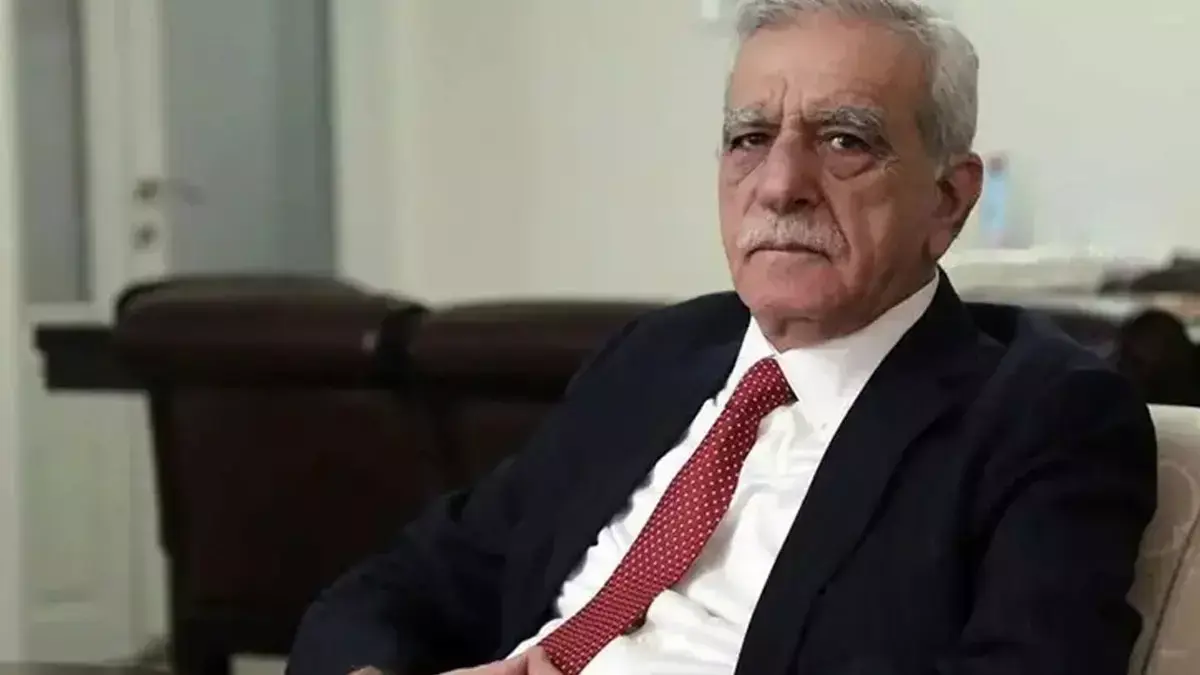
The seat Ahmet Türk has occupied in Mardin has been such a seat for years. More like a memory than an office.
The memory of conflicts, sentences of peace, unfinished hopes, of a city that is resentful yet stubborn.
One morning, that seat was emptied. There was no rally, no tanks. Just a document. A signature. And the will of thousands of people was squeezed into a bureaucratic sentence.
This is what we call a trustee appointment:
A silent seizure, a theft that does not shout. A white-gloved lawsuit opened against the ballot box.
The state said “suspicion.” It said “security.” But once again it did not say the real word:
“Fear.”
Because an elected person is always unsettling for those in power. Their authority does not come from a superior, but from the people. And the people whisper the most dangerous sentence:
“This seat is not yours.”
Yet this is exactly where the law begins. The Constitution is clear:
An elected mayor can only be removed from office if there is a crime related to their duty.
This small sentence is the backbone of a regime.
It is where the state is told “stop.”
The question is simple:
Was Ahmet Türk’s mayoral office the scene of a crime?
Did the municipality become a tool of darkness?
If the answer is no, then it is not only a trustee who sits in that seat. The one sitting there is the courage of the state to rise above its own law.
The European Court of Human Rights has been saying this for years: An election is not just about casting a vote. It is about the person you choose being able to serve.
Otherwise, the ballot box becomes a prop. Democracy a display window, and the people mere spectators.
Ahmet Türk is not just a politician in this country. He is one of the living memories of the Kurdish issue.
He is a witness to peace attempts, periods of denial, hopeful tables, and overturned chairs.
Removing him from office is not removing one person. It is deepening Mardin’s sense that “it does not matter who we elect.” And this feeling is the most dangerous one, the one that rots a state from within.
Because democracy is not a safe regime. It is risky, noisy, but honorable.
It is the courage to elect someone you do not like, the virtue of enduring what you fear, and a trustee does not only govern a municipality.
It changes the way a people looks at itself. People begin to look in the mirror not as citizens, but as objects of administration. And this is the real impoverishment.
One day the seat goes. Then the vote. Then the word.
In the end, the sentence inside a person, “I am the owner of this country,” is extinguished. That is why Ahmet Türk’s seat matters. Not because of who sits on it, but because it shows whose will is being crushed beneath it.