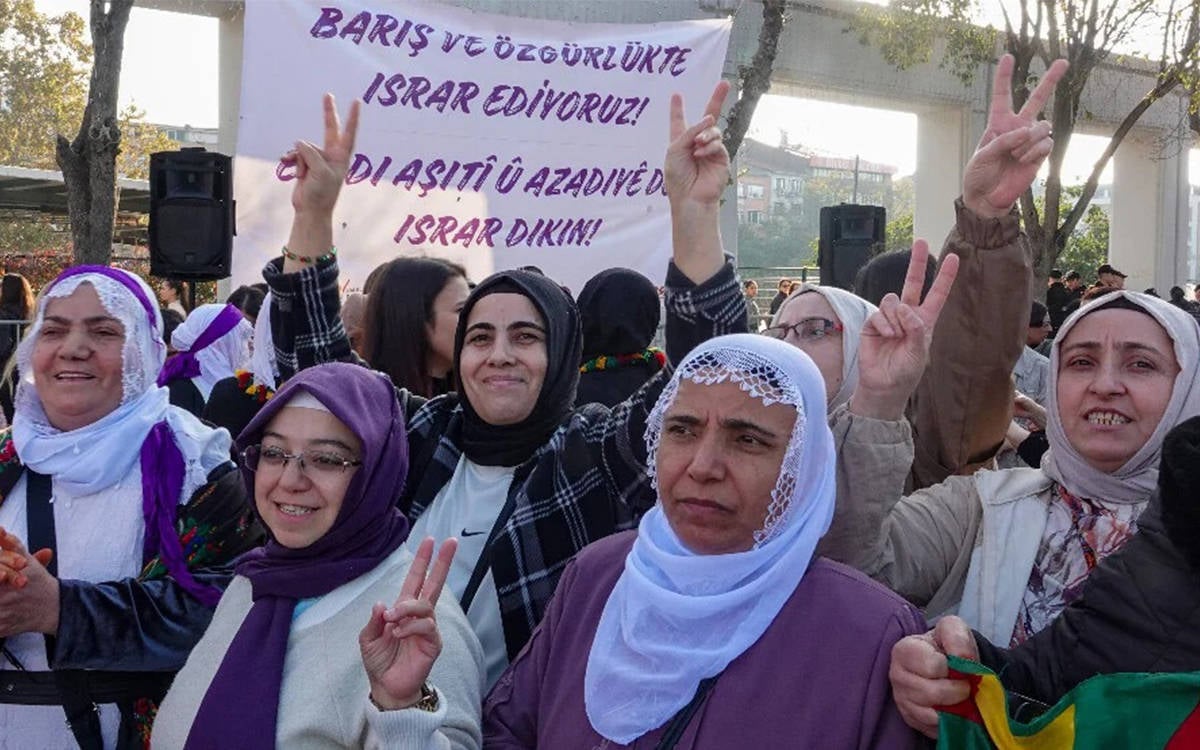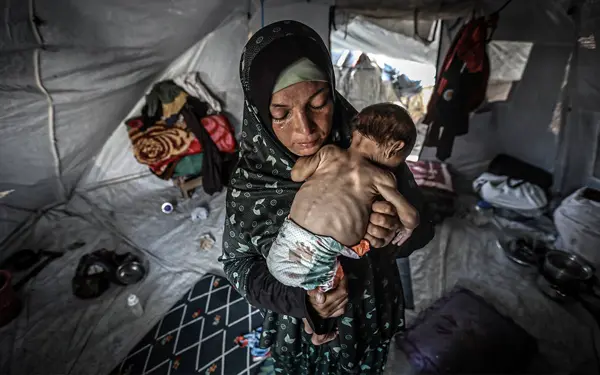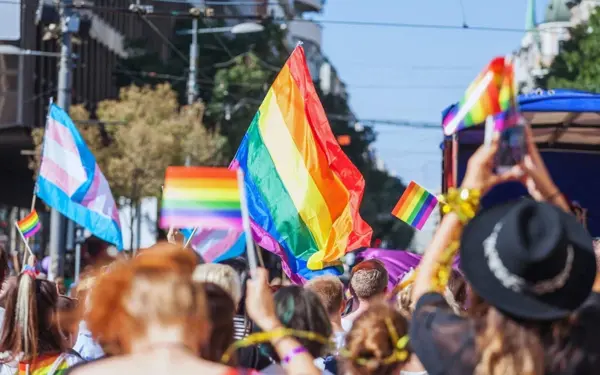




This depiction of peace belongs to Nelson Mandela, who led major struggles against the apartheid regime in South Africa and spent 27 years of his life in prison.
Mandela’s words point to the idea that when a meaningful and lasting peace is built, no personal characteristic will hinder a person from realizing themselves. Precisely for this reason, society’s expectations from peace are high. Naturally, there are also high expectations from the steps taken during the peace process.
The expectation and consequences created by Bahçeli’s handshake
Efforts to shift the Kurdish Issue—a matter essentially related to human rights and democracy—from a conflict-based ground to a political one have been ongoing for many years, although there have been interruptions that caused heavy losses and rights violations. The public learned of the latest of these efforts on Oct 1, 2024, when Nationalist Movement Party (MHP) leader Devlet Bahçeli shook hands with representatives of the Peoples’ Equality and Democracy (DEM) Party.
Even just the handshake increased expectations regarding peace. Shortly after, Abdullah Öcalan, from whom there had been no news for a long time, was visited by Ömer Öcalan on Oct 23, 2024, followed by other visits. Around the same time, journalists, politicians, academics, and the business world began expressing their views on the matter.
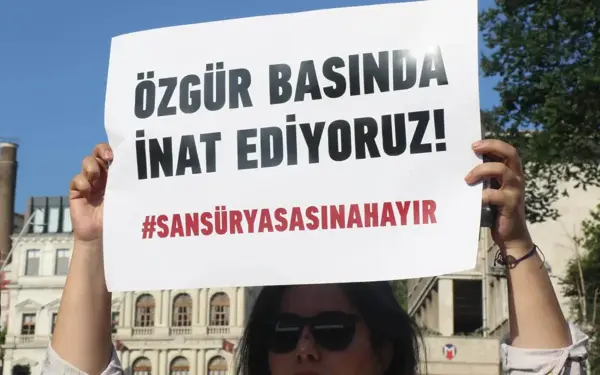
As human rights defenders, we had been reiterating our demand for peace even during the conflict period. Following the handshake, the space for expression—though not fully to the extent deserved—began to expand. As the space for expression widened, hopes increased and continue to grow.
The expectation and consequences created by Öcalan’s Feb 27 call
There are three days left until the anniversary of the Peace and Democratic Society call in which Abdullah Öcalan said that “the need for a democratic society is inevitable.” The text draws attention to the close relationship between the emergence of the PKK and the absence of democratic political channels, and emphasizes that a solution is only possible through democratic platforms where everyone can express themselves freely. In the same text, Öcalan called for the PKK to dissolve itself. This call also raised hopes for peace.
Indeed, the PKK’s decision to dissolve itself at the congress held on May 5–7 and its act of burning weapons on Jul 11 were both parts of the expectation that had been formed and also generated new expectations.
Like the handshake, the call for dissolution and its being met with action, as well as the destruction of weapons—the tools of violence—expanded the space for speech. In response to these developments, expectations arose in society concerning the situation of ill prisoners, freedom of expression, the return of militants who lay down arms, public services including education in the mother tongue, and the full guarantee of human rights and freedoms.
Commission activities and the space for speech
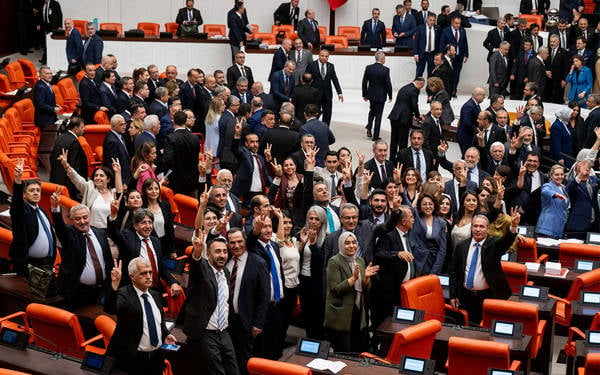
Throughout this process, the Grand National Assembly (TBMM) commission, which has been active since Aug 5, 2025, also demonstrated how effective the expansion of the space for speech can be on the path to peace. As indicated in the report published on Feb 18, commission members held 21 sessions and listened to 137 institutional representatives and individuals. Essentially, this method of work was in harmony with the fundamental function of politics and the parliament, which is to bring words and ideas to the forefront.
The commission report does not meet expectations
The commission report, adopted with forty-seven votes in favor (it should be noted that five DEM Party members accepted the report with reservations), two votes against, and one abstention, unfortunately does not fully meet the expectations regarding lasting peace.
As the Human Rights Association (İHD), we shared our opinions on the report, including its language and failure to address the root causes of the Kurdish Issue. In the same statement, we also expressed our agreement with the recommendations under the democratization section of the report.
Similarly, the Saturday Mothers, one of the most resilient movements in these lands, also issued a statement saying that the report did not meet expectations. The Saturday Mothers, who gather at Galatasaray Square every Saturday to inquire about the fate of their missing loved ones and demand justice, said the following regarding the report:
“In a report that claims to focus on democratization and societal peace, the omission of grave, systematic, and ongoing human rights violations such as enforced disappearances is in clear contradiction with that very claim.”
The fact that the report does not abandon the language of a security-centered perspective, does not even mention the name of the Kurdish Issue, and lacks any reference to the right to hope—a matter frequently discussed in society and addressed in the European Court of Human Rights (ECtHR) ruling on Öcalan dated Mar 18, 2014—are serious shortcomings. In its current form, the report reflects the language of the ruling party and the mindset of the repressive segments of the state. Indeed, as noted by the DEM Party on page 78, “the language of a joint report should not be one-sided.”
In a report that makes so many references to the space for speech and the opening of democratic political channels, the term “terror” appears 114 times across its 107 pages including annexes, while the word “Kurdish” appears only six times, and even then only in the speeches of members of parliament. This is a serious indication that the report is far from being rights-based. Likewise, the fact that the concept of human dignity appears only in commission chair Numan Kurtulmuş’s opening speech (on page 12) also suggests that the Kurdish Issue is still being viewed through the lens of the old era.
Of course, the recommendations discussed under section 7 titled democratization are valuable. As human rights defenders, we believe that the inclusion of our long-standing demands, such as compliance with ECtHR and Constitutional Court rulings, decriminalization of freedom of expression, and an end to the appointment of trustees, in the commission report is a result of our enduring struggle. We emphasize that taking necessary steps on these issues should not even be a matter of negotiation.
How we interpret the report
The following two sentences on page 14 of the report should not be overlooked: “For the first time, politics has taken strong initiative on this issue and the matter has been embraced at this level in the TBMM. For the first time, the institution of politics and the parliament have become involved in the solution to this extent.” This finding is particularly important in terms of recognizing at the parliamentary level what has been lacking in the peaceful resolution of the Kurdish Issue until now. It aligns with the emphasis on democratic political channels in Öcalan’s Feb 27 call, which was made more than a year ago.
Continuing to speak on the path to peace
Expressing one’s views and not facing consequences for doing so—that is, freedom of expression—is of vital importance for us as human rights defenders. The expansion of the space for speech means the flourishing of ideas. The opposite means violence and rights violations. Where there is violence and conflict, voices, words, and ideas cannot be heard. The only outcome of violence is more violence. The consequences of speech, on the other hand, are clear: democracy, human rights, the rule of law, equality, and peace.
Our expectations for peace are great. Building a lasting peace is not easy. For this reason, we are aware that the commission’s report is not the final destination on the road to peace, but rather one of the points we must pass through. We emphasize this reality at every opportunity. The struggle of peace advocates and human rights defenders must and will continue.