











bianet'in özel bildirimlerine izin vererek önemli gelişmelerden haberdar olabilirsiniz.
'Why do chimneys remain standing while everything else is torn down?'
We spoke with Eren İnönü about his exhibition Unseen Monuments, the chimneys he photographed, and his reasons for choosing to view the city from this perspective.

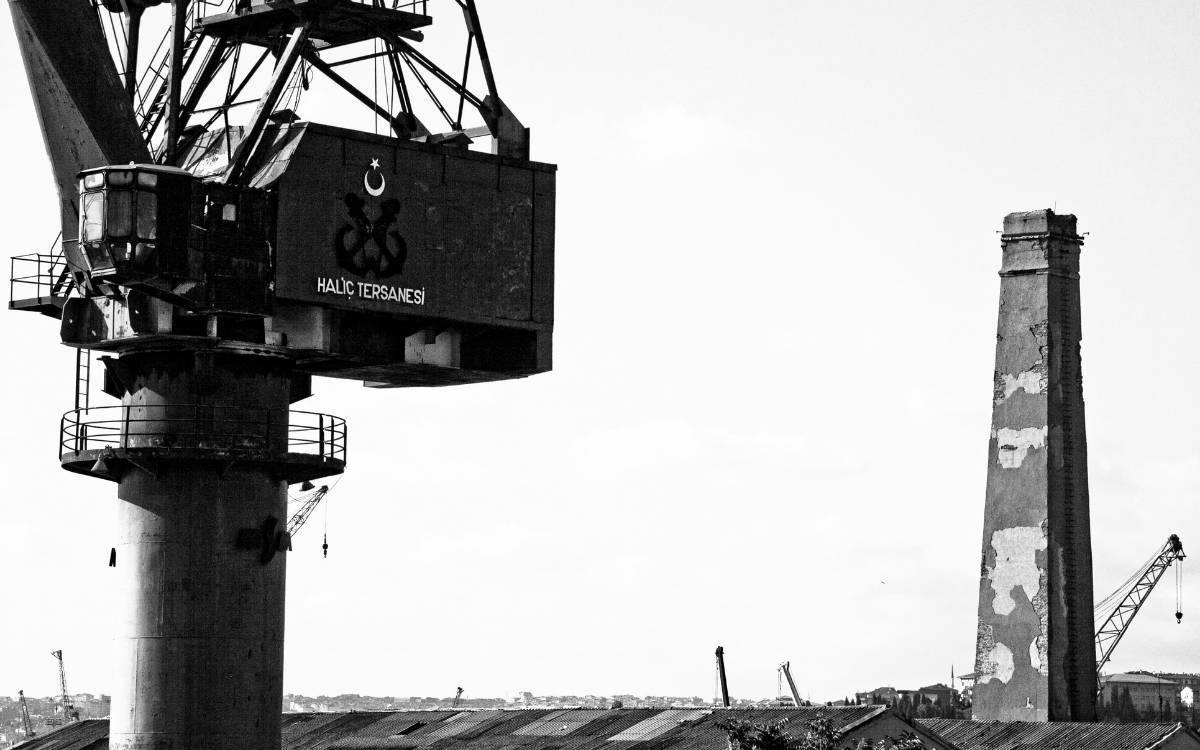


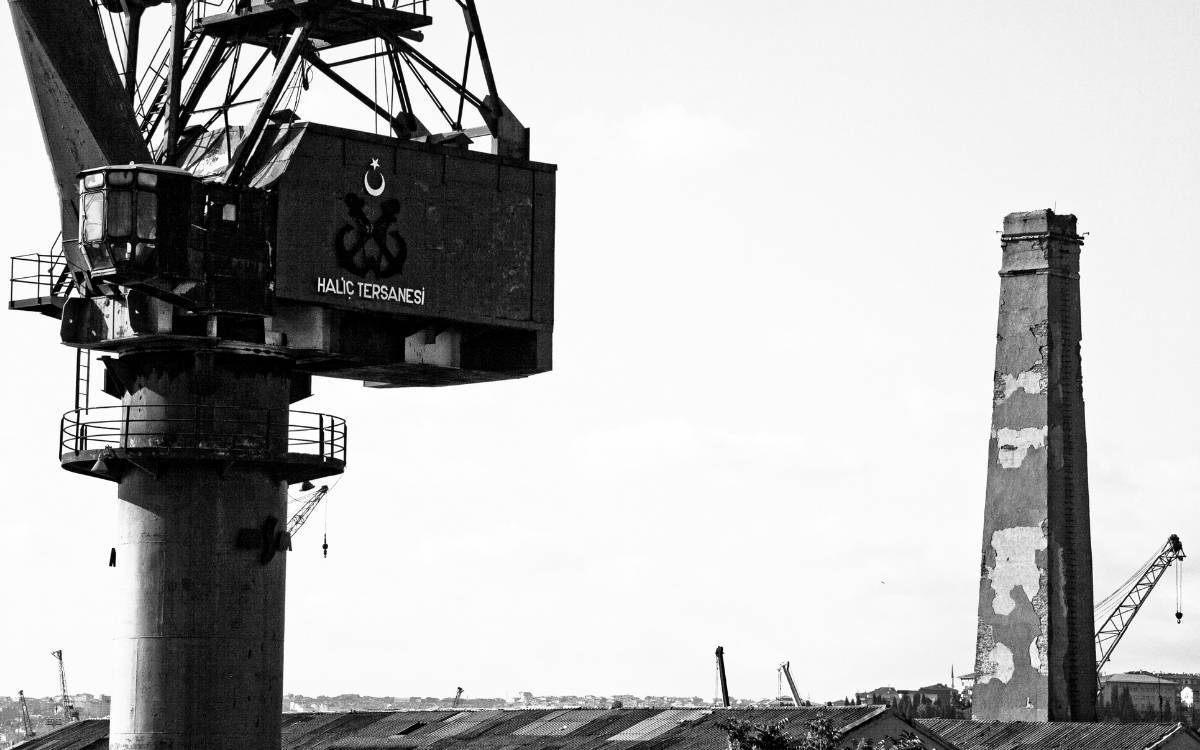
Eren İnönü brings together his photographs of chimneys, which he describes as the city’s “unseen monuments,” at Galeri Işık Teşvikiye.
The exhibition “Unseen Monuments” can be visited until Saturday, Nov 1.
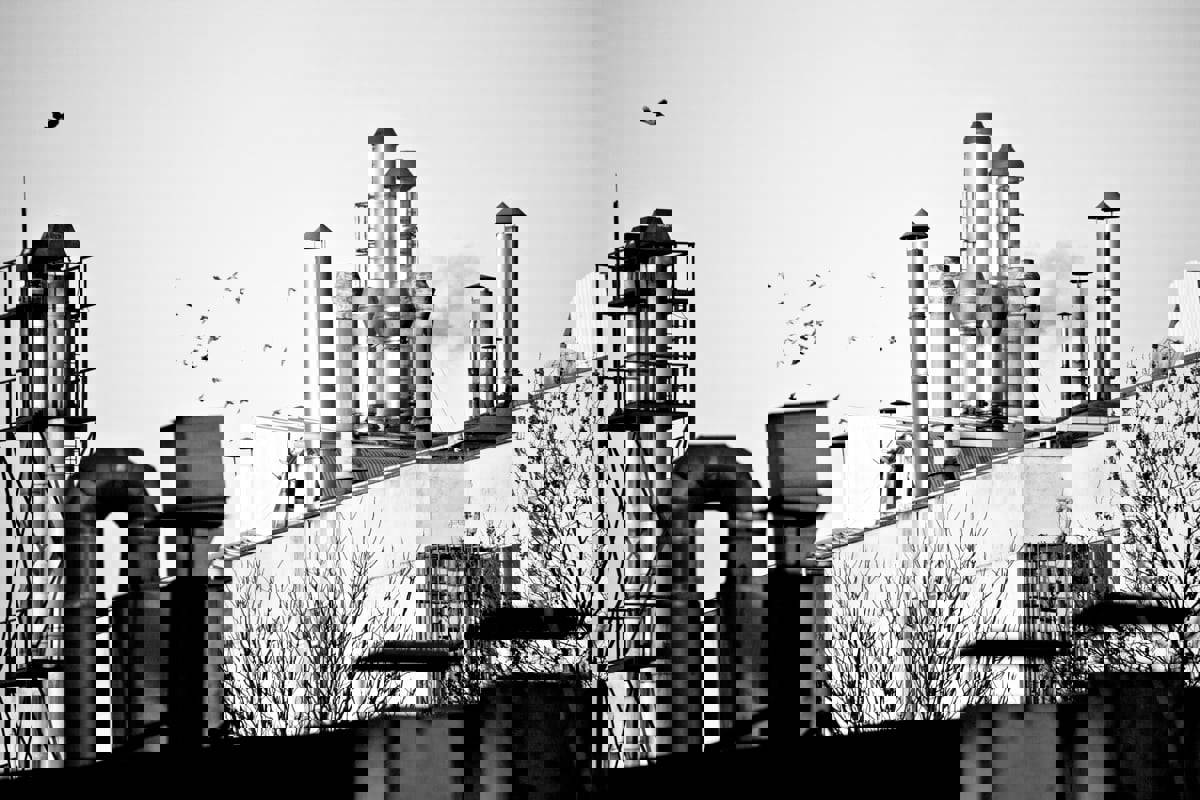
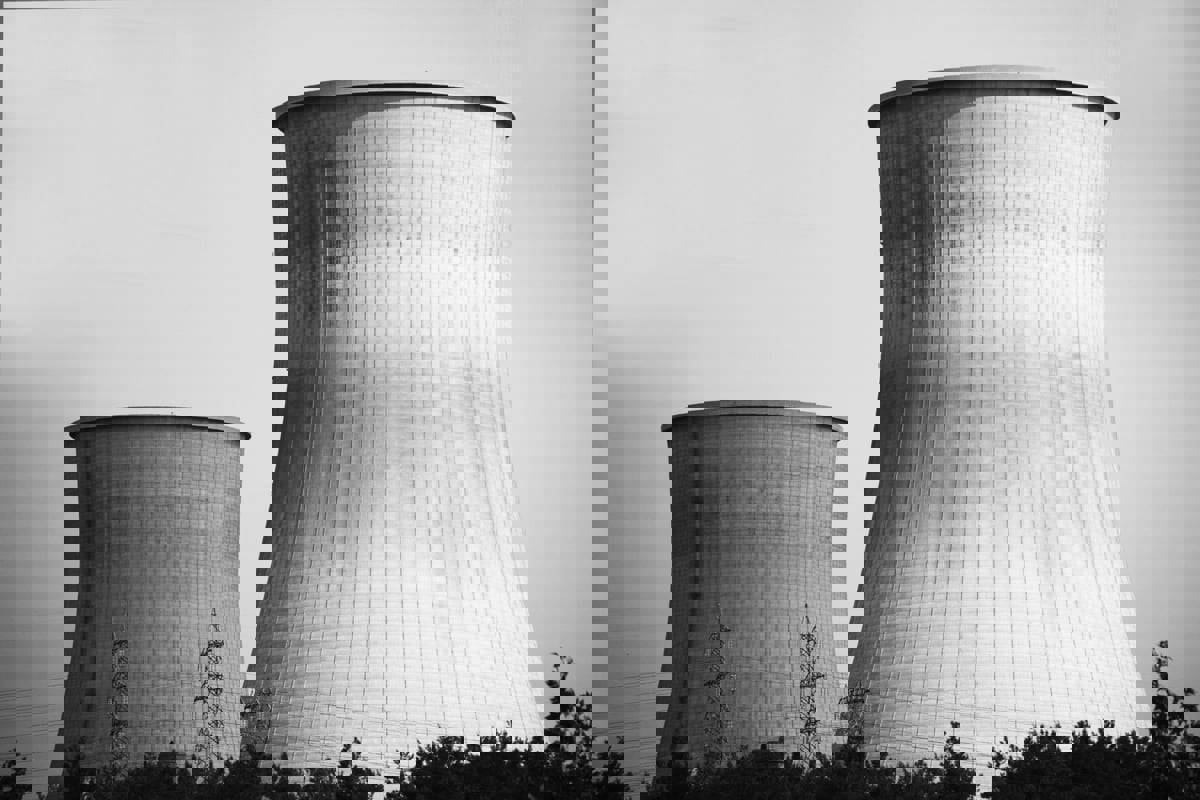
Inspired by the industrial typology approach of Bernd and Hilla Becher, who are known for systematically and objectively photographing industrial structures, water towers, mine chimneys, warehouses, silos, and other factory buildings, İnönü reinterprets this objective view through his own aesthetic perspective, positioning the chimneys in black-and-white frames reaching toward the sky.
Architect and artist Buşra Tunç’s spatial design adds an experiential dimension to the exhibition.
We spoke with Eren İnönü about his exhibition, the chimneys he photographed, and his reasons for choosing to view the city from this perspective.
Ovaakça Natural Gas Combined Cycle Plant, Bursa, 2012.
The unseen monuments of the city
Was there a personal or visual moment that led you to the question, “Why do chimneys remain standing while everything else is torn down?”
The answer to that question is actually hidden in Casa Mila in Barcelona, in 2009. When I looked at Gaudi’s chimneys, I realized how an ordinary technical element could be transformed into an architectural expression. Then I looked back at my own past—as someone who worked in the burner industry for 40 years and saw hundreds of chimney designs and installations, I reconsidered the functional and symbolic meanings of these structures.
After the demolitions of factories and thermal power plants in İstanbul, I noticed that the chimneys always remained standing. Maybe that’s why the question “while everything is being torn down” became not a curiosity, but an awareness born from observation.
You position chimneys as a kind of “unseen monument” of the city. Can you elaborate on the word “monument”?
To me, the word monument always carries two meanings: one is to remember, the other is to forget.
Some monuments speak of heroism; others quietly mark the end of an era. Chimneys are like that. On one hand, they represent warmth, labor, and production; on the other, the exhaustion and depletion left behind by the industrial age. For me, these chimneys have already earned the right to be called monuments through their invisibility. They still carry an unremembered past up toward the sky.
Both breathing and polluting
Seeing chimneys, symbols of industrial production, as the city’s “respiratory organs”—how does this connect ecology with the collective memory of the city?
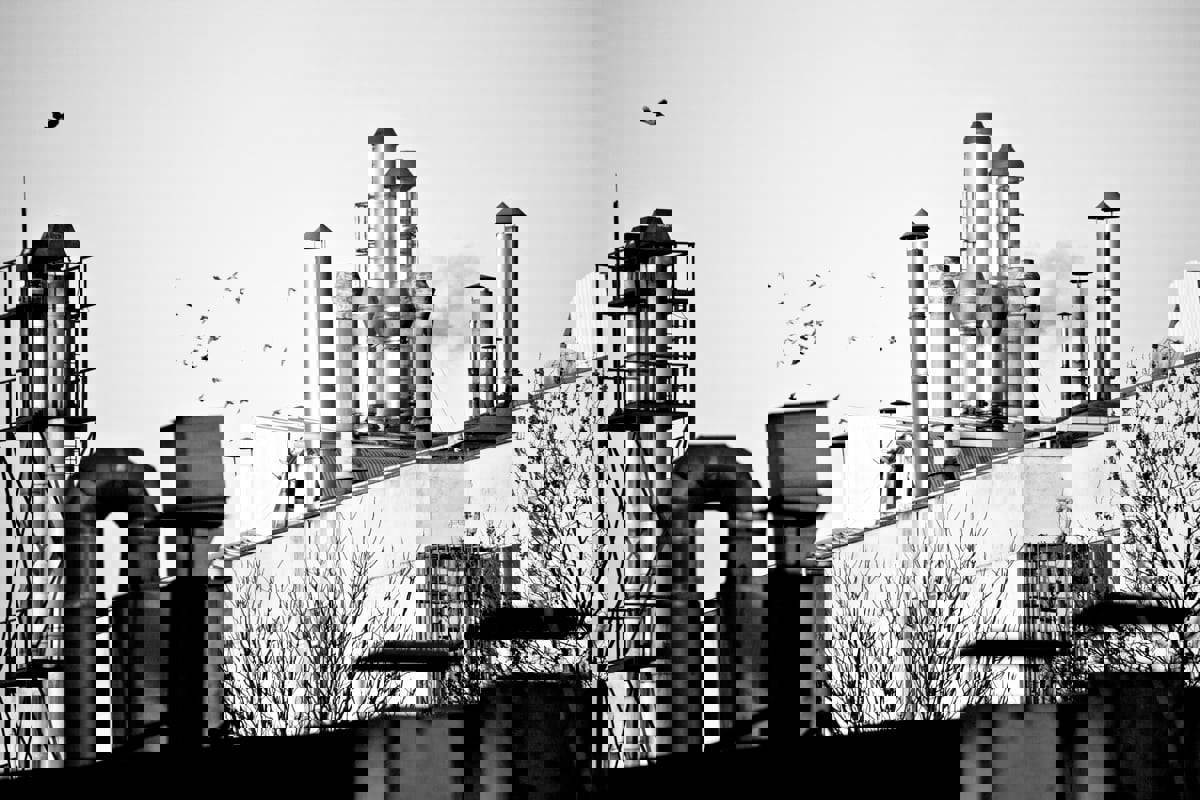
If a city can breathe, it means it is at peace with its past. Chimneys are the most visible, yet also the most forgotten symbols of this breath. Today, with contemporary issues like energy production, the climate crisis, and artificial intelligence, new meanings are being attached to concepts such as “heat” and “consumption.” To me, the chimney remains a metaphor of that old energy: a presence that both breathes and pollutes. The photographs in the exhibition try to hold this duality, the sustaining and the destructive, within the same frame.
How do you think the silence that chimneys carry today enters into a dialogue with the development ideals of the past?
That silence actually reminds me of a very noisy past. From the first industrial initiatives of the Republic to the private sector, chimneys were always vertical symbols of “progress.” Today, the same chimneys represent abandonment more than production. That’s why their silence makes me feel both pride and sorrow. It’s a silence in which the hopes of an era are frozen in stone structures.
In your photos, chimneys appear placed into the void of the sky. What does that void mean to you?
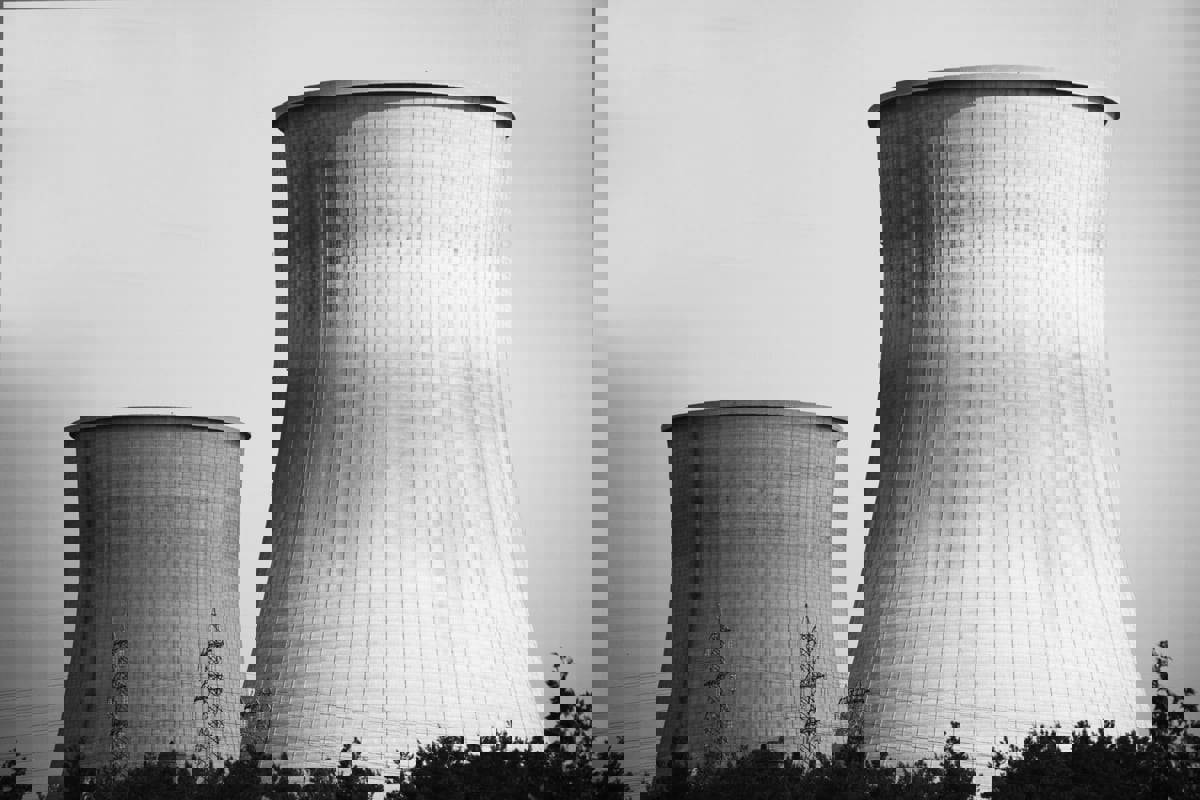
That void is actually a kind of space for silence. When you photograph a chimney against a sky cleared of clouds, nothing remains but its form, its function, its history, even its location, are erased. Then you can engage the viewer only through form. Perhaps that void is the space between memory and forgetting. The place where the unseen breathes.
Starting to notice chimneys
Architect and artist Buşra Tunç wanted to translate the idea of the “view from inside,” which she sensed in my photographs, into the exhibition space. The structure resembling a shell brings the viewer closer to the feeling of being inside a chimney. The photos displayed inside the shell were presented in their original color versions, unlike the printed black-and-white photos, and a connection was established between the mechanical sounds in the videos and the black-and-white photographs on display.
While I looked from the outside with my photographs, Buşra created a form that invites inward. This way, the exhibition became not only a visual experience but a journey of spatial awareness. Photography and space spoke the same language.
In your opinion, which structures remain invisible in the memory of cities, and why are chimneys at the center of this invisibility?
Cities remember structures at eye level. But chimneys are always up high—in a place that is visible but unnoticed. That’s why they live in a kind of “visual blind spot.” For me, this invisibility is precisely the domain of art: forms that remain outside of daily life but exist silently. Perhaps that’s why chimneys represent the unconscious of the city.
Finally, what do you hope a viewer notices about chimneys and the city after visiting the “Unseen Monuments” exhibition?
I would hope that, upon leaving, a viewer raises their head just once. That they no longer see those silhouettes merging with the sky as ordinary structures, but as stories, memories, traces of labor. And maybe, for the first time, they notice a chimney in their own city that they pass by every day. Because to notice is actually the first step to remembering. Tuğçe, thank you very much for this interview.
About Eren İnönü
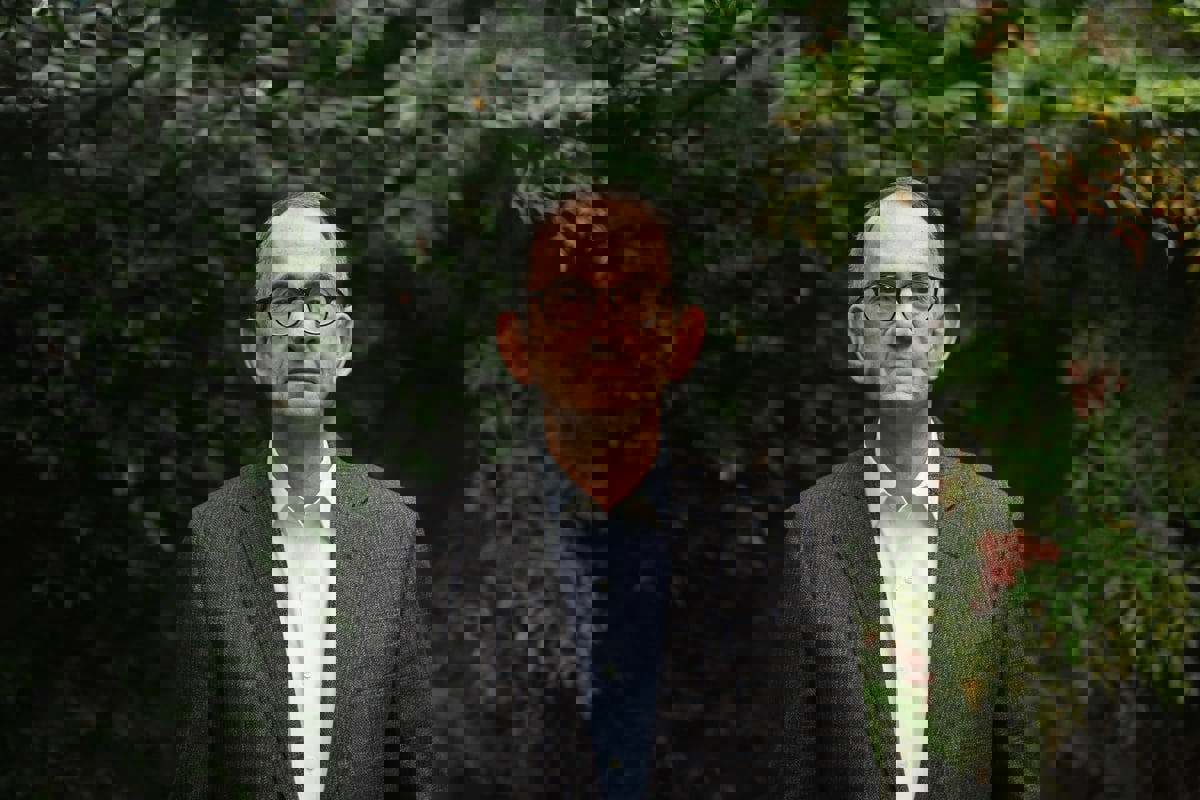
Born in İstanbul in 1956, Eren İnönü graduated from the İstanbul German High School and completed his Industrial Engineering degree at the Karlsruhe Institute of Technology in Germany, followed by an MBA at Columbia University in New York.
From 1983 to 2022, he held senior executive roles at Gökçe Brülör A.Ş. and Maktes Makina Tes. A.Ş.
He is one of the founders of the Natural Gas Industrialists and Businessmen's Association and a member of the 1907 Fenerbahçe Association and the İstanbul Rotary Club. A board member of the İnönü Foundation and the FMV Işık Foundation, the artist has focused intensely on photography over the past ten years, an interest since his youth. He held his first solo exhibition, “Time and Timing,” in 2018.
(TY/VK)
bianet's LGBTI+ news editor. Prepared the special report titled "The Voices of Those Who Lost Their Loved Ones / 1 May 1977 and Impunity." Holds...
bianet's LGBTI+ news editor. Prepared the special report titled "The Voices of Those Who Lost Their Loved Ones / 1 May 1977 and Impunity." Holds a degree in philosophy from the Faculty of Letters at Ege University. Has shared a home with a dog named "Küba" since 2019.

Hak odaklı, çok sesli, bağımsız gazeteciliği güçlendirmek için bianet desteğinizi bekliyor.
other articles
'My identity and labor cannot be robbed': Rights advocates stand by trans teacher Zoe Lila
15 July 2026
Syrian singer Omar Souleyman denied entry to Turkey for concert
14 July 2026
İstanbul trans teacher dismissed after hate campaign: 'I knew this might happen one day'
11 July 2026
Gender codes assigned to resistance bands
22 June 2026

'Pashinyan's election win shows Armenian voters want peace with Turkey'
11 June 2026