



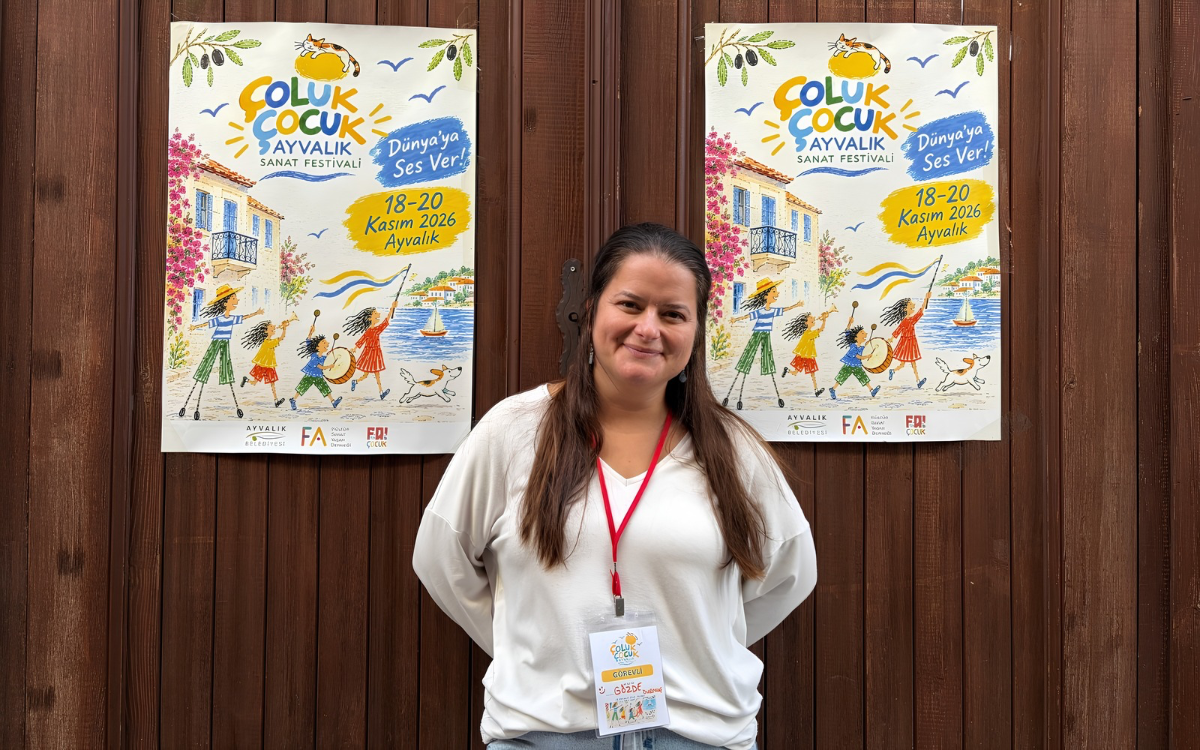


The first Çoluk Çocuk Ayvalık Arts Festival opened on Nov 18 in Ayvalık, a district of Balıkesir in western Turkey, with a large procession despite the rain. Accompanied by a marching band and children's songs, participants walked from Fabrika Ayvalık to the historic Customs Square. The festival continued with theater, music, nature and art activities.
Organized by Ayvalık Municipality, FA! Çocuk and the FA Culture, Arts and Life Association, the festival runs through Nov 20, World Children's Day. Numerous institutions, civil society organizations, artists, performing arts groups, local businesses and volunteers contributed to the event.
Their contributions ranged from organizing activities and workshops to providing venues, materials and financial support. The festival focuses on children's access to arts and culture, opportunities for self-expression, exploration, play and enjoyment.
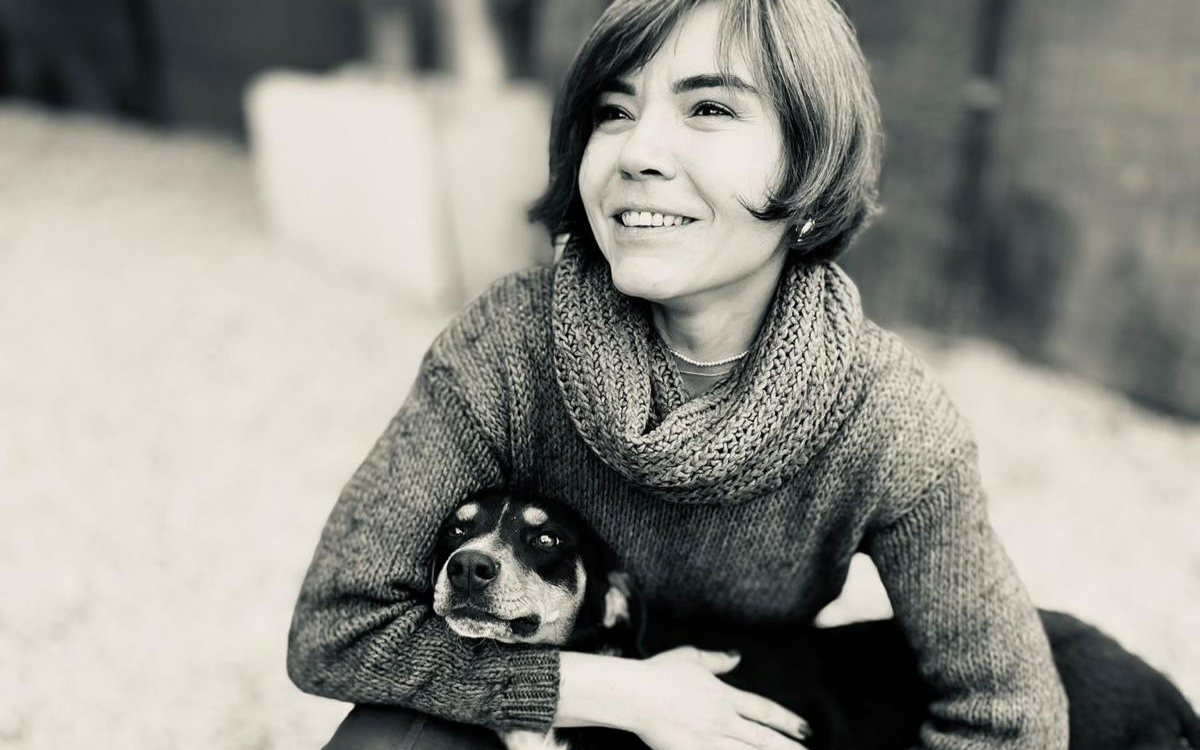
At Fabrika Ayvalık, one of the festival's main venues, we spoke with Gözde Durmuş of the FA Culture, Arts and Life Association, who has worked in children's rights for many years.
After 17 years of working in İstanbul, Durmuş moved to Ayvalık in the summer of 2024. She is also a member of the Ayvalık Children's Studies Community, established in the town.
The FA Culture, Arts and Life Association, founded in February, aims to expand access to arts and culture and bring human rights work together with artistic practice.
The idea for the festival emerged from a desire to create a space where children could meet different artists and performing arts groups during their school break. The break's coincidence with World Children's Day added significance to the preparations.
Held under the theme "Give Voice to the World!" this year, the festival encourages children to express their thoughts, questions and dreams about their city, nature, the environment and the world through art.
"Activities may be free, but transportation still costs money"
According to Durmuş, ensuring children's access to arts and culture involves more than simply offering free activities.
Children living in central Ayvalık have different opportunities from those in outlying neighborhoods, villages and nearby areas such as Altınova, Cunda and Gömeç.
"There are socioeconomic differences and diversity to consider, but there is also the distinction between being in the center and being outside it. From the very beginning, we thought about how to include neighborhoods that might otherwise be left out. Would we need shuttle services? Is transportation a barrier? Because transportation is an issue in itself. You organize free activities, but when transportation is needed, people still have to pay for it."
The organizers therefore worked with the municipality to explore ways of making the festival more accessible to children from surrounding communities.
Durmuş described the presence of children from different socioeconomic backgrounds at the first day's theater performance as a promising start toward the diversity the festival hopes to achieve.
Families from around Ayvalık and even other cities, including Manisa, also attended the activities.
The organizers also hope the festival will contribute to Ayvalık's cultural and artistic life outside the summer season.
Following the film festival in September and the olive harvest festival in October, they want a children's festival in November to become another regular event on the town's cultural calendar.
"We're older, we can paint the younger children's faces"
One encounter Durmuş recalled from the festival's opening day involved a conversation with teenage girls from the Ayvalıkgücü volleyball team.
The girls suggested organizing face painting at next year's festival. When they learned that the activity would require many volunteers, they offered to help.
"We can volunteer. We can paint the children's faces."
For Durmuş, the suggestion was a meaningful example of children wanting to take part not only in festival activities but also in organizing them.
The team also prepared feedback forms to gather children's suggestions for next year's festival.
After the first day's theater performance, children evaluated the event and shared what they wanted to see in the future.
"I'm going to check the 'I was bored' option"
Some children who had to wait during the performance told Durmuş they intended to select the "I was bored" option on the feedback form.
For Durmuş, the encounter illustrated the importance of creating an environment where children feel free to express their opinions.
"When we tell them that nothing will happen if they check that option, that we genuinely want to hear what they think, they respond much more openly. This is closely related to participation. How you create that space, how you approach children with confidence in their potential and how genuinely you try to learn something from them are all very important."
She also emphasized that adults often fail to take children's views seriously.
"When they feel that you genuinely need to hear what they have to say, they become very dedicated and thoughtful, both in expressing their demands and giving their answers. Because adults generally don't engage with them very much. Even when they're asked to choose between options, they rarely know whether their answers actually lead to anything."
"Children are not a homogeneous group"
Another issue Durmuş emphasized was the different needs of children depending on their age.
She said adolescents are often overlooked in cultural and artistic programming.
"I think one of the critical issues in arts and culture is not treating children as a homogeneous group. In children's theater, for example, there are many plays aimed at very young children, but there aren't actually many for teenagers. This was one of the issues we discussed while planning the festival. What kinds of activities should we organize for older age groups? How can we involve them?"
The organizers also established a group of young festival reporters to give older children opportunities to take active roles in the activities.
"How can we create a more participatory and safer festival?"
Durmuş said the organizers plan to evaluate their experiences from the first year, begin preparations earlier next year and increase children's involvement in decision-making.
They want to reconsider various aspects of the festival, from registration procedures and child safety to activity content and artistic production.
Durmuş stressed the need to create spaces where children can become producers of arts and culture rather than merely audiences.
"How can we organize a festival with children that is more participatory, more rights-based, but also safe? I would like us to think about this together. I find it particularly valuable for human rights organizations, civil society and arts and cultural institutions to come together to discuss this, alongside municipalities and their cultural departments."
Durmuş also pointed to the limited opportunities children have outside school to express their own ideas.
She suggested that cultural and artistic institutions collectively examine how they engage with children and how they design and present activities for them.
Building on the partnerships established this year, the organizers hope to collaborate with artists, theater and dance groups, workshop facilitators and civil society organizations from other cities next year.
Durmuş concluded by returning to the role children should play in shaping the festival.
"Next year, we want this to become something that involves the participation, contributions and collaboration of many people, not only from Ayvalık but also from elsewhere. And with children's participation. We would like to increase the extent to which children are involved in the process compared with this year."