












bianet'in özel bildirimlerine izin vererek önemli gelişmelerden haberdar olabilirsiniz.
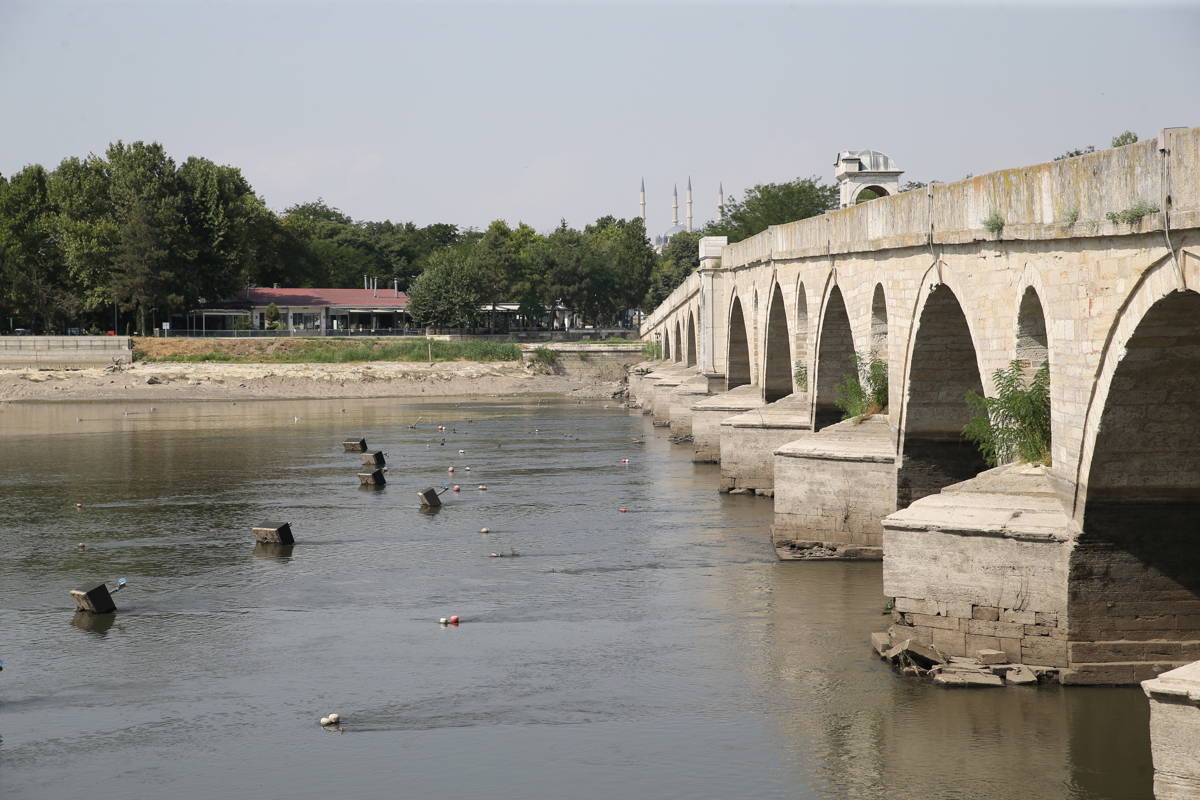
Water levels in Maritsa River drop, revealing pillars of historical bridge
The river's flow has fallen to just 37 cubic meters per second according to authorities.

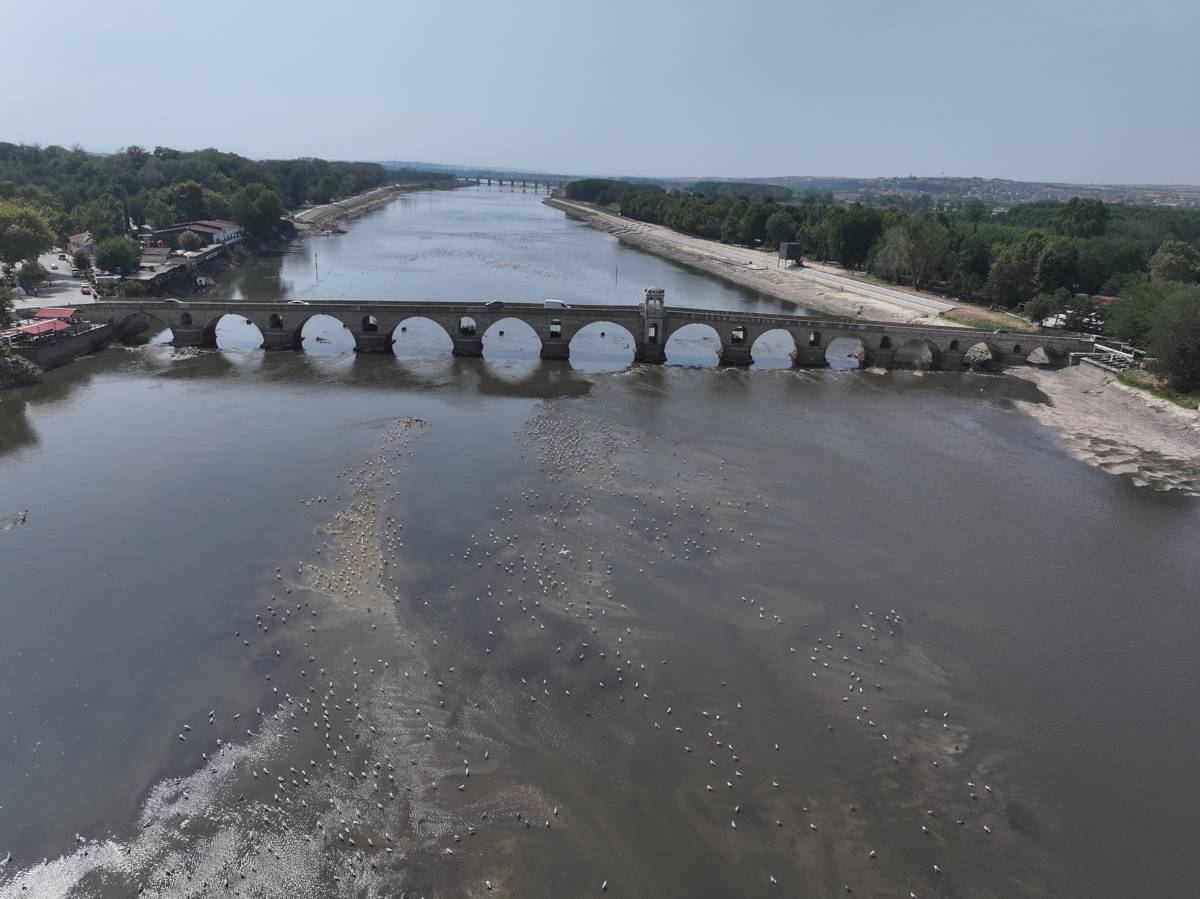


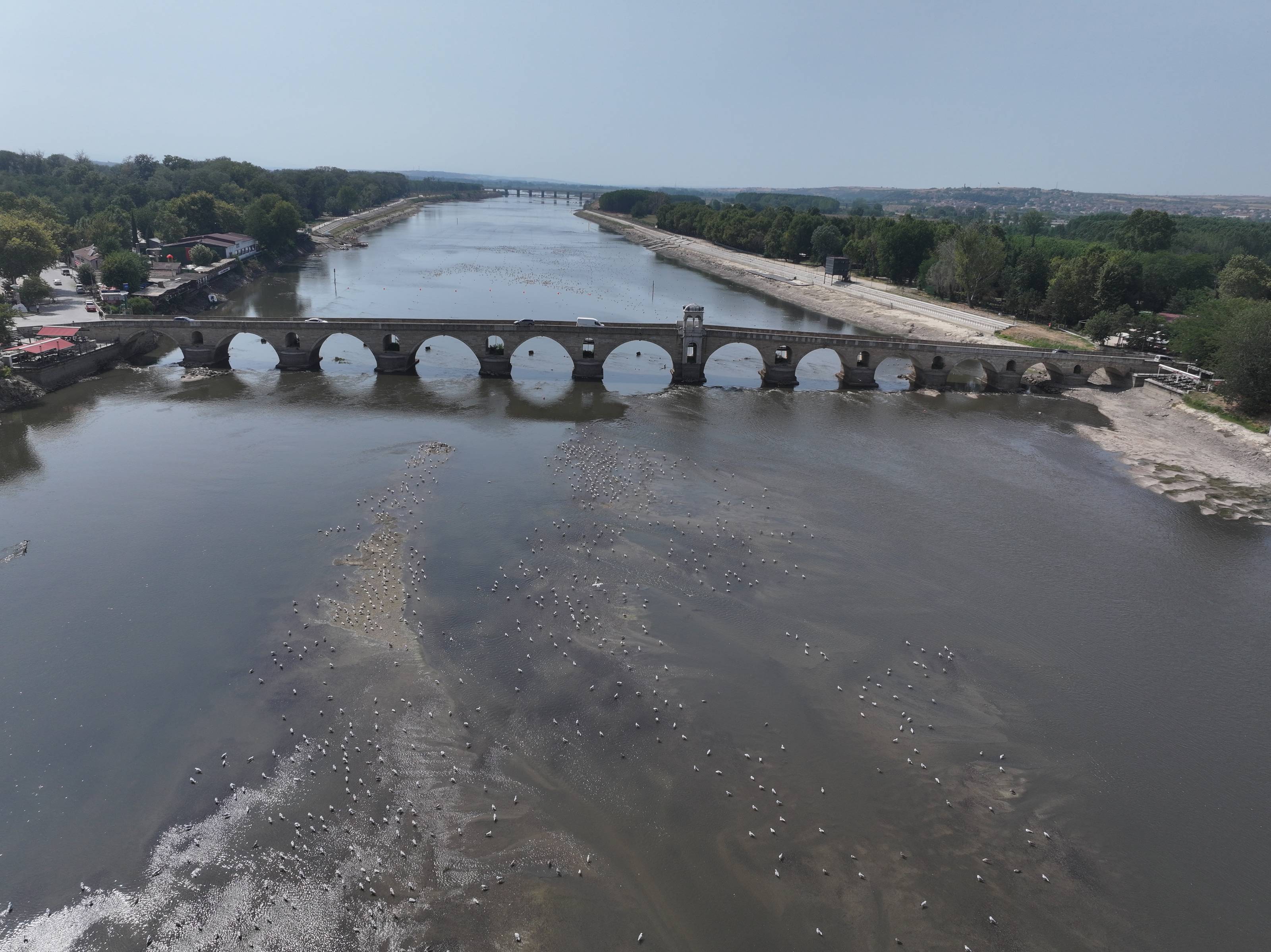
A significant drop in water levels has been recorded in the Maritsa River in the northwestern province of Edirne, driven by extreme heat and increased evaporation.
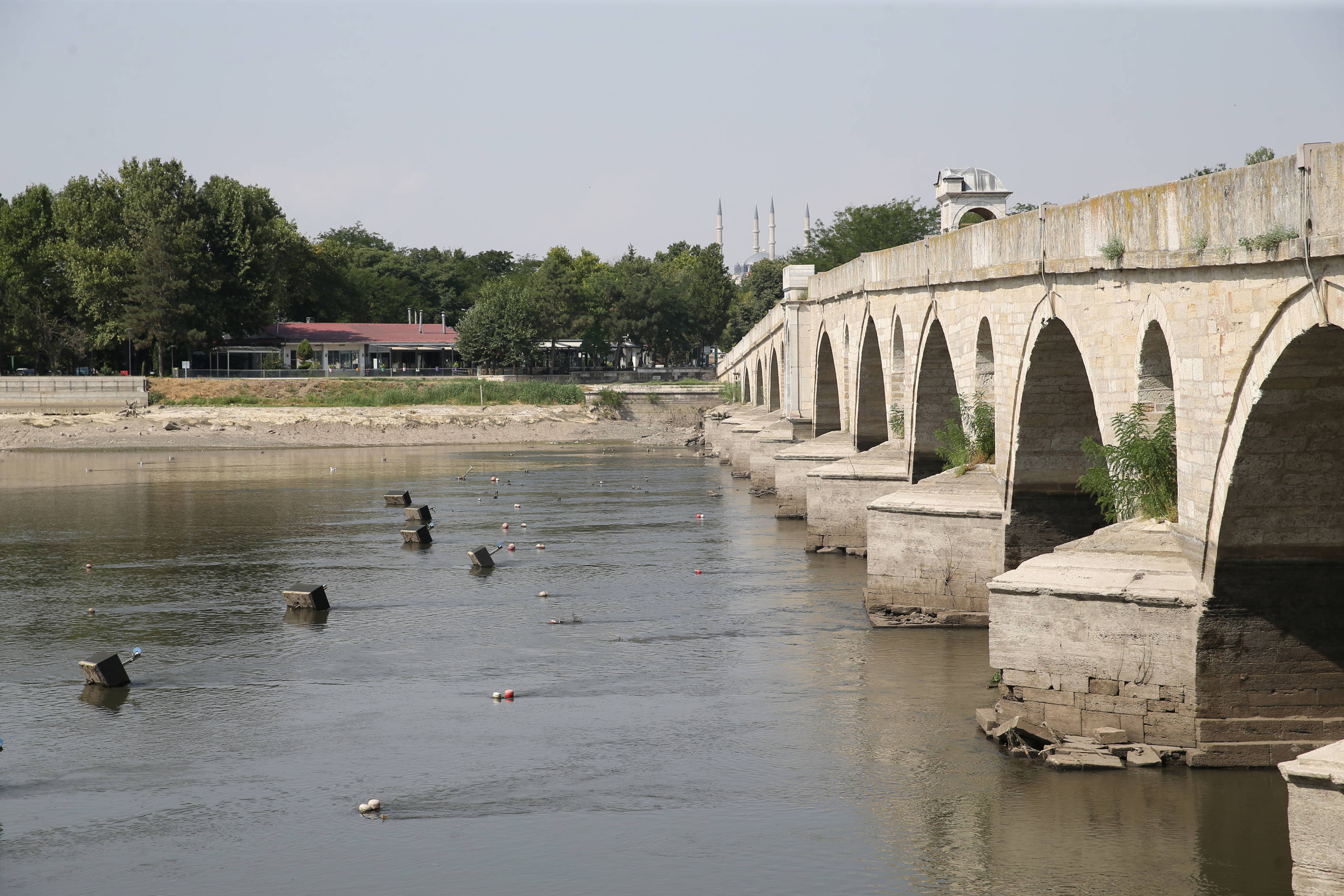
The receding waters have exposed the stone supports of a centuries-old wooden bridge that had long remained hidden beneath the riverbed, according to Anadolu Agency (AA) reporting.
Data from the State Hydraulic Works (DSİ) show that the river’s flow at the Kirişhane Station has fallen to just 37 cubic meters per second.
Maritsa, known as Meriç in Turkish, forms a natural border between Turkey and Greece.
Historic sites resurface as drought worsens
The sight of submerged historical structures emerging due to falling water levels has become increasingly common in Turkey, highlighting the country’s growing vulnerability to climate change.
Previously, in Lake Van, the receding shoreline revealed a causeway leading to Çarpanak Island—home to the ancient Ktouts Monastery and thousands of years-old microbialites.
In 2022, further retreat of the lake unveiled an 11-step harbor on the Erciş coast, identified by experts as a facility used by the Urartians for maritime transport.
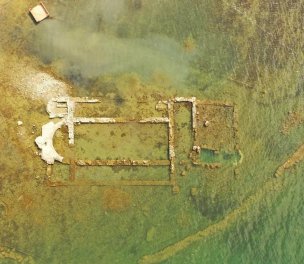
A similar phenomenon occurred in the İznik district of Bursa, where ongoing underwater excavations around the Basilica in Lake İznik have brought to light Christian burial grounds and parts of the church, following a significant drop in water levels.
Also in 2022, much of the basilica, believed to have been built around 1,500 years ago in honor of Saint Neophytos, became visible above the water’s surface. Plans are underway to convert the site into an underwater archaeology museum. As the structure reconnected with the shore, an ancient breakwater believed to be part of a historical harbor was also revealed.
(TY/VK)
related news
Hak odaklı, çok sesli, bağımsız gazeteciliği güçlendirmek için bianet desteğinizi bekliyor.