










As US and Israeli attacks on Iran entered their fourth day, Van, a province of 1.1 million people near the Iranian border in eastern Turkey, is already feeling the impact of the war in daily life and the local economy.
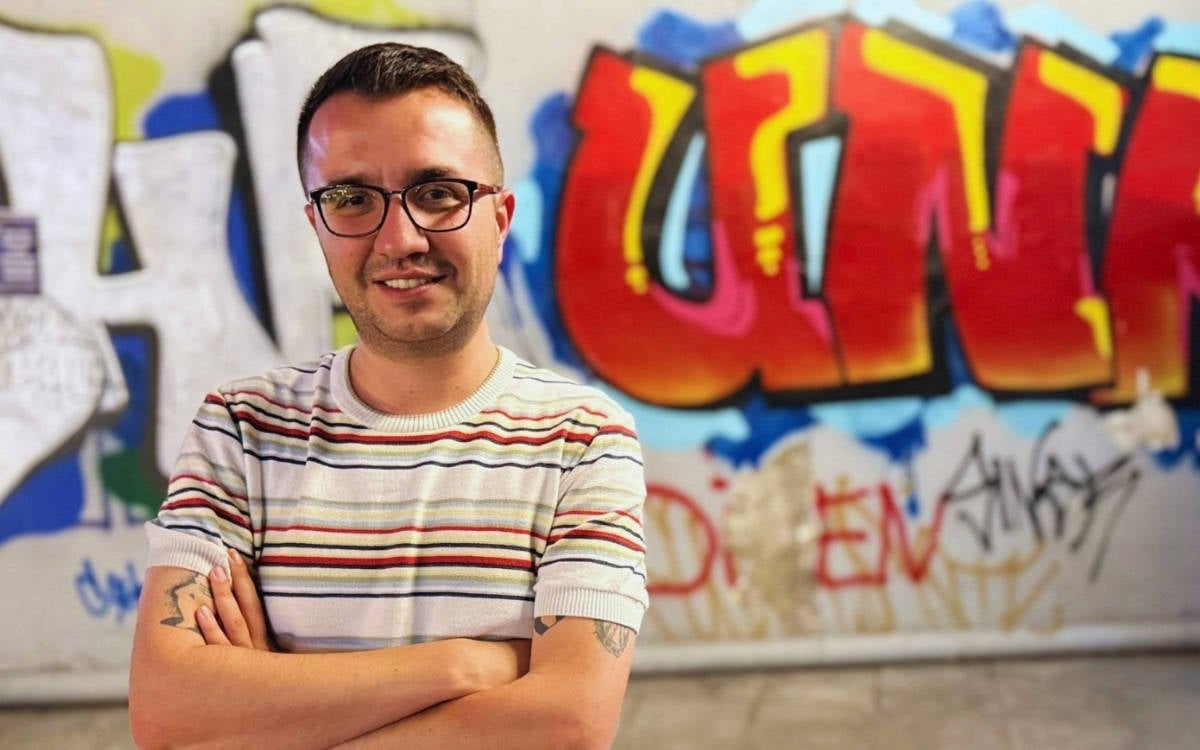
Local journalist Ruşen Takva told bianet how the war in Iran is affecting the city, drawing on insights from locals, hotel owners and rural villagers, as well as the local chamber of commerce.
Tourism plummets
"Around 70 percent of Van’s market relies on Iran," says Takva, noting that the province shares a 295-kilometer border with the country.
Tourism was hit the hardest. Hotel operators Takva spoke to said occupancy rates, which would typically stand at 90–95% during this time of year, have now plummeted to just 5%.
Noting that the Newroz holiday period normally boosts tourism, Takva says the picture this year is completely different with Newroz-related visits and bookings in March were “almost entirely canceled.”
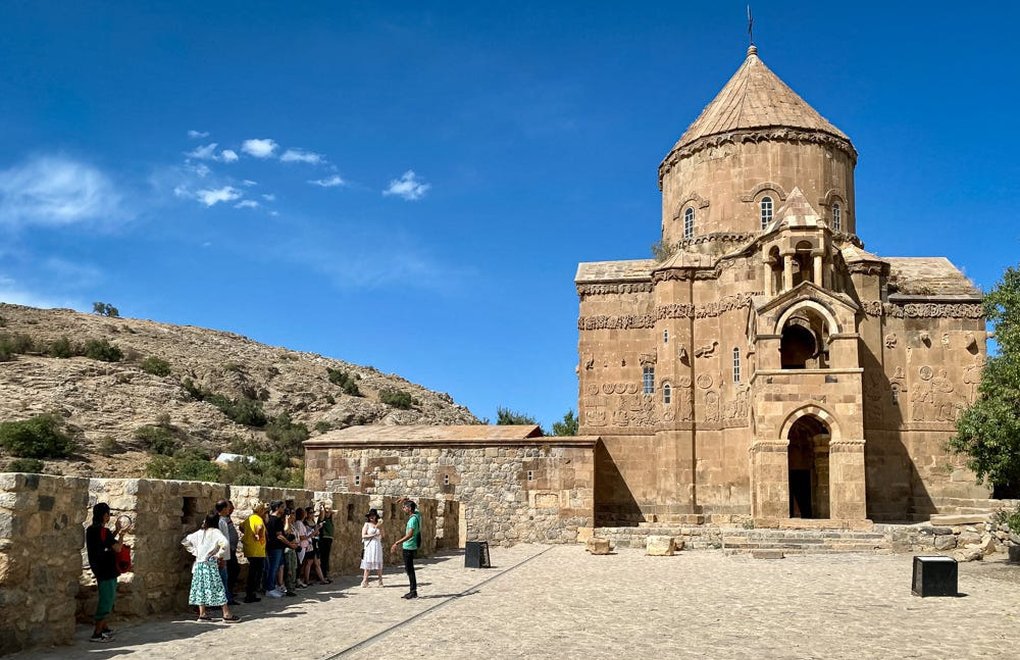
Van has long been a favorite destination for Iranians for shopping, sightseeing, and local cuisine, as well as for its nightlife, which offers freedoms they cannot find in Iran.
Paradise across the border: Tourists from Iran fuel Van’s economy
‘500 million dollars was expected'
The extent of the economic fallout is clearer in data from the local chamber of commerce.
Some 770,000 Iranian tourists visited Van in 2025, according to the figures. The target for this year was 1 million.
However, tensions before the begining of the conflict already derailed that goal in the first two months of the year.
Takva notes that with an average spending of around 500 dollars per tourist, the revenue at risk could be 500 million dollars.
"These numbers represent the clearest social and economic impact in the short to medium term," he says.
Fuel prices in Turkey set for sharp increase amid closure of Hormuz strait
Anticipating migration
The Iran border is also under international scrutiny, with attention focused on border gates and smuggling routes to determine whether a new wave of migration might begin.
So far, however, such movement has not been observed on the ground. Takva's impression is that Iranians have not yet entered into a “war mindset”:
“They are not leaving the country. Those who had planned to come for tourism or vacations appear to have simply postponed their trips. As a result, official crossings are proceeding far below normal levels.”
De facto restrictions on exit from Iran
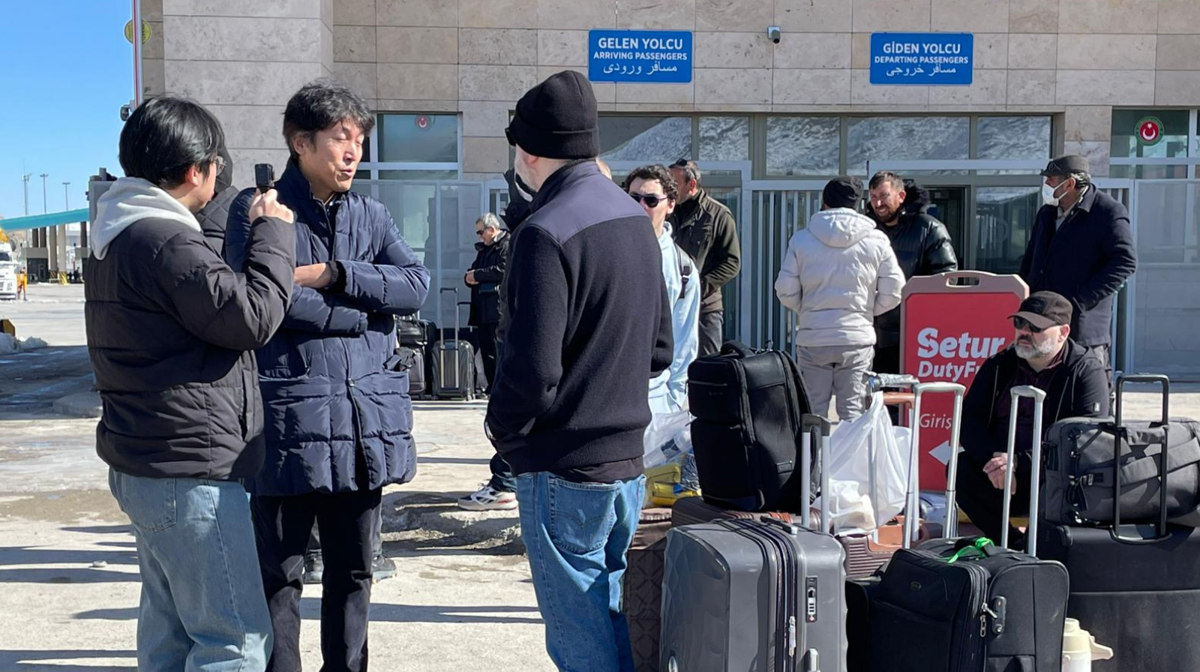
Takva said on the second day of the conflict, Iranian authorities effectively stopped their citizens from crossing into Turkey, even though no official order was declared.
Authorities reportedly cited “loss of connection” and “passport system failure” as reasons. During this time, only Turkish citizens, dual nationals, and citizens of third countries were allowed to pass with procedures done manually, with handwritten signatures.
By the third day, Takva says these bureaucratic obstacles were removed and arrivals resumed without issue.
However, he notes that “entry into Iran is currently banned,” meaning only Iranian citizens are being allowed to return, while nationals of other countries are being denied entry.
Political leaders in Turkey oppose US, Israeli war on Iran
‘The war is only kilometers from Van’
Just as striking as the economic toll is the growing sense of fear. The people of the Kurdish-populated region know the realities of war very well because "Kurds have had many experiences with war,” says Takva.
People living near the border in Van and Hakkari are especially worried because they “hear the war and the sounds of bombs almost every night," according to Takva.
There have even been reports of visible rocket marks in some villages, with images starting to circulate on social media.
In Takva’s words: “The war may be happening in Iran, but it’s just 30 kilometers from Van. This proximity is having a serious psychological effect on the local population.” (NÖ/VK)