



University graduates in Turkey face unemployment, low wages, and uncertainty after completing their studies, often without the chance to work in their chosen profession.
Some are forced to leave their field altogether, while others, even when they find jobs, are confined to insecure and poorly paid positions. The practice of excluding young people from the labor market on the grounds of “lack of experience” has also become entrenched.
‘Media sector pushed me to leave my profession’
One year after graduating from Giresun University’s Journalism Department, Deniz Çam said, “I imagined starting a job where I could work in my profession and make a living. But the media sector pushed me to leave my profession.”
She applied to more than 10 media outlets but said she received no response from most of them.
Sibel Sevindik, who graduated from the same university, has been unemployed for a year. She said she applied to more than 50 jobs but was rejected in most cases because of the experience requirement.
“Job postings demand three to five years of experience. It’s impossible for a new graduate to meet that requirement,” she said, stressing the psychological and financial toll of being unable to find work.
What do the numbers say?
According to the Turkish Statistical Institute’s (TurkStat) Jun 2025 labor force data, unemployment among people aged 15–24 stands at 16.2%. The rate is 12.3% for men and rises to 23.7% for women, meaning 949,000 young people are unemployed, including 370,000 men and 579,000 women.
According to the broad definition of unemployment, which includes individuals who want to work but don't actively seeking jobs and time-related underemployment, more than 1.9 million young people are unemployed, including 847,000 men and 1,090,000 women, according to calculations by the Confederation of Progressive Trade Unions Research Center (DİSK-AR) based on TurkStat data.
While narrow unemployment covers only those actively seeking work in the past four weeks and able to start within two weeks, the broad definition also includes the underemployed working part-time but seeking full-time work, as well as potential workers who have stopped looking for jobs but remain available to work.
Cheap labor
Speaking to bianet, the two unemployed graduates called for expanding public employment projects, broadening support programs for graduates, easing experience requirements, regulating private sector wage policies, and adopting more inclusive and fair policies to address the country’s problems.
Kocaeli University faculty member Prof. Aziz Çelik said the practice of excluding young people over “lack of experience” is senseless. “Of course young people will start their first jobs without experience,” he said, adding that unemployment pressures push them either toward internships or to the point of saying “I’ll take any job.”
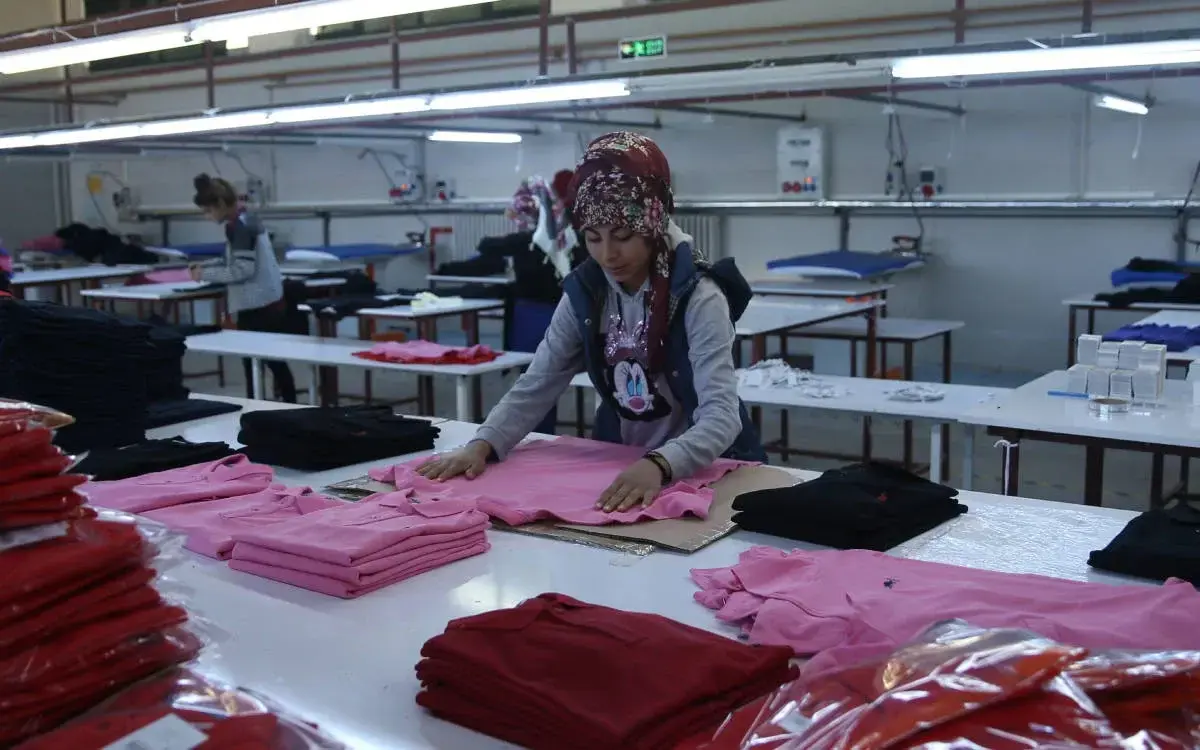
However, he noted, many internships have turned into a search for cheap labor rather than learning opportunities. He said most university graduates cannot find work in their field, which leads to a waste of social resources, and that low-paid, insecure jobs have become the norm.
“Most young people face offers even below the minimum wage,” he said. In his view, this is not only labor exploitation but also “a clear sign of savage capitalism.”
YOUTH AND SPORTS DAY
Turkey has the highest NEET rate among OECD countries
He warned that there are “unseen dimensions” to youth unemployment, particularly for young people “not in education, employment, or training (NEET),” describing it as a serious social risk. “This is not only an economic issue but also one of deep social exclusion, hopelessness, and poverty,” he said.
For solutions, Çelik called for expanding the public sector’s capacity to create jobs, restructuring education, reducing working hours, and providing stronger incentives for youth employment. He also highlighted the pressure from retirees seeking work because they cannot make ends meet: “Sixty-five percent of retirees are back in the labor market. This narrows opportunities for young people.”
“Young people need to come together in unions and platforms to fight for their rights collectively. This is the most important step toward change,” said the professor.
The names of the graduates have been changed at their request.