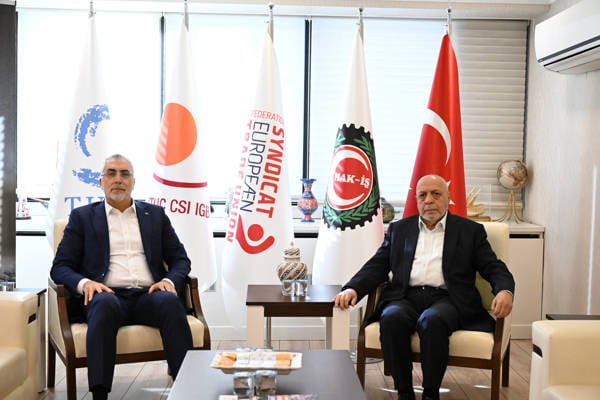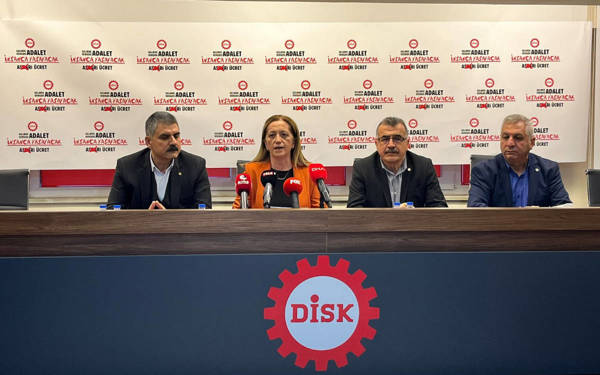





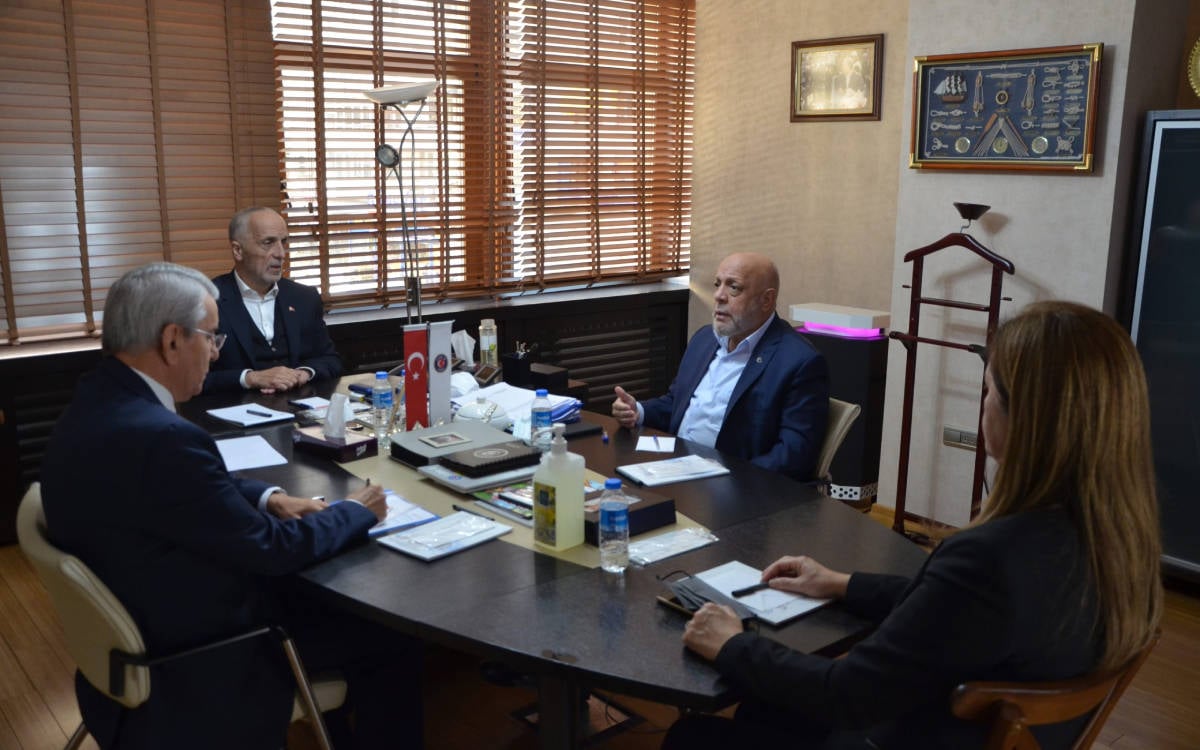



Two of Turkey’s largest labor confederations, Hak-İş and DİSK, will not take part in negotiations to determine the 2026 minimum wage, Hak-İş President Mahmut Arslan announced yesterday.
Arslan reiterated long-standing objections to the structure of the Minimum Wage Determination Commission, arguing that the current system works against workers’ interests.
He pointed out that the commission largely operates under government influence and is shaped by Turkish Statistical Institute (TurkStat) data.
“In fact, governments should not even be part of this process,” Arslan said. “Since the number of minimum wage workers in the public sector is negligible, determining the minimum wage concerns the private sector."
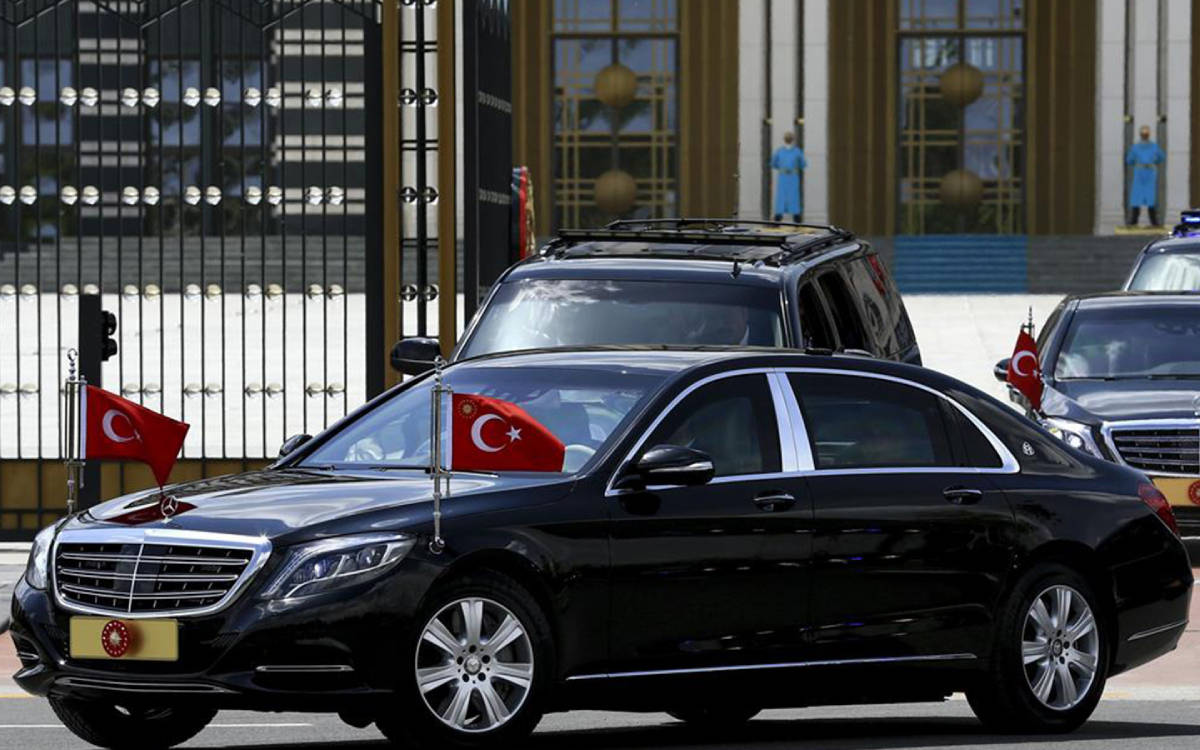
'Presidency spends 72 minimum wages every hour'
Exemplifying Germany, where unions and employers negotiate directly, he said, “The government is not there. Only an arbitrator selected by the parties is present. The arbitrator carries out a public duty. If the parties reach an agreement, there is no need for an arbitrator.”
"Why is the government involved in this at all? The blame or credit for wage levels should not fall on the president or the government," said Arslan. "Let workers and employers negotiate directly and determine the figure themselves.”
Arslan noted that Türk-İş, the largest labor confederation in Turkey, will also not join the process. “We recently met with Türk-İş again, and they confirmed their decision. I also told them we will not participate. This will create chaos that harms both workers and the government.
"Then the TİSK [Employers’ Confederation] will sit down with the government to set the wage. With no alternatives left, the figure presented will reflect TİSK’s preferences. This would be a major loss for workers and a heavy responsibility for the government.”

Poverty line nearly 4 times the minimum wage in June
How the minimum wage is determined
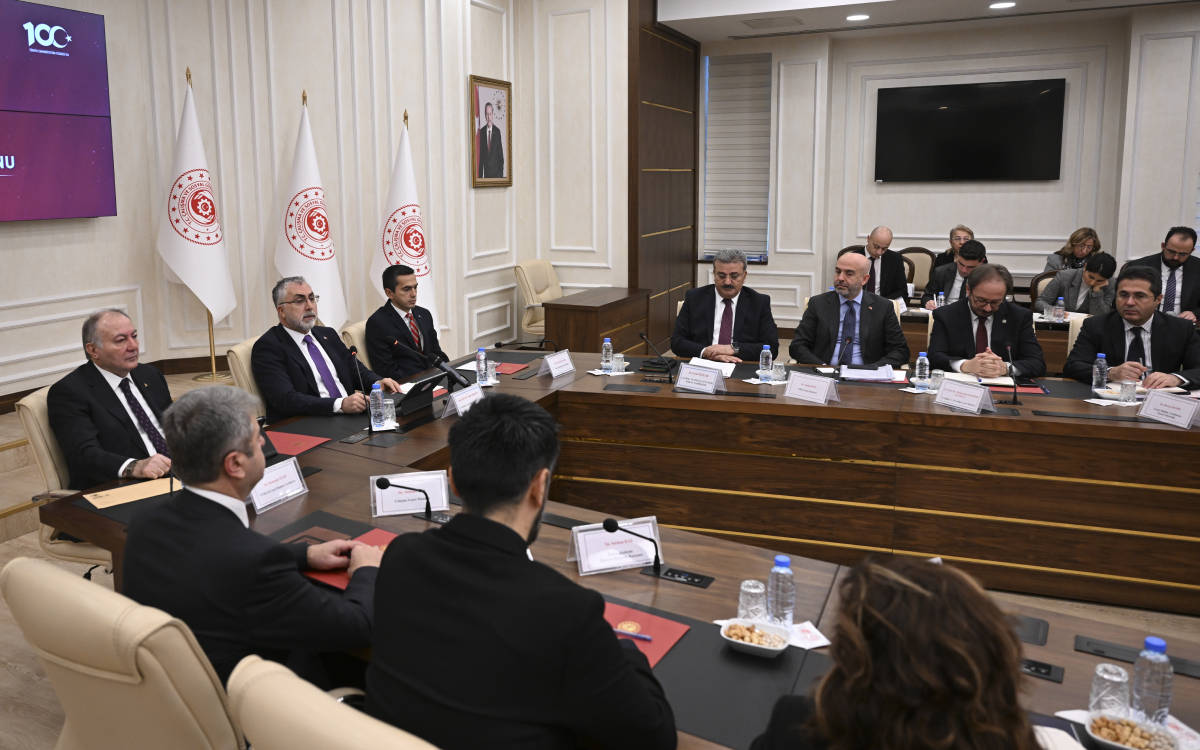
By law, the Minimum Wage Determination Commission sets the wage. The body is composed of 15 members: five appointed by the government, five from the Turkish Confederation of Employer Associations (TİSK), and five representing workers, traditionally from Türk-İş, the country’s largest confederation.
The commission meets with at least 10 members present and decides by majority vote. In the event of a tie, the side of the chairperson is considered the majority.
The process typically begins with a first meeting hosted by the ministry. This is followed by two rounds chaired alternately by the workers’ and employers’ sides. The fourth and final session is again held at the ministry.
(HA/VK)