









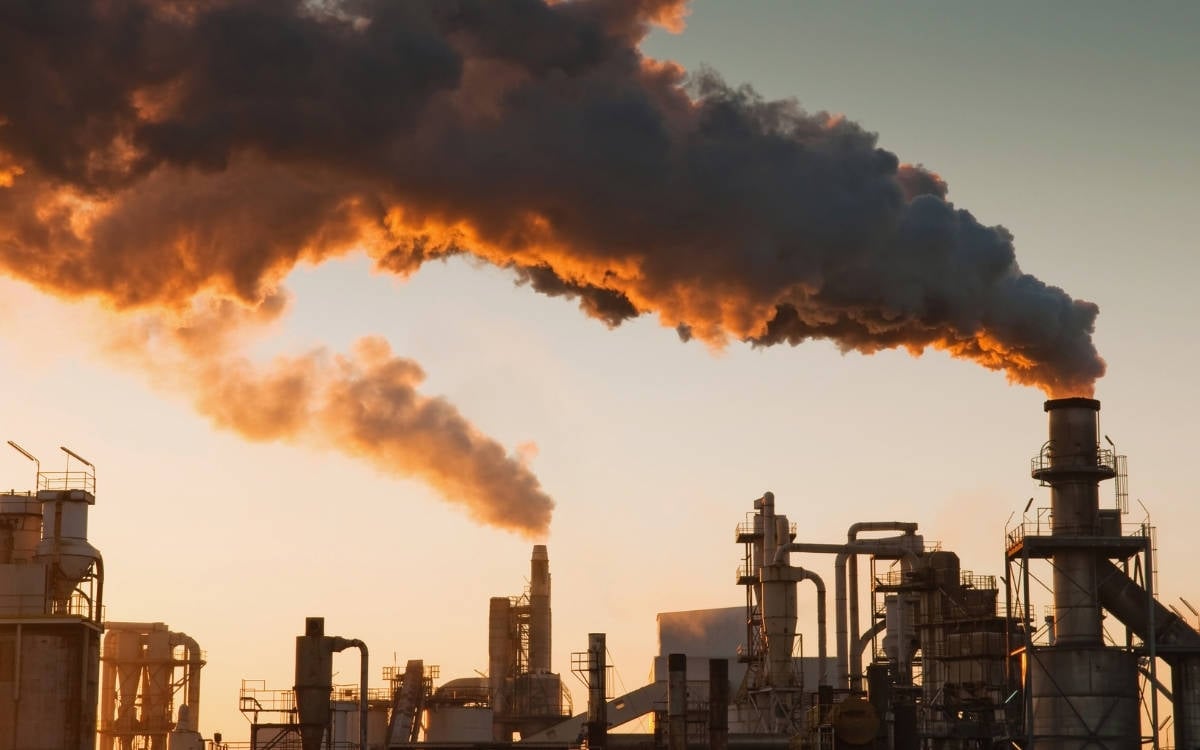



A new United Nations report has raised concerns over Turkey’s air pollution levels, highlighting that the country’s legally allowed pollution thresholds remain far above World Health Organization (WHO) health-based guidelines.
Published on Mar 6 by the UN Human Rights Council’s Special Rapporteur on the right to a clean, healthy and sustainable environment, Astrid Puentes Riaño, the report outlines urgent steps needed to secure cleaner air and safeguard public health.
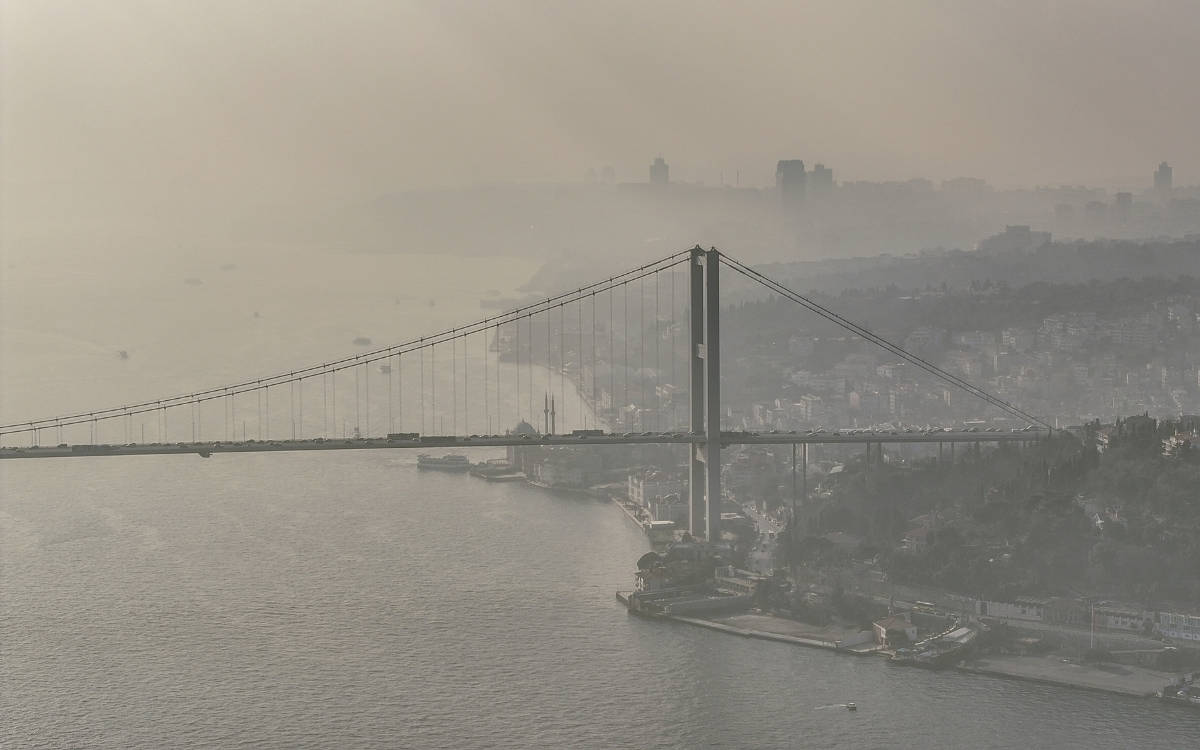
İstanbul grapples with high air pollution levels
In its section about Turkey, the report notes that the country ranks among the most polluted countries in terms of sulfur dioxide emissions, which are primarily caused by coal-based energy and industrial facilities.
These emissions are heavily concentrated in regions where coal use is prevalent, according to the report.
Lack of transparency
Another major issue is the lack of transparency in public data related to air pollution.
Turkey does not publicly share information about pollutant measurement points, variations in air quality between residential areas, or socioeconomic indicators that highlight inequalities in exposure to pollution, the report notes.
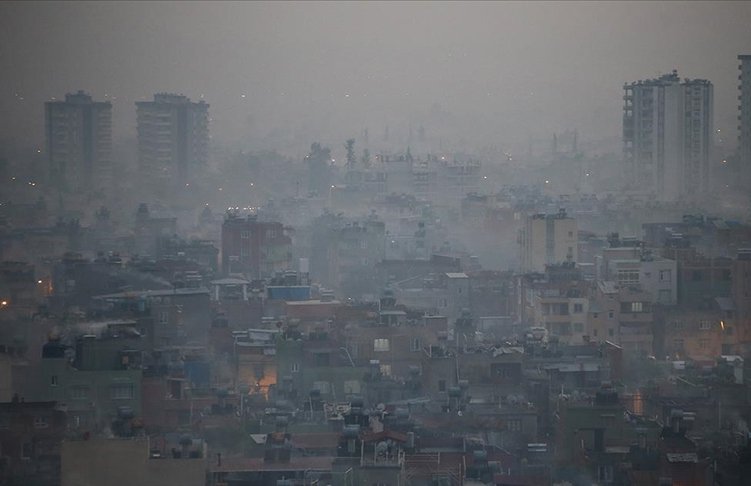
'Turkey should comply with WHO's new air quality limit values'
'Crisis level'
Commenting on the report, Prof. Dr. Çiğdem Çağlayan, a public health expert speaking on behalf of the Turkish Health and Climate Platform (THHP), said, “The UN Rapporteur’s findings for Turkey align with the assessments of our platform. Air pollution in our country is at a crisis level.”
She added that more than 62,000 premature deaths occurred in Turkey in 2024 due to fine particulate matter (PM2.5) pollution.
“The economic cost of air pollution is estimated at approximately 138 billion US dollars per year, which corresponds to around 10 percent of Turkey’s annual gross domestic product,” she said.
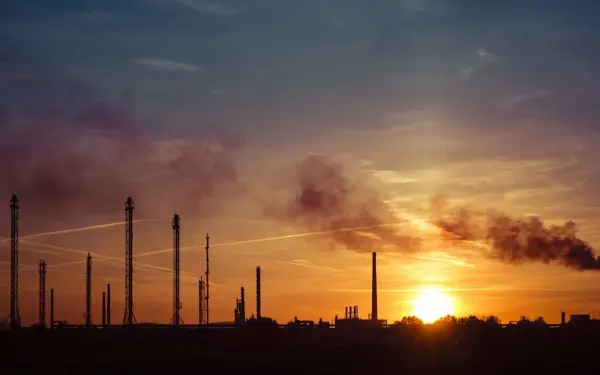
Çorlu residents demand action amid persistent industrial odors
(TY/VK)

