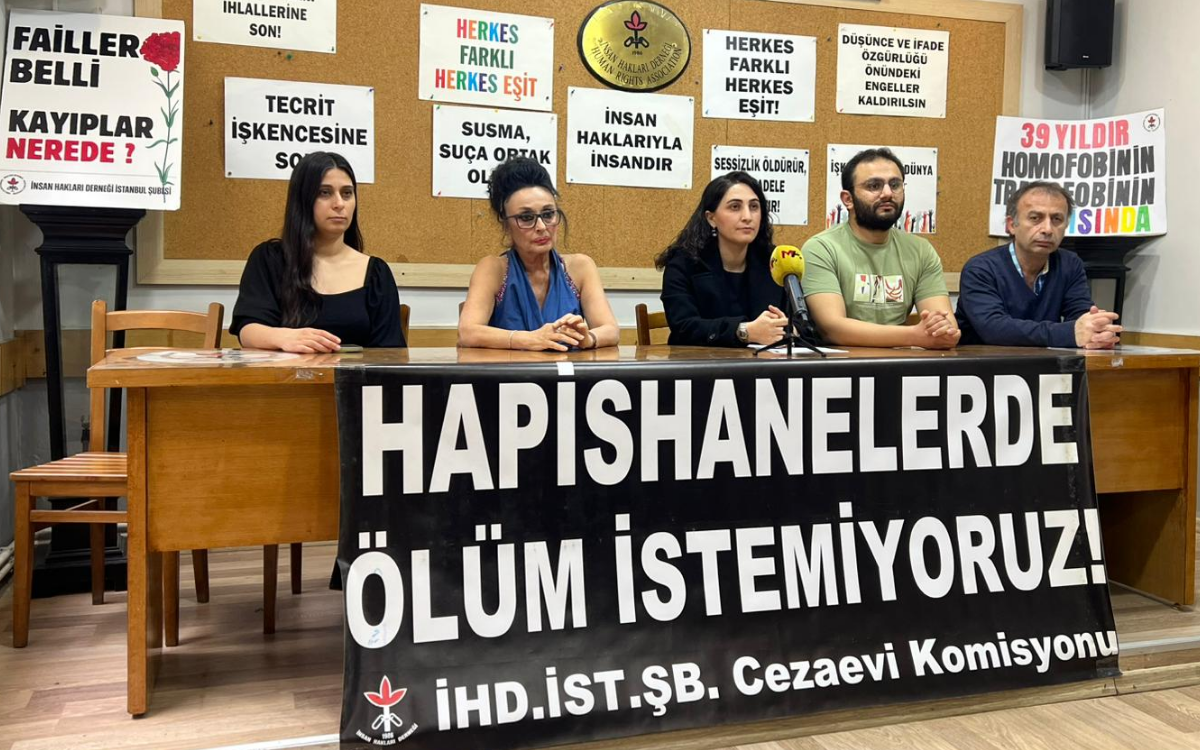

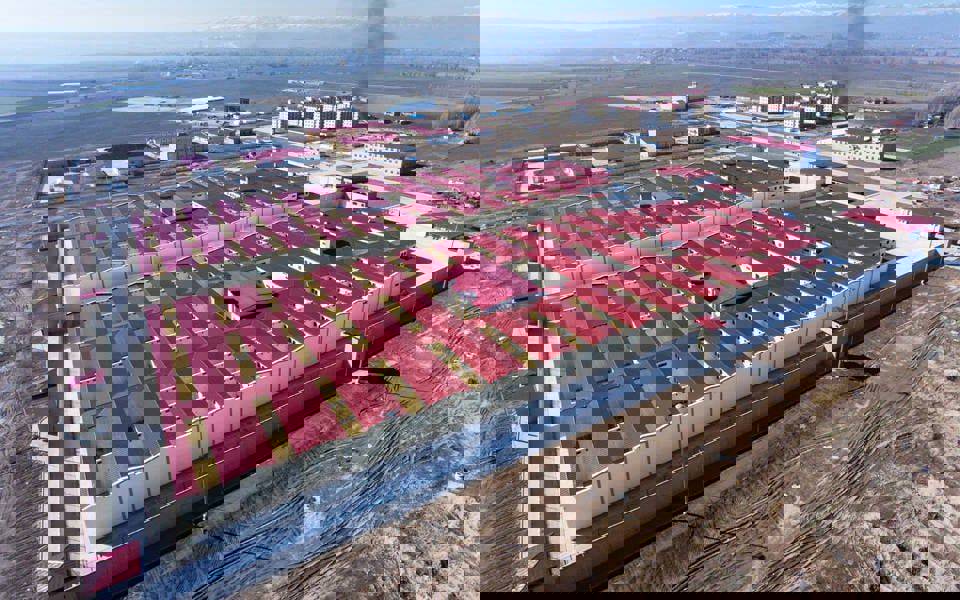



Two prisoners held in high-security facilities have reached a critical stage in their months-long hunger strike protesting the country’s controversial “well-type” prisons.
Serkan Onur Yılmaz has been on strike for 355 days and Fikret Akar for 214 days.
The İstanbul branch of the Progressive Lawyers Association (ÇHD) released a statement yesterday detailing the deteriorating health of the two inmates. Accordingly, Serkan Onur Yılmaz is no longer able to walk and now uses a wheelchair to attend lawyer visits. He suffers from increasing numbness in his hands and feet due to nerve damage and is experiencing worsening shortness of breath. “He frequently feels stabbing chest pains, has unhealed wounds on his limbs, and suffers from insomnia,” the group said.
Fikret Akar is also showing signs of severe decline, with worsening numbness in his extremities, significant reductions in fluid and sugar intake since day 190, and the onset of tinnitus and ear blockages. The statement also noted fatigue, sleep disturbances, and muscle cramps.
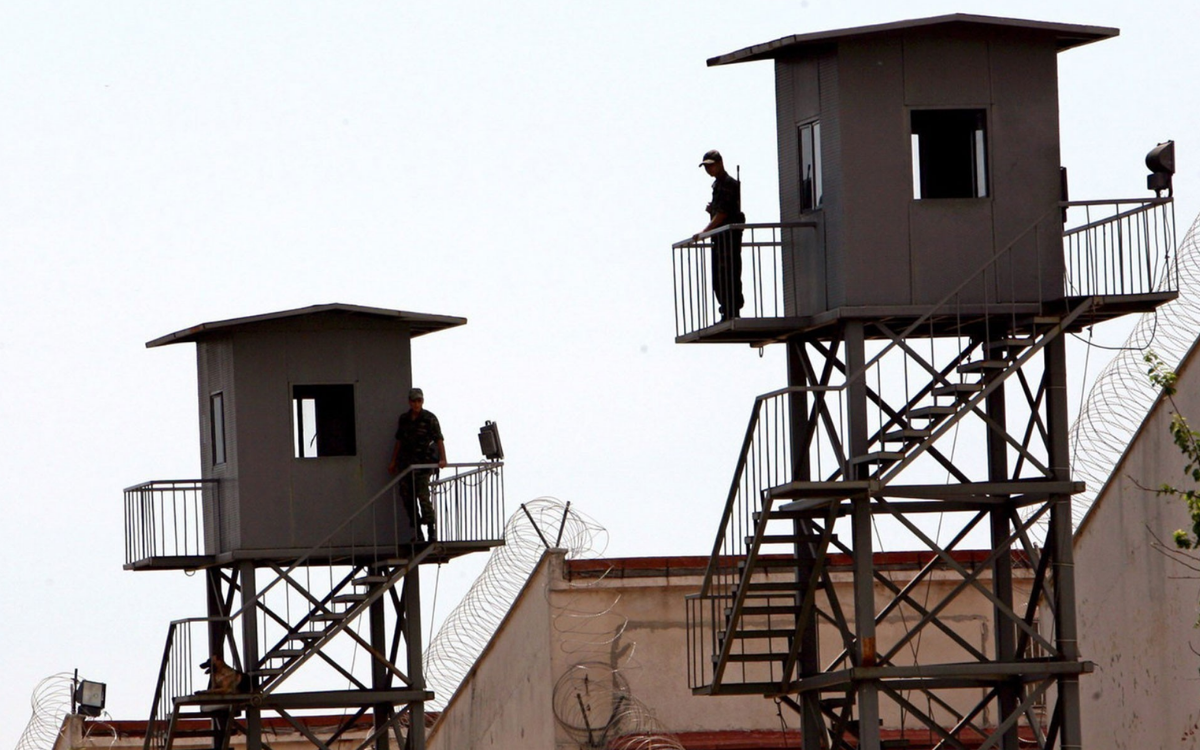
The prisoners are among 15 protesting extreme isolation conditions in the Y- and S-type prisons, the newer type of high-security facilities introduced by the Justice Ministry in 2021. Due to their highly restrictive environments, prisoners and rights advocates refer to them as “well-type prisons.”
Turkey’s new ‘high-security’ prisons raise ‘social isolation’ concerns
Claims of forced medical interventions
Vedat Doğan, a former inmate participated in the hunger strike before his release, spoke to bianet about hunger strikers and conditions in prisons.
“These inhumane conditions have only come to light because of the hunger strikes,” Doğan said. “Fifteen people are resisting these conditions today. Their demand is simple: to be transferred to other prisons. Under aggravated life sentences, they can’t be held under such circumstances.”
He claimed that previous resistance methods failed to produce results, prompting inmates to begin hunger strikes as a last resort. “Even though they are at the brink of death, no one is listening,” he said.
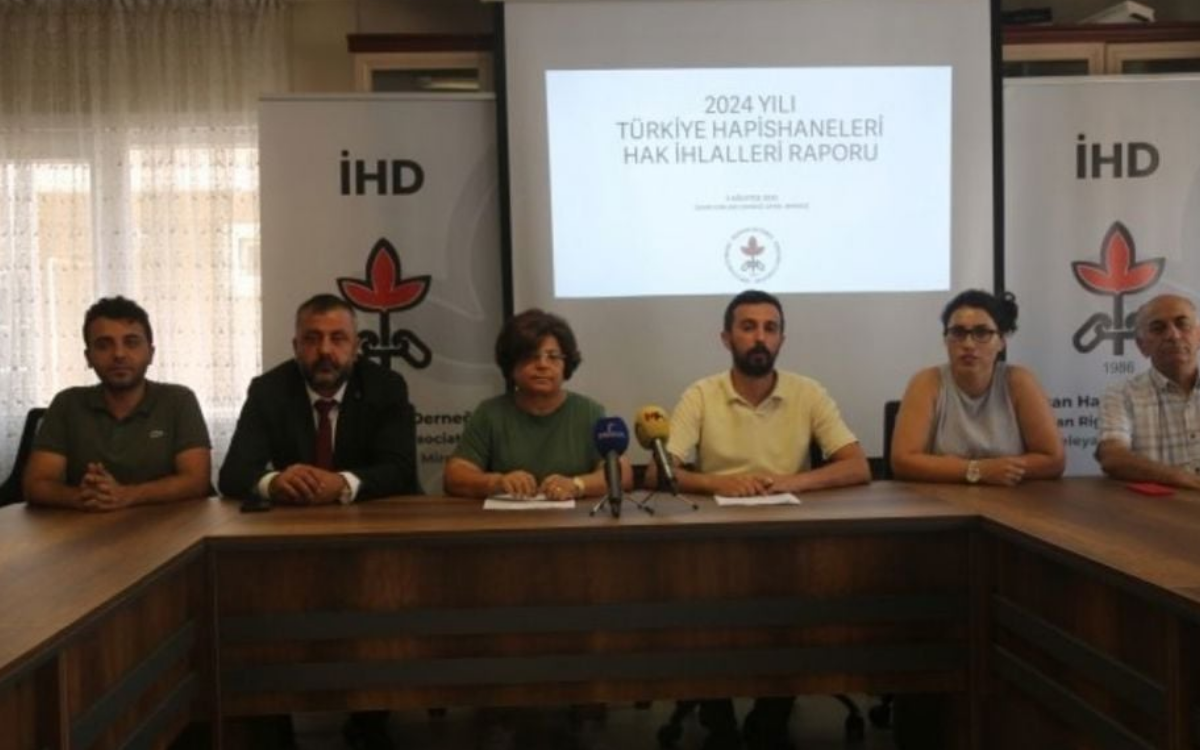
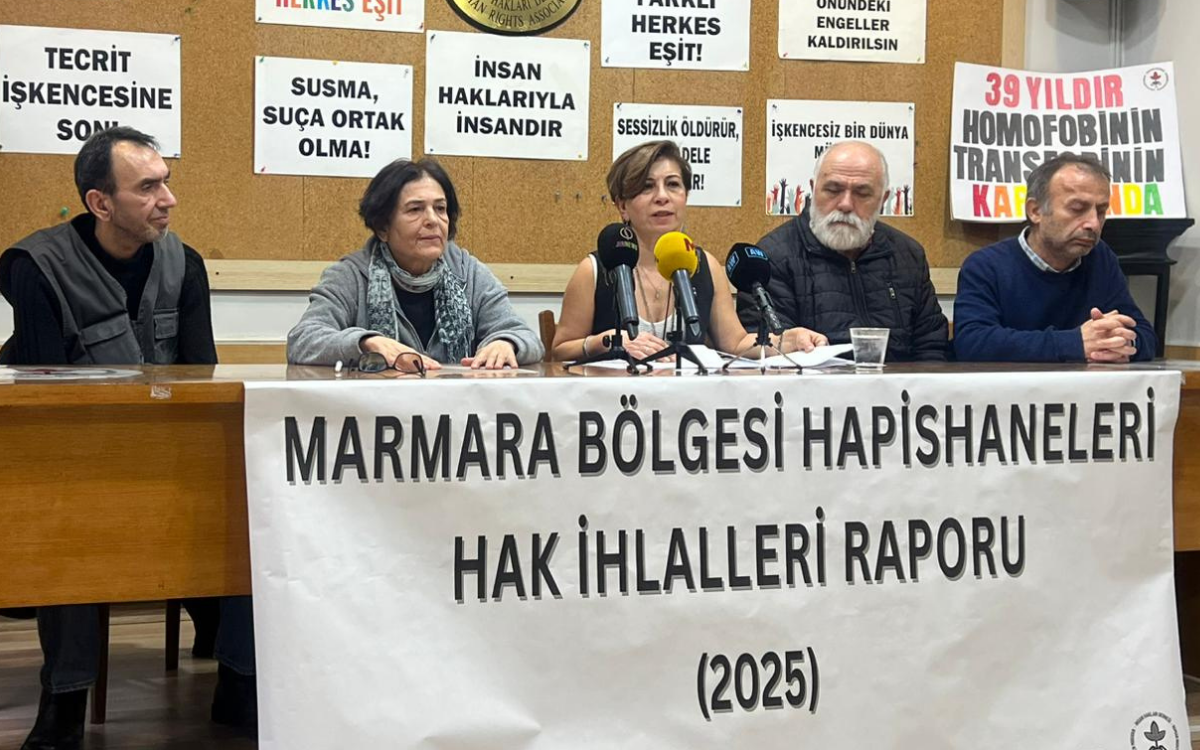
Rights group documents over 26,000 violations in Turkey’s prisons in 2024
Doğan accused authorities of preventing the hunger strikes from gaining public attention and described incidents of forced medical intervention.
“Those resisting in well-type prisons are on hunger strike over basic, legitimate demands. Yet the suffering continues. Serkan Onur Yılmaz is on the verge of death,” he said. “They conduct tests by forcibly taking him to the hospital for bloodwork. They try to feed and treat him against his will.”
He also described alleged practices such as restraining and handcuffing inmates before inserting IVs. “If you remove the needle, they put it back in. This isn’t about saving lives, it’s about torture,” he claimed. “If their concern were to protect life, they would provide a humane environment.”
‘A dystopia’
Doğan said that when well-type prisons were first introduced, they were advertised as modern facilities “like duplex apartments.” However, he said they are now associated with hunger strikes and suicides. “Even the ministry can no longer defend them,” he said.
He recounted his transfer from Marmara Prison to the Kırşehir High-Security Prison, one of the so-called well-type facilities. “We were told this was the best prison in Turkey, with unmatched amenities. But we saw for ourselves that it was the worst,” he said. “It had the harshest isolation, and among all well-type prisons, Kırşehir had the most severe conditions.”
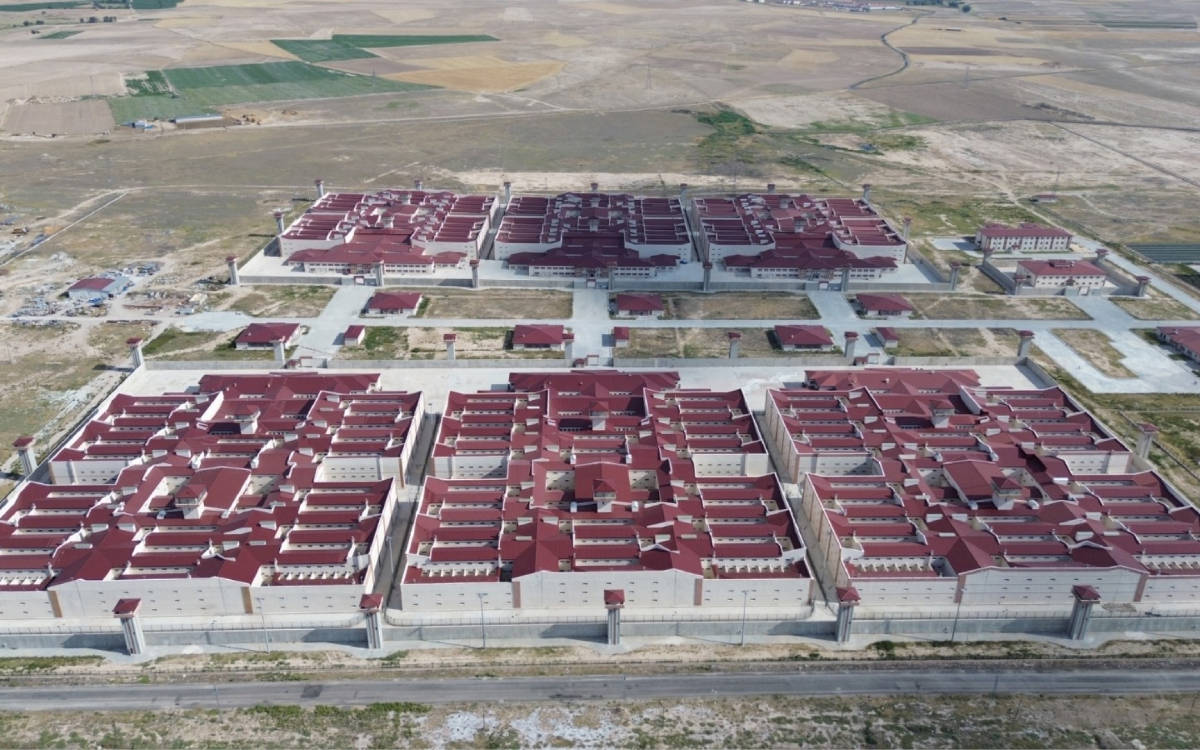
"No disciplinary punishment, yet everyone is in solitary confinement"
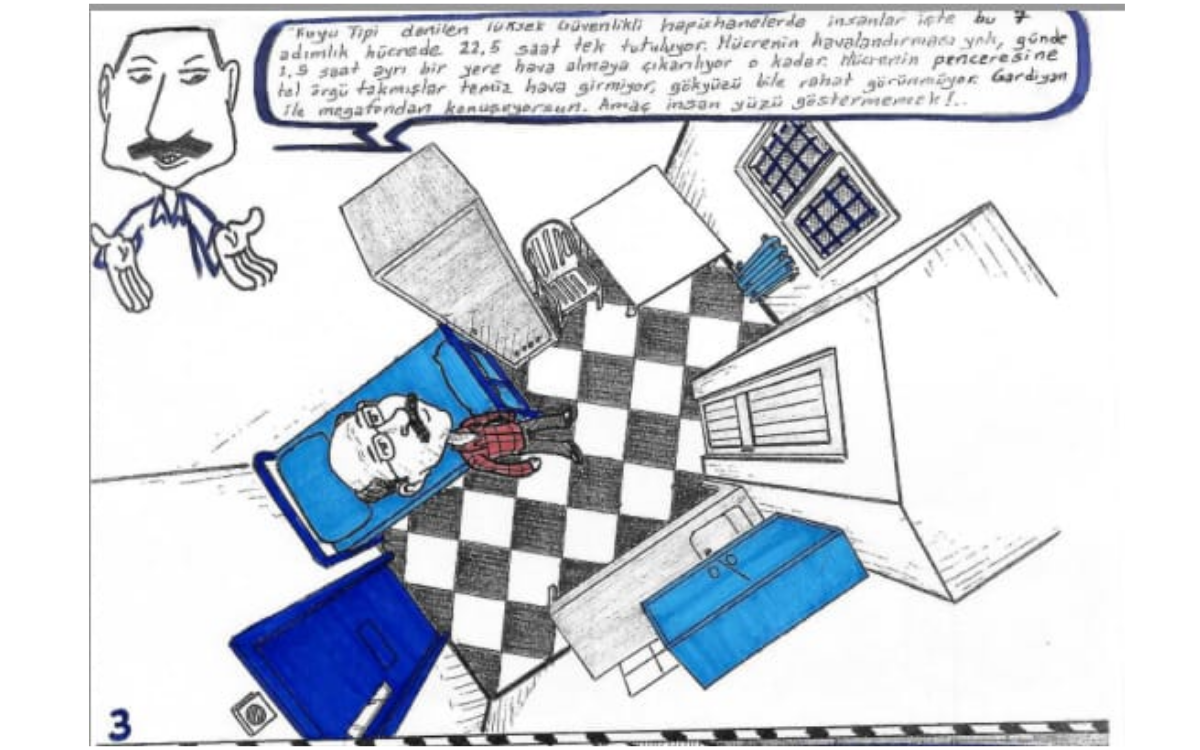
Doğan described the conditions as resembling a dystopian reality. “The cells are for single inmates. You get one hour of outdoor time a day, and they search you in detail whenever they want,” he said. “You can barely see the sun, let alone the sky. Even seeing the guards is rare. The doors are automatic, with push-to-talk buttons—you can’t call a guard when needed.”
He said that when prisoners demand basic rights, their “good behavior” status is revoked, which leads to restrictions on phone calls, letters, and family visits. “The goal is to psychologically destroy the inmate,” he said. “We’ve witnessed people scream through the windows, begging to be killed. Almost no one can sleep without antidepressants. They’ve turned everyone into a medication addict.”
Left with 'no option'
Doğan said inmates had exhausted all legal channels and were left with no option but to begin hunger strikes. “We filed petitions, reported crimes, but nothing changed,” he said. “Our families and courts are in İstanbul, yet we are held in Kırşehir. You can’t even get to the hospital unless you endure an inhumane search, and if you refuse, you’re denied treatment.”
He stressed the importance of vitamin B1 during hunger strikes. “If you don’t get it, you die around day 60 or 70. They deliberately gave us only half doses to push us to quit the strike. We began having memory issues until around day 130. After that, they started giving us the full dose.” (AB/VK)