












The remains of two members of the Kurdistan Workers' Party (PKK) have been identified through DNA testing, 27 years after their deaths.
DNA samples from Zehra Kısaoğlu and Süheyla Kaya matched samples provided by their families following examinations by the Forensic Medicine Institute (ATK), Mezopotamya Agency (MA) reported. The families were informed about the development on Sep 17.
Exhumed from PKK militants' cemetery
The two women had been buried at the Garzan Cemetery in the Kurdish-populated province of Bitlis alongside PKK members and Syrian Kurdish fighters. However, authorities in Dec 2017 authorities exhumed 282 bodies from the cemetery, without notifying their families.
Bodies of Kısaoğlu and Kaya were transferred to a cemetery of the unclaimed in Kilyos in İstanbul's Sarıyer district, located along the edges of a road and sidewalk.
It later emerged that the remains had been placed in plastic containers and buried on top of one another in an area of about 50 square meters.
A search for years
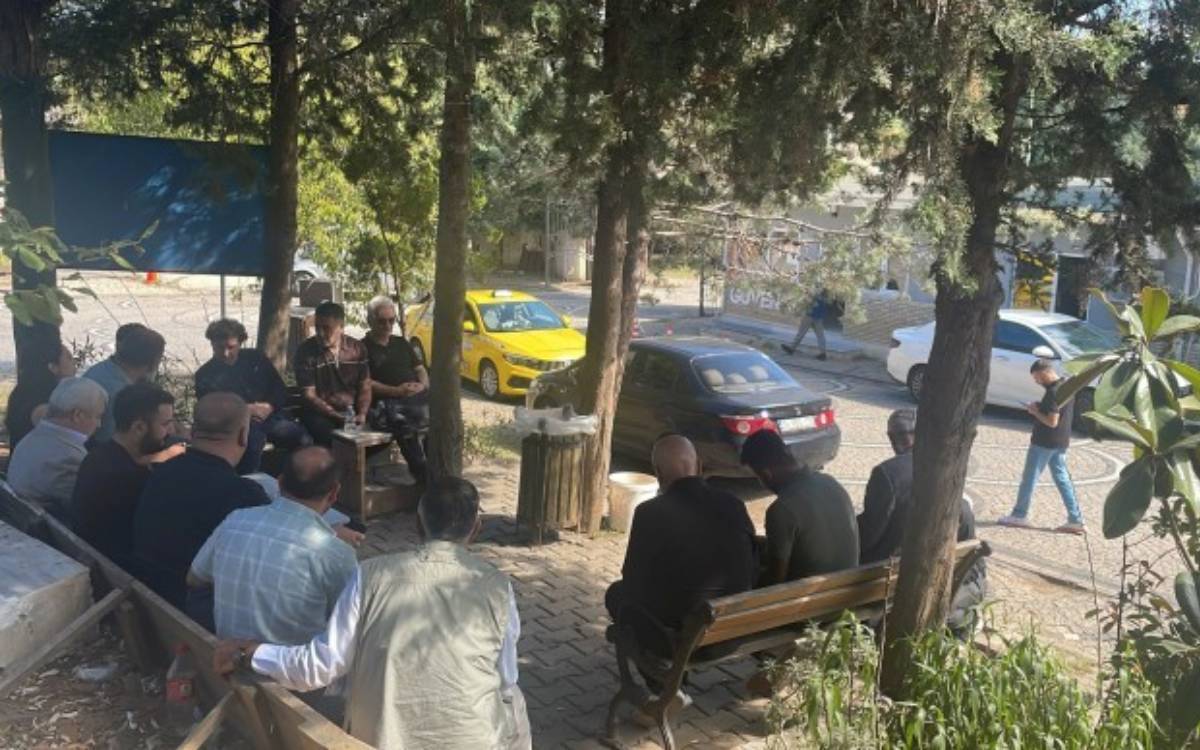
Their families today went to Kilyos Cemetery to collect the remains after completing procedures at the Directorate of Cemeteries in Zincirlikuyu. They will bring the remains of their relatives to their hometown of Bingöl.
Abdullah Kısaoğlu told MA that the family had searched for her sister for years.
“My sister left after finishing high school. Every year the police would come to our house and raid it, searching our belongings," he said. "Wherever there was a mass grave, we went and gave samples over and over again. We finally learned four days ago that she was here."
The families of Kısaoğlu and Kaya had applied to the Human Rights Association (İHD) in 2010 in the hope of finding their remains in a mass grave in Bitlis, where they were killed in the conflict.
Identifications ECtHR application
After the 2017 exhumation, the Association of Lawyers for Freedom (ÖHD) filed a criminal complaint, arguing that the remains had not been buried in accordance with proper procedures. After permission for an investigation was denied, the case was taken to the Constitutional Court.
The court found the applications inadmissible, after which lawyers applied to the European Court of Human Rights (ECtHR) in 2022.
Some of the remains buried at Kilyos have since been identified through DNA testing, exhumed and returned to their families. (HA/VK)

