









Two little known private companies have grown into some of Israel’s most important “oil middlemen,” — companies that buy from producers to sell to refineries and end users, with the intention of “buying low and selling high.” And they’ve been able to do so largely thanks to Turkey’s Ceyhan port.
New research from Oil for Change International (OCI) and the Center for Research on Multinational Corporations (SOMO) examines how “oil commodity traders” operate in the shadows, facilitating the sale of oil from producers to its end destination — in this case, Israel, often from Turkey’s Ceyhan port.
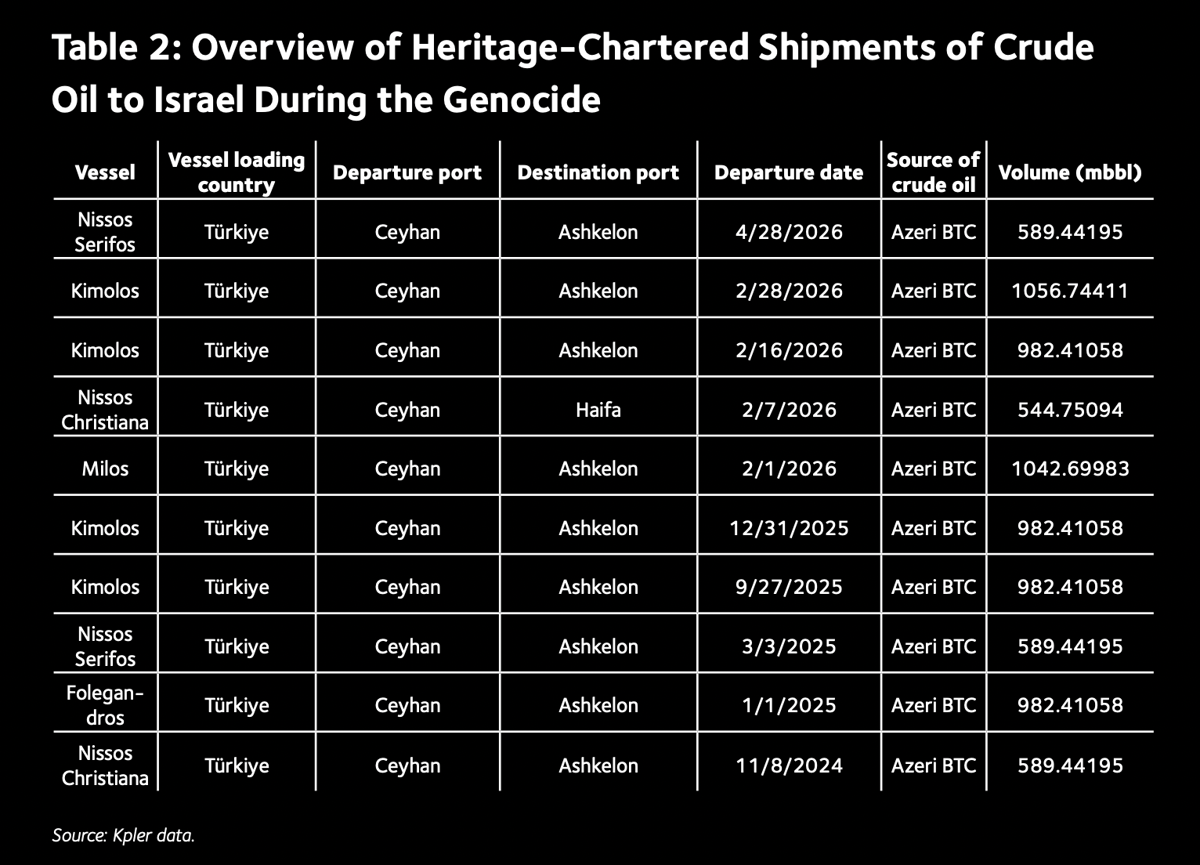

According to the report, Vitol and Heritage Petroleum FZCO shipped 22 million barrels of crude oil, of this at least about 16 million from Turkish ports. 14.4 million barrels were shipped following the Ministry of Trade’s May 2, 2024 announcement that it had suspended all trade with Israel.
The most recent known shipment listed in the report was a Heritage shipment on April 28, 2026, from Turkey’s Ceyhan port to Ashkelon via the Nissos Serifos ship.
According to OCI and SOMO, only six months after the Turkish trade embargo, Heritage began chartering regular crude oil shipments to Israel, with all shipments departing from Turkey. Heritage also operates two subsidiary shipping companies registered in Istanbul: Shiptech Maritime Ltd. and Limusa Trading Logistics Inc.
Turkey is mentioned 37 times throughout the report.
Strategic Litigation Lead and researcher at SOMO Lydia de Leeuw highlighted Turkey’s vital role in the Israel oil trade. She also argued that Turkey is currently failing to meet its commitments under international law.
“Türkiye plays a major role in enabling the fuel production for Israel’s army,” said de Leeuw. “Given Israel’s heavy reliance on imported crude oil, including for producing fuel for its military, Türkiye facilitates a lifeline for an army that commits genocide and maintains an illegal occupation.”
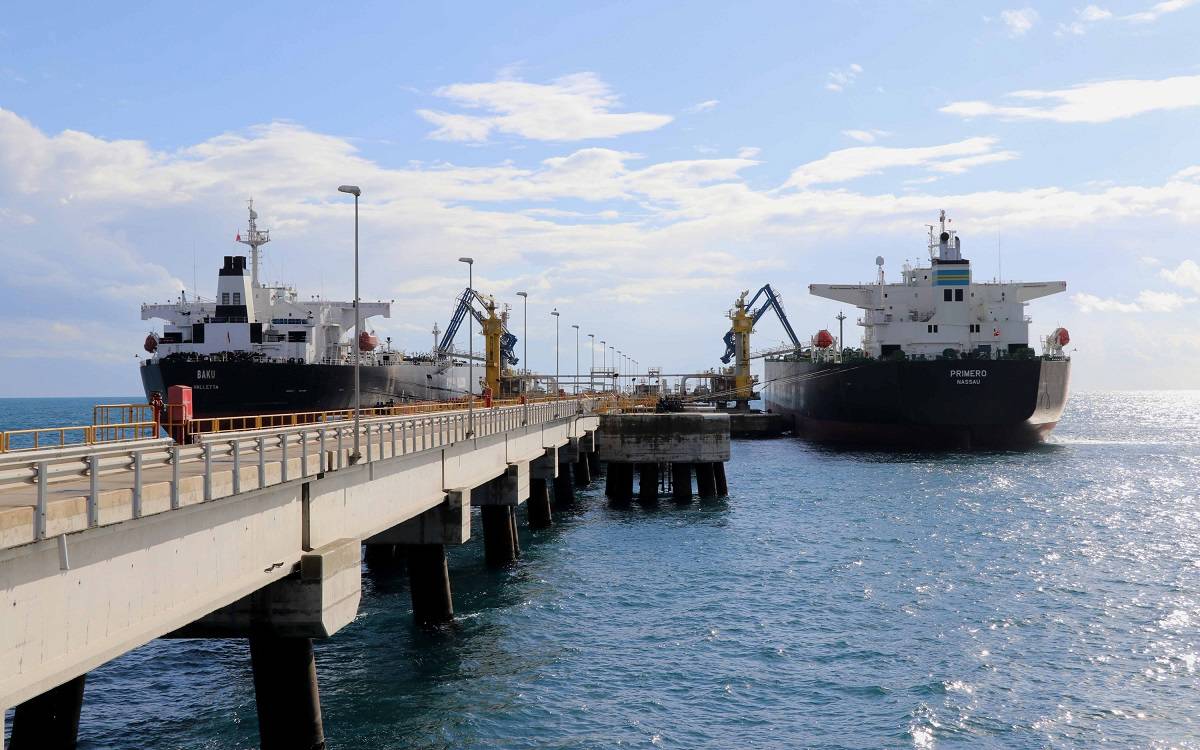
Oil shipments from Turkey's ports destined for other countries end up in Israel, report finds
Researchers and activists have repeatedly alleged that Ankara has not enforced its alleged trade embargo with Israel, especially in regards to Azerbaijani oil shipments from the Baku-Tbilisi-Ceyhan (BTC) pipeline. This new report adds to the plethora of existing data by specifically highlighting the role of middlemen commodity traders post the embargo announcement.
In response to these allegations, Ankara has simply denied reports that Turkish ports ship to Israel, saying that Azerbaijan has “respected its decision to end trade with Israel.”
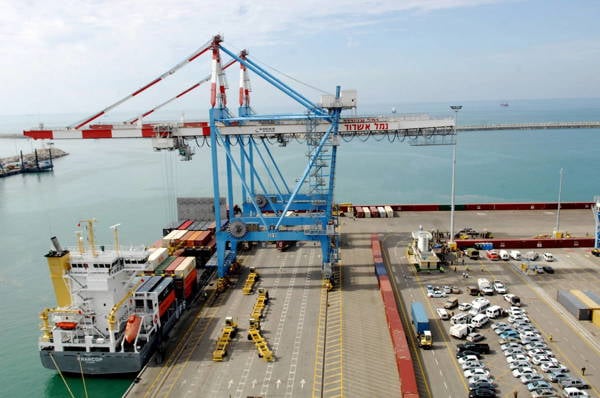
Israeli official website blocked in Turkey after revealing continued trade despite sanctions
De Leeuw said the following about Turkey’s oil embargo:
“A symbolic trade ban does nothing to save lives in Palestine, and gives the false impression that Türkiye is meeting its obligation under the Genocide Convention ‘to employ all means reasonably available to them’ to stop the genocide. Oil traders, shipping companies, and other companies involved in Israel’s oil supply continue their business as usual due to a glaring lack of political will among the States where they operate or are domiciled to put an end to Israel’s crimes against the Palestinians. If international law is to mean anything, States need to impose a long-overdue oil embargo on Israel.”
Researchers from SOMO and OCI used available data from the shipping platform Kpler, as well as supplementary data from the London Stock Exchange Group, inspection data from the Port State Control and satellite images. They tracked shipments between Oct. 13, 2023 and Jun. 30 2026, amounting to over 250 oil shipments from 19 countries.
The report listed various steps that should be taken by countries involved in the Israeli oil trade, including Azerbaijan, Kazakhstan, Nigeria, The United Arab Emirates, Greece, Russia, the United Kingdom, Switzerland, Luxembourg and Turkey.
For Turkey, the report stressed that the country should take robust measures to actually enforce the current trade ban, including preventing the transit of crude via its territory if it is destined for export to Israel’s refineries. The report also said that Turkey should not allow companies to facilitate the transit, docking, and servicing at their ports of vessels carrying or getting loaded with crude oil destined for Israel.
Naish Gawen, a researcher at Data Desk, argued that countries like Turkey who claim to be implementing a trade ban should still be held accountable if they renege on their commitments.
“The data reveals that words and commitments are not always aligned with the actual trade flows to Israel,” said Gawen. “With countries like Türkiye ostensibly implementing a trade ban, it is important that there is accountability over these claims.”
“I would say that Türkiye is putting its economic interests over the lives of the Palestinians, while claiming the opposite, through a symbolic trade ban,” de Leeuw said.
(IK/HA)