












bianet'in özel bildirimlerine izin vererek önemli gelişmelerden haberdar olabilirsiniz.
Turtle figurines found at 15,000-year-old ritual site in northwestern Turkey
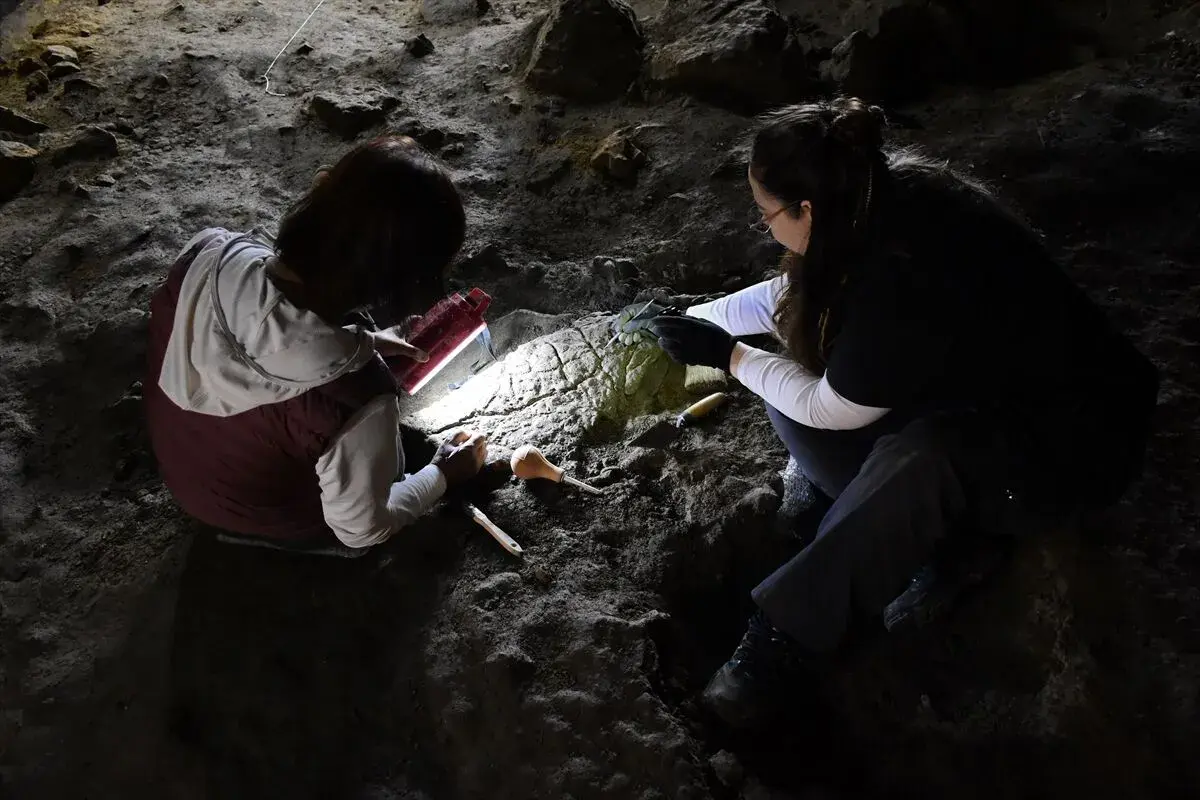
“The artifacts that emerged showed us that this was an important cult and ritual site,” said Prof. Deniz Sarı, who leads excavations in Bilecik.

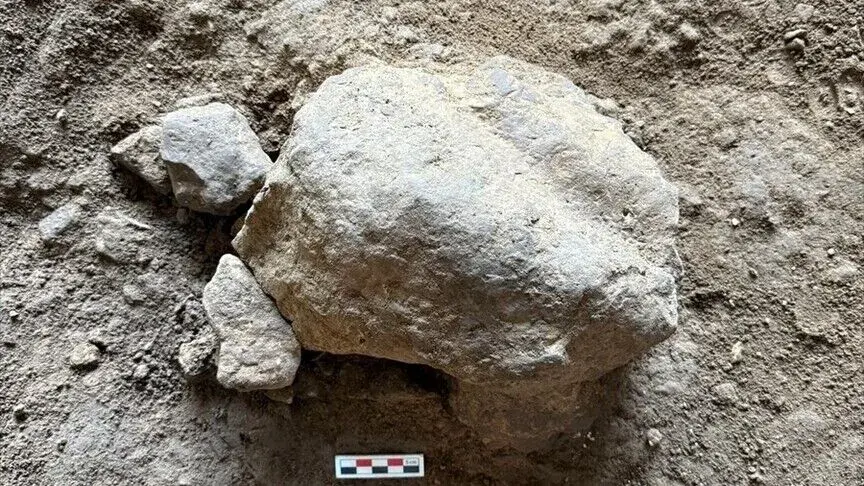


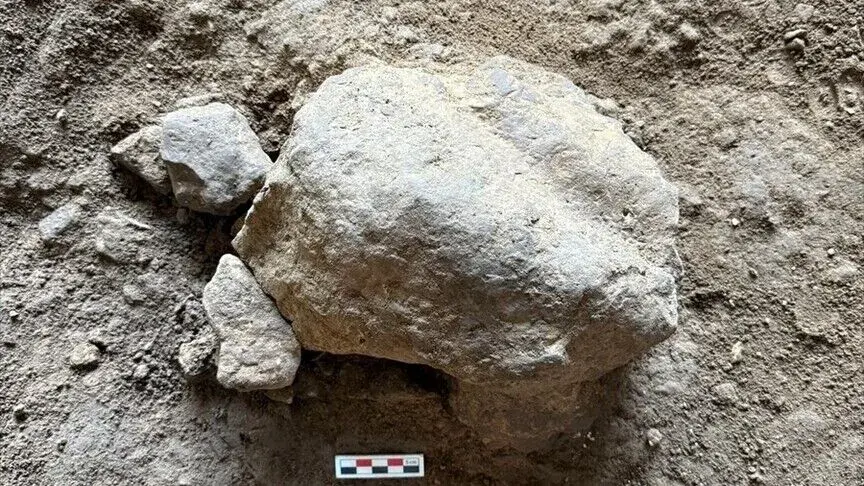
Archaeologists have uncovered about 25 turtle figurines at a prehistoric ritual site in northwestern Turkey, with radiocarbon testing dating the site to between 14,500 and 11,200 BC.
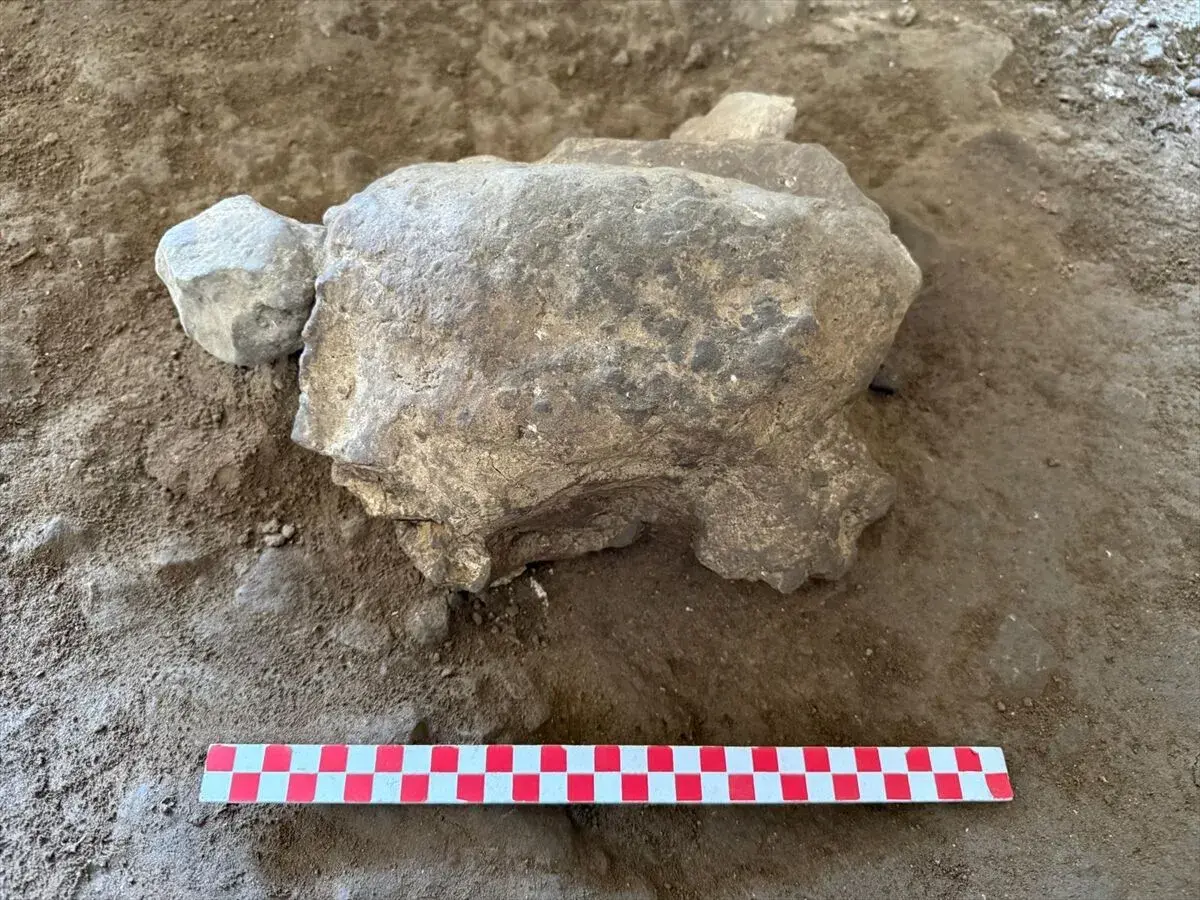
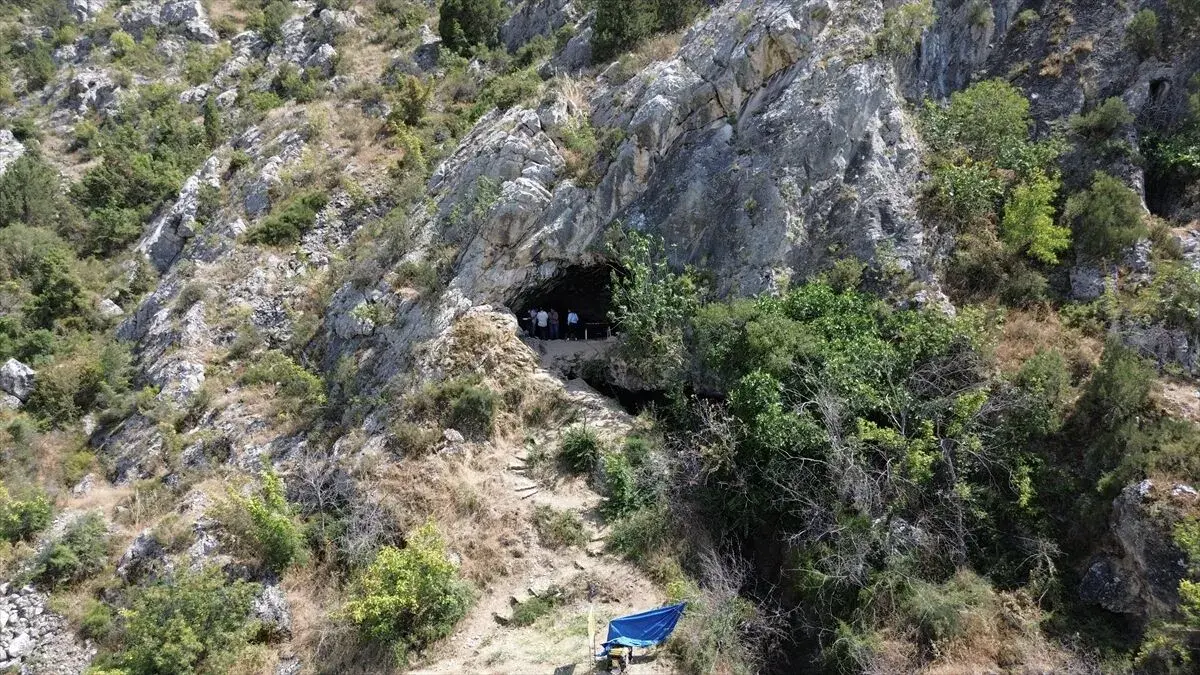
The limestone figurines were found during excavations at Gedikkaya Hill and İn Cave in Bilecik’s İnhisar district. Some were coated with clay, while the largest measured about 30 centimeters long and 20 centimeters wide.
The excavations were conducted from May 18 to Jul 18 by a 14-member team led by Prof. Deniz Sarı of Bilecik Şeyh Edebali University’s Department of Archaeology.
Radiocarbon tests place the finds in the Epipaleolithic period, which lasted roughly from 20,000 to 10,000 BC. Researchers believe the figurines were made for ritual purposes and placed inside the cave.
A cult and ritual site
Sarı told Anadolu Agency (AA) that archaeological material was first identified in the cave during surface surveys in 2017. Rescue excavations led by the Bilecik Museum followed between 2019 and 2023.
“The artifacts that emerged showed us that this was an important cult and ritual site,” Sarı said. “With the turtle figurines we found this year, the ritual context of the cave has taken on a different dimension.”
People might have been inspired from shape of Gedikkaya Hill
Most of the figurines were crudely shaped, which Sarı said supported the interpretation that they had been produced for ritual use.
“There is an architectural arrangement here forming circular rings,” she said. “Around them, we found turtle figurines stuck into the ground, most of them incomplete or quickly shaped from limestone.”
People living during the Epipaleolithic period may have thought Gedikkaya Hill resembled a turtle, possibly contributing to the development of a cult centered on the hill, according to the professor.
“Perhaps it is too early to speak of such a cult for this period, but we know that most of the small figurines that were found give the impression that they were deliberately designed in the form of Gedikkaya Hill,” she said. “Turtle symbolism was widespread both in the Natufian culture known from the Near East and in the much earlier Upper Paleolithic cultures.”
Noting that turtles symbolize longevity and endurance in many cultures, Sarı said that this may also have influenced the production of the figurines.
The artifacts have been handed over to the Bilecik Museum and Bilecik Şeyh Edebali University for examination and restoration. (VK)
Hak odaklı, çok sesli, bağımsız gazeteciliği güçlendirmek için bianet desteğinizi bekliyor.