






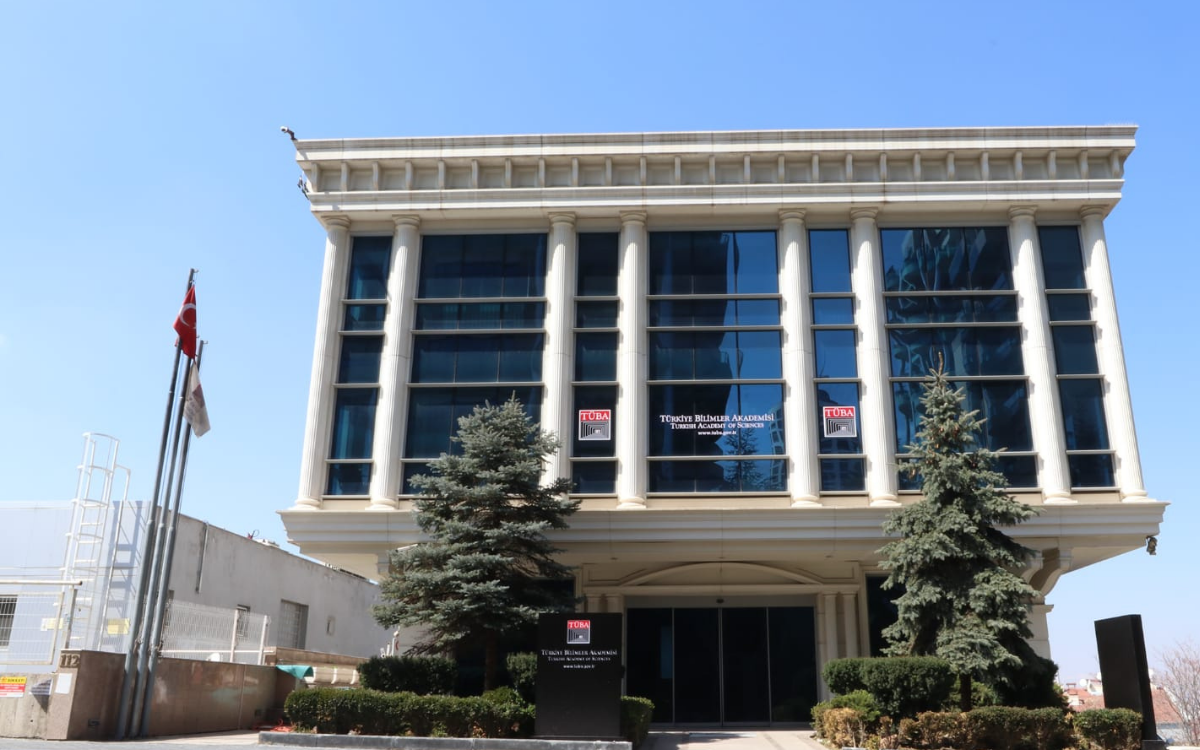



The annual audit report by the Court of Accounts has revealed that funds allocated for scientific research at the Turkish Academy of Sciences (TÜBA) were used for personal purchases, including electronic devices, books and office furniture.
“An examination of payments made under the academy’s research support program shows that items such as mobile phones, smartwatches, headphones, office desks, and chairs were purchased, which would not fall within the permissible limits outlined by regulations,” the report noted.
The audit underlined that the expenditures had no direct link to the core objectives or needs of any research activity and rather served individual interests. Over the past three years, a total of 41 devices, including phones, watches, and headphones, were purchased, and none of them were registered as institutional assets. Instead, they were left in the personal possession of academy members.
TÜBA, a state-affiliated autonomous institution established in 1993, is mandated to conduct scientific reviews, provide consultancy, support young scientists, produce reports on national science strategies, and carry out scientific publishing.
In 2023, the academy was allocated a budget of 135.5 million liras, of which 132.6 million liras were spent.
Officials defend spendings
In response to the findings, TÜBA defended the purchases, arguing that the items were necessary. Officials claimed the devices and furniture acquired by members using institutional funds were “essential equipment required for research activities in both natural and social sciences, given technological advancements.”
They also argued that registering such items in the academy’s inventory was “practically impossible.”
The misuse of funds was not limited to technological equipment and furniture. According to the report, books were also purchased without considering their type, subject matter, language, or academic relevance. Many of the books were found to be unrelated to the researchers’ fields and lacked scientific merit, with most categorized as self-help or classic fiction.
In its written response to the Court of Accounts, the academy maintained that such purchases did not violate any regulations. However, the audit stressed that books acquired under research support funds must be scientific in nature and relevant to the members’ research fields.
Payments based on self-declarations
Another issue highlighted in the report involved research assistant funding. Payments were made based on self-declarations by academy members without verifying actual work through official employment records.
The Court of Accounts found that service records from the Social Security Institution (SGK), which could confirm whether assistants were actively employed, were not considered valid. “This creates a risk of providing financial support to individuals who are either not working or working informally,” the report warned.
In its defense, TÜBA argued that assistants, mostly undergraduate, graduate, or doctoral students, were primarily engaged in intellectual and scientific activities rather than physical labor.
The academy stated that such arrangements made it impractical to report these individuals under standard employment regulations and insisted that stipends paid to them should not be subject to insurance premiums. (GÖ/VK)