
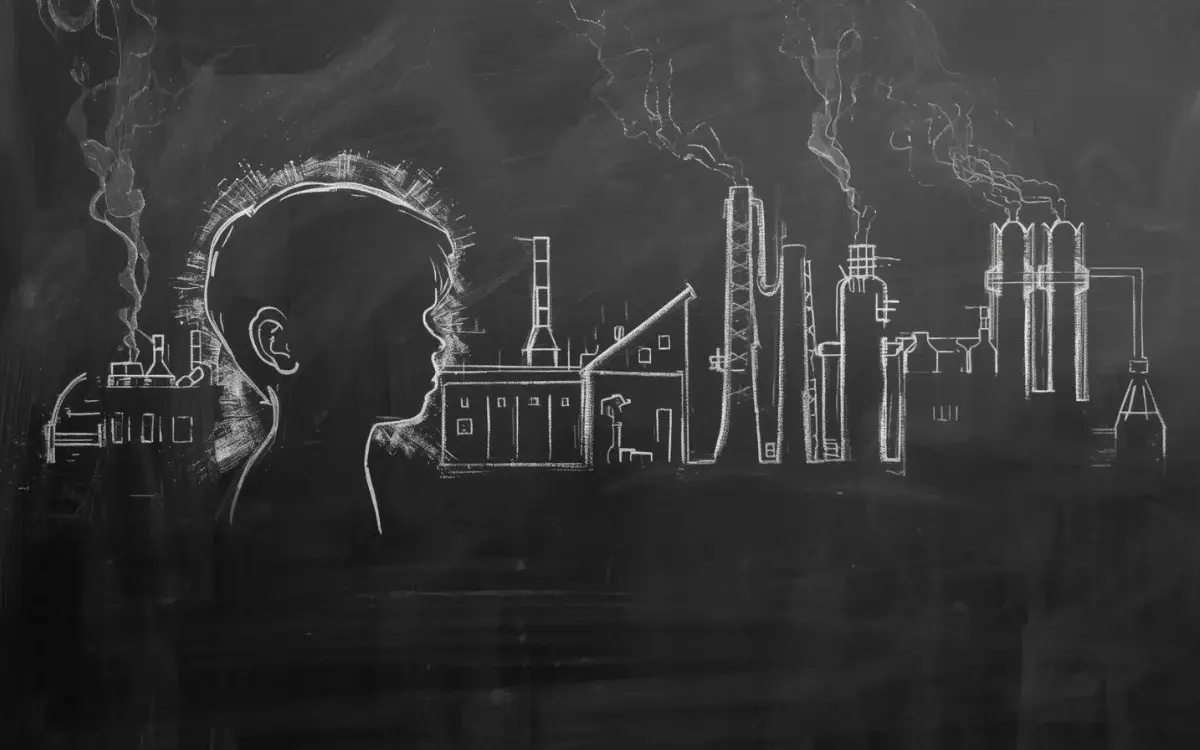



Turkey's Vocational Education Centers (MESEM), where nearly 400,000 high school-aged students are enrolled, have recently become a topic of debate with increasing child worker deaths.
Most recently, 16 student protesters were formally arrested on Dec 3 after they staged a demonstration outside an event attended by National Education Minister Yusuf Tekin, displaying a banner that read "The blood of children is on your hands."
Here is what to now about MESEMs, which the government presents as a showcase project, what they mean for children and why this practice was included in the education system.
What is MESEM?
MESEM, formerly the apprenticeship system, was included in the scope of formal and compulsory education in 2016. Children who have completed at least middle school and turned 15 can register for a MESEM.
MESEM students attend work four days a week and classes at school one day a week, which is their main difference from classical vocational high schools.
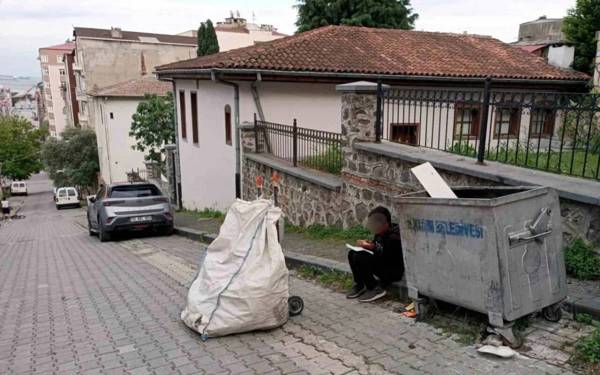
One in four children in Turkey engaged in labor, TurkStat reveals
This system operates under the National Education Ministry's General Directorate of Vocational and Technical Education. MESEM students graduate after four years and receive both a High School Diploma and a Mastership Certificate.
MESEMs operate in 34 fields and 184 vocational branches.
Child rights advocates argue that MESEMs pave the way for child labor and endangers the lives of children by severing them from education in unsupervised areas.
'Poor children join workforce at early age'
According to the Education Reform Initiative (ERG) 2025 Education Monitoring Report, the number of students attending MESEM in the 15-18 age group in the 2024-2025 academic year was 392,887.
Students receive wages at a certain rate of the minimum wage, but retirement premiums are not deposited; working conditions in workplaces are largely left to the mercy of bosses.
ERG emphasizes that children's ties with school are severed and that this model pushes especially poor children into the workforce at an early age.
A section from ERG's Education Monitoring Report 2025 presentation.
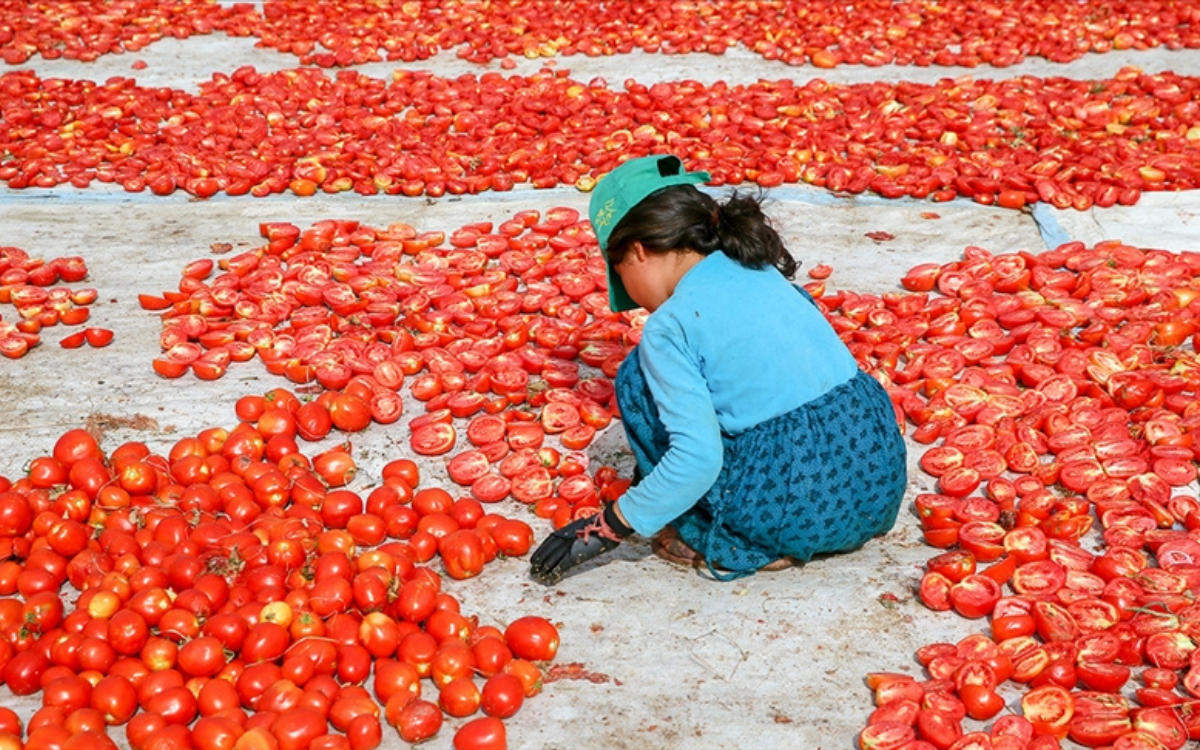
THREE CHILD WORKERS KILLED IN A WEEK
'Businesses employ two children in place of one adult at same cost'
'Not education, mass child labor'
According to the Health and Safety Labor Watch (İSİG), 71 child workers lost their lives while working in 2024. By the end of November this year, the number of deceased child workers reached 85.
İSİG could identify at least 15 MESEM students were killed in work-related incidents the 2023-2024 and 2024-2025 academic years. They were working in industry or construction.
İSİG also noted a recent shift in child worker fatalities from agriculture to industry and construction, aligning with the growing inforporation of children in the labor market under the MESEM program.
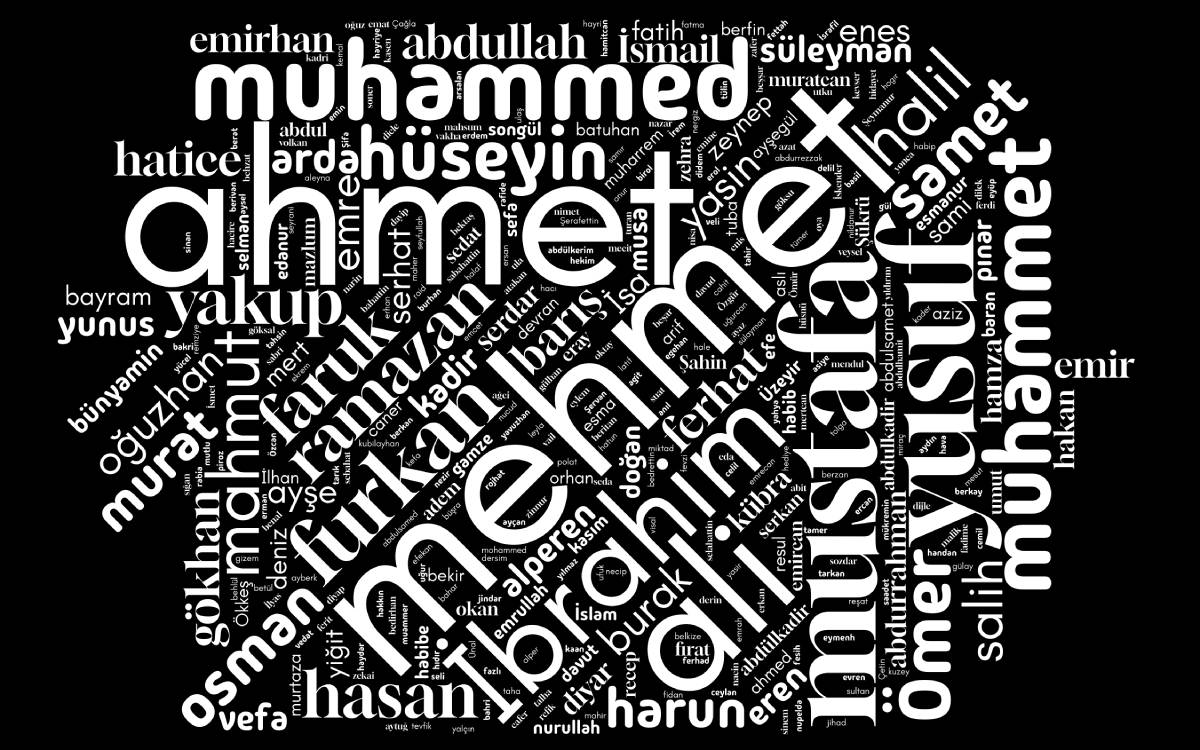
Every year 64 children die in workplace accidents in Turkey
The group defines MESEM as a "tool for the massification of child labor through state policies" and states that child labor is legitimized with the formula of "education one day at school, four days at the workplace."
Turkish Statistical Institute (TurkStat) data shows that about 1 million out of the 3.9 million children in the 15-17 age group in the country are in the workforce. This figure does not include MESEM students since they are not formally employed.

Over 800,000 children in Turkey are out of education, report finds
What do MESEM students say?
The writings of a child worker in MESEM, published in bianet’s "Child voices in mother tongue" news file released on Nov 20 World Children's Day, explain what this system means for children.
"Maybe one day, someone reads this writing and says: 'The lives of these children must change.' That day, I will feel as if I am reborn. Every morning I hit the same road, with the same fatigue. Now not only my body but also my inside hurts. But a part of me still hopes. Maybe one day someone really listens to us. Maybe one day we become 'human,' not 'apprentice.'
While you read this writing on Nov 20 World Children's Rights Day, I will have sold a day of mine on the shift for 200 liras."
What do educators say, what does the ministry defend?
The Private Sector Teachers' Union defines MESEM as "a model that provides cheap labor to bosses and costs children their lives" and says the recent detentions are aimed at suppressing these criticisms.
Veli-Der, Eğitim-İş, and Eğitim Sen also demand the abolition of the program, stating that MESEM "actually eliminates children's right to education and turns poor students into precarious labor." While İSİG emphasizes that MESEM is "too problematic to be revised," the FISA Child Rights Center states that including the program in compulsory education deprives children of both education and childhood.
The National Education Ministry defends MESEM as "an opportunity that provides young people with a profession and allows them to earn income while studying." The official view argues that students receive a certain rate of the minimum wage and gain skills accompanied by "master trainers." However, news coming from the field reveals the contradictions between this rhetoric and the reality children experience. (NÖ/VK)