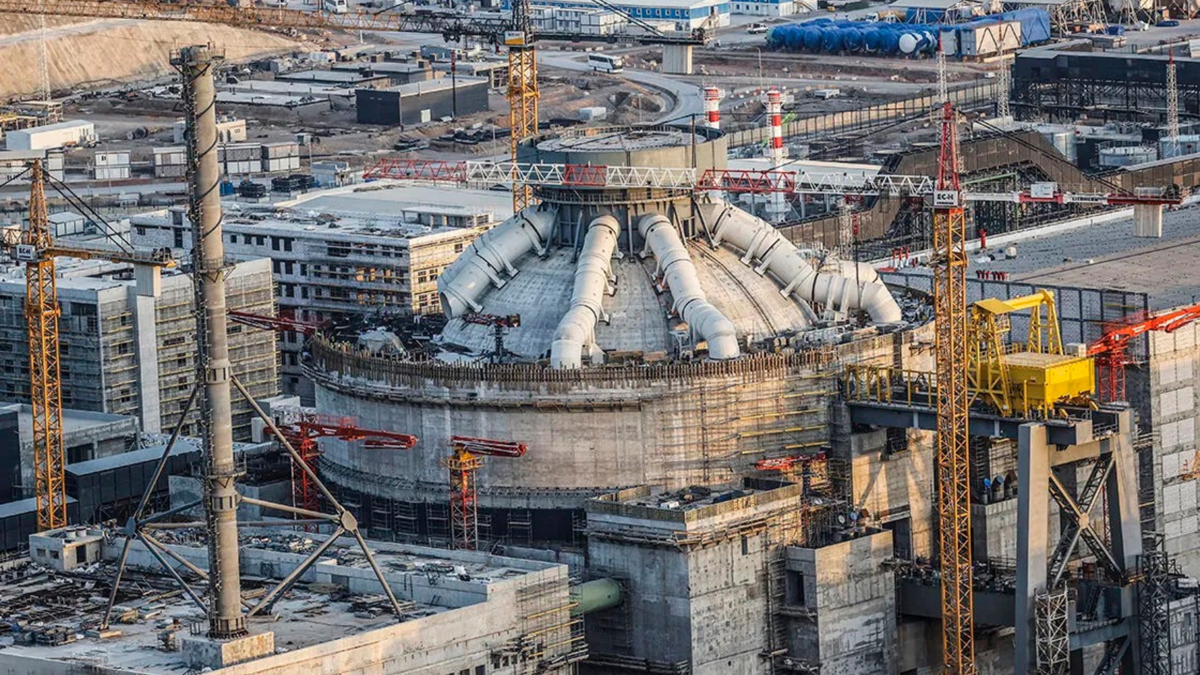








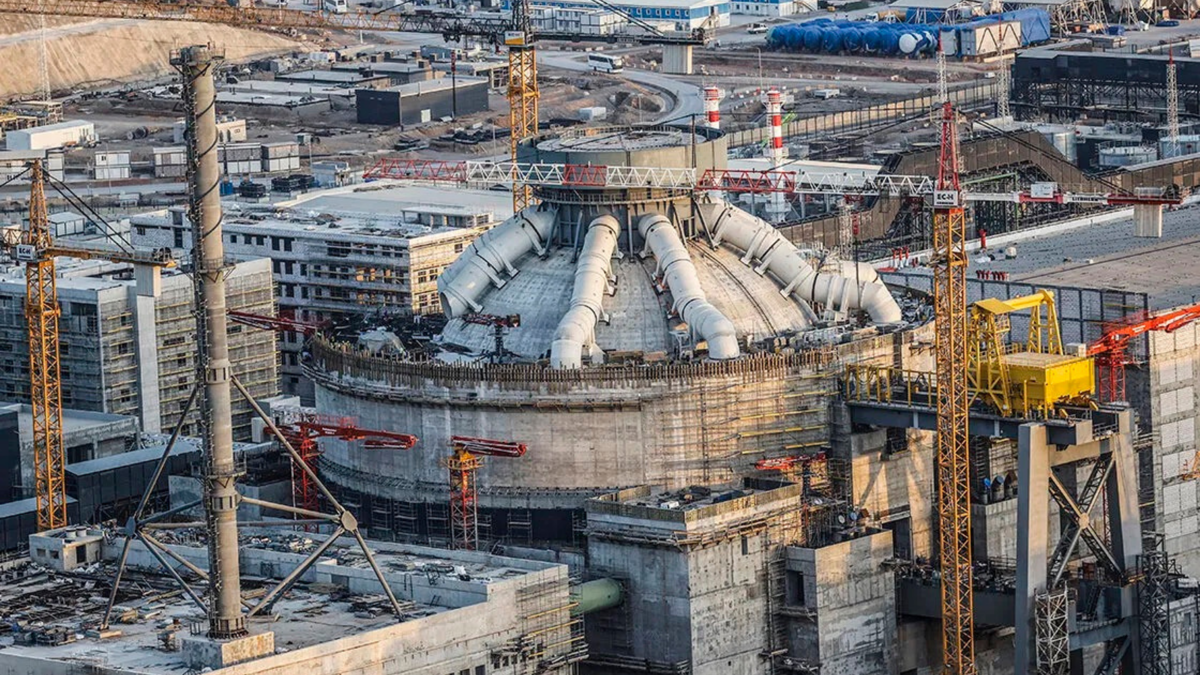



The Regulation on the Green Taxonomy of Turkey, prepared by the Directorate of Climate Change under the Environment, Urbanization and Climate Change Ministry, entered into force after being published in the Official Gazette on Sep 24.
Although the regulation excludes solid fossil fuels, its annexes include activities such as generating electricity and providing district heating and cooling from fossil gas. New nuclear power plant construction is also included in the taxonomy. In addition, plastics and greenhouse gas intensive iron and steel manufacturing have taken their place in the regulation.
The inclusion of fossil gas and nuclear energy among sustainable activities in the green regulation of Turkey, which will host the 31st United Nations Climate Change Conference (COP31), has drawn criticism.
Prof. Dr. Murat Türkeş from the Boğaziçi University Center for Climate Change and Policy Studies, Ümit Şahin, senior scholar and Climate Change Studies Coordinator at the İstanbul Policy Center, and Ömür Yaşayan, head of the İstanbul Branch of the Chamber of Environmental Engineers (ÇMO), assessed the regulation for bianet.
What is Green Taxonomy?
The Green Taxonomy is a classification system designed to support activities aligned with the net-zero emissions target and the vision for green growth.
Prof. Türkeş explains the regulation:
Turkey was working on the taxonomy within the scope of alignment with EU climate change standards and policies and the Green Deal. The Green Taxonomy is a scientific and technical classification that prevents greenwashing by establishing which economic activities and investments are environmentally sustainable and truly green.
The regulation has six objectives:
- Mitigation of greenhouse gas emissions,
- Climate change adaptation,
- Sustainable use and protection of water and marine resources,
- Transition to a circular economy,
- Pollution prevention and control,
- Protection and restoration of biodiversity and ecosystems.
'Including nuclear energy in the taxonomy is unacceptable'
Another topic drawing backlash is the inclusion of nuclear energy in the regulation. The construction and operation of new nuclear power plants were classified as a transition activity. Electricity generation from nuclear energy in existing facilities is also included under this definition.
Ümit Şahin, the climate scientist, stressed that showing nuclear energy within the Green Taxonomy, even as a transition activity, is unacceptable, calling it "completely illogical":
A nuclear plant with a 60 year lifespan... Construction of nuclear plants is also included in the Green Taxonomy. Here, plant construction was added as ‘green and transitional.’ How can a nuclear energy facility that will produce electricity for 60 years be considered a transition? That is already completely illogical. A facility that cannot be shut down for 60 years once built cannot be a transition. Transitioning from where to where? It is completely illogical. An energy source that pollutes the environment so severely and poses health and accident risks like nuclear energy can never be evaluated within a Green Taxonomy. It does not meet any of the six criteria they set themselves. I think it is a huge mistake.
ÇMO İstanbul Branch Chair Ömür Yaşayan noted that opening green finance to gas plants operating for 30 to 40 years, alongside Rosatom’s Akkuyu project and upcoming projects in Sinop and Thrace, reduces the 2053 net-zero target to mere rhetoric:
It carries the risk of locking the country into fossil fuels and radioactive waste issues for decades.
Noting that considering natural gas and nuclear “green” is also received very negatively worldwide, Prof. Dr. Türkeş said:
Nuclear energy has many problems, including accidents, waste disposal, waste management, and external dependency. When you look at it from the perspective of energy security, there is a high dependency on developed countries. Natural gas, on the other hand, is a fossil fuel. In addition to directly contributing to air pollution, it releases methane through leaks and emits carbon dioxide into the atmosphere when burned. These are major issues.
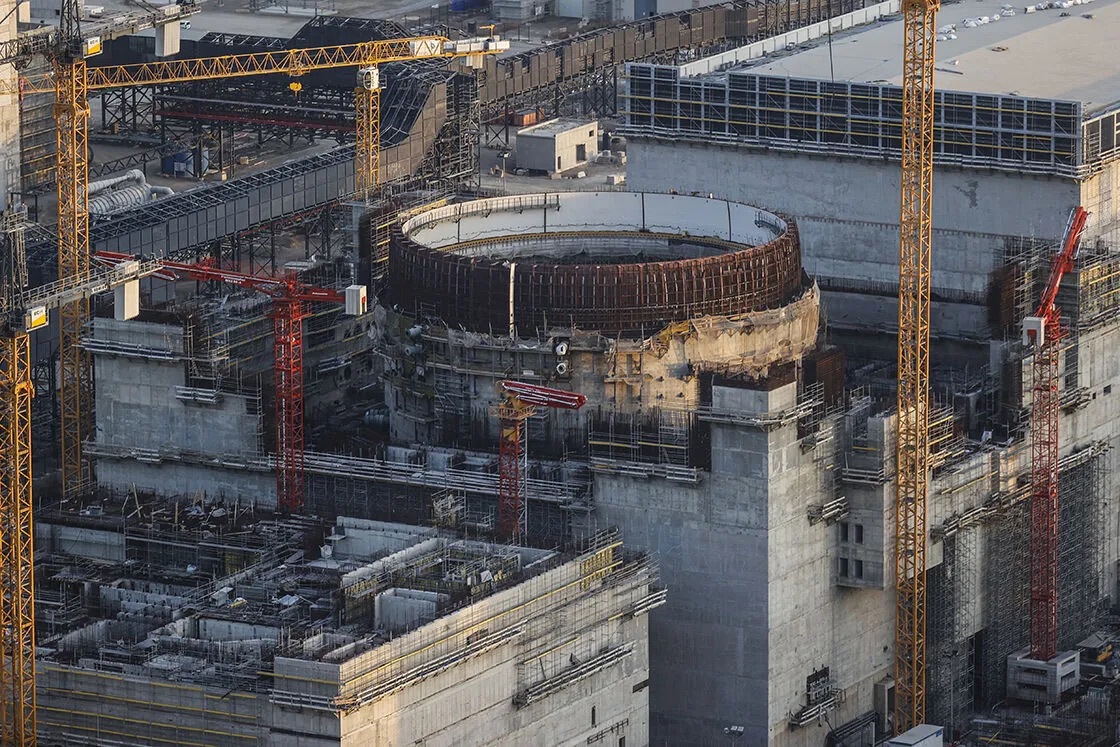 Akkuyu Nuclear Power Plant (AA)
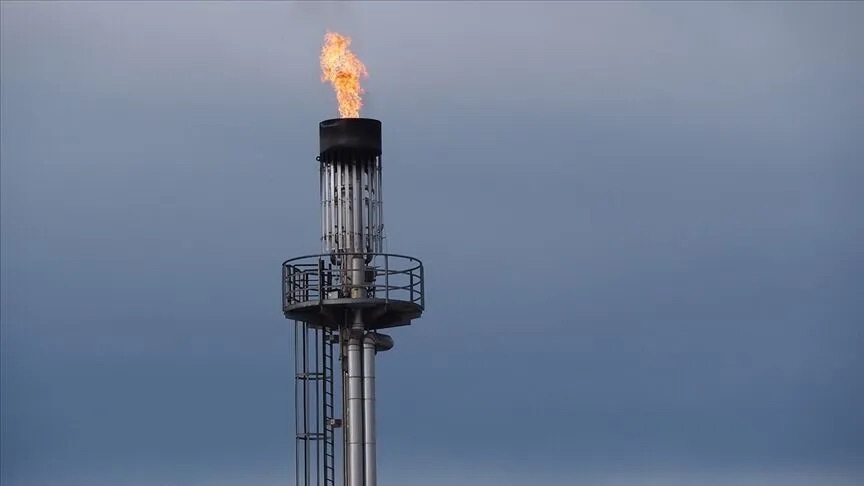
Fossil gases in the Green Taxonomy
Yönetmelikte fosil yakıtlara ilişkin faaliyetler “fosil gaz yakıtlar” başlığıyla yer aldı. “Fosil Gaz Yakıtlardan Elektrik Üretimi” başlığı, geçiş faaliyeti olarak eklendi.
Dikkat çeken diğer ek madde ise “Fosil Gaz Yakıtlardan Yüksek Verimli Isı/Soğutma ve Güç Kojenerasyonu”. Her iki faaliyet de hem iklime uyum, hem de emisyon azaltımı başlıkları altında yer alıyor.
Ayrıca “Verimli Bir Bölgesel Isıtma ve Soğutma Sisteminde Fosil Gaz Yakıtlardan Isı/Soğutma Üretimi” faaliyeti de her iki başlık altında geçiş faaliyeti olarak sıralandı.
Underlining that including fossil gas in the regulation is also a mistake, Ümit Şahin said, "Gas should have been evaluated together with other fossil fuels. There is no point in excluding other fossil fuels from the Green Taxonomy while including gas. It is already acknowledged that fossil fuels are not green. Fossil gas is also a fossil fuel. It is not green either," adding:
Of course, moving away from fossil fuels must include fossil gas as well. Here, it sounds as if coal and oil are included in the shift away from fossil fuels, but gas is not, which is wrong.
Provisional article points to 2029 for reporting
Prof. Dr. Türkeş points to the provisional article of the regulation, which exempts certain financial institutions from the reporting obligation until Jan 1, 2029:
The regulation is coming out now, but it does not impose mandatory reporting for the financial sector for the time being. Therefore, financial investments that violate the basic criteria set in the regulation can also be made. At least because there is no mandatory reporting, it may be overlooked.
According to Ömür Yaşayan, there are significant gaps regarding reporting:
Reporting is kept voluntary for the real sector; if the share of compliant activities is below 10 percent, the option not to report is provided. Banks, on the other hand, carry no obligations until 2029. Although greenwashing is defined at length in the regulation, it is not tied to any sanctions. In such a system, while a conglomerate's wind investment stands out in the green report, the same conglomerate's coal plant, quarry, or gold mine can remain invisible.
Yaşayan says, "Although the taxonomy creates the perception that it aims to contribute to the fight against climate change, it focuses on the concerns of exporters facing the EU's border carbon adjustment rather than those bearing the burden of the climate crisis."
'Criteria and conditions should not be relaxed'
Saying that "Natural gas and nuclear energy should definitely not be considered green," Prof. Türkeş believes that the “do no significant harm principle” must not be weakened:
Other things can also be added to these for Turkey. We have issues like inspection, control, and the implementation of laws. Criteria and conditions should not be relaxed. Inspection and data infrastructure should be developed. This needs to be strengthened.
Because we know that the real sector in Turkey does not have a transparent data infrastructure to report greenhouse gas emissions and environmental impacts using scientific methodologies. Therefore, unless transparency and technical verification are carried out here, greenwashing inspections will, in my view, remain only on paper. This is, of course, the weak or risky side of the regulation.
Accommodation activities also in the Taxonomy
"Accommodation Activities" are included in the regulation under the title of protection and restoration of biodiversity and ecosystems. These activities include hotels, holiday parks, campgrounds, and similar accommodation places.
Ömür Yaşayan notes that in Turkey, where coasts and forests are opened up to tourism, this brings the risk of repackaging a growth model built on rent and construction under a green label.
Noting that being included in Annex-1 does not automatically mean being considered green, and that technical screening criteria will make the real decision, Yaşayan says, "However, the problem grows right here. These criteria are not included in the regulation; they will be published on the Directorate’s website and can be changed every year through an administrative procedure. No procedure has been defined regarding how public opinion will be received."
'Greenwashing must be tied to sanctions'
The regulation aims to "support economic activities compatible with sustainable development goals, encourage financing flows into sustainable investments, and prevent greenwashing in the market."
Criticizing the regulation's goal of "preventing greenwashing," Yaşayan says this contradicts the list of activities in the annex.
According to Yaşayan, items such as carbon capture, plastics production, and tourism should be removed from the list alongside highly polluting sectors like fossil gas, nuclear, cement, and aluminum:
All fossil fuels should be excluded by removing the word 'solid.' Reporting should be made mandatory, greenwashing should be tied to sanctions, and technical criteria should be determined through an open and transparent process in which scientists, civil society, and affected communities participate with voting rights.

'Not a single professional chamber or environmental organization at the table'
Pointing out that the regulation states criteria will be based on "conclusive scientific evidence," the ÇMO İstanbul Branch head notes:
However, the same article states that competition conditions, investment flows, and the financial system will also be observed, and that the criteria will not distort competition. Yet, the carbon budget is not a boundary that can flex based on whether capital is uncomfortable or not. The 15 member Committee that will approve the criteria consists entirely of representatives from ministries and financial authorities.
There is not a single scientist, professional chamber, trade union, environmental organization, or representative of communities affected by projects at the table. The Ministry of Energy and Natural Resources, which carries out Akkuyu and gas investments, is also part of the decision making mechanism on whether these investments will be accepted as green.
According to Yaşayan, the fact that the Emissions Trading System Regulation and the Green Taxonomy Regulation came onto the agenda one after another following the Climate Law cannot be considered independent of this framework.
Life cycle of plastics needs to be analyzed
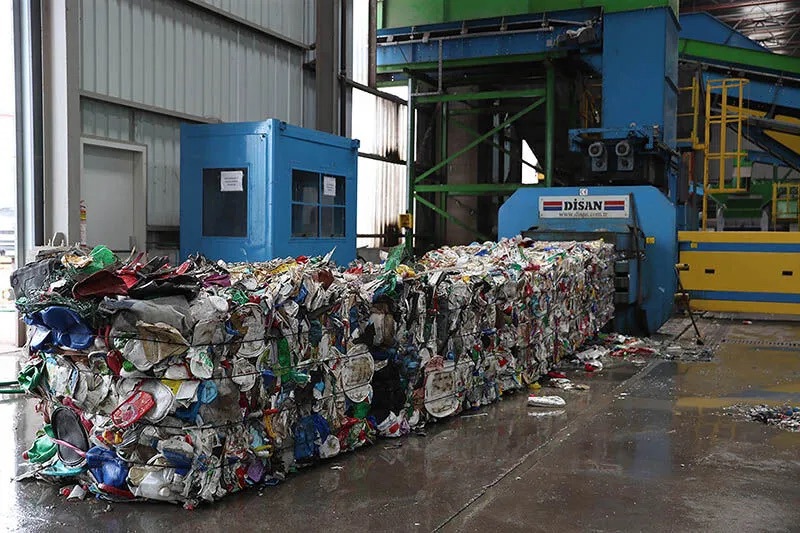
In the Taxonomy Regulation, activities involving the 'manufacture of primary form plastics and manufacture of plastic packaging products' fall under the following headings:
- Mitigation of Greenhouse Gas Emissions
- Climate Change Adaptation
- Transition to a Circular Economy
Commenting on the issue of plastics as well, Prof. Türkeş says, "A life cycle analysis of plastic must definitely be conducted. This is actually a shortcoming."
Touching upon the importance of renewable energy for Turkey, Prof. Dr. Türkeş says, "Increasing the supply of renewable energy within the primary energy supply, especially increasing the share of wind and solar in electricity generation, reduces external dependency in both the fight against climate change and other fossil fuels like oil, natural gas, and coal."
According to Prof. Dr. Murat Türkeş, a life cycle analysis also needs to be conducted for renewables:
Because some renewable energy technologies, like lithium batteries, have environmental impacts during their production and disposal stages. Therefore, they do not fully correspond to instantaneous emission measurements in the taxonomy.
 AA
AA
'Contrary to the logic of taxonomy'
On the other hand, another notable element in the regulation is high-emission industrial manufacturing. Industrial manufacturing activities, such as iron and steel, cement, and aluminum production, as well as the manufacture of primary form plastics, are listed as transition activities.
Ümit Şahin points out that a distinction should be made with production processes in iron and steel that do not use coal, but this was not done in the taxonomy:
When they do not separate this, iron and steel processes that use coal also become 'green,' which is unacceptable. This goes against the logic of the taxonomy itself. Using coal in energy production is not green; why would using it in iron and steel be green? Taking all types of iron and steel production as a single piece without proper definition in the taxonomy frankly looks as if it were done by mistake. After all, how is it any different from coal thermal power plants?
'Turkey must have a very serious dynamic structure for its net-zero target'
Pointing to human-induced greenhouse gas emissions, one of the main causes of climate change, Prof. Dr. Türkeş says, "There are three conditions I find important. For an economic activity to be considered green, it must significantly contribute to at least one of the six environmental objectives. However, it is also stated that it must do no significant harm to the remaining five objectives and meet minimum social protection criteria observing basic labor and human rights, such as a just transition. These are important."
Noting that Turkey must have a very serious dynamic structure in climate-related regulations to achieve its net-zero targets and alignment with the EU within the scope of the fight against climate change, Prof. Dr. Türkeş says:
I think additional regulations and measures that do not relax the technical screening criteria, and even strengthen this regulation over time, can be made here.
Where is the solution?
In a statement given to bianet by the Chamber of Environmental Engineers (ÇMO), the solution to the critical problems in the regulation and the pursued climate policy was pointed:
Policies should be implemented with the understanding that water, soil, forests, ecosystems, and biodiversity are not merely an economic resource, but life itself, and professional chambers must be made part of this process while implementing these policies.
As the ÇMO İstanbul Branch, we demonstrate through technical reports we have prepared for years that the relationship between protecting İstanbul's natural assets and urbanization and investment policies cannot be ignored.
In our work on Kanal İstanbul and the Yenişehir Reserve Areas, İstanbul's water basins, northern forests, and coastal areas, we shared with the public the impacts of transportation, industry, construction, and large-scale investments not only within their own project boundaries, but on the whole city, and even on the Marmara and Black Seas.
Finally, emphasizing that large-scale projects threatening natural life must be abandoned, the statement reiterated the demand to exit fossil fuels:
Turkey's climate policies should be reevaluated, the use of fossil fuels should be terminated, and nuclear energy projects carrying disaster risks should be avoided.
Turkey's targets same as the EU
The implementation of the EU Taxonomy Regulation is seen as one of the cornerstones of the EU's sustainable finance framework and an important market transparency tool. The EU Taxonomy was put forward with the goal of helping direct investments into economic activities most needed for the transition in line with the European Green Deal targets. It is a classification system defining criteria for economic activities compatible with the net-zero target by 2050 and broader environmental goals beyond climate.
In the EU, the Taxonomy Regulation entered into force on Jul 12, 2020. The EU Taxonomy includes the following objectives:
- Mitigation of greenhouse gas emissions,
- Climate change adaptation,
- Protection and sustainable use of water and marine resources,
- Transition to a circular economy,
- Pollution prevention and control,
- Protection of biodiversity and ecosystems.
The objectives included in the Turkey Green Taxonomy are identical to those of the EU.
What do the reports say?
In a publication titled "Decarbonization of the Turkish Steel Sector: Policy and Actor Analysis," written by Dursun Baş in May 2025 for the İstanbul Policy Center (IPC), the following statements are included regarding the EU Taxonomy:
"EU Taxonomy regulations have established the classification framework and infrastructure for sustainable activities. The EU Corporate Sustainability Reporting Directive (CSRD) and the EU Sustainable Finance Disclosure Regulation (SFDR), which are related to sustainable finance regulations, are also part of this framework."
The study published by the IPC examines the policy framework shaping the steel sector's decarbonization process, the approaches of key actors influencing the process, and the existing capacity and limitations of the system:
"The fact that the sector has been and continues to be on the agenda with environmental problems causes the image of a 'dirty industry' to persist among the public. In contrast, industrial pollution control and prevention regulations aimed at controlling pollutant emissions and increasing resource and energy efficiency for both existing and new facilities remain inadequate. The necessary institutional structuring efforts have not yet begun."
The notable findings of the study are as follows:
- Decarbonization of the steel sector is not a process that raw steel producers can achieve alone.
- Concrete, measurable, and binding environmental, energy, and climate policy regulations to guide the decarbonization of the steel sector have not been developed.
- An integrated environmental permit and information system for managing pollutant emissions from steel production facilities has not been established.
- Technological transformation in the steel sector is progressing slowly and weakly due to a lack of institutional infrastructure, concrete steps, and planning suited to local conditions.
- Demand for low-carbon steel has not yet become a strong agenda item among steel-consuming sectors in Turkey.
- Electricity generation based on fossil fuels increases indirect emissions from the steel sector and makes achieving decarbonization targets difficult.
(CA)