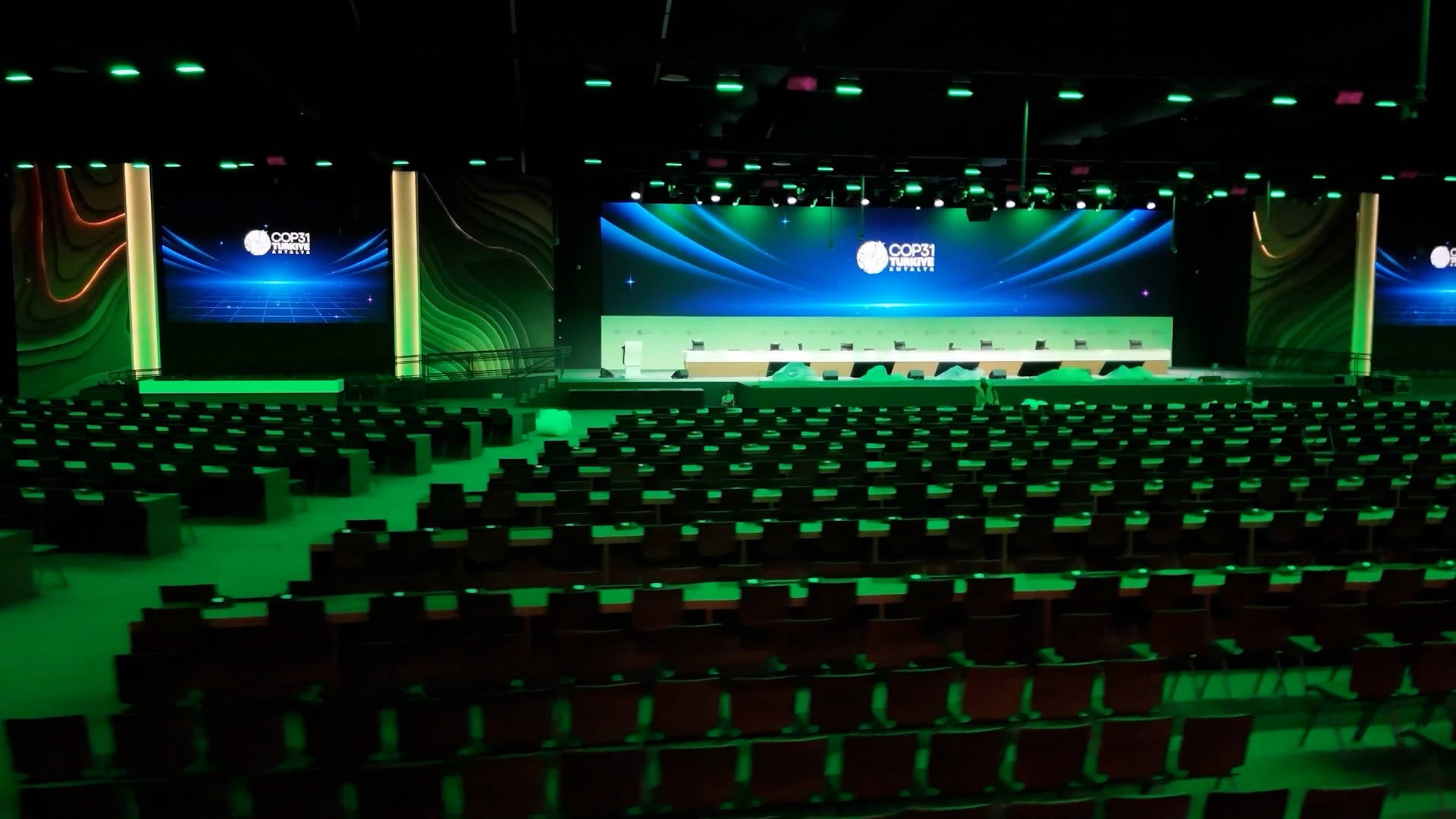


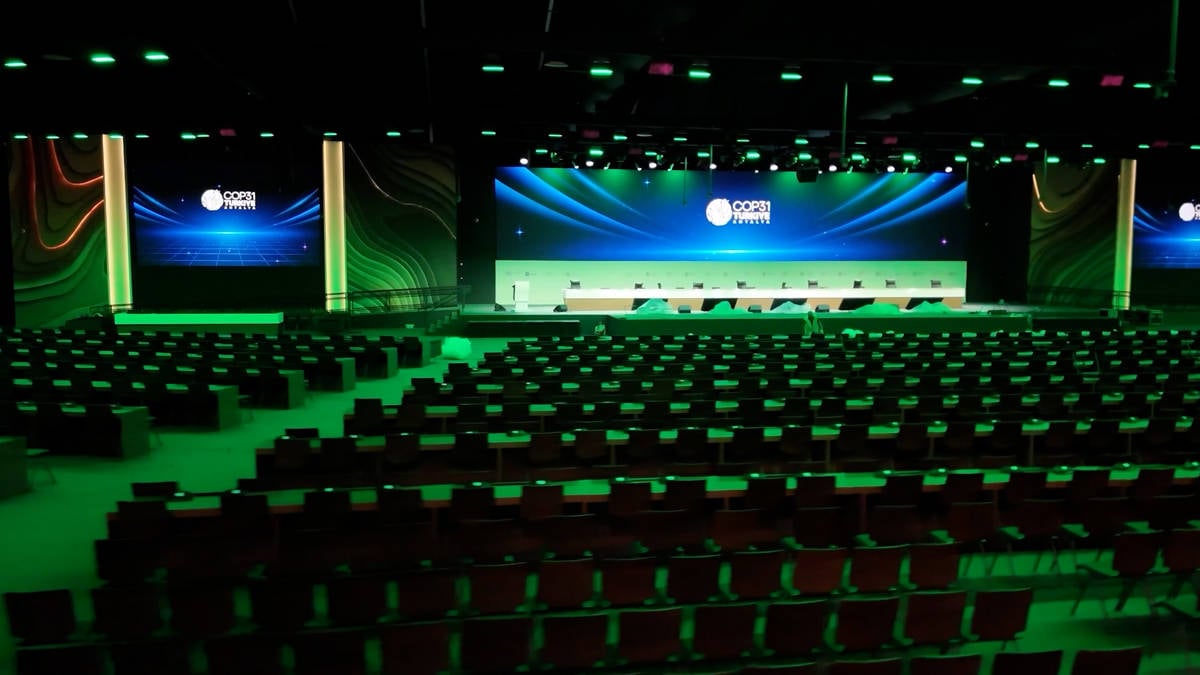


Speakers and panelists taking part in the UN Climate Change Conference (COP31) will be required to sign a declaration pledging that their presentations comply with the law and "public morality," Spot Basın Kooperatifi reported.
The conference, which will focus on the climate crisis, sustainability and the green transition, is scheduled to take place in Antalya from Nov 9 to 20.
The declaration applies to speakers participating in events in the Green Zone, which is managed by the host country, rather than the Blue Zone, the UN-administered area where official negotiations take place, according to the report.
No provision regarding "public morality" appears in the UN Framework Convention on Climate Change (UNFCCC) code of conduct, which applies to its events. The rules are based on principles including human rights, equality, participants' dignity and maintaining a safe environment.
The code explicitly prohibits discrimination, harassment and sexual harassment, as well as derogatory language based on sexual orientation or gender identity. The declaration prepared for the Green Zone, however, does not explicitly include sexual orientation or gender identity among its listed grounds for discrimination.
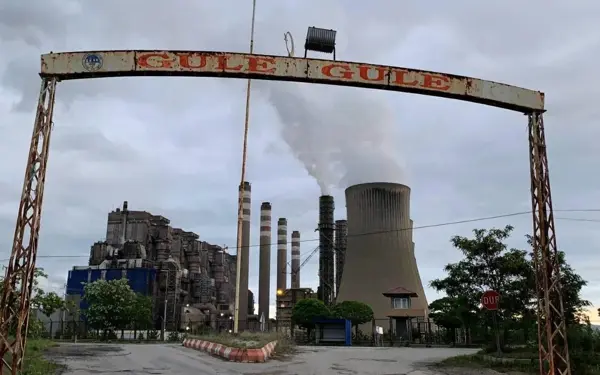
COP31 must deliver beyond Antalya’s conference halls
Self-censorship concerns
Lawyer Özlem Altıparmak, who will attend the conference, confirmed to Spot Basın Kooperatifi that she had also received the document. She said she had not encountered such a requirement at previous COP conferences she attended.
"The inclusion of the undefined condition of 'public morality' creates legitimate uncertainty over how statements concerning gender equality and LGBTI+ rights will be treated," she said. "We cannot say that the text explicitly prohibits them, but it does not provide sufficient safeguards against arbitrary interpretation."
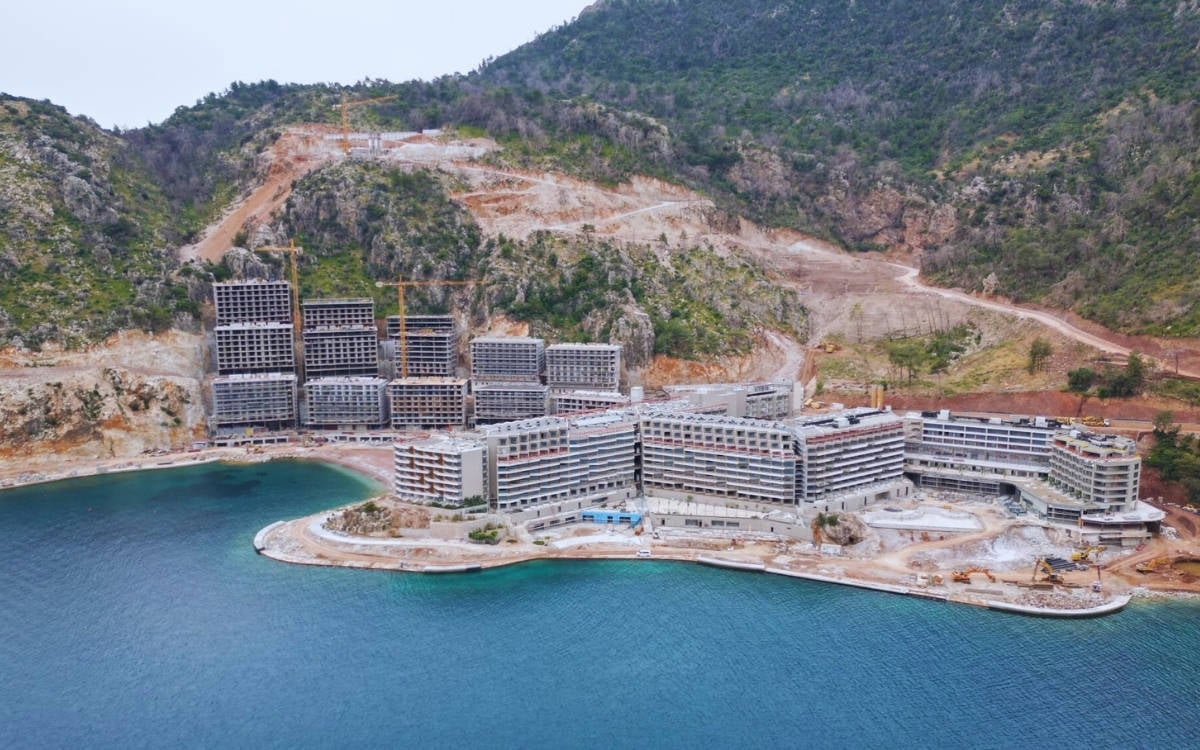
'Staggering hypocrisy': Activists condemn Sinpaş Holding's 'climate supporter' role at COP31
Altıparmak raised concerns about provisions that could allow speeches to be interrupted on "public morality" or "propaganda" grounds. "As a lawyer and civil society representative, I find this practice disturbing," she added.
"The possibility of interrupting a speech based on vague expressions such as 'public morality' and 'propaganda' for or against any person or viewpoint raises serious issues in terms of legal certainty and proportionality," she further said. "Such provisions could restrict legitimate criticism and lead speakers to self-censor.
"Criticizing climate policies and rights violations is a fundamental function of civil society. Meaningful and effective participation at COP31 requires not only being present in the room, but also being able to voice criticism freely."
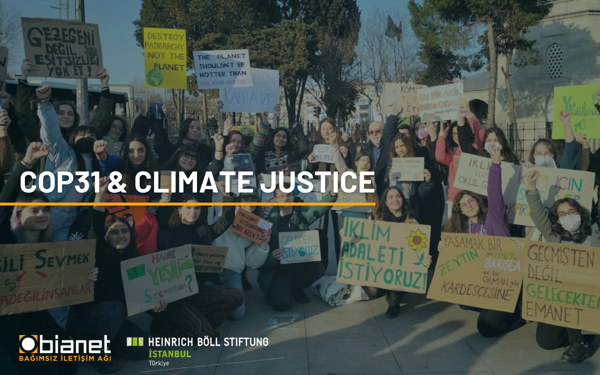
COP31 and Climate Justice
(VK)