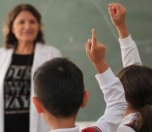



Turkey recorded some of the largest gains among OECD countries in the 2025 Programme for International Student Assessment (PISA), improving its scores and rankings in science, reading and mathematics compared with 2022.
The results released yesterday by the OECD showed that Turkey ranked 19th among 91 countries in science, 18th in reading and 28th in mathematics. It rose 15 places in science, 18 in reading and 11 in mathematics.
The country moved above the OECD average for the first time in science and reading and reached the OECD average in mathematics.
Turkey’s science score increased by 18 points from 2022 to 494, while its reading score rose 16 points to 472 and its mathematics score climbed nine points to 462.
More than 760,000 15-year-old students from 91 countries and economies participated in PISA 2025, which assesses skills in reading, mathematics and science.
Average scores decline
The gains in Turkey came as performance declined substantially across OECD countries, particularly in reading and mathematics. Between 2015 and 2025, average OECD scores fell by 28 points in reading, 22 in mathematics and 7 in science.
About 29 percent of 15-year-olds across OECD countries were classified as low performers in all three subjects.
National Education Ministry data showed that Turkey improved its relative ranking by more than 50 percent in all three fields between 2003 and 2025.

The OECD reality: Are the numbers speaking, or is the perception being managed?
Socioeconomic disparities
Despite Turkey's gains in overall scores, the socioeconomic gap between its students remain significant, PISA figures showed.
Students in Turkey from the most advantaged 25 percent of households scored 81 points higher in science than those in the least advantaged 25 percent.
The science performance gap between advantaged and disadvantaged students widened in Turkey between 2015 and 2025, while it narrowed across OECD countries.
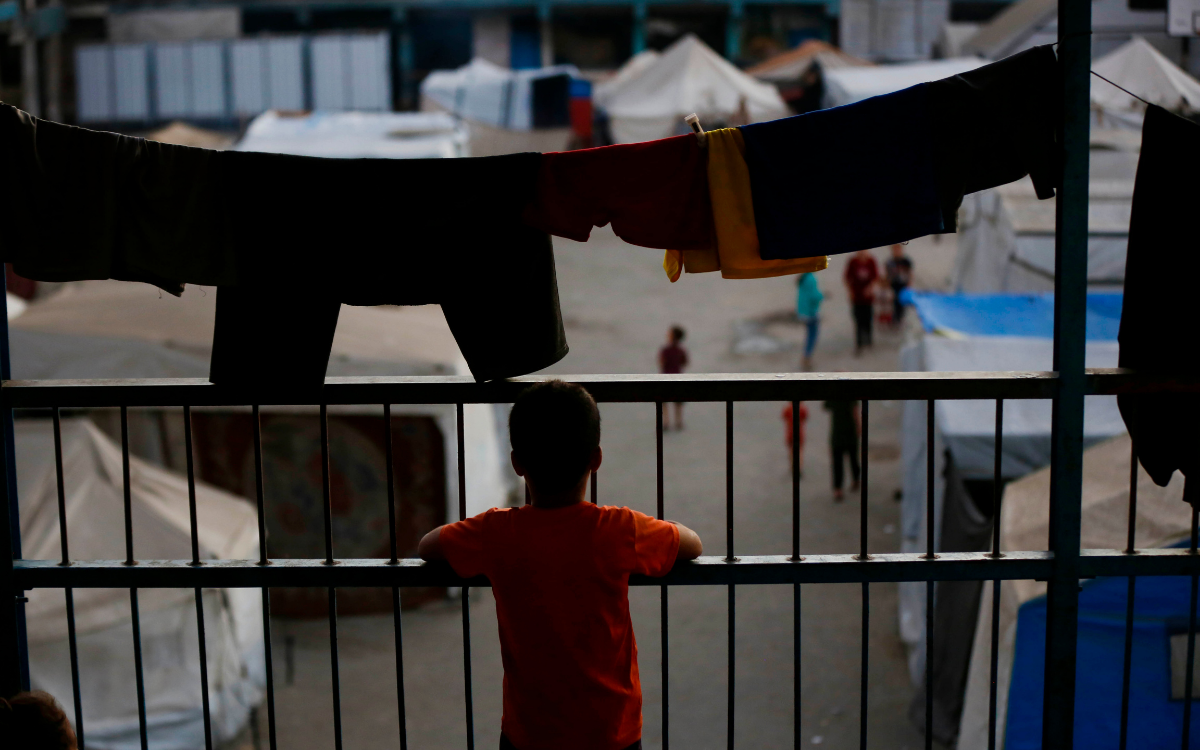
Poverty grips Turkey’s children amid policy inaction
Over 40 percent of students eperience deprivation
PISA 2025 also examined material and social deprivation. Material deprivation included lacking access for financial reasons to basic clothing, footwear, new clothes or bathing facilities. Social deprivation covered limited access to paid leisure activities, games at home and outdoor activities.
In Turkey, 41.6 percent of students experienced at least one form of deprivation. Material deprivation affected 34.3 percent, while 18.9 percent experienced social deprivation.
Across participating countries, students experiencing any form of deprivation scored an average of 52 points lower in science than their peers who did not. The gap reached 64 points for students experiencing material deprivation and 53 points for those experiencing social deprivation.
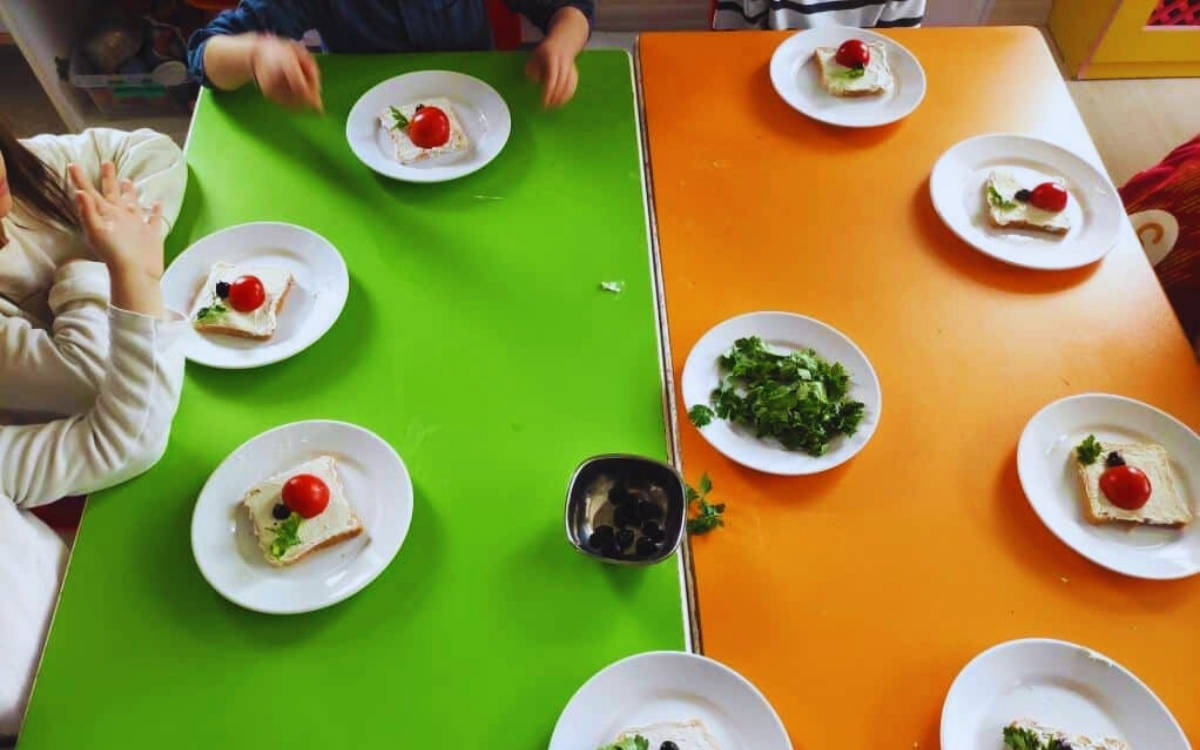
'One in four children in Turkey goes to school hungry'
Resource shortages
The report also identified staffing and resource shortages at schools. Eight percent of students in Turkey attended schools where principals said a lack of teachers hindered instruction.
Shortages of non-teaching staff were more widespread. Forty-three percent of students attended schools where principals said such shortages disrupted education at least to some extent, compared with an OECD average of 39 percent.
Twenty-four percent of students in Turkey attended schools lacking educational resources such as textbooks, information technology, library materials or laboratory equipment. Another 14 percent studied in schools with shortcomings in facilities such as buildings, schoolyards or heating systems.
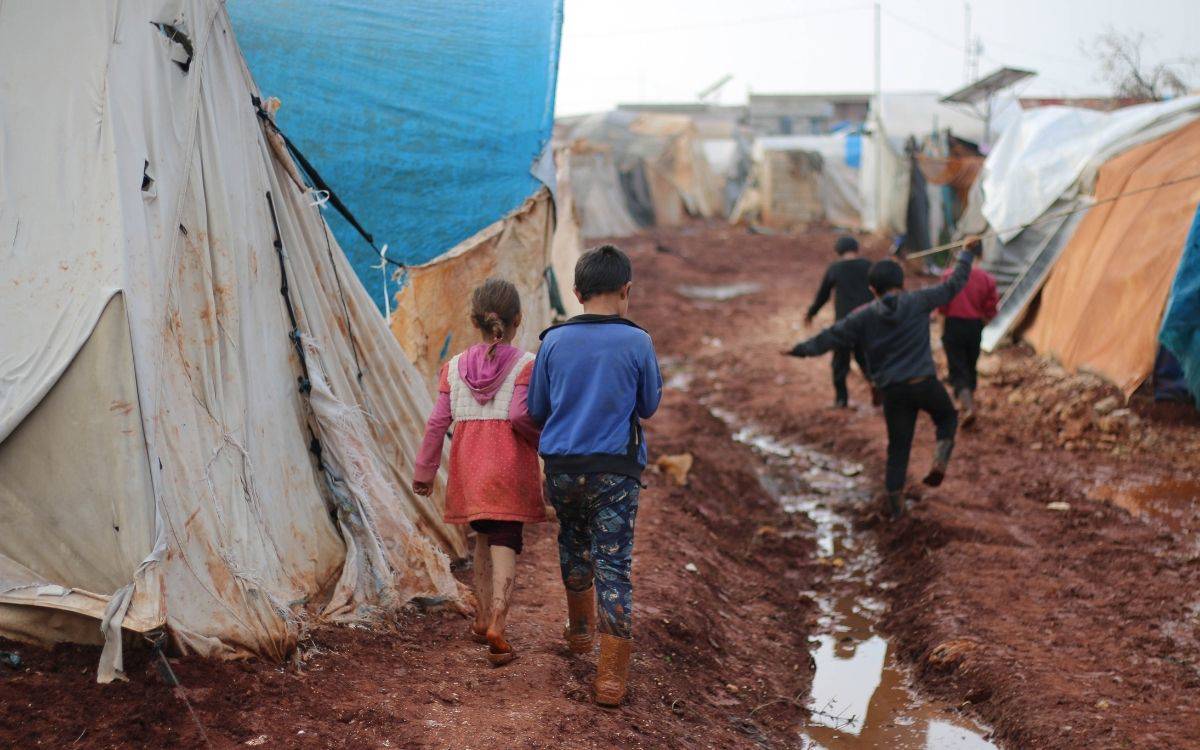
Two million children in Turkey in ‘absolute poverty’
Absenteeism well over OECD average
Absenteeism in Turkey was also well above the OECD average. Fifty-three percent of students said they had missed at least one full day of school during the two weeks before the PISA assessment.
The figure was 52 percent in 2018 and 53 percent in 2022, compared with an OECD average of 22 percent in 2025.
Forty-nine percent of students in Turkey said they had been late for school at least once, close to the OECD average of 50 percent. The report also found that 28 percent of students in Turkey considered school "a waste of time," compared with an OECD average of 24 percent.

Over 800,000 children in Turkey are out of education, report finds
Bullying remains high across OECD countries
Bullying also remained widespread across all countries. In Turkey, 21.4 percent of students said they experienced at least one form of bullying several times a month or more, compared with an OECD average of 20 percent.
Some 15.7 percent said other students had made fun of them, while 3.2 percent reported being threatened. Three percent of students in both Turkey and the OECD overall said upsetting information about them had been posted online several times a month or more. (VK)