










sa.jpg)


bianet'in özel bildirimlerine izin vererek önemli gelişmelerden haberdar olabilirsiniz.
Turkey dismisses concerns over crane use in Hagia Sophia restoration
Authorities say the construction machinery is operating on a specially designed platform, not directly on Hagia Sophia’s surface.

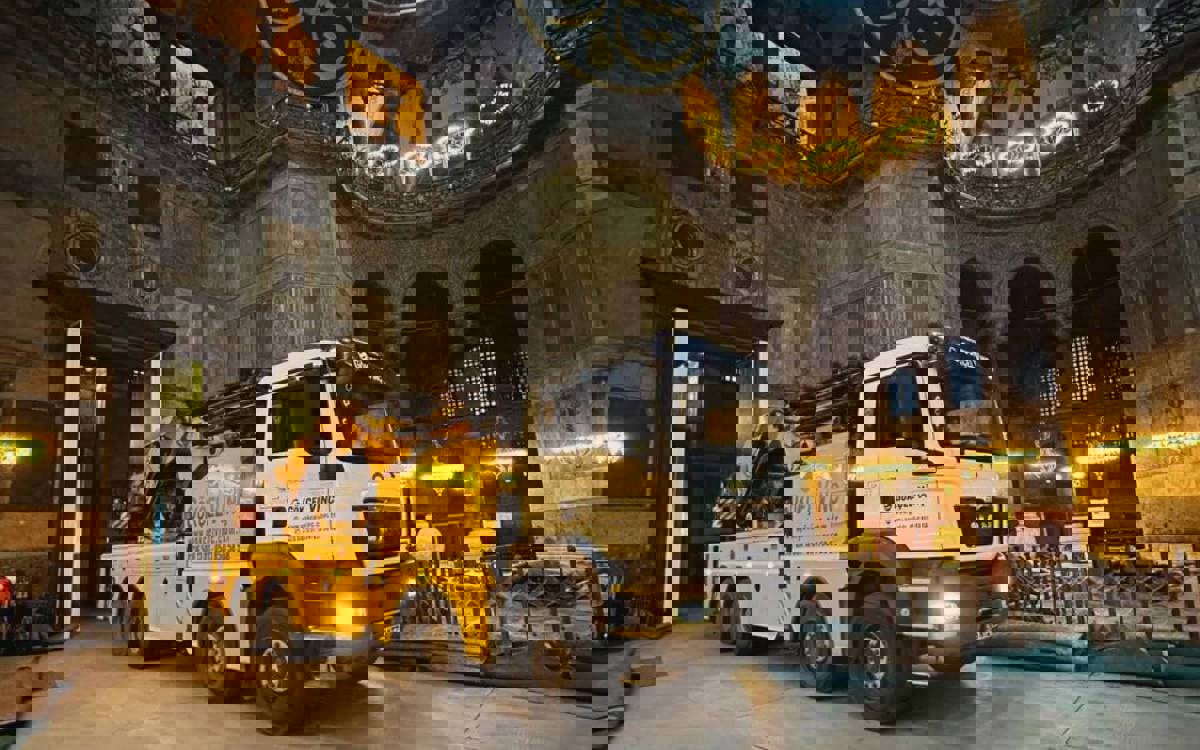


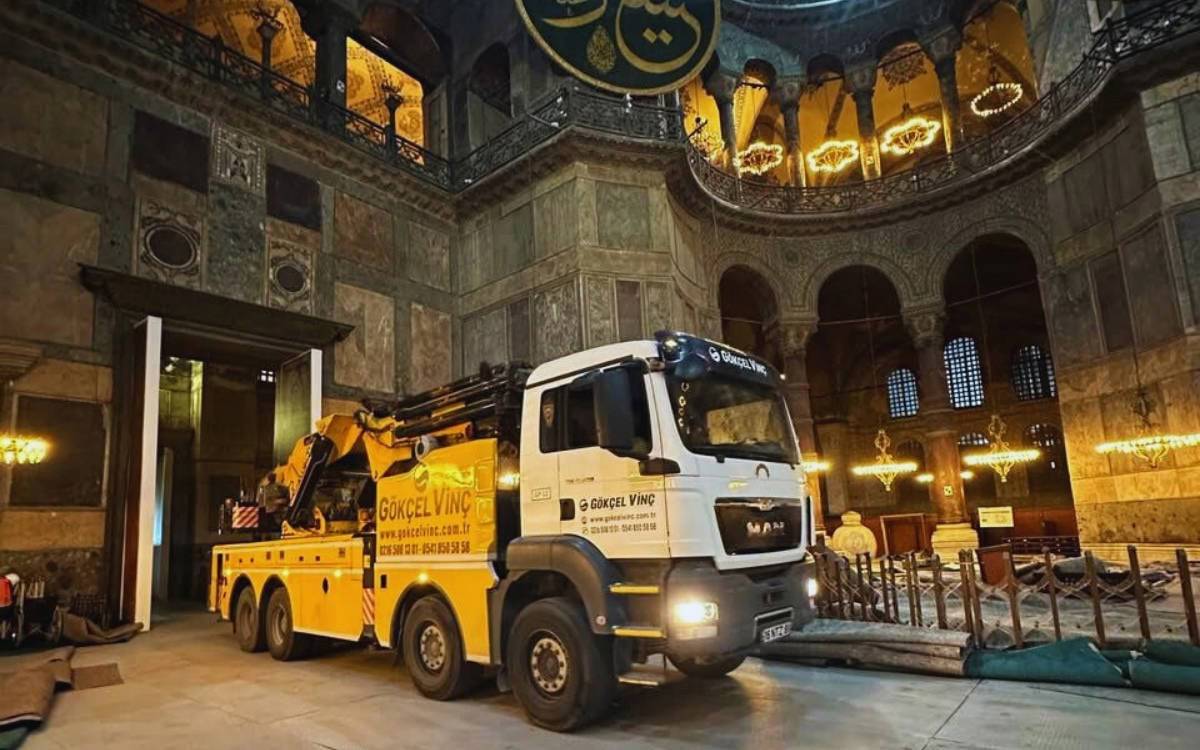
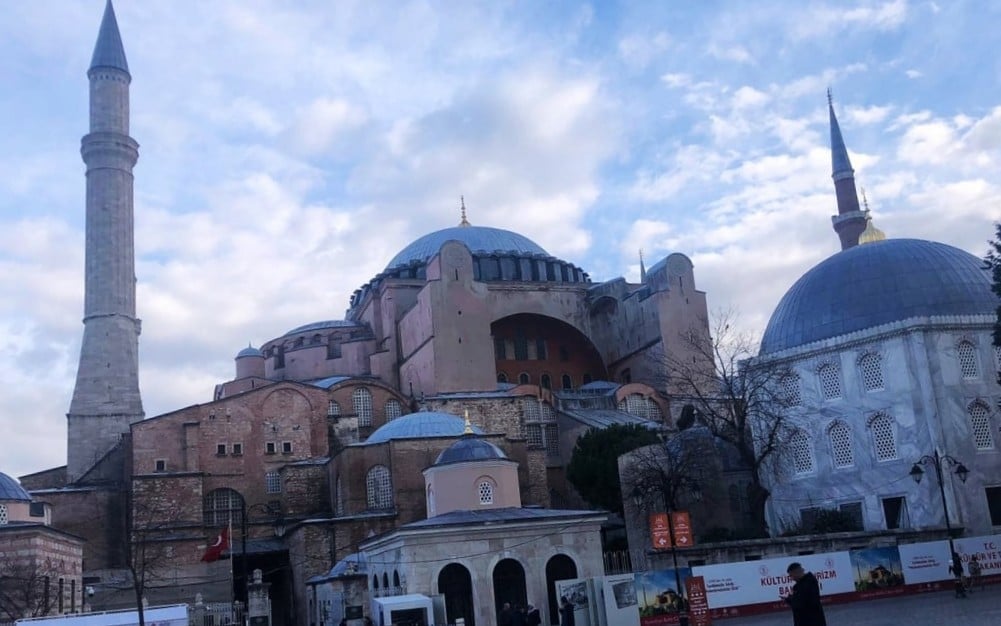
Authorities have dismissed public concerns over the use of heavy cranes and construction vehicles during restoration work at the Hagia Sophia mosque, following criticism that the equipment could damage the historic building’s marble floors.
The issue came to light after photos posted on Nov 23 by Şerif Yaşar, head of the Art History Association (STD), showed trucks and heavy machinery entering the structure through the Imperial Gate and moving across the interior. In his post, Yaşar described the scene as a "scandal" and called on Culture and Tourism Minister Mehmet Nuri Ersoy to intervene.
The images sparked debate online, with some warning that vehicles weighing up to 45 tons could harm the centuries-old marble surface.
Bu akşam Ayasofya’da bir restorasyon skandalı yaşanıyor. Maalesef yüksek tonajlı iş makineleriyle Ayasofya camisinin içine, tarihi mermerlerin üzerinden kamyonlarla geçiliyor. Sayın Bakanım sizce de burada bir yanlış yok mu.Müdahale edilmesini bekliyoruz. @MehmetNuriErsoy pic.twitter.com/FaFzh6qCgW
— Şerif Yaşar (@SerifYasarSY) November 23, 2025
The General Directorate of Foundations, under the Culture and Tourism Ministry, responded to the claims in a Nov 24 statement, clarifying that all heavy equipment was operating on a specially constructed platform designed to support their weight.
“The restoration work launched to ensure the Hagia Sophia Grand Mosque, which has stood for nearly 15 centuries and survived three major destructions, is passed on safely to future generations continues under our supervision,” the statement said.
Restoration efforts began in 2023 and include structural upgrades to improve the building’s earthquake resistance. Hagia Sophia, originally built as a cathedral in the 6th century and reconverted into a mosque in 2020 after serving as a museum for 86 years, is a UNESCO World Heritage Site.
'Approved by a scientific committee'
According to the direactorate's statement, four main columns, each 43.5 meters tall, were installed inside the mosque to support a temporary steel structure over the main dome. This structure is intended to protect the mosaics and interior from seasonal weather during repairs to the lead covering on the dome’s exterior.
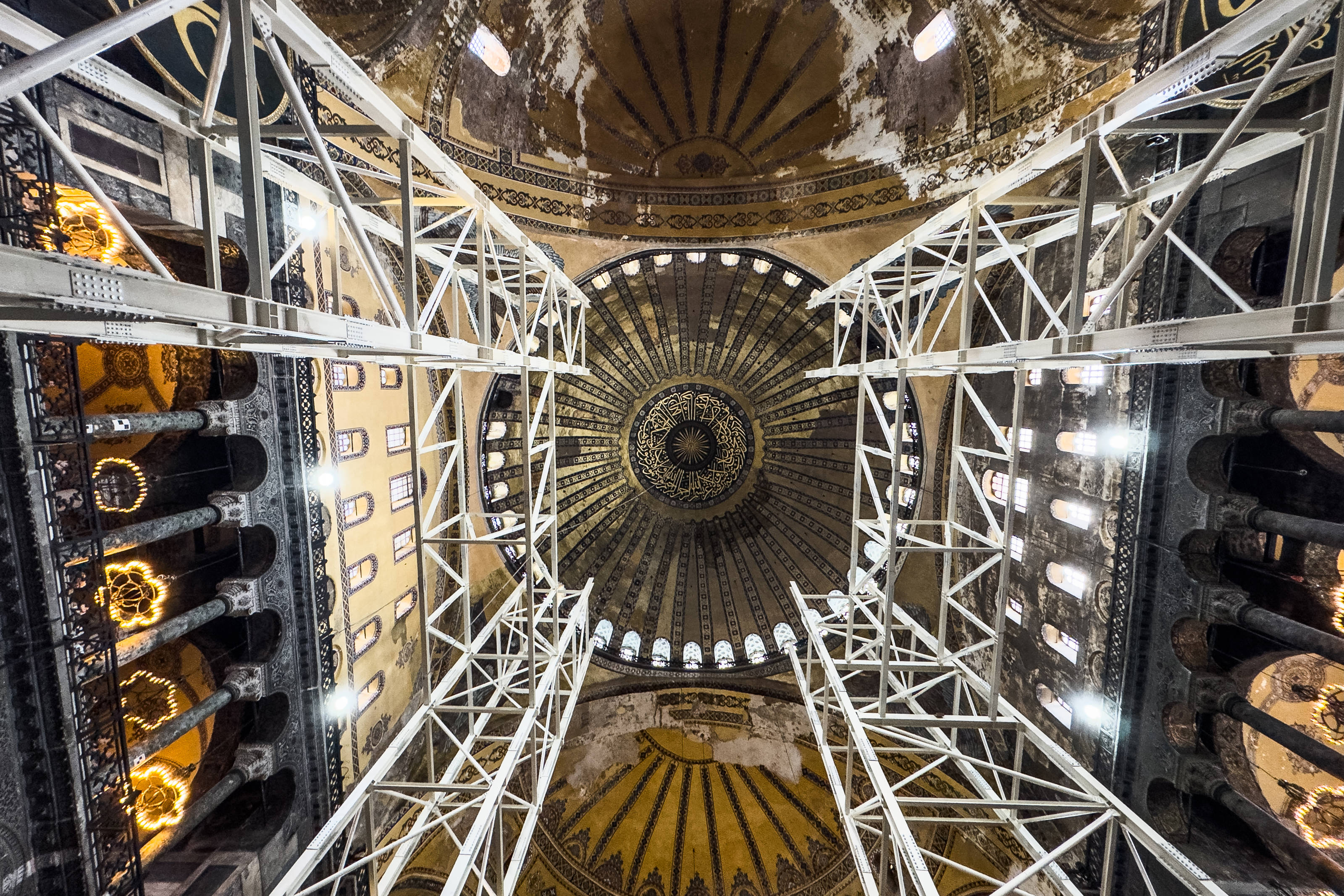
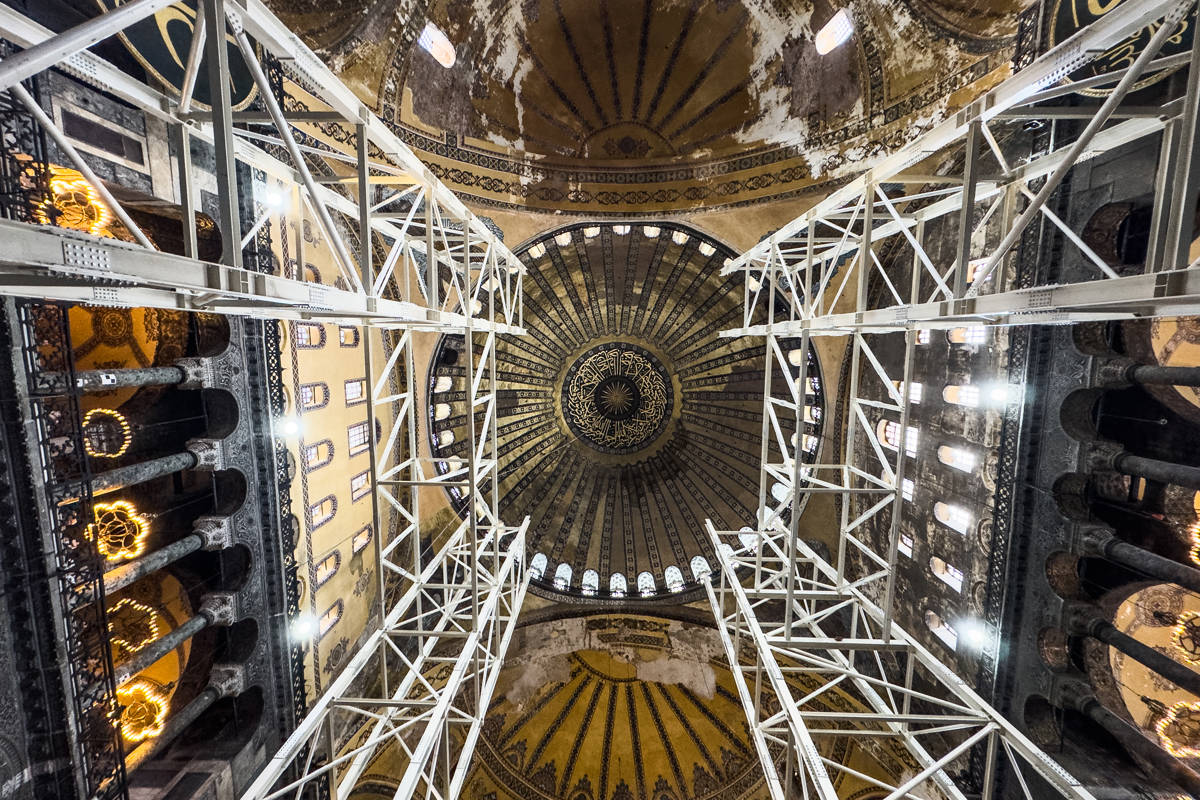
The directorate said that the use of construction vehicles was approved by a scientific committee. Entry routes and static load tests were conducted in advance.
“It was determined that the ground could support 25 tons per square meter, and a reinforced system with a capacity of 30 tons per square meter was built as a protective measure,” the directorate said. The heaviest vehicle planned for use weighs 45 tons, distributing only 6 tons per square meter, well within the limits.
The steel platform was installed from the western courtyard entrance to the inner and outer narthex areas, using precast and wooden supports to protect the marble floor while enabling vehicle access. (VK)
related news
Hak odaklı, çok sesli, bağımsız gazeteciliği güçlendirmek için bianet desteğinizi bekliyor.
related news