













Held in Ankara on Nov 19–20, the Trans Workshop brought together 56 trans rights activists and 31 civil society organizations from across Turkey.
Organized at the initiative of Pembe Hayat, Muamma LGBTİ+, Kırmızı Şemsiye, 20 Kasım, 7 Renk LGBTİ+, Kapsama Alanı, and the Hande Kader organizations, the workshop focused on the current rights violations faced by the trans community and discussed strategies for resistance.
The final report published yesterday revealed that trans people are under a multilayered siege through state policies and hate speech.
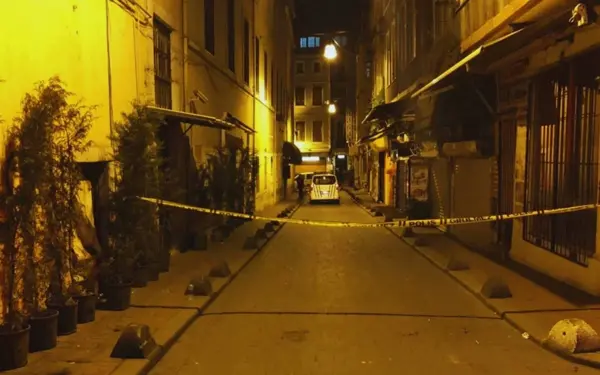
Drone-backed police operation targets trans women in Beyoğlu: ‘We’re too afraid to work’
Hormones, transition process, and non-consensual interventions
The report states that the draft versions of the 10th and 11th Judicial Packages directly target trans people’s gender transition processes.
Proposals to raise the minimum age for transition to 25, set a 21-year age limit for access to hormones, and permit non-consensual surgeries on intersex people were identified as clear violations of bodily autonomy.
Participants stressed that such restrictions push trans people toward underground and unsafe methods, effectively eliminating their right to healthcare. According to the report, the state seeks to control not only trans bodies but also their emotions, desires, and self-care practices.
Police violence and profiling
Another major topic highlighted during the workshop was systemic police violence against trans people on the streets.
The report noted that trans people are arbitrarily detained, profiled, penalized under the Misdemeanors Law No. 5326, and targeted with charges of “obscenity.”

İstanbul police detain trans women for ID checks amid profiling concerns
In many cities including İstanbul’s Bayram Street and Tarlabaşı, as well as İzmir and Diyarbakır, trans people’s homes have been sealed. Authorities reportedly collaborated with landlords and local shopkeepers to exclude trans people from their neighborhoods.
The banning of Pride Month events and the criminalization of rainbow symbols further exposed the extent of repression against freedom of assembly and expression.
Proposed solutions
According to the report, housing remains a crisis area in itself for trans people.
Early separation from the family home, poverty, discrimination, and urban transformation policies push trans people into precarious living conditions. Discriminatory behavior from landlords and real estate agents, exclusion even in shelters, and arbitrary home closures have all contributed to the effective denial of the right to housing.
Despite this oppressive climate, the report emphasized that the workshop’s strongest outcome was the collective resolve to expand organized resistance.
Recommendations included strengthening solidarity networks, developing specialized housing models for trans people, continuing campaigns for access to hormones, and increasing lobbying efforts for legal reforms to protect trans people.
(TY/VK)

