









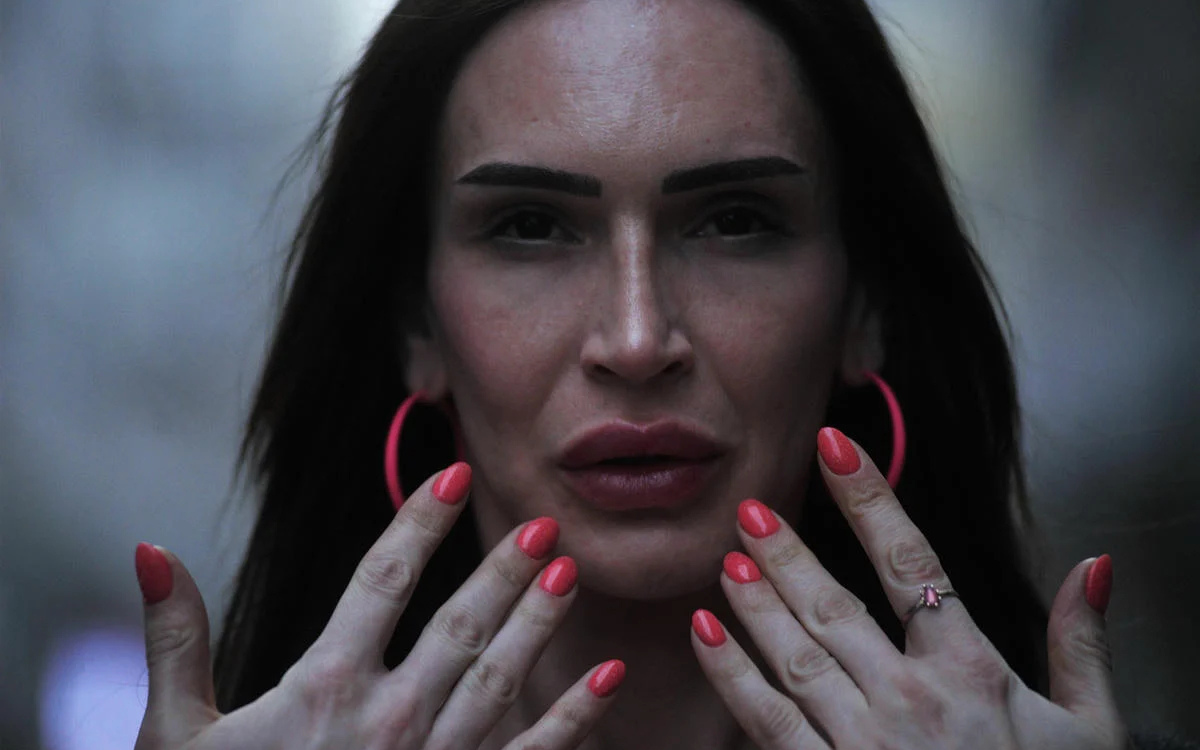



Trans actor Meli Bendeli was formally arrested on Sep 6 as part of an “obscenity” investigation into public figures.
The investigation, led by the Kızılcahamam Chief Public Prosecutor’s Office in Ankara, targeted seven people in simultaneous operations across five provinces on Sep 5. Police detained five people, including Bendeli and singer Tuğba Ekinci.
The suspects were accused of sharing allegedly “obscene” images for payment through subscription-based features on various social media platforms.
After questioning, a judge ordered the ordered the arrest of four, including Bendeli and Ekinci, while one was released under judicial supervision.
The investigation is being conducted under Article 226 of the Turkish Penal Code, which regulates “obscenity.”
Bendeli rejects allegations
In the questioning, Bendeli confirmed that photographs shown to her during questioning belonged to her and that she personally manages her YouTube, Instagram, TikTok and X accounts.
She rejected the obscenity allegation, saying her posts showed aspects of her daily life and she did not consider her posts obscene.
“I do not have any content in which my sexual organs are visible,” she noted.
Bendeli also said she applies an age restriction for users over 18 to her broadcasts on TikTok and YouTube.
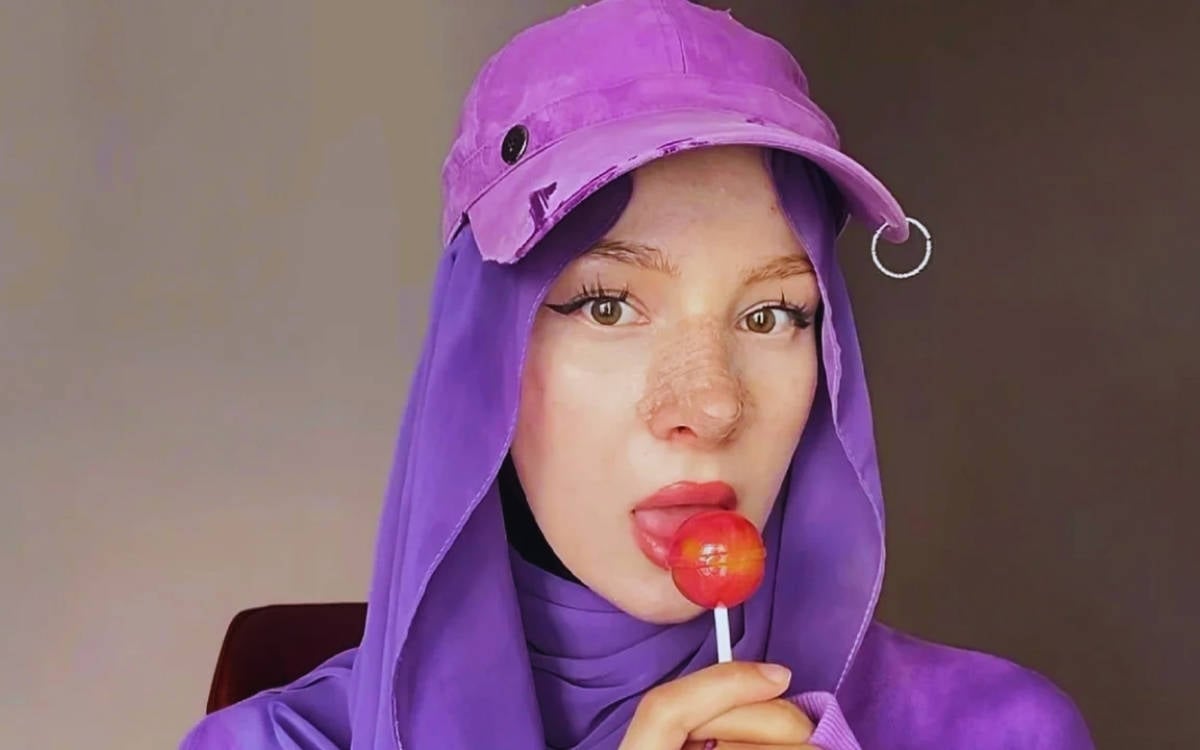
Influencer Fatma Soydaş jailed over 'obscene content'
Discrimination in the acting industry
Bendeli said she had to rely on social media for income due to the discrimination she has faced in the acting industry.
“I have to make my entire living from my social media accounts because I am not given work because of my gender identity,” Bendeli told prosecutors.
She was earning money through social media to cover the cost of surgery required to complete her gender transition process, she said.
Bendeli has previously spoken publicly about discrimination in the entertainment industry after coming out as trans. In 2023, she said she had been removed from a television project because of her trans identity.
.jpg)
Meli Bendeli: 'Fed up being shelved each time, I speeded up my reassignment process'
A broader policy targeting LGBTI+ community
Several LGBTI+ organizations called for Bendeli’s release in a joint statement on Sep 7, arguing that her arrest was part of a broader pattern of legal pressure targeting the queer community.
“The arrest is not an isolated judicial action,” the statement said. “It is the latest link in a systematic policy of pressure targeting LGBTI+s, LGBTI+ organizations, rights defenders, experts, journalists and artists.
“We are facing a comprehensive system of pressure extending from administrative inspections to closure cases, access bans and broadcast bans, and from criminal investigations to arrests.
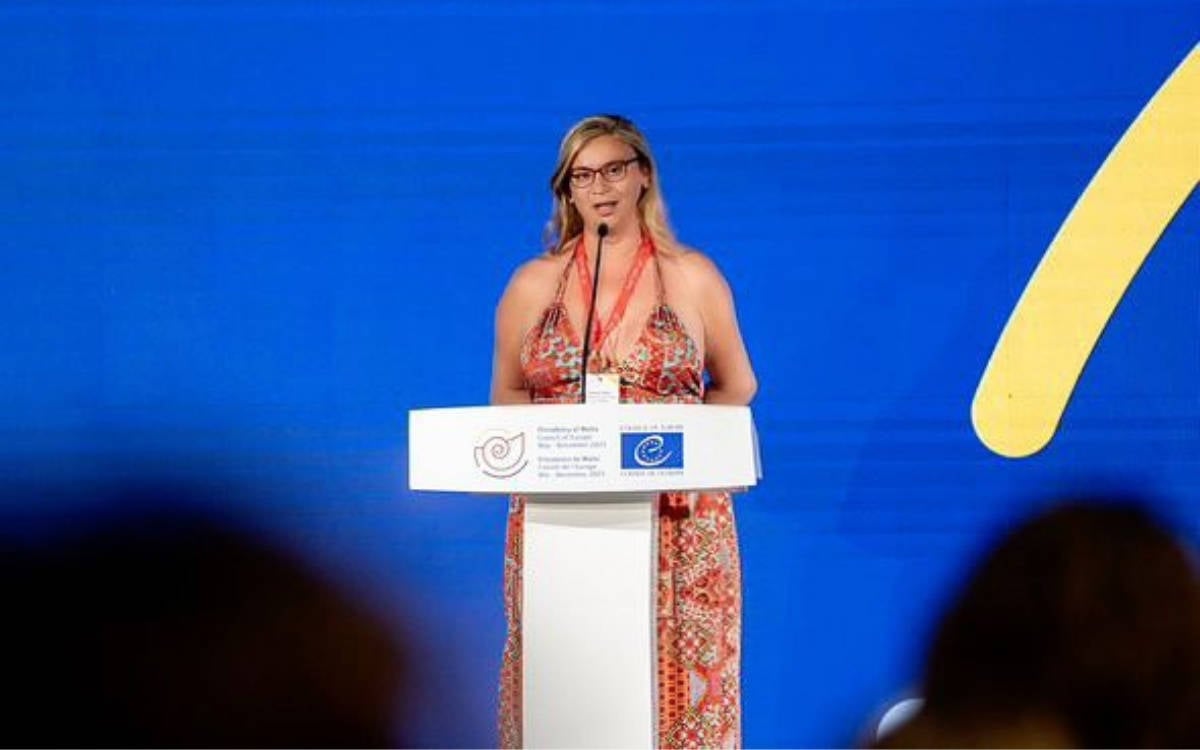
Trans activist Janset Kalan sentenced for 'obscenity' over photo showing 'cleavage'
The groups noted that these investigations and court rulings cite behavior "contrary to biological sex at birth" as grounds for legal action, which aligns with government discourse but lacks a legal basis.
“The judiciary’s duty is not to impose the government’s conception of an acceptable life on society,” the statement added. “Criminal law cannot be turned into a tool for removing LGBTI+s from public life or suppressing freedom of association, expression, the press, science and the arts.”
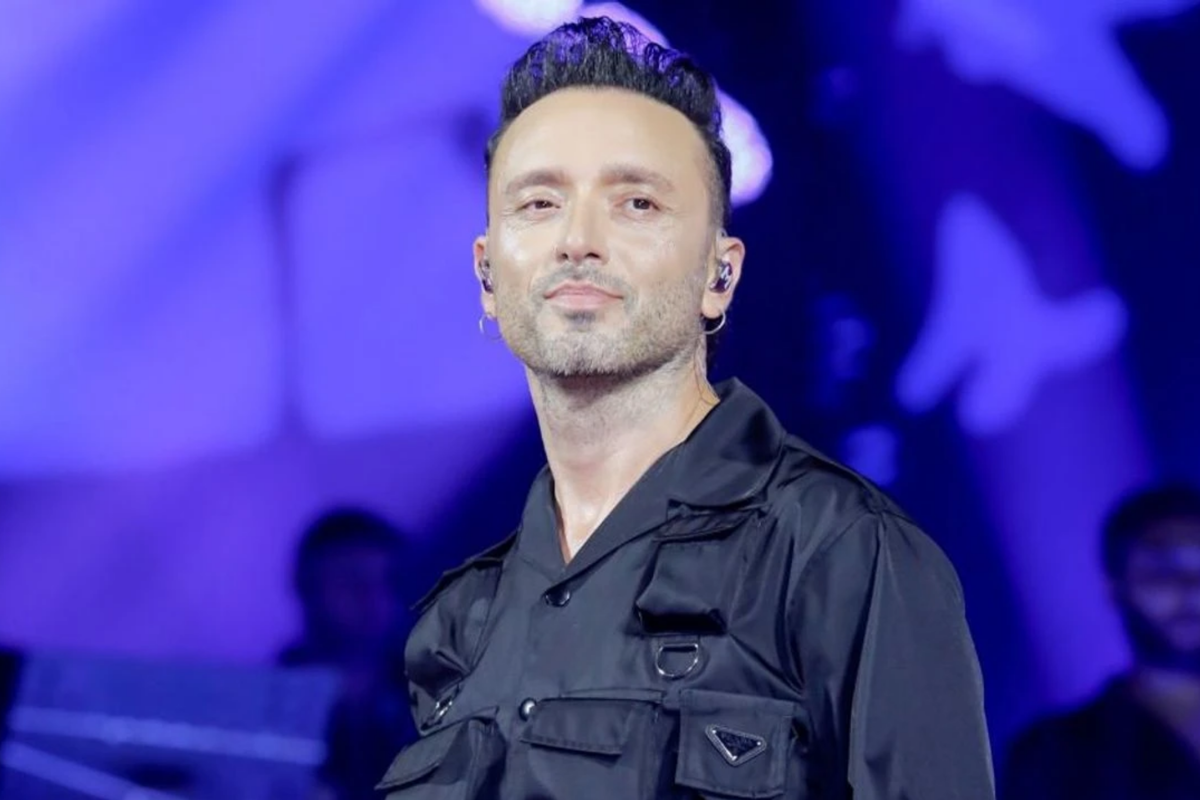
Queer singer Mabel Matiz given travel ban in ‘obscenity’ probe over song lyrics
The statement listed a series of incidents in which LGBTI+s and LGBTI+ organizations were directly affected, including:
The closure of an LGBTI+ association,
The prosecution of 11 of the association’s executives in a penal court,
The banning of an artist’s works,
The monitoring of trans women’s social media accounts,
The removal of LGBTI+ content from digital platforms,
Access bans on the accounts of journalists and rights organizations,
Investigations into publications on intersex rights,
The arrest of a trans actor.
Obscenity investigations
Authorities in recent years have increasingly pursued investigations under obscenity provisions, initially targeting adult-content creators but later extending cases to other forms of media content, including non-explicit social media images, song lyrics and verbal statements.
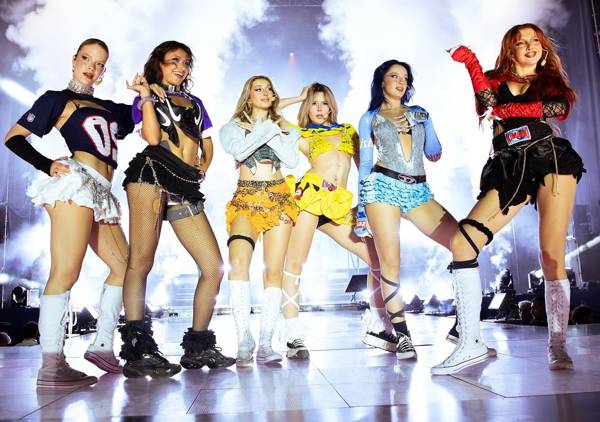
Turkey expands ‘obscenity’ investigations to musicians as 'girl band' given travel ban
The investigations are based on article 226 of the Turkish Penal Code, which prohibits the publication of obscene material through the media and covers both general obscenity and obscenity involving children. The law, however, does not provide a specific definition of what constitutes obscene material.
Publishing or facilitating the publication of obscene images, writing or speech is punishable by six months to three years in prison and a judicial fine of up to 5,000 days. (VK)

