



Although energy poverty is most commonly viewed in the context of the lack of access to heating during the winter, it has also come under scrutiny as human-driven climate change leaves vulnerable communities exposed to rising temperatures. As monthly temperature records continue to break, driving up heat-related deaths, the right to cooling and relief from extreme weather has also gained a place on the public agenda.
Ahead of COP31, we spoke about the matter with Sinan Erensü from Center for Spatial Justice, Remzi Çelik from the Urban Heat Island Initiative, and Arif Künar from the Association for Fighting Energy Poverty (ENYOKDER). We also tallied the bill for the summer based on a survey answered by our readers.
In its recommendation issued on Oct 14, 2020, the European Union Commission defines energy poverty as a situation in which households are unable to afford their basic energy needs.
The Union of Chambers of Turkish Engineers and Architects (UCTEA) Chamber of Mechanical Engineers 2026 report states that in Turkey, energy is not merely a matter of the poverty of energy that should be provided to citizens as a basic public service, but also an issue of general poverty. The EU Commission recommendation decision also includes the following statements:
Access to adequate heating, cooling, lighting, and energy to power appliances are essential services that underpin a decent standard of living and health.
The trajectory of energy poverty
Sinan Erensü from the Center for Spatial Justice says that until a decade ago, energy poverty was discussed in terms of access to energy resources. Erensü notes that with energy prices rising significantly over the past 15 years and accounting for a large portion of household budgets, the concept began to be discussed in Europe and the US. He outlines the current scope of energy poverty as follows:
This new scope encompasses energy poverty as both access to energy technologies and ensuring they do not strain household budgets. Furthermore, with the vulnerability brought by climate change, it involves obtaining this energy as much as possible from renewable sources and in a healthy manner.
'This is a decoupling'
The TMMOB Chamber of Mechanical Engineers' Energy Outlook of Turkey 2026 Report interprets the extent of energy poverty in Turkey through OECD data:
"Energy inflation in Turkey stands at 26 percent, while the OECD average is negative. This difference alone is striking. What is truly remarkable is this: in the countries ranking second on the list, energy inflation is around 7 percent. In other words, while Turkey experiences an increase nearly 3 to 4 times higher than the closest country, it stands in a direction completely opposite to the OECD average. Reading this picture merely as high inflation is insufficient.
This is a decoupling. Because under the same global conditions, while energy prices are falling in some countries and rising modestly in others, they are surging sharply in Turkey. This situation clearly demonstrates that the source of the problem is domestic, not external."
'Being prepared plays a decisive role'
Sinan Erensü states that energy poverty is measured in research through the payment amount reflected on utility bills, late payments, the insulation status of the household, and indoor heating levels.
Noting that Turkey ranks among the worst-performing countries in studies conducted for Europe, Erensü emphasizes that being prepared for cold weather is decisive here:
In places hit by one-week or 15-day cold waves in winter, where conditions intensify unexpectedly, energy poverty is experienced dramatically because unpreparedness also comes into play.
Furthermore, the heatwave warning systems guide by the World Health Organization (WHO) and the World Meteorological Organization (WMO) explicitly states that public health officials must develop and activate heatwave warning systems and prepare for extreme heat events in line with WHO-WMO guidelines.
Underlining that the concept of the right to cooling is the most current form of the energy poverty issue, Erensü says, "The aspect of coping with heat and heatwaves had not been brought to the agenda much until now. The 10 hottest summers globally were recorded in this century. In a sense, this is proof of how intense climate change has become and that we are living through it today."
Sinan Erensü adds that questions such as "Can you keep your home cool in the summer?" are now gradually being included in surveys.
Reader survey
To tally the bill for the summer during which heat records were broken, we conducted a survey across bianet’s social media accounts. Around 80 citizens participated in the survey, though the number of respondents varied for each question.
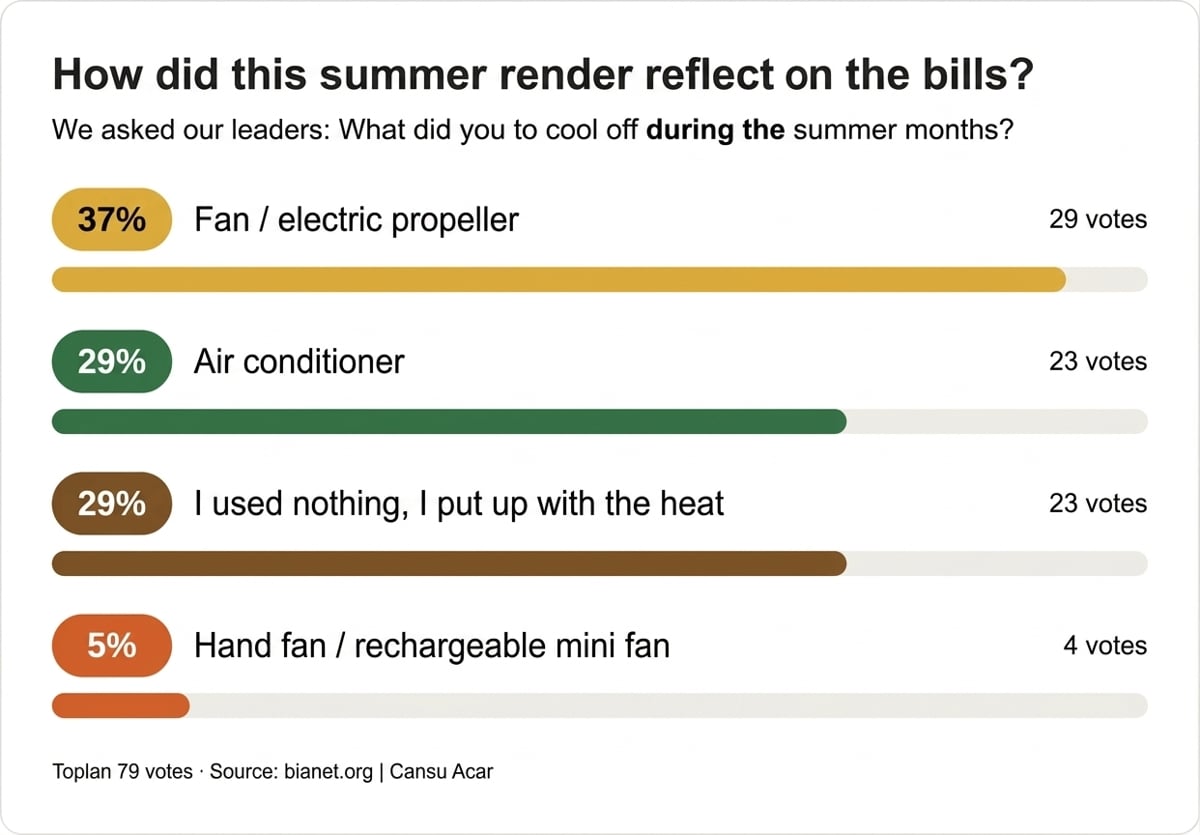
One-third of the participants said they still do not use anything to cool off and simply endure the heat.
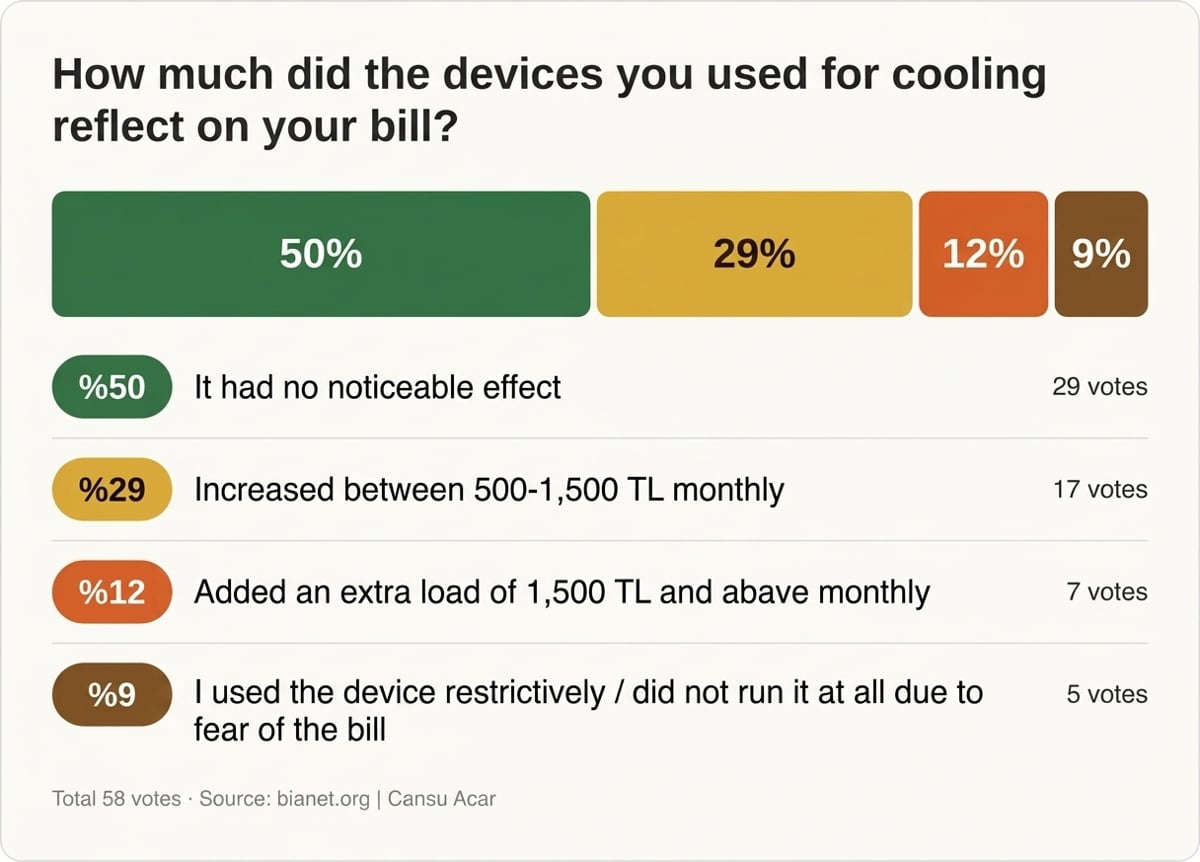
While half of the respondents felt no increase in their bills, one-third reported feeling an increase.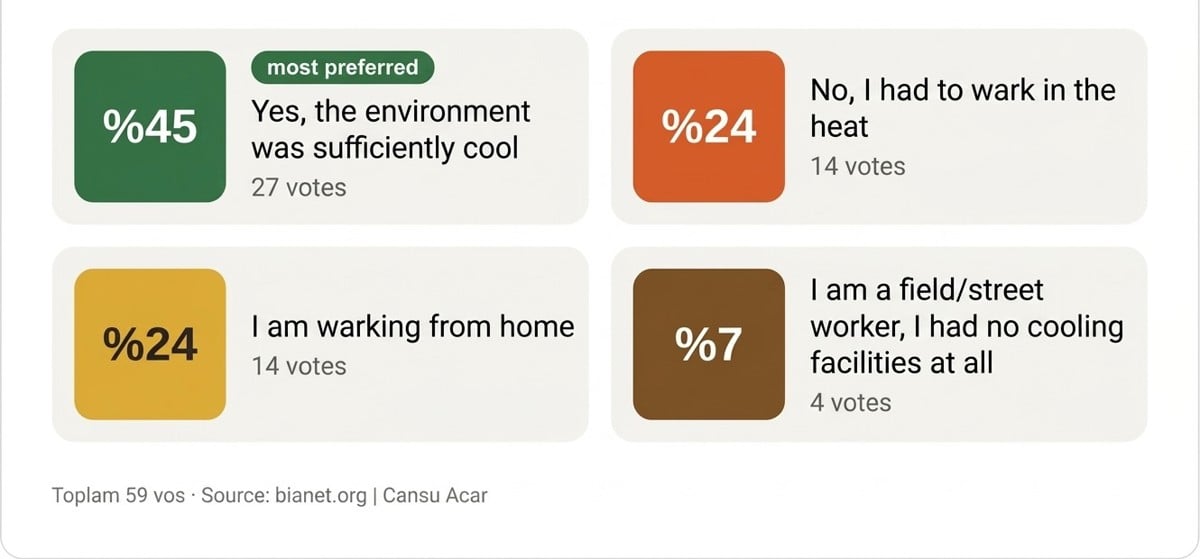
One-third of the participants reported having to work while exposed to heat in the workplace and in the field.
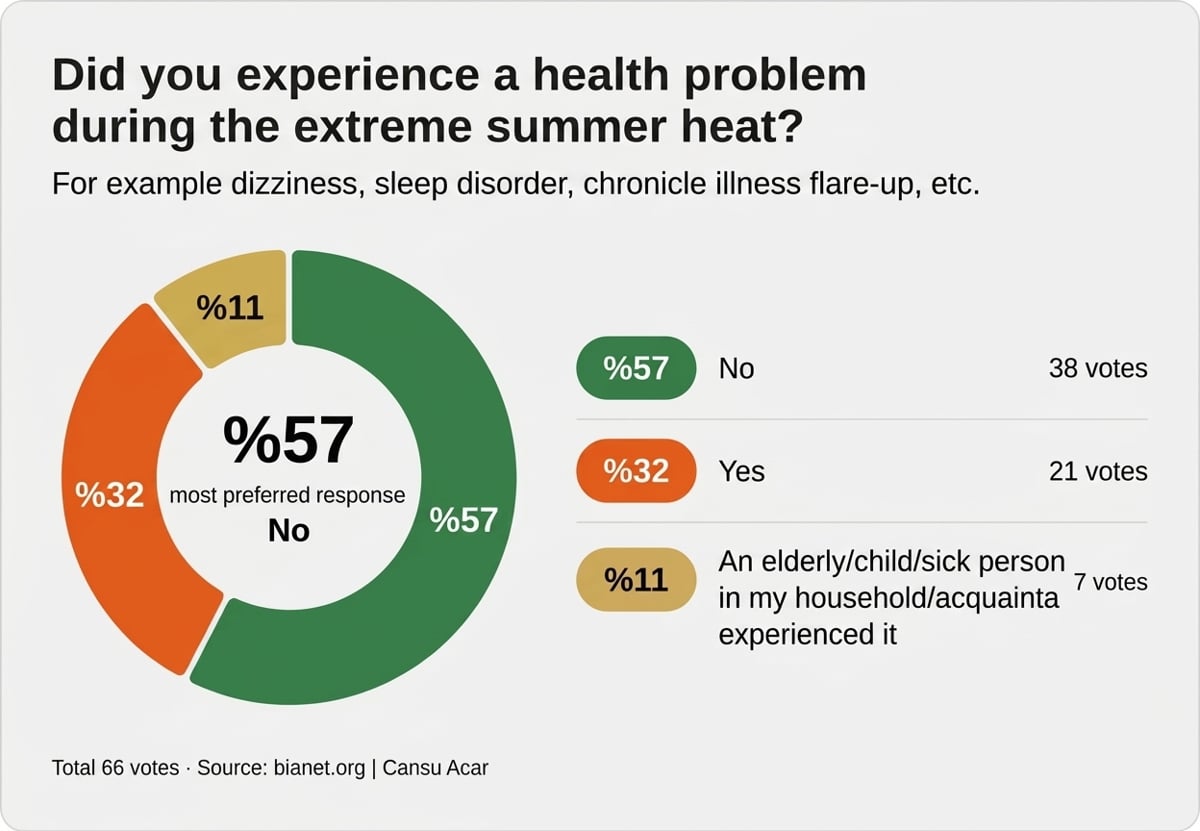
One-third of the participants stated that they experienced a health problem this summer due to extreme heat. Two participants reported experiencing fainting and blood pressure issues caused by extreme heat.
Does legislation acknowledge energy poverty?
Stating that energy poverty is not yet officially recognized in Turkey and has not been incorporated into legislation, Arif Künar from the Association for Fighting Energy Poverty (ENYOKDER) says, "EU countries defined the concept of energy poverty in their energy directives using country-specific criteria. Under the Social Climate Fund, they have initiated implementation and transformation projects aimed at addressing buildings and energy poverty."
Künar says, "In our country, this concept needs to be defined in line with national conditions, its criteria established according to local realities, and poor households mapped out." He notes that, with contributions from EU support, local governments, and sectors, this process will reduce poverty, ensure climate justice, and support a fair transition to clean energy.
Sinan Erensü from the Center for Spatial Justice notes that incorporating this into legislation is possible by recognizing citizenship through the lens of energy. He points out that Turkey is heavily dependent on external energy sources, adding that energy must move beyond being a realm dominated solely by a few major players, corporations, and the state.
The poor suffer the most
Arif Künar from ENYOKDER says, "Due to energy sources becoming increasingly expensive and hard to access, energy continues to grow more costly and energy poverty continues to rise. Unfortunately, even harder days and years await us. We are facing an unfair and unacceptable situation." He adds:
Those most affected by this are not those who created the climate crisis, but the disadvantaged, vulnerable, and poor segments who have had the least impact.
Erensü states that culturally and socially, heat does not attract as much attention as cold, noting that even in imagery, energy poverty is suggested through "figures shivering from the cold without shoes." He shares the following:
"The groups affected by heat, heatwaves, and homes staying above a certain temperature during summer without cooling are the classically disadvantaged groups: tenants and low-income households. Added to these are those forced to spend most of the day at home. Working life is also difficult, but those living at home and spending most of their day indoors are children and housewives. Yet perhaps at the very top of this vulnerability list are the elderly."
Erensü says, "Therefore, we have reached a point where adaptation [climate adaptation] must also be viewed from the perspective of social justice, requiring focused work and precautionary measures."
WHO: Number of people exposed to extreme heat is increasing exponentially
The World Health Organization (WHO) states that in homes where vulnerable individuals such as the elderly, infants, the sick, and disabled live, keeping temperatures below maximum acceptable limits is of critical importance.
According to the WHO's Housing and Health Guidelines, indoor temperatures above 24 °C, especially when combined with high humidity, can strain the body's self-cooling mechanism, leading to thermal discomfort and various health risks.
According to the WHO, the number of people exposed to extreme heat across all regions of the world is increasing exponentially due to the climate crisis. Heat-related mortality rates among people over the age of 65 increased by nearly 85 percent between 2000-2004 and 2017-2021.
In Europe, data compiled from half the continent, described as incomplete, showed that 35,000 excess deaths were recorded in Aug 2026.
In May 2026, the WHO reported that the heat-related death rate in Europe had increased by more than 30 percent over the past 20 years, warning that this rate tends to rise significantly as a result of the climate crisis and an aging population.
In Turkey, however, because there is no data on this matter, it is unfortunately impossible to arrive at a rate.
Erensü criticizes the lack of data, reminding that temperatures felt inside households across many parts of Turkey are not at livable levels:
There are structural issues here as well. For instance, how many people died in the latest heatwave? We simply do not know, because we do not keep data on whether a death was caused by a heatwave. Central and local governments must collect data more proactively without fear of the responsibility it brings, share it regularly, and strive to reduce the numbers.
'Millions of households could pay double this year's bill next year'
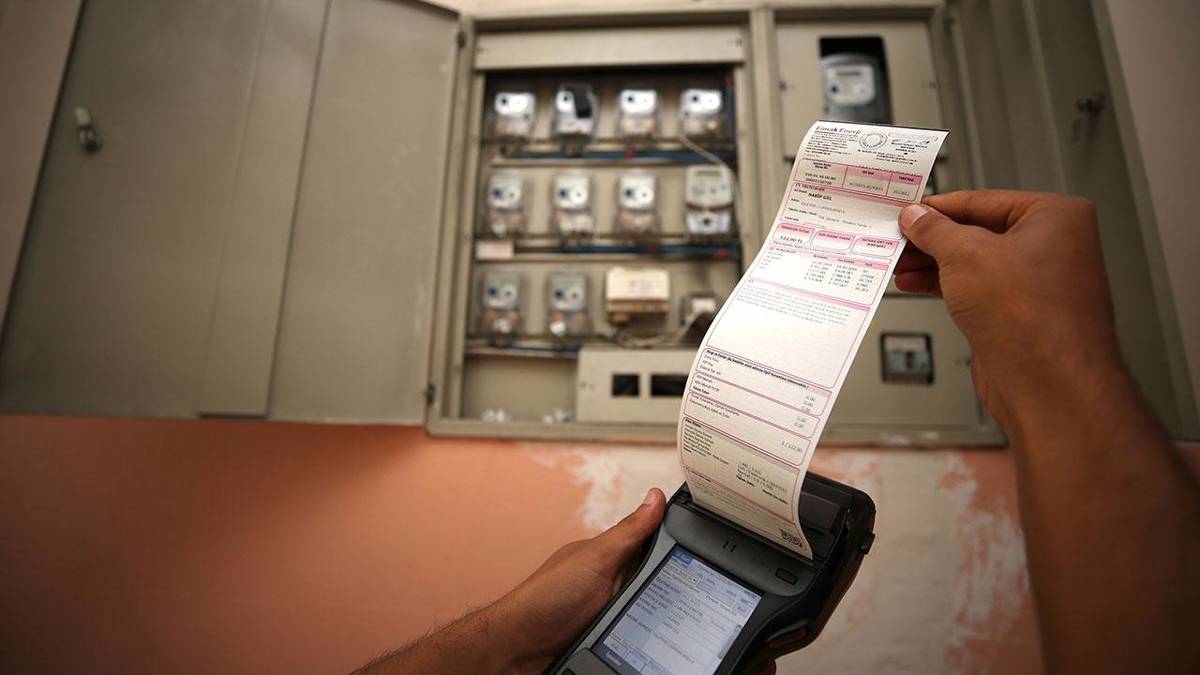
Pointing out that electricity and natural gas subsidies are now being gradually reduced on a phased and province-by-province basis, Arif Künar states that the low-tariff threshold for electricity usage was 4,000 kWh/year this year. Künar estimates that this limit will likely be lowered to 3,000 kWh/year next year:
"So an average family of four consumes about 240 kWh/month. In this case, millions of households will pay nearly double what they paid for electricity this year."
'Ministry support is neither correct nor sustainable'
Arif Künar states that the direct or indirect electricity and natural gas bill support provided by the Family and Social Services Ministry is neither sufficient, correct, nor sustainable. Künar shares the following:
"Instead of bill support and subsidies, if energy-poor households are provided with a one-time grant for building, housing, insulation, and window improvements, Class A appliances, heat pumps, and rooftop or balcony solar power support (as in EU countries: a 30 percent grant, with the rest interest-free payments, etc.), households would enjoy healthy, energy-efficient living conditions, and our state—meaning all of us—would not have to pay these subsidies every year."
Petition submitted to the bar association
At a panel organized by the İstanbul Medical Chamber (İTO) Climate Crisis Working Group on Jul 16, an urgent call was made for structural measures against global warming fueled by the human-made climate crisis. The panel highlighted that local governments should establish air-conditioned 'cooling spaces' for unhoused people and those living in deep poverty on days when heatwave warnings are issued.
On Jul 6, a petition was submitted to the İstanbul Bar Association Environmental Rights Commission Presidency, calling for the right to cooling to be evaluated within the scope of the right to life. The petition by the Urban Heat Island Initiative emphasized that the right to cooling is an integral part of the right to live in a healthy environment.
This right, referred to as the 'cooling right' or 'right to cooling' in English and 'soğutma hakkı' or 'serinleme hakkı' in Turkish, has gradually begun to be discussed worldwide.
The right to cooling can be briefly defined as the right to access living environments or spaces that are compatible with the climate. Framed under the 'right to adequate housing' recognized in international human rights law and within the context of general health, the right to cooling points to numerous inequalities.
An article authored by Marine Cornelis and published by the European Commission in Jan 2025, titled 'Framing Summer Energy Poverty,' also outlines a general framework for these inequalities. One of these is the inequality experienced between those who can access cooling devices such as air conditioners and those who cannot, who are instead exposed to the heat emitted into the atmosphere by these devices:
Urban planning, housing design, ventilation, green spaces. This is entirely about resilience.
Mechanical Engineer Remzi Çelik from the Urban Heat Island Initiative states that a suitable living environment must be provided to eliminate heat that poses a vital risk to living beings:
This problem occurs because we plan cities poorly.
Recalling Article 56 of the Constitution, which protects the 'right to live in a healthy environment,' Remzi Çelik points to the inequality in access to cooling devices such as air conditioners, electric fans, and blowers, while also emphasizing that the energy used for these devices must be clean energy.
Explaining that closely built, vertical structures with glass facades create an urban oven effect in the areas where they are constructed, preventing solar energy from returning to the atmosphere, Çelik shares the following:
"What we call energy inequality is actually a concept that gets a very large share from cooling as well. Today, despite having air conditioners at home, people spent a summer choosing not to run them due to utility bills, accepting the situation at the expense of their health. I see this among my friends, all around me."
'Every tree must be adopted'
Conveying his observations from the Validebağ Grove, Remzi Çelik notes that he recorded a temperature of 55 degrees Celsius on the asphalt 50 meters away, but 26 degrees Celsius under the trees inside the grove. Stating that every tree must be adopted, Çelik notes the following:
"I am inside the forest, in a place with very tall trees. Here, you can very clearly see what the urban heat island effect, the microclimate inside the city, and its impact on the cooling energy in our homes really mean."
Resilient cities
United Nations (UN) Secretary-General Antonio Guterres also stated on Jul 31 that referring to heatwaves as 'silent killers' does not even fully reveal the scale of the issue, saying, "Because heat-related deaths worldwide are largely underreported."
On the other hand, the UN Office for Disaster Risk Reduction (UNDRR) has classified extreme heat and urban heat islands under the disaster risk category. The need for resilient cities has come to the fore significantly in protecting against this risk.
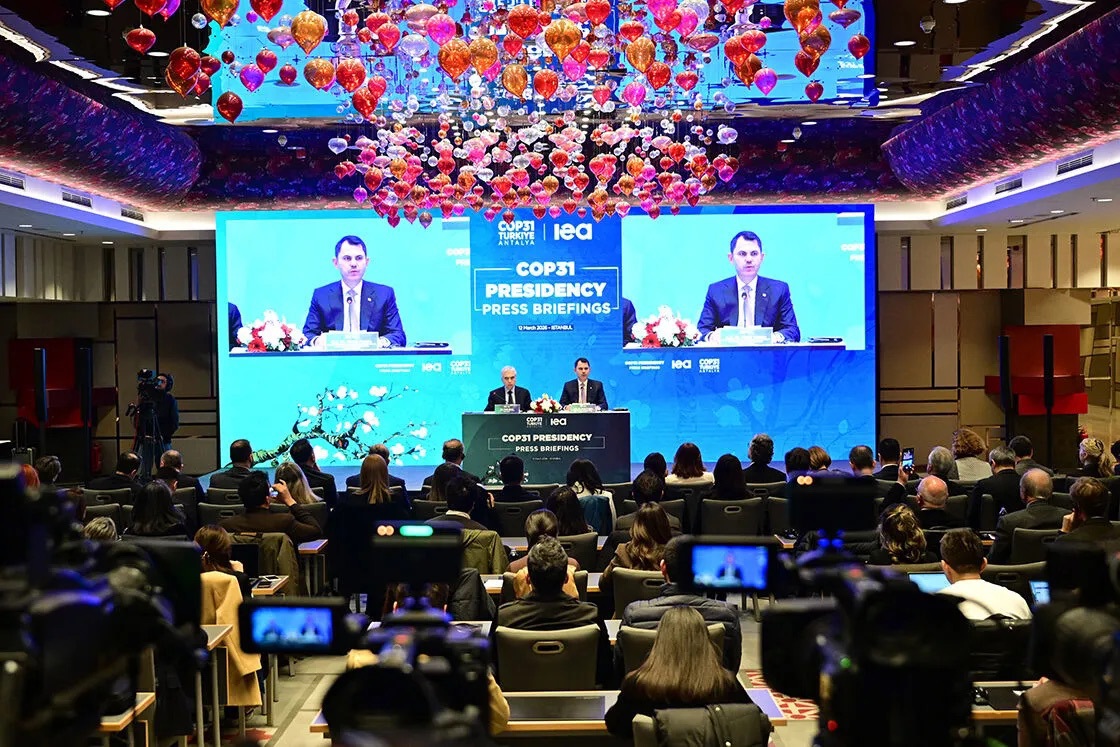
Resilient cities have also found a place in the statements of the Environment, Urbanization and Climate Change Ministry within the scope of COP31.
Stating, "If you have poor urbanization, if it is based on rent, it magnifies this effect even further," Remzi Çelik expresses the following:
Stating, "If you have poor urbanization, if it is based on rent, it magnifies this effect even further," Remzi Çelik expresses the following:
"If the urban heat island effect is included in a disaster definition, it means we must now prepare for it. The global climate crisis is a reality. Phase-out of fossil fuels is a mandatory plan. But people perceive this like a distant photograph. However, people experience its consequences on the poor urbanization side in the city by walking and having to work on an asphalt surface at 55 to 60 degrees. The urban heat island effect is a situation we live in directly."
Where does renewable energy stand in poverty?
Mentioning that the increase in access to and use of renewable energy appears to be a candidate for reducing energy poverty, Arif Künar offers a suggestion regarding cooperatives:
"However, because it is not yet adequately used due to being expensive and regulatory constraints, it is not reflected in utility bills."
Stating that energy communities for self-consumption and energy cooperatives can be established, Künar says, "If the ministry, EPDK, and similar bodies open the way for this, and if certain grants, tax, excise duty, VAT reductions, and privileged incentives are provided, and if local governments can support households, the use of renewable energy through rooftop, balcony solar power systems, and remote access models will quickly reflect positively on utility bills for the energy poor, even if partially."
 Fotoğraf: AA
Sinan Erensü also says that energy and citizen cooperatives in production can survive thanks to production systems led sometimes by municipalities and sometimes entirely by citizen initiatives. Touching upon consumption cooperatives, Erensü explains this as households dealing with companies not individually, but regionally and collectively. Erensü points out that making collective purchases in this process could create a space where citizens also have a say in the energy issue.
Energy poverty at climate summits
When we asked Erensü how much space is given to energy poverty at the United Nations Conferences of the Parties (COP), he says that mitigation-focused discussions were mostly held at the climate summits until recently:
"This has actually changed significantly in the last 5 to 10 years. Because the climate crisis is no longer something that will happen in the future. It is something happening right now. Adaptation, adapting to the changing climate, has become as important an item as mitigation and prevention."
Conveying that there are right and wrong paths taken on energy at COPs so far, Künar shares the following:
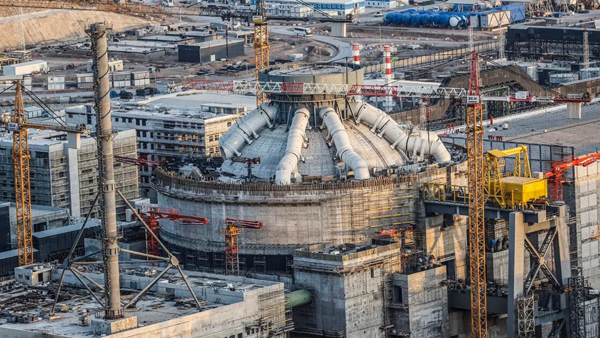
The exit from coal is not yet clear, and nuclear energy is unfortunately brought back to the agenda with COP. The issue of financing and emission monitoring issues are also vague. Supports and promises always remain in words, and time is running out. Negative impacts are gradually increasing. Developing countries like ours suffer more and are caught in the middle.
Künar states that grants and incentives similar to EU countries are demanded so that self-consumption can be achieved with rooftop and balcony solar panels, as well as the ability to establish Renewable Energy Cooperatives. He adds that many local governments have now set the elimination of energy poverty as a goal in the Sustainable Energy and Climate Action Plan (SECAP) they prepared, and that the implementation of these will be important.
 AA
AA
'The solution is possible by transitioning to a system in favor of the ecosystem'
Underlining that the entire ecosystem is affected by extreme heat, Remzi Çelik shares the following regarding COP31:
"Reaching the 31st edition of conferences where such important issues are discussed reveals the insincerity of this business in the first place. In addition, there is an alternative effort called the peoples' climate summit. They are also making very active, alternative preparations."
Using the expressions "I am among those who say there is a system crisis, not a climate crisis," Çelik underlines that solutions must be generated against fossil fuels and consumption beyond need:
At COPs, politicians are constantly telling each other 'you start first.' It has not been the future, safety, and comfort of the ecosystem, but the comfort and profit of corporations that have been at the forefront so far, which is how we arrived at 31. The solution will only be possible by transitioning to a system in favor of the ecosystem.
(CA/VK)