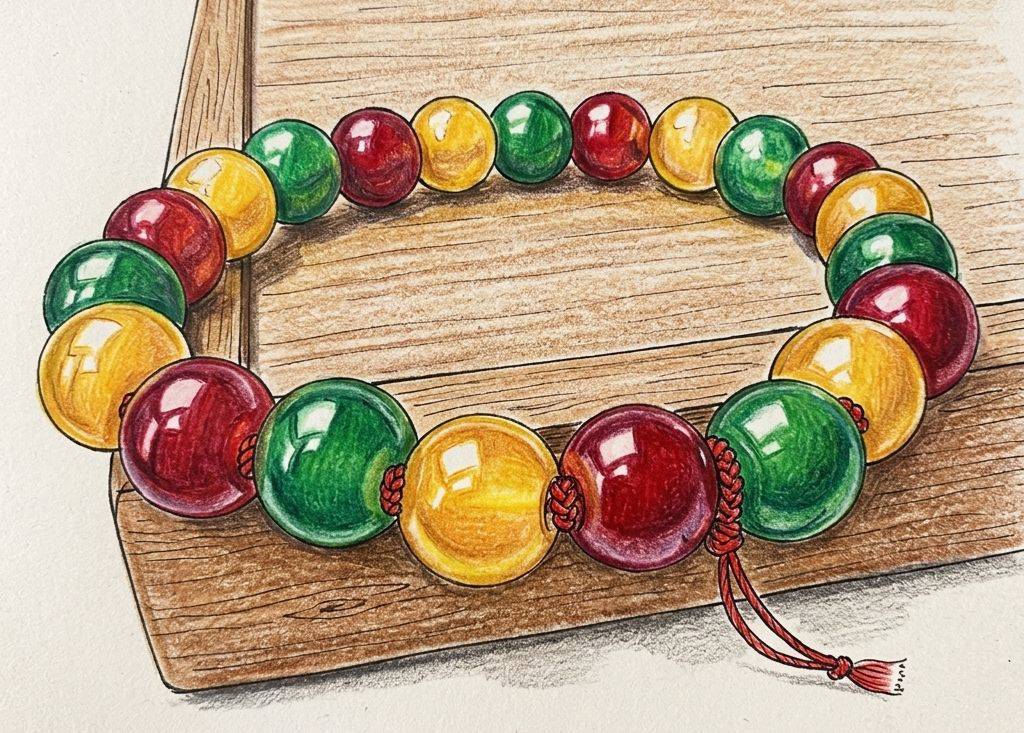






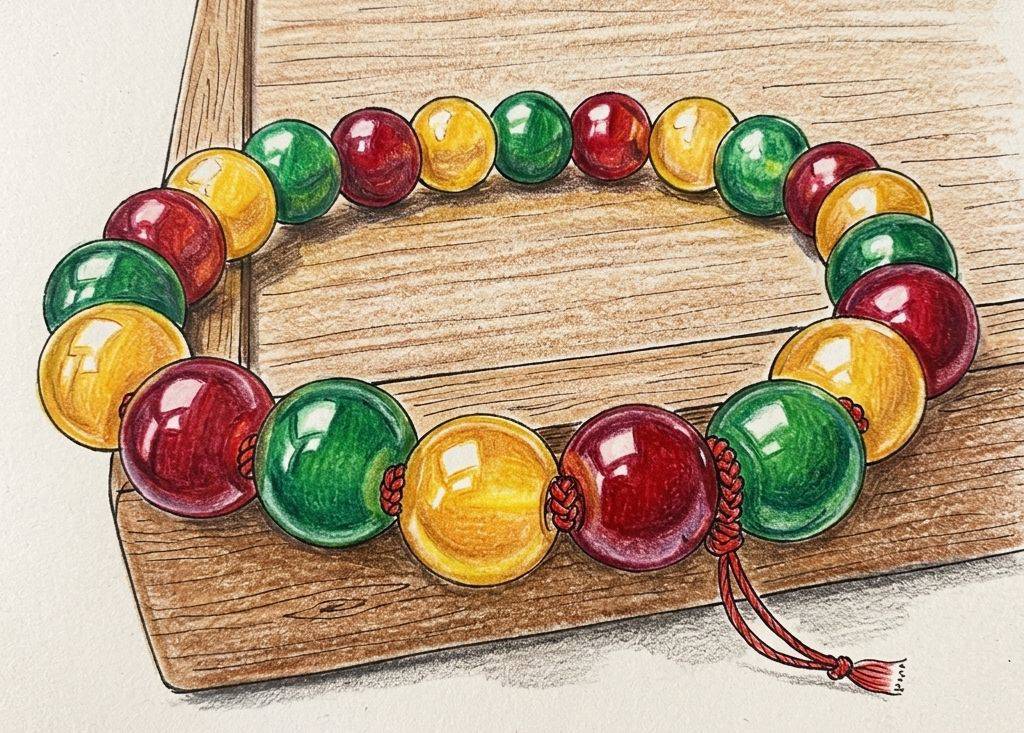



The Constitutional Court has ruled that a prisoner’s freedom of expression was violated when prison authorities prevented him from giving a handmade yellow, red and green bracelet to a visitor.
The court ordered 20,000 liras in non-pecuniary damages to be paid to Tufan İlbaş and sent the case back to the Tekirdağ 2nd Enforcement Judgeship for a retrial aimed at remedying the violation.
İlbaş, a prisoner at Tekirdağ No. 2 Type-F Prison, had obtained materials to make bracelets as part of handicraft activities through permission from the prison administration.
In July 2022, prison authorities refused to allow a yellow, red and green bracelet he made and wanted to give to a visitor to be taken outside the facility. These colors are embraced by the Kurdish people as a symbol of their identity.
İlbaş petitioned the prison administration asking the reason for the action and did not get a response. He then filed a complaint with the Tekirdağ 2nd Enforcement Judgeship, alleging that he was blocked from giftinh the handicraft solely because of their colors and without any legal justification.
.jpg)
Top appeals court overturns 'terror' conviction over yellow-red-green necklace
The judgeship rejected the complaint, relying on an Oct 2022 letter from the prison stating that İlbaş had been engaged in handicraft activities without the institution’s knowledge. It found no procedural or legal violation in the prison’s refusal to release the bracelet.
İlbaş challenged the decision before the Tekirdağ 1st Heavy Penal Court, saying the prison had provided misleading information. He pointed to a Jun 2022 decision authorizing beadwork in his cell and argued that only the yellow, red and green bracelet had been withheld because of its colors.
After the heavy penal court rejected his appeal, İlbaş filed an individual application with the Constitutional Court.
High court ruling
The Constitutional Court held that the handicraft activity in the case fell within the scope of freedom of expression. It noted that Article 26 of the Constitution protects the expression and dissemination of thought through speech, writing, images or other means, with the reference to "other means" extending constitutional protection to different forms of expression.
The court said İlbaş had stated that he was expressing his feelings through a bracelet featuring colors he considered culturally significant. It concluded that the restriction on taking the bracelet outside the prison should therefore be assessed under freedom of expression protections.
The judgment also said restrictions on fundamental rights must meet a pressing social need and be proportionate to be considered necessary in a democratic society. It noted that prisoners and detainees retain fundamental rights and freedoms under the Constitution and European Court of Human Rights (ECtHR) case law.
The Constitutional Court also found that the enforcement judgeship and the heavy penal court had failed to adequately investigate whether İlbaş had permission to engage in handicrafts. A review of the case file in the judiciary’s UYAP system showed that an official document authorizing him to make handicrafts in his cell existed.
"Ultimately, in the present case, the prison administration and the judicial authorities failed to demonstrate, with relevant and sufficient reasons, that preventing the delivery of the bracelet the applicant wanted to give to his visitor met a 'pressing social need,'" the court said.
It added that the authorities had failed to show that withholding the bracelet was necessary in a democratic society and said the legal provisions cited by the administrative and judicial authorities could not, under the circumstances of the case, be regarded as satisfying the requirement of legality.
The court concluded that İlbaş’s freedom of expression, protected under Article 26 of the Constitution, had been violated. (VK)