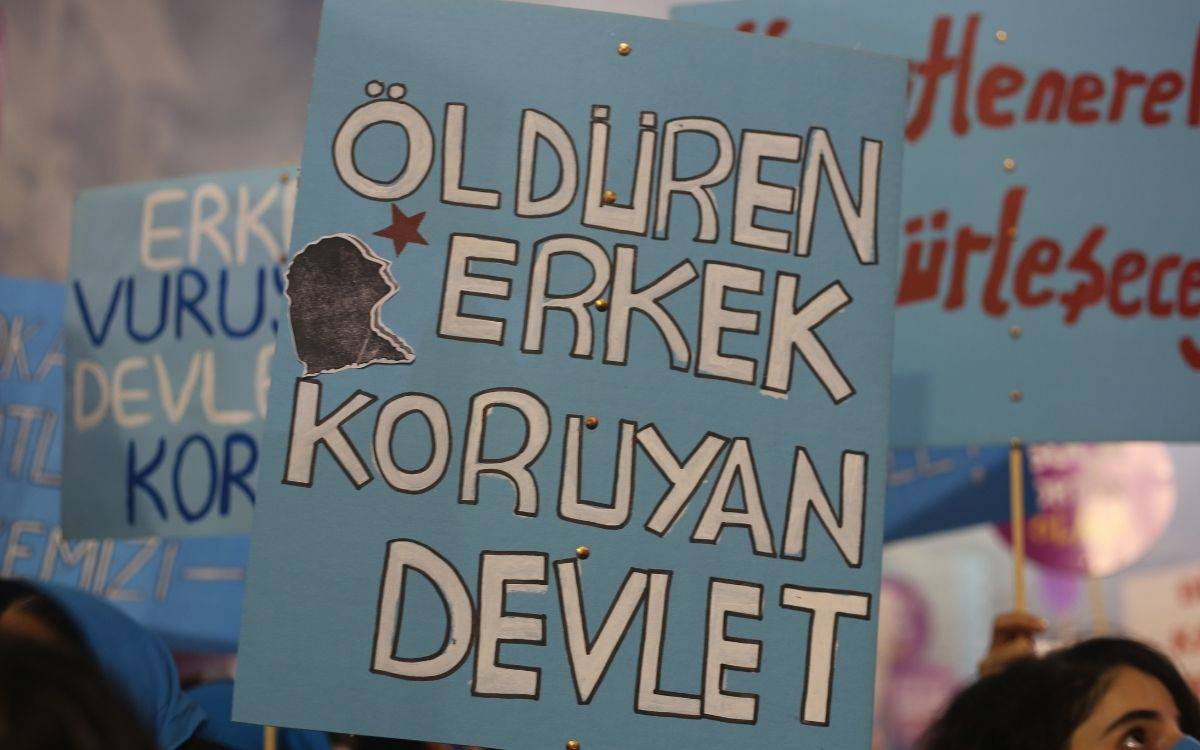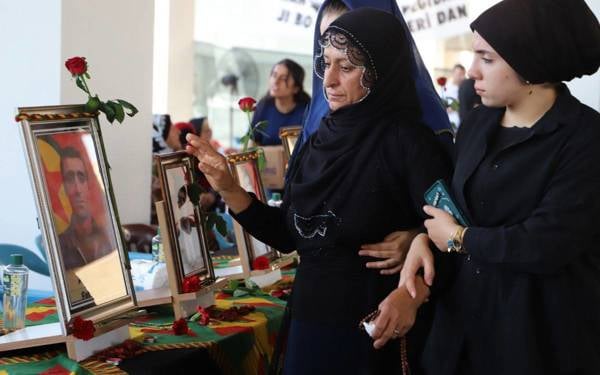












Women’s voices are increasingly heard in Turkey’s struggles for nature. Behind this voice lies not only a demand for environmental protection, but also a call for equality, justice, and the right to life. The intersection of these demands is ecofeminism.
Emerging in the 1970s, this philosophy argues that the domination over both nature and women is fueled by the same systems: patriarchy, capitalism, and colonialism. In Turkey, ecofeminism is not just a conceptual proposal; it becomes a way of life embodied in the field, in villages, and in pastures.
A woman who doesn’t give up: Sevinç Alçiçek
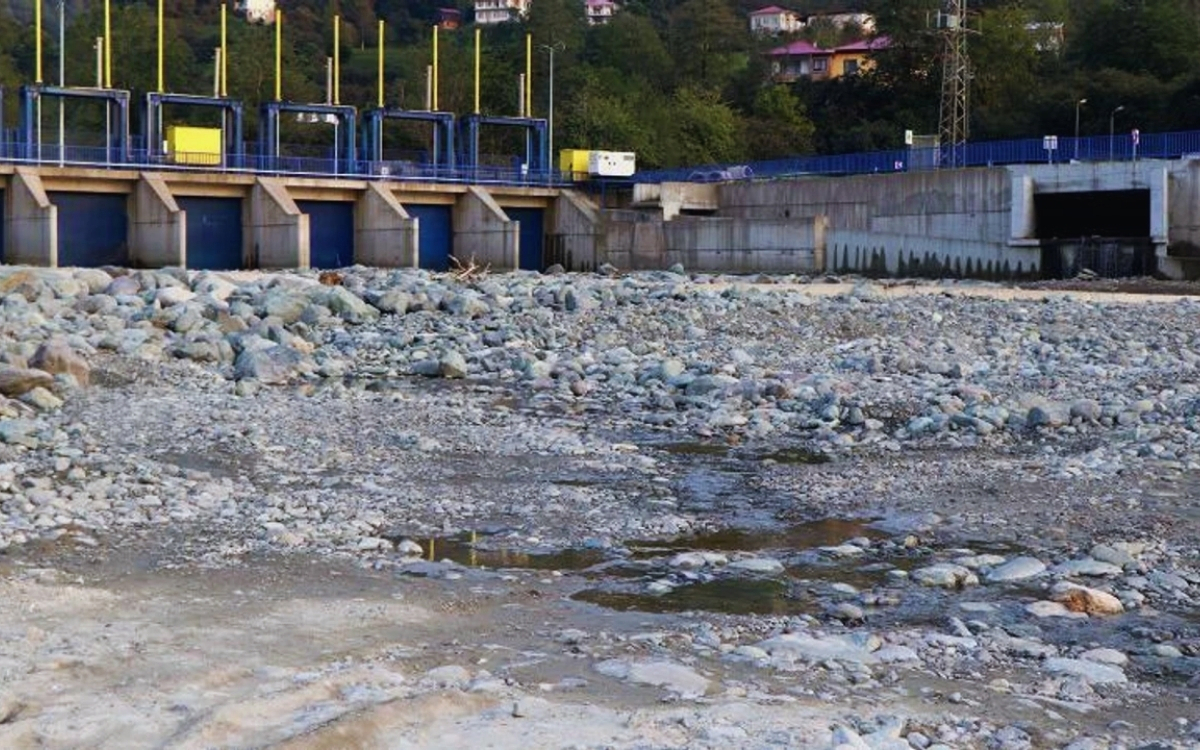
One of the advocates of this thought and practice is Sevinç Alçiçek. Alçiçek took a leading role in the long-standing resistance against hydroelectric power plant projects in Arhavi, Artvin, returning from İstanbul to join the struggle. She spent months in the resistance tent, organized marches, and engaged directly with the public. The biggest obstacle she faced was that even people from her hometown viewed the struggle as a “foreign plot”:
“I was born in Arhavi, but they told me, ‘You came from outside.’ I couldn’t even explain myself to my cousin or my neighbor. Because this struggle is about people’s identity, livelihood, and security; but the government’s propaganda tried to divide us."
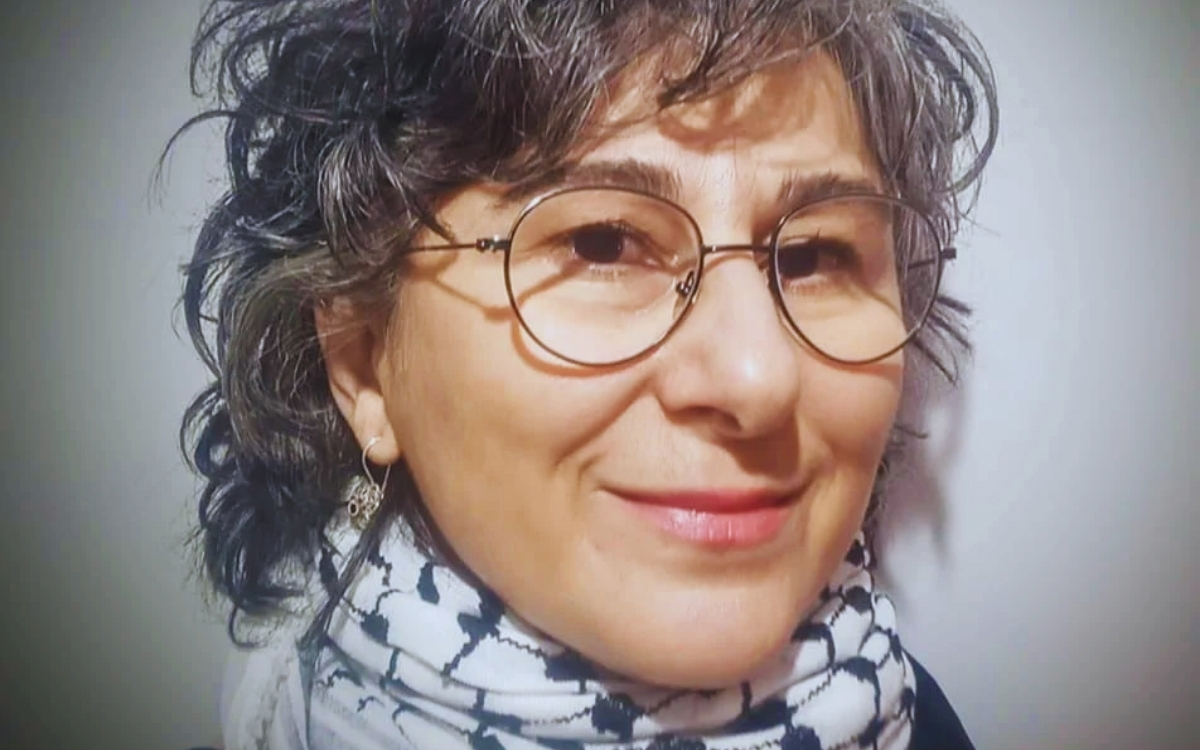
Despite all this, Alçiçek did not give up her struggle. Because for her, this fight is no longer just about nature, but about herself: “I’m not defending nature, I’m defending myself. Because everything that makes me who I am is rooted in this land.”
Sevinç Alçiçek knows from her own life why Black Sea women are at the forefront of the resistance. “For years, women filled the roles of men who migrated for work. We did the farming, we took care of the animals, we harvested the hazelnuts. It was us, alone with nature,” she says, and adds: “Now that this land is in danger, we’re the first to rise. Because when the tea dries up and the stream gets polluted, it means not being able to put food on your child’s plate.”
‘Women bring qualitative difference to the struggle’
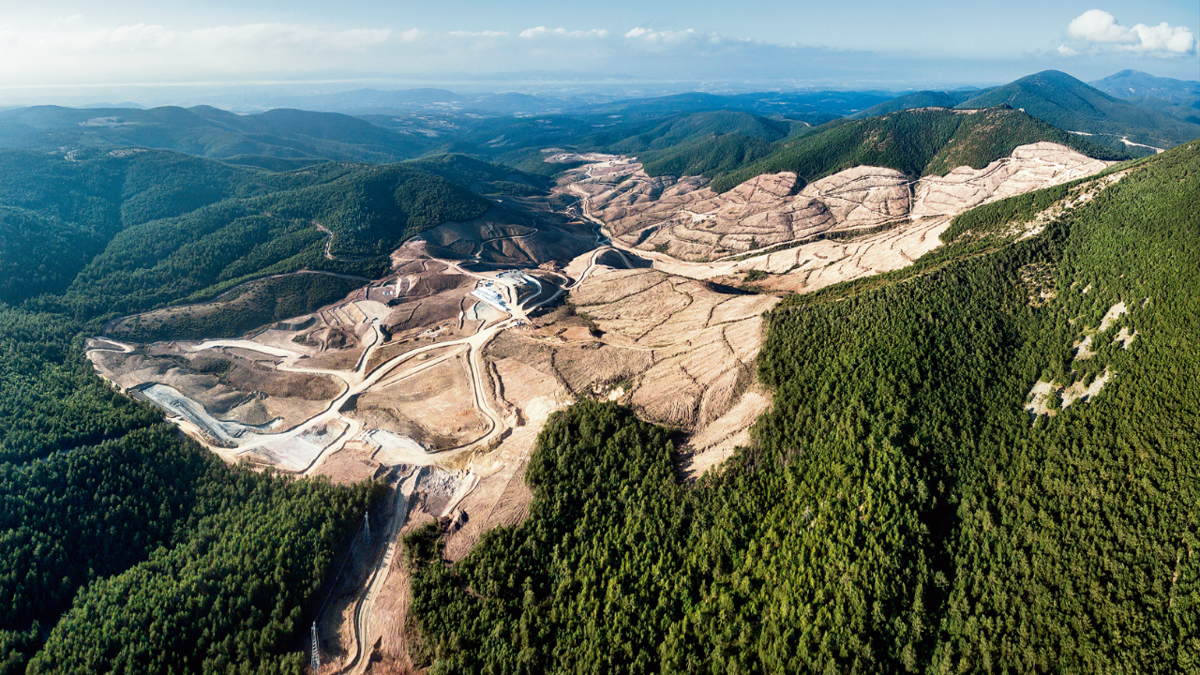
Another rising voice of ecofeminism is Süheyla Doğan. After retiring in 2002 and moving to the village of Nusratlı with hopes of a quiet life, she found herself in the middle of the resistance against gold mining projects in the Kaz Mountains. Doğan says, “When we saw the first drilling, we realized our peace was under threat.” What began as a movement only outsiders cared about gradually merged with the local community.
“It was easier to connect with women and involve them in the process. Because it was always them carrying water, picking olives, tending gardens. The hands that touch the soil are the first to sense a threat.”
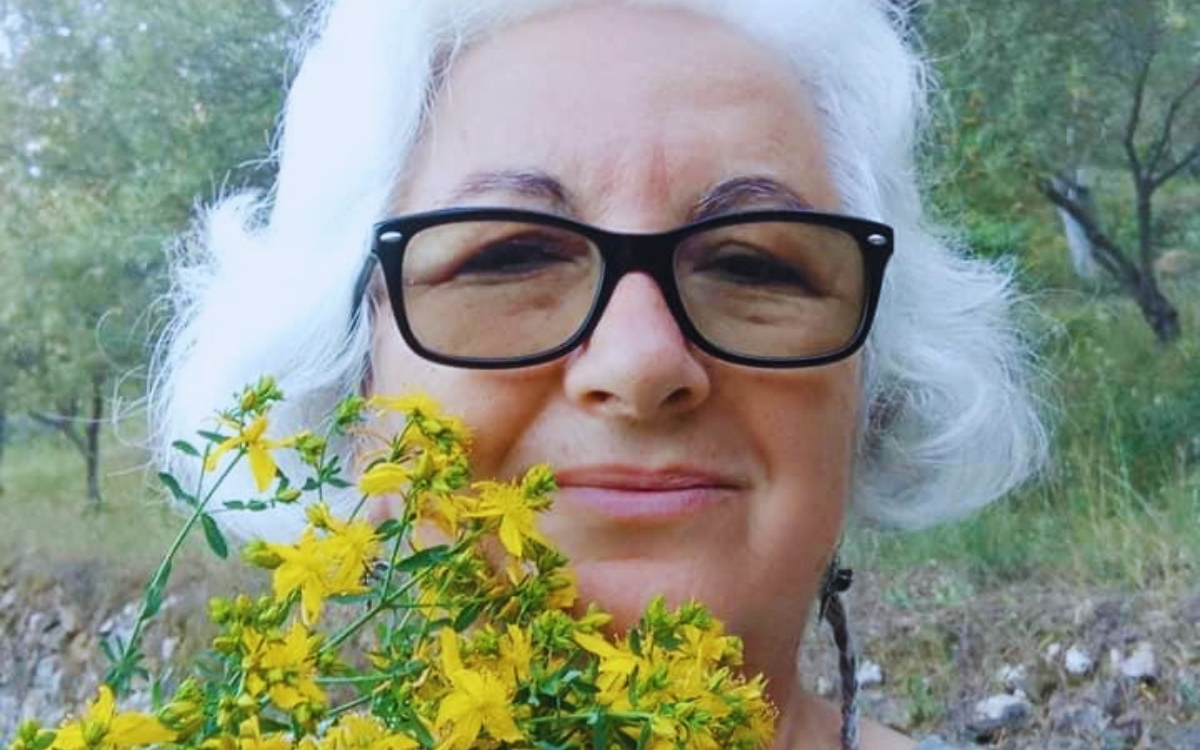
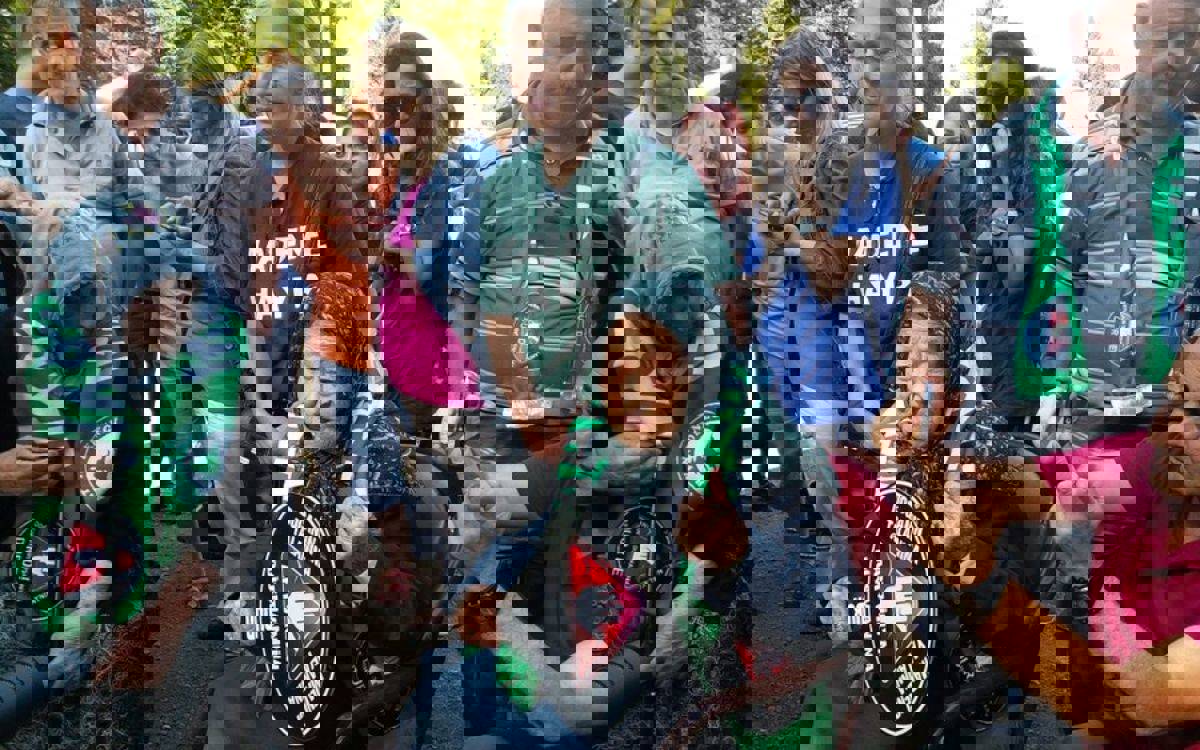
Süheyla Doğan believes women bring not only numbers but also a qualitative difference to ecological struggles: “Women are braver, more dedicated. Men can sometimes easily compromise with the system. But once a woman says ‘no,’ there’s no turning back. Women’s presence in local movements transforms not just nature but also society. Necla Işık becoming the village head after her resistance in Akbelen is proof of that.”
‘A call for transformation’
These experiences align with the ecofeminist approach that Emet Değirmenci has long advocated. Writing for yesilgazete.org and ekoloji.org, Değirmenci cautions against equating women with nature:
“I don’t agree with the idea that ‘women are like nature because they are productive and fertile.’ Our book (Nature and Woman: Feminist Debates in Ecological Transformation) clearly distinguishes its views from biological determinism.”
Değirmenci proposes an alternative economy to counter the shared domination of women and nature under capitalism: “Instead of growth based on the money economy, we should build a system that equitably distributes prosperity through commons.”
With these words, Değirmenci not only offers a critique but also makes a call for transformation.
Ecofeminism in academia
This voice is also echoed in academia. A master’s thesis titled “Ecofeminism on the axis of feminism and nature,” conducted under Ankara University, explores the historical, cultural, and sociological dimensions of women’s relationship with nature in Turkey.
An article published on Dergipark, “The relationship between women and nature in ancient Turks in the context of ecofeminism,” traces the roots of this relationship through mythology and historical experience. This academic framework builds a bridge between the resistance of a woman from the Black Sea and the solidarity networks in the Kaz Mountains.
Women defend nature and culture
In Turkey, ecofeminism is no longer just a theory or an academic debate. It lives in the heart of a woman in Arhavi worried about the late arrival of tea, and in the breath of a woman resting among the olive trees in the Kaz Mountains. This resistance has gone far beyond simply saying “no.” It has become a way of life, a culture of solidarity, and a hope carried into the future.
Because this struggle defends not only nature, but memory, culture, labor, and identity. And it is women speaking the language of nature who are leading it.
Ecofeminism around the world
Ecofeminism emerged in the 1970s with the French writer Françoise d’Eaubonne’s idea that “women have a special responsibility in resisting the exploitation of nature.” This approach quickly intersected with many local struggles from India to the US, Kenya to Latin America. Scientists like Vandana Shiva expanded ecofeminism’s scope through rural women’s struggles around agriculture, seeds, food security, and biodiversity.
In the West, ecofeminist thought eventually bridged “deep ecology” and “radical feminism,” addressing gender, race, class, and environmental justice together. For example, Kenya’s Nobel Peace Prize winner Wangari Maathai led the “Green Belt Movement,” symbolizing women joining the fight for the environment and democracy by planting trees. Today, many local resistances against the global climate crisis are led by women, and ecofeminism has become the shared name of this struggle.