
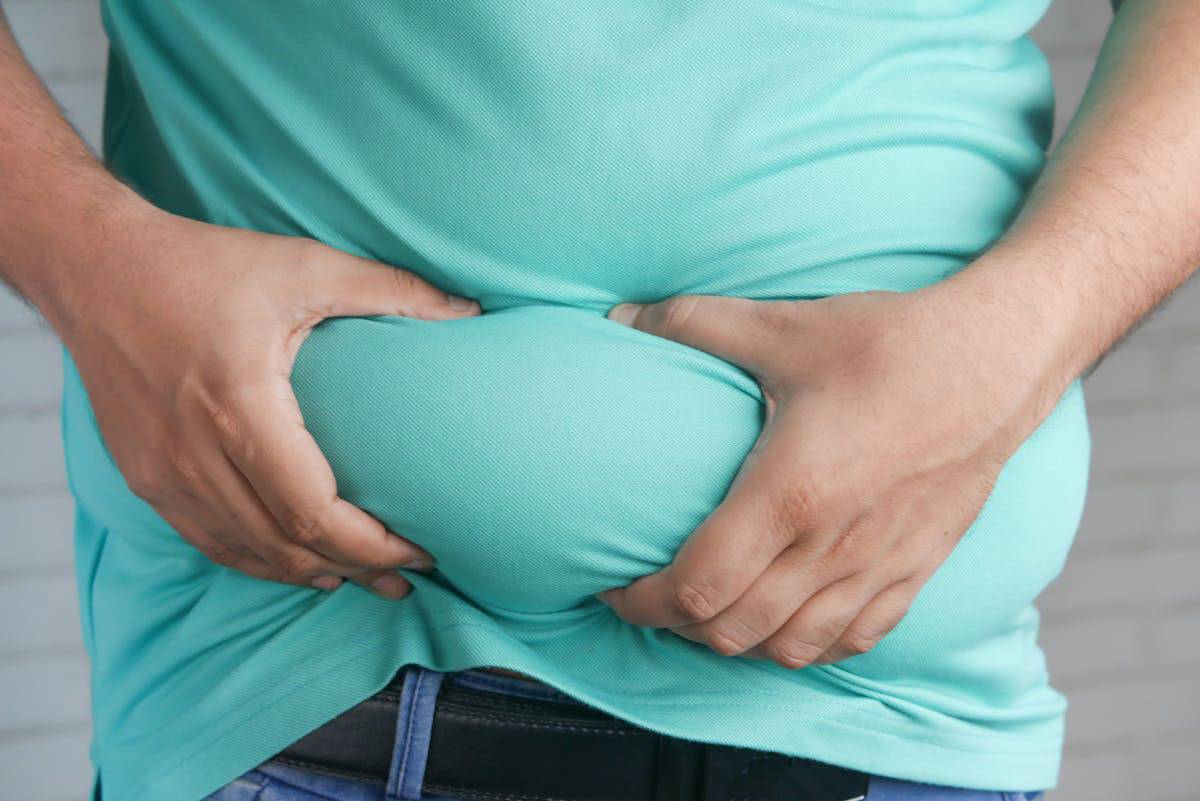



Recently, as you walk down the street, you may encounter officials checking your height and weight to determine whether you are obese. The Ministry of Health has identified obesity as a public health issue and invites people via its website to receive free nutrition and physical activity counseling services at Healthy Life Centers, District Health Directorates, and Community Health Centers. It also suggests seeing your family doctor for an obesity screening.
But what happens after you're measured or diagnosed with obesity by a family doctor? What concrete steps does the ministry take to solve this problem?
According to 2022 data from the World Health Organization (WHO), Turkey is the most obese country in Europe. The report indicates that nearly 60% of adults in Turkey are overweight or obese.
Turkey's most recent domestic data on the issue comes from 2023, meaning the Ministry of Health still works with data that is two to three years old.
Obesity continues to be a significant problem among adults
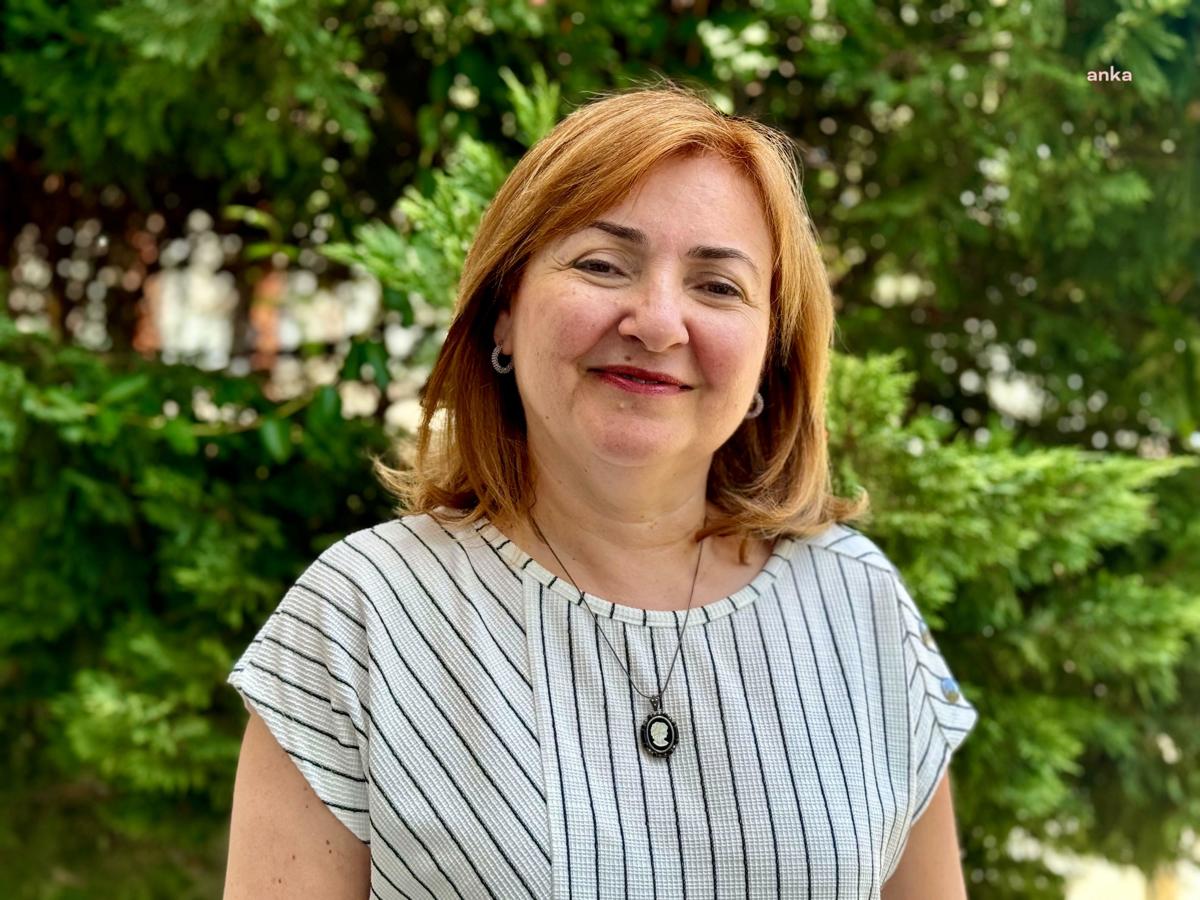
İzmir Medical Chamber Executive Board Member and public health specialist Prof. Gül Ergör evaluated the rising obesity rates in Turkey for bianet. She pointed out that, according to the 2023 Turkish Household Health Survey, 60% of men and women are either overweight or obese. Obesity rates were 30% in women and 20% in men.
She noted that this situation is not only tied to poor diet but also to a lack of physical activity. “As a society, we barely have a habit of exercising for health,” she said.
Ergör also highlighted the lack of physical education in schools:
“It’s well known how little importance is placed on physical education and sports activities in schools. One reason for this is the lack of sports facilities and equipment. As a country, we must invest in this issue for the sake of healthy generations. It's too late to push people into exercise when they're already 30 or 40 years old.”
Pastries and sweets are economically accessible
“Eating habits are undoubtedly the most important factor in obesity,” Ergör stated. “In recent years, the increasing obesity in our country is largely due to easy access to pastries, sweets, and other carbohydrate- and sugar-rich foods. Nearly every street has a bakery, and you can get these items 24/7 via courier.”
She added that many pastries sold outside the home are high in glucose syrup and saturated fats, which contribute to obesity. Importantly, these foods are also economically accessible.
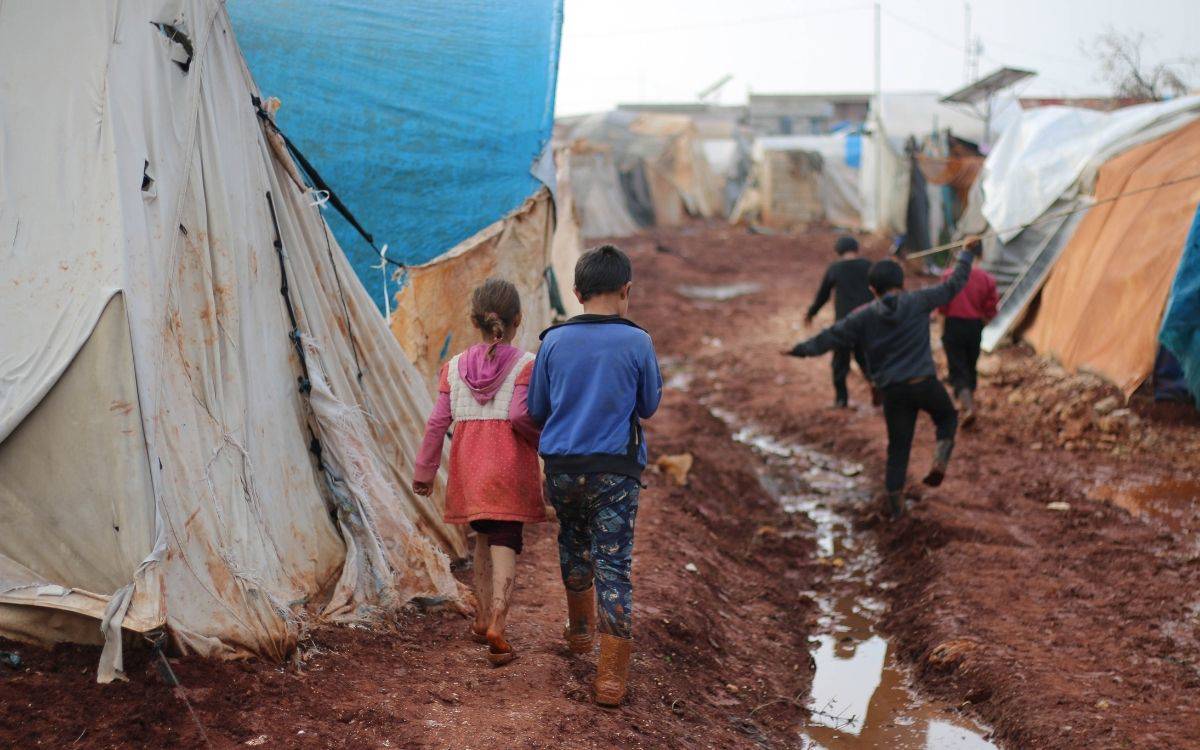
Ergör noted that in Europe and the US, obesity is more prevalent among the poor, who tend to consume cheaper, high-calorie fast food, chips, and sugary sodas. In contrast, healthier diets rich in vegetables and fruits are more expensive.
Poor people become obese by relying on bread and pasta
“In the West, cheap industrial food and international fast food chains make obesity a poor people’s issue. But in Turkey, these foods aren’t so cheap. So in our country, obesity in poor populations results from diets heavy in bread, pasta, and similar foods. Since it's financially difficult to access filling foods like meat, milk, and yogurt, these are substituted, leading to higher obesity rates.”
However, she added that even among wealthier groups, obesity arises due to cultural factors, such as the overconsumption of calorie-dense desserts and pastries.
Preventive public policies are needed
Ergör concluded:
“Changing eating habits requires conscious education and determination. Obesity is not a problem for individuals to solve on their own; it is a public responsibility. Affordable access to healthy food, infrastructure that promotes physical activity, and educational campaigns in schools and health services are essential. The focus should not be on providing weight-loss services after obesity occurs but on prioritizing preventive measures.”
(YAH/Mİ/DT)