


Storks are increasingly abandoning their migration patterns due to temperatures remaining above seasonal norms and consistent access to food sources throughout the year.
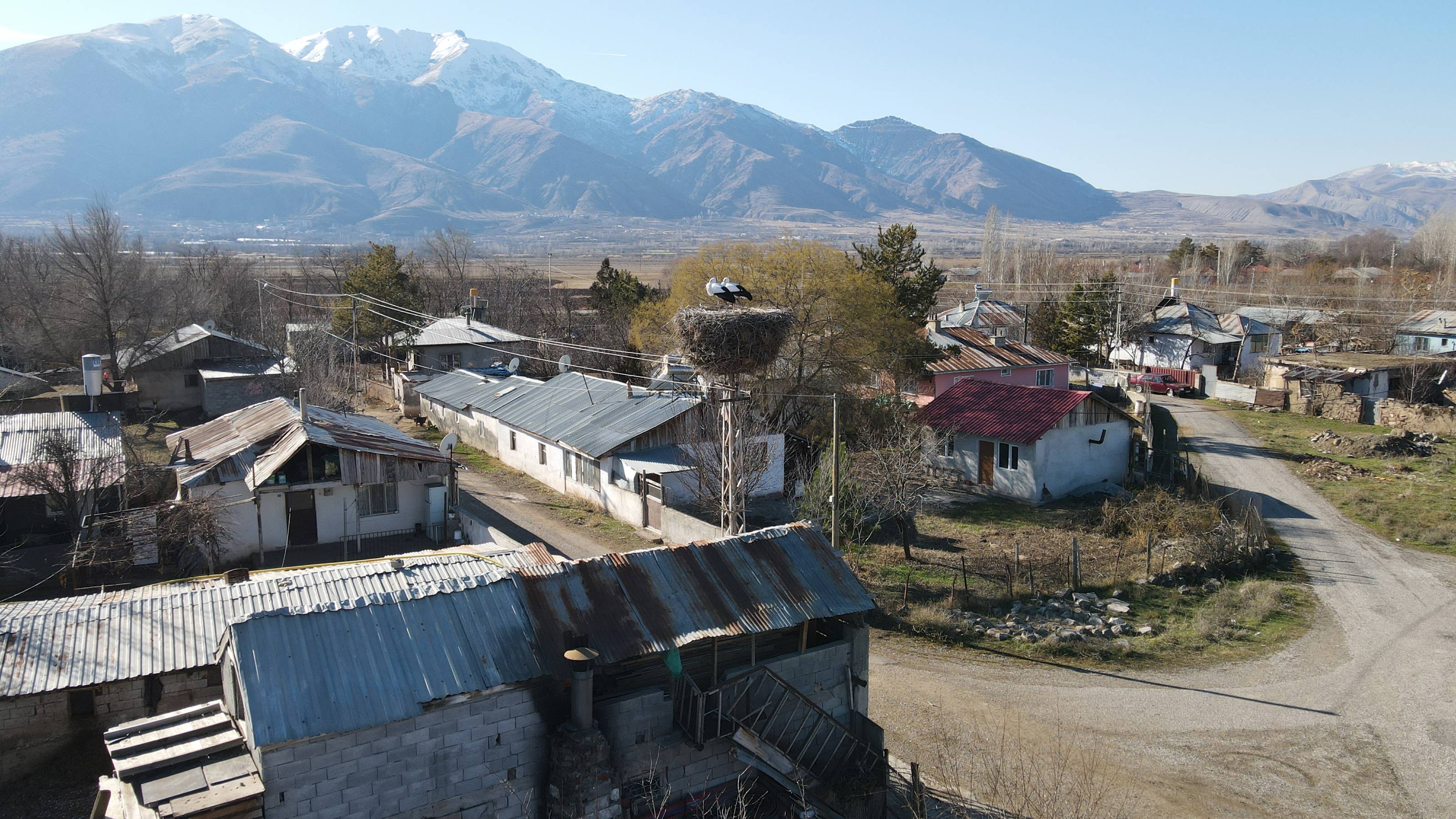
Recent observations show that a portion of the stork population in Iğdır, eastern Turkey, remains in the region during the winter, a shift attributed to the impacts of the global climate crisis. Wetlands at the foothills of Mount Ağrı no longer freeze during the winter months, making it easier for the birds to find shelter and food.
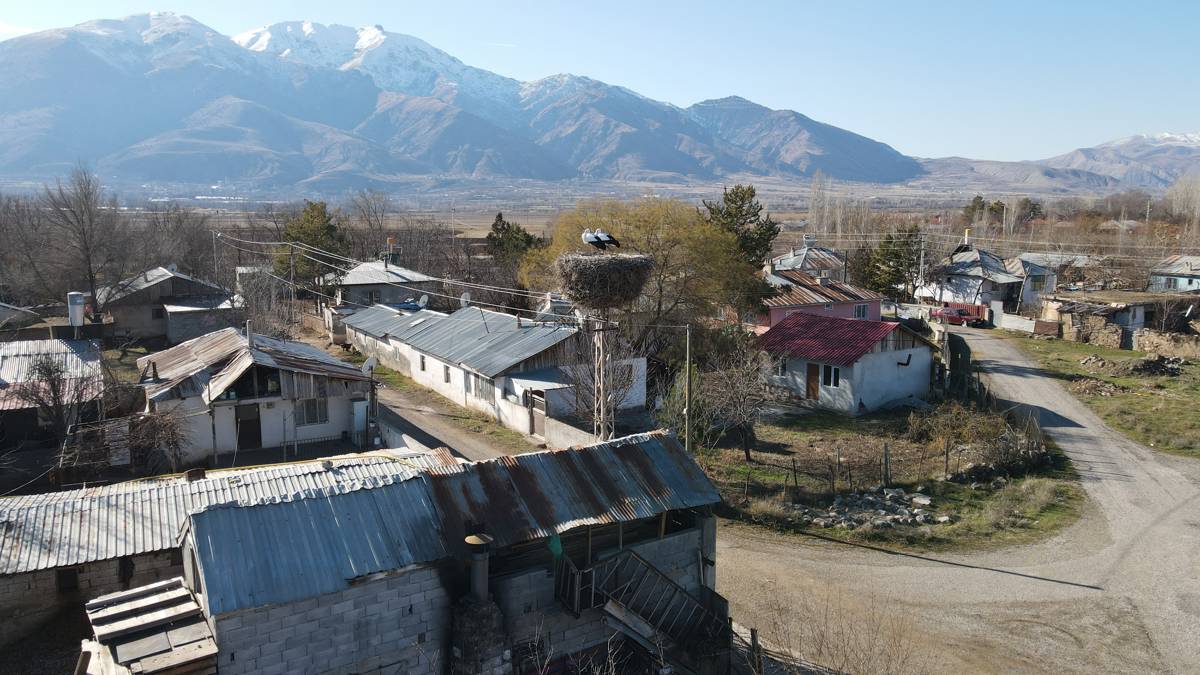
The storks continue to live in nests built on mosque domes, buildings, and utility poles, benefiting from daytime temperatures that rarely drop below freezing.
Dr. Emrah Çelik, the director of the Bird Research and Education Center (KUŞMER) at Iğdır University, told Anadolu Agency that while it cannot be said that all storks have stopped migrating, a significant number are wintering in the province.
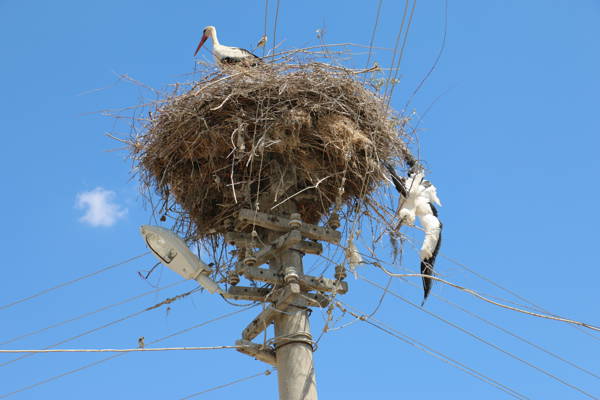
No action taken on electric pole that has 'killed hundreds of storks' in İstanbul
"Storks are living as residents, particularly in the Aralık Plain area," Çelik said. "Glaciers on Mount Ağrı, the Bulakbaşı wetlands, and the Aras and Karasu floodplains provide important water sources. The presence of water expands the storks' feeding areas. At the same time, the mild climate and the fact that winters have become warmer in recent years due to global climate change allow the storks to stay here."
Çelik noted that while the population remains larger during the summer and spring, the numbers in Iğdır during the winter are still notably high compared to other provinces. "Even in this season, the number of storks in Iğdır is higher than in many other cities; it is almost a stork paradise," he added. (TY/VK)