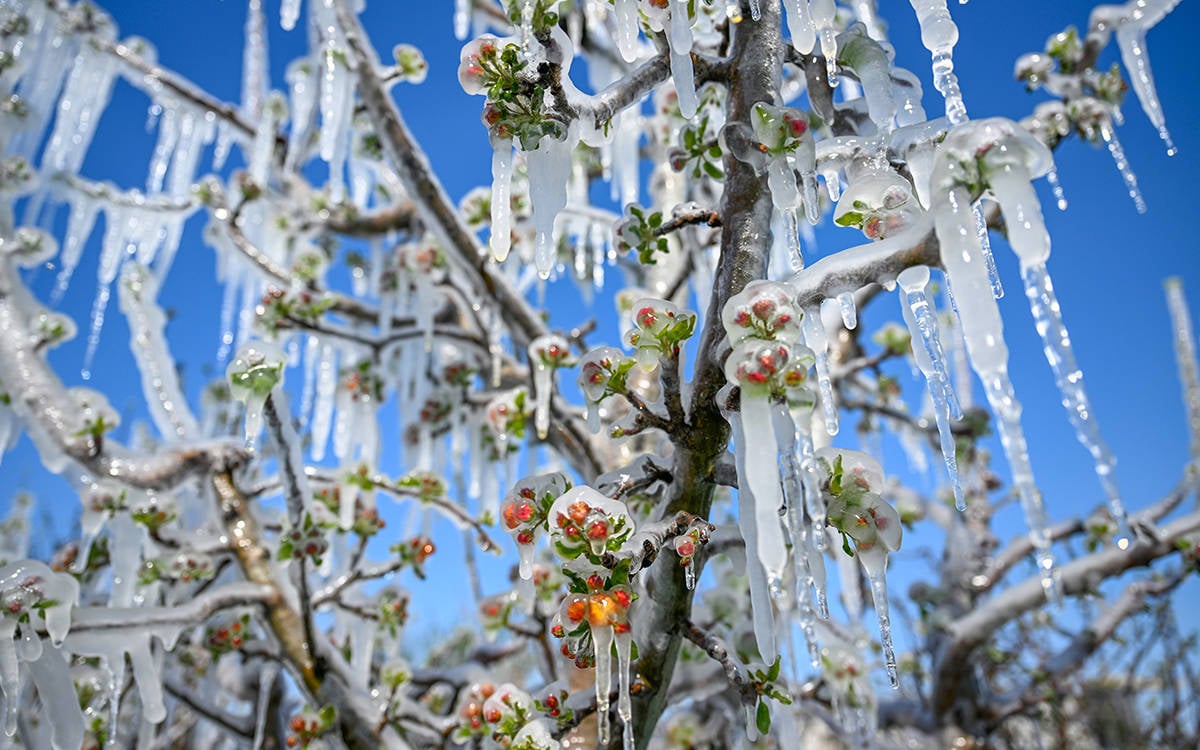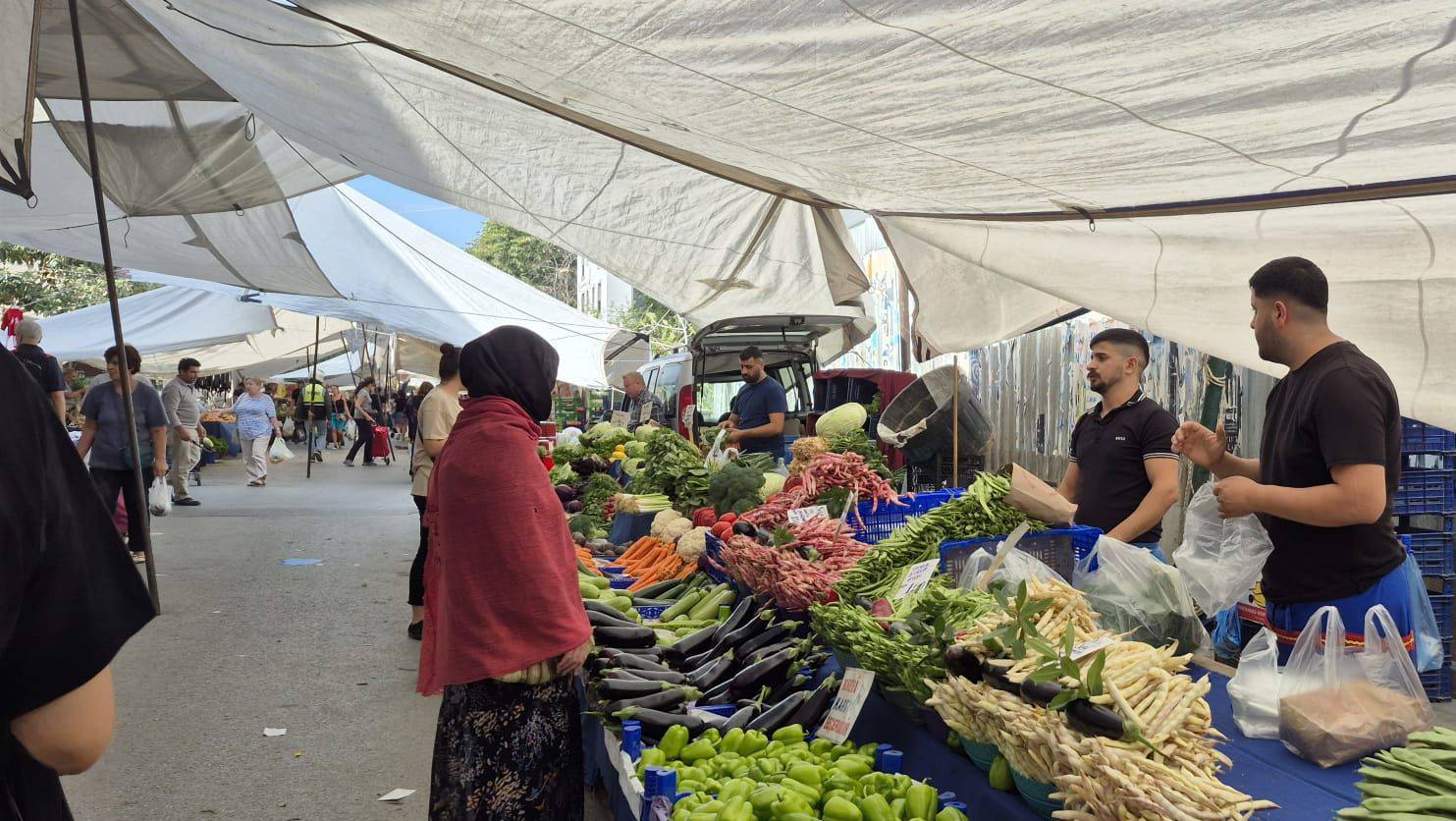




Turkey’s agricultural sector continues to grapple with the lingering effects of a devastating frost that hit 34 of the country’s 81 provinces in April, freezing orchards and sending prices soaring across the board.
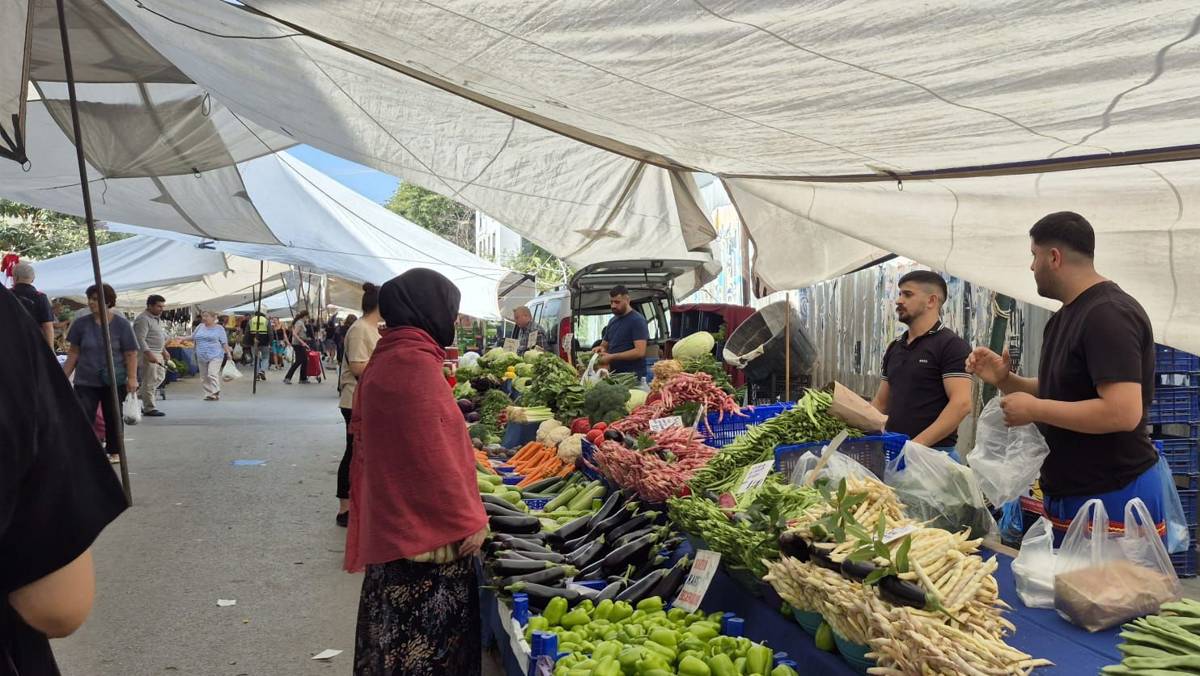
Official data from July shows that fruit prices surged over 200% compared to the previous year, hitting economically vulnerable locals with a gut punch and intensifying already high levels of food inflation.
In Turkey, where domestic agriculture is an economic mainstay not only nationwide but for world production, the frost that peaked from April 10 to 13, just as harvests began across the fertile Anatolia fruit basket, severely damaged crops.
Agriculture Minister İbrahim Yumaklı described the event as “one of the most severe in history” and promised compensation for farmers.
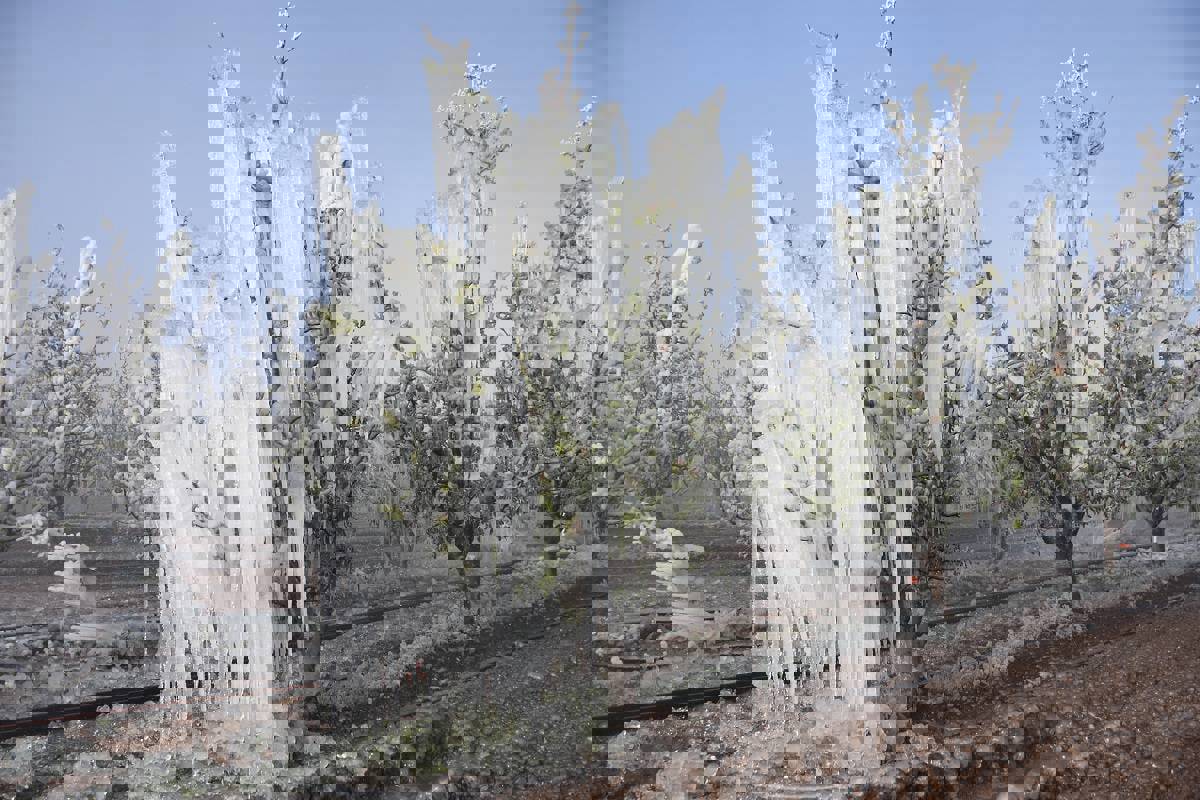
“Orchard products such as apricot, peach, apple, cherry, nectarine, and citrus products like lemon were affected by the frost,” Ömer Fethi Gürer, a deputy from the main opposition Republican People’s Party (CHP) and a member of the Parliamentary Committee on Agriculture, Forestry and Village Affairs, told bianet. “For some fruits, the price on market shelves did not fall below 100 liras per kilo. Its impact on inflation was reflected as a rise in product prices, and this negatively affected access to fruit among low-income groups.”
Data from the Turkish Statistical Institute (TurkStat) highlight the scale of the price increases. The Agricultural Producer Price Index (Agricultural-PPI) rose by 18.82% in June compared to the previous month, and by 50.31% on an annual basis.
Fruit prices saw the sharpest rise, with an annual increase of 202.59%. Even tropical fruits rose by 62.91%. Although July saw a 5.66% monthly decline in the overall Agricultural-PPI, fruit prices remained high. In fact, the category of soft and stone fruits posted the highest annual increase at 224.14%. In August, this category again topped the annual change with a 147.08% rise, while tropical and subtropical fruits saw the highest monthly increase at 131.48%.
Climate policy challenges
The frost’s impact has been compounded by Turkey’s broader climate policy challenges. Although Turkey passed its first-ever climate law on Jul 2, the legislation drew criticism for its lack of scientific grounding and insufficient measures to meet the 2053 Net Zero Emissions Target.
Critics say the law has favored multinational fossil fuel interests over the needs of local farmers, many of whom are being displaced by speculative energy projects.
“In this context, taking strategic precautions and implementing regulations are the duties of governments,” said Gürer, who also serves on the Parliamentary Frost Research Committee.
He emphasized the importance of immediate measures to support farmers and prepare for future climate-related disasters. “Frost is a process from which many lessons should be drawn. While working on effective tools such as hot-air windmills or heating devices in orchards to protect crops, re-developing affected saplings in areas with less damage would provide immediate protection.”
“Additionally, crop patterns should shift toward species more resistant to pests and climate shocks,” added Gürer.
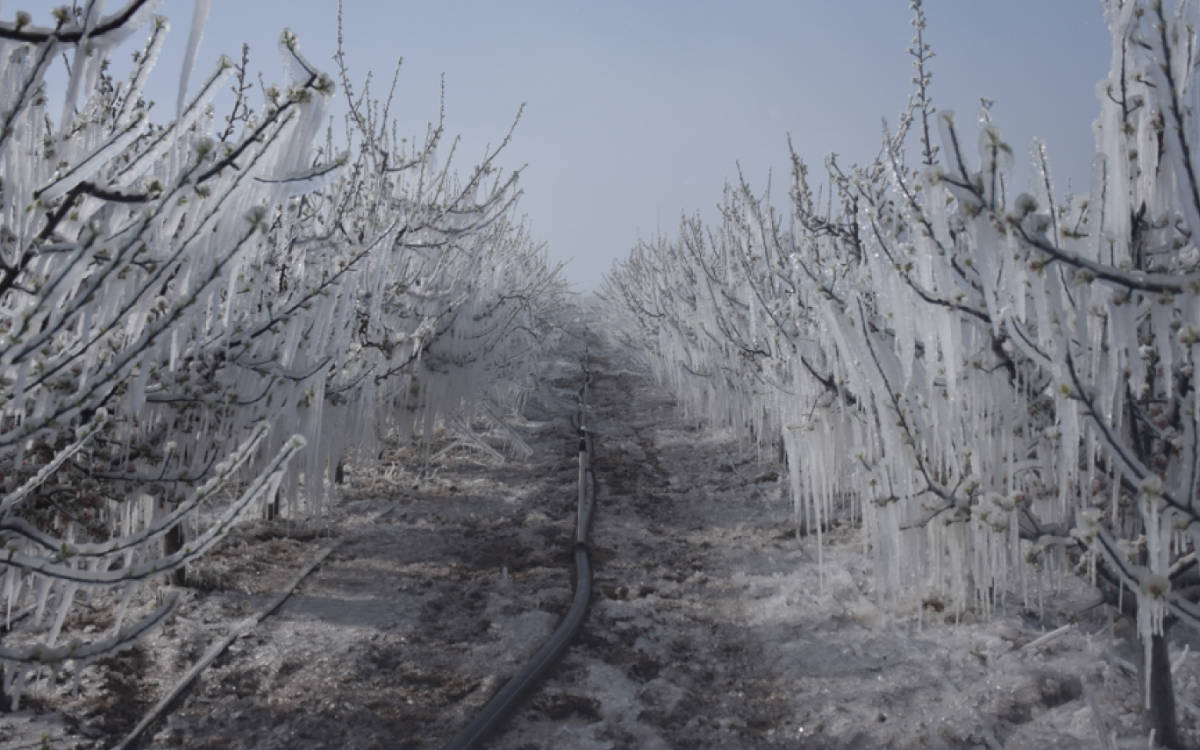
Frost disaster in agriculture causes 21 billion TL in damages
Impact on consumers
According to the Confederation of Turkish Trade Unions, the minimum cost of a healthy diet for a family in Turkey rose by nearly 1,000 liras from July to August—roughly a 20 US dollar increase—bringing the hunger line to a level around 145 dollars above the net minimum wage.
In Ankara, annual food expenditure increases have exceeded 40%. Eurostat data ranks Turkey at the top in Europe for the number of citizens unable to afford a protein-rich meal every other day.
“Small- and medium-scale farmers and consumers are most negatively affected by inflation. There have been policies impoverishing consumers for decades,” said Abdullah Aysu, former president of the Confederation of Farmers’ Unions and president of the Grain Producers’ Union.
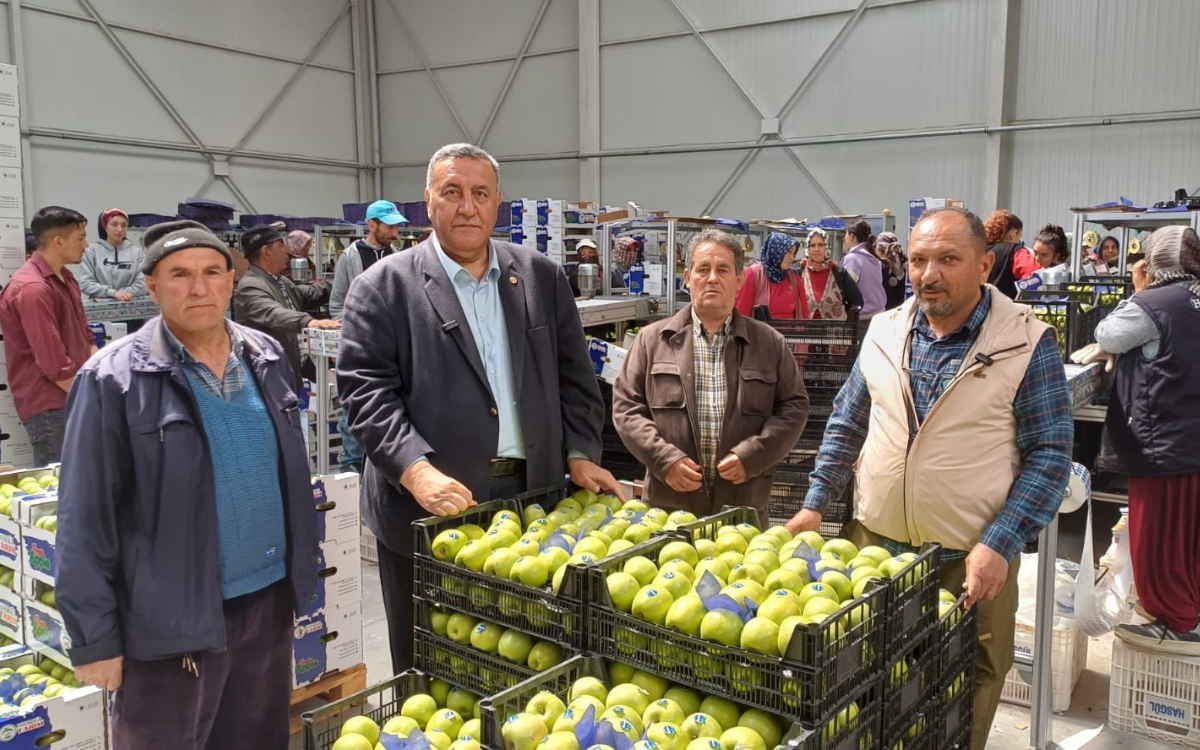
Agricultural frost severely impacts Turkey's export crops, says MP
“Furthermore, even before the frost, prices rose because products passed through multiple intermediaries before reaching consumers,” he added. “Now, this frost damage has reduced yields and supply, sending prices skyrocketing. Consumers have reached a point where buying even a single piece or slice has become difficult.”
Turkey leads global production in hazelnuts, raisins, and apricots. The April frost reduced the expected 300,000 tons of grape production by up to 50%, while losses in hazelnut and apricot yields surpassed 70%.
“This primarily harmed farmers. Because the prices of these products—where we are leaders in both production and export—are not determined by Turkey, but by global purchasing companies. Those companies do not care if farmers suffer losses from frost. They simply don’t. Vegetables damaged by frost also saw sharp price increases. This, in turn, fueled inflation,” Aysu explained.
Preventive measures
Both Gürer and Aysu advocate for a shift from industrial to ecological farming models. Aysu, who comes from a farming background and has written extensively on Turkish agricultural policy, suggests redirecting financial support from insurance companies to preventive infrastructure.
“Instead of transferring the financial amount created by the 70% premium rate allocated to TARSIM (Agricultural Insurance Pool) to insurance companies, this money should be used to purchase and distribute preventive equipment such as wind machines and smoke machines to farmers,” Aysu said.
“Irrigation materials for frost protection should be provided to producers so that they are equipped and ready,” he noted. “They should be given access to preventive equipment individually or through cooperatives with democratic governance structures.
“Only in this way can the country’s farmers escape being perpetually dependent, and their rights and hard work will not be transferred to companies. The dependency of Turkish agriculture on nature can be reduced; we can become an agriculture country equipped and protected against natural disasters.” (MH/VK)