









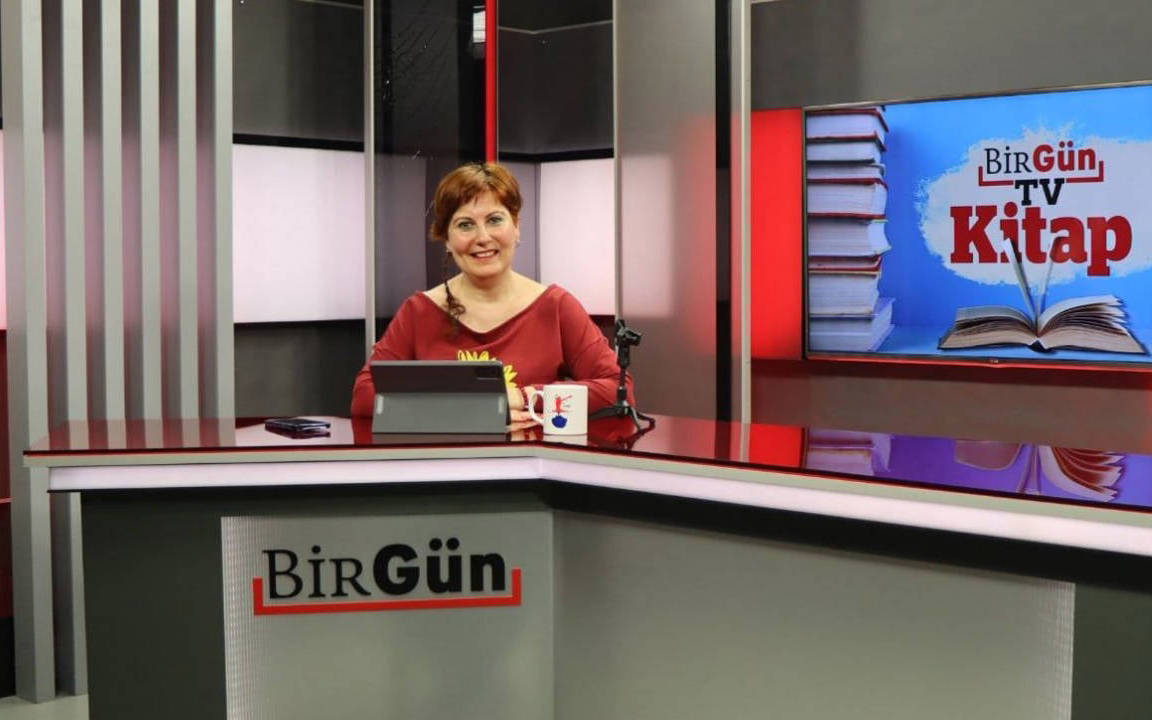



The Radio and Television Supreme Council (RTÜK) has ordered the left-wing daily BirGün’s YouTube channel to apply for a broadcast license.
The decision was taken at the council's board meeting on today and published on its website. BirGün TV, which began broadcasting on Sep 1, will be required to submit a license application within 72 hours of official notification. If the application is not filed, RTÜK said it would request an access ban on the channel.
The council's members from the opposition Republican People’s Party (CHP) and the Peoples’ Equality and Democracy (DEM) Party criticized the decision.
CHP member İlhan Taşçı said, “While dozens of channels close to the government or RTÜK continue to broadcast illegally without paying license fees, if you are a critical broadcaster, RTÜK hangs over you like the sword of Damocles. As long as you don’t think, question, or criticize.”
DEM member Tuncay Keser said, “Out of thousands of YouTube broadcasters, BirGün TV was singled out for licensing because of its critical content. Through license fees and content supervision, independent journalism and pluralism on the internet are being targeted. It is clear that what is wanted is a one-voice social media."
DEM’s Necdet İpekyüz added, “The real question is whether the same rule is applied equally to everyone. Press freedom and pluralism can only be guaranteed through equality.”
RTÜK comprises members selected by political parties represented in parliament and the ruling bloc holds a majority in the council.
Is RTÜK’s pressure on newspapers for YouTube licenses new threat to freedom of expression?
The media watchdog introduced licensing requirements for online broadcasting in 2019 under the regulation on “Radio, Television, and On-Demand Broadcasting on the Internet.” It applies to internet-based radio, television, and on-demand services, with license fees now set at 92,622 liras for radio and 926,214 liras for television and on-demand platforms.
Foreign media outlets such as Deutsche Welle and Voice of America previously faced access bans in Turkey after refusing to apply for licenses under the same regulation.
A legal challenge filed by the Media and Law Studies Association (MLSA) against the regulation has been pending before the Council of State for more than five years. MLSA argues that the regulation violates freedom of expression and press freedom. (HA/VK)

