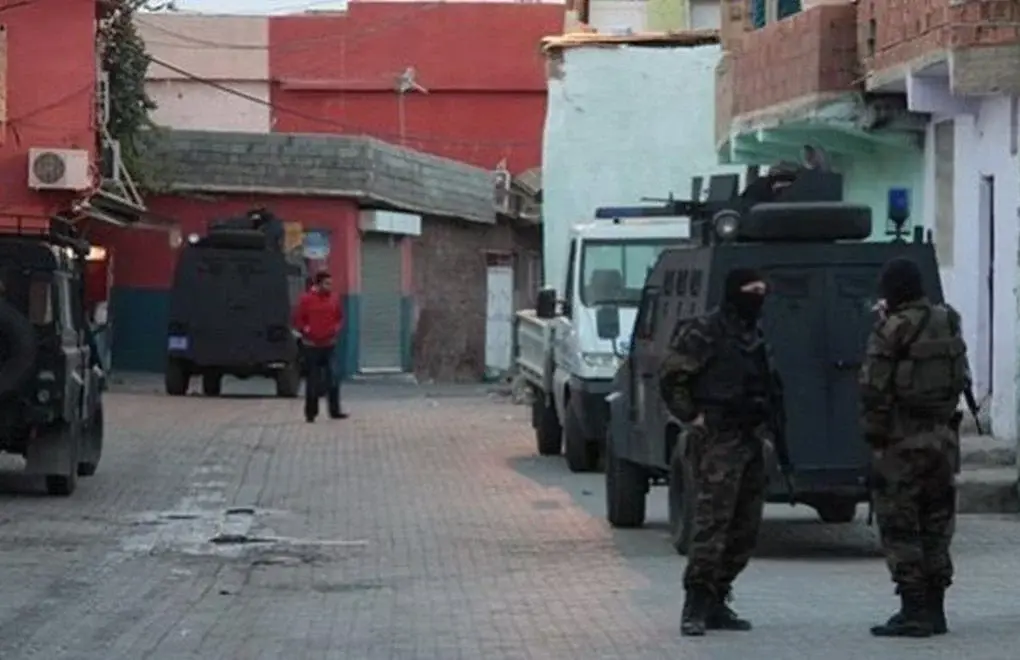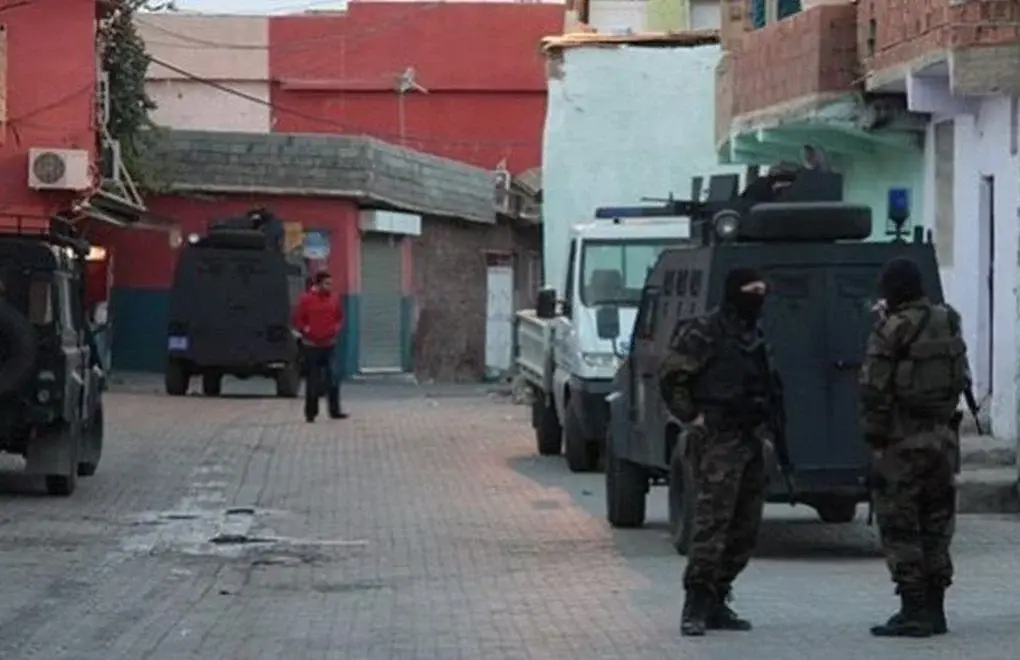



A new study by the Truth Justice Memory Center (Hafıza Merkezi) titled 'No Peace Without Justice' reveals how violations of the right to life against children and youth in Turkey’s Kurdish region evolved into new forms of state violence between 2000 and 2015.
The research, which involved three years of fieldwork and desk-based analysis, examines a period described as "neither war nor peace."
Shifting methods
While the 1990s were marked by a low-intensity war and a state of emergency, the first fifteen years of the 2000s saw a shift from extrajudicial killings toward deaths caused by the militarization of urban and rural spaces.
According to the report, violations children and young people's right to life during this period were not isolated incidents but extensions of conflict dynamics from the 1990s. Key patterns identified include:
Urban militarization: The widespread use of armored vehicles in city centers led to numerous fatalities, particularly among children struck by these vehicles in their neighborhoods.
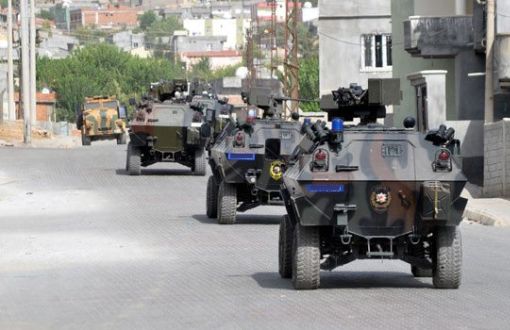
TİHV: At least 18 people killed in armored vehicle crashes in four years
Suppression of protests: Law enforcement increasingly used military logic to repress social mobilization, resulting in deaths from gunfire and gas canisters during public demonstrations.
Rural hazards: Deaths in rural areas were frequently caused by landmines and unexploded military ammunition, a direct legacy of the intensive militarization of the 1990s.
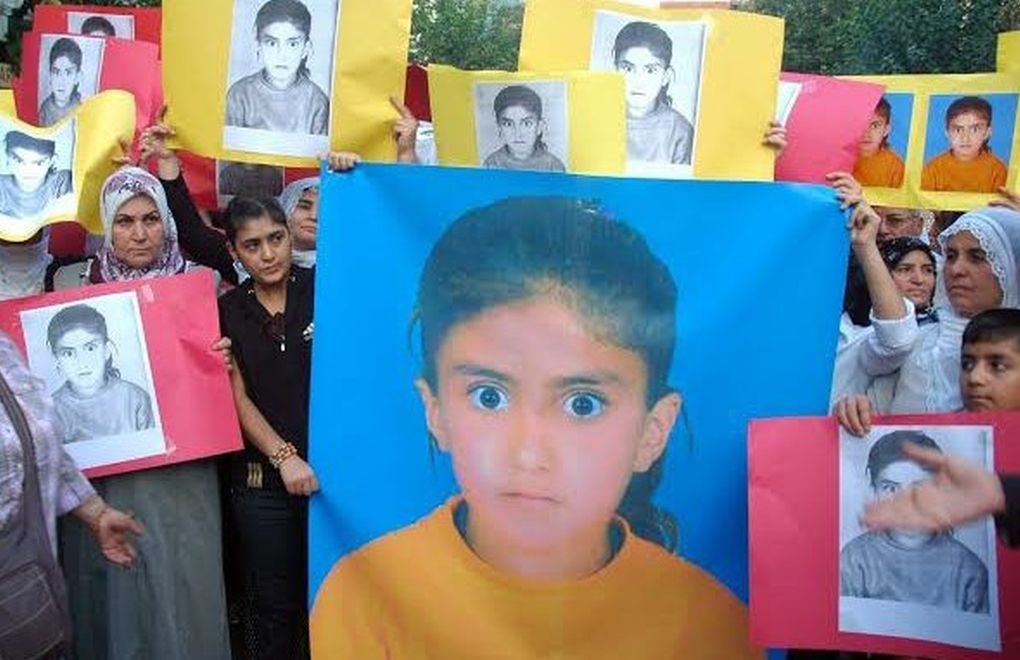
No one has stood trial in 11 years for 12-year-old Ceylan Önkol's death in an explosion
.jpg)
Killing of Two Children in Dersim by Explosives: 'There are a Lot of War Remnants' Says Mayor
Border violence: The report highlights the 2011 Roboskî massacre, where an airstrike killed 34 civilians, as a prominent example of violence in border regions.
.jpg)
Roboski Massacre commemorated on 11th anniversary
The persistence of impunity Despite a period of relative political opening and the 2013-2015 peace process, the study found that structural mechanisms of impunity remained intact. Legal struggles by families often faced systematic obstacles, including the lack of effective investigations and the use of time limitations to shelve cases.
'Impossible access to justice'
The report notes that in many instances, the legal arena became a 'symbol of impossible access to justice'.
Families interviewed for the study emphasized that the punishment of perpetrators is not about revenge but is a necessary condition to ensure such violations never happen again.
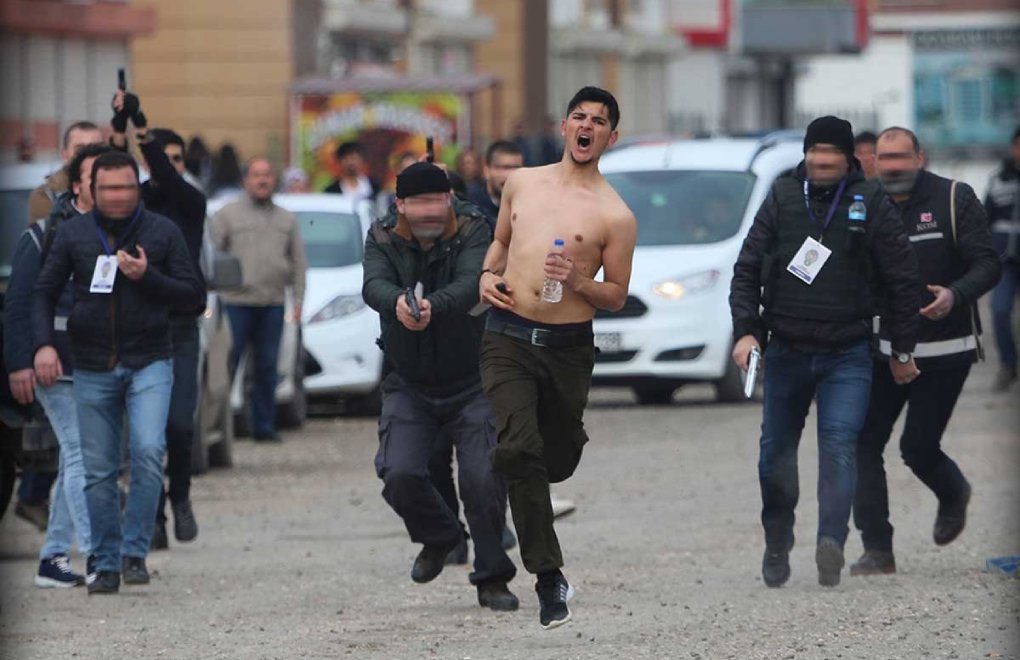
No sentence for police officer who shot student dead during Newroz celebrations
Memory as resistance The research also explores how the state has targeted collective memory. Monuments dedicated to victims, such as the statue for 12-year-old Uğur Kaymaz in Mardin, were removed by government-appointed trustees after 2016.
(VK)