


Collective bargaining negotiations covering public employees for the 2026–2027 period have reached an impasse, with the final decision now set to be made by an arbitration board appointed primarily by the government.
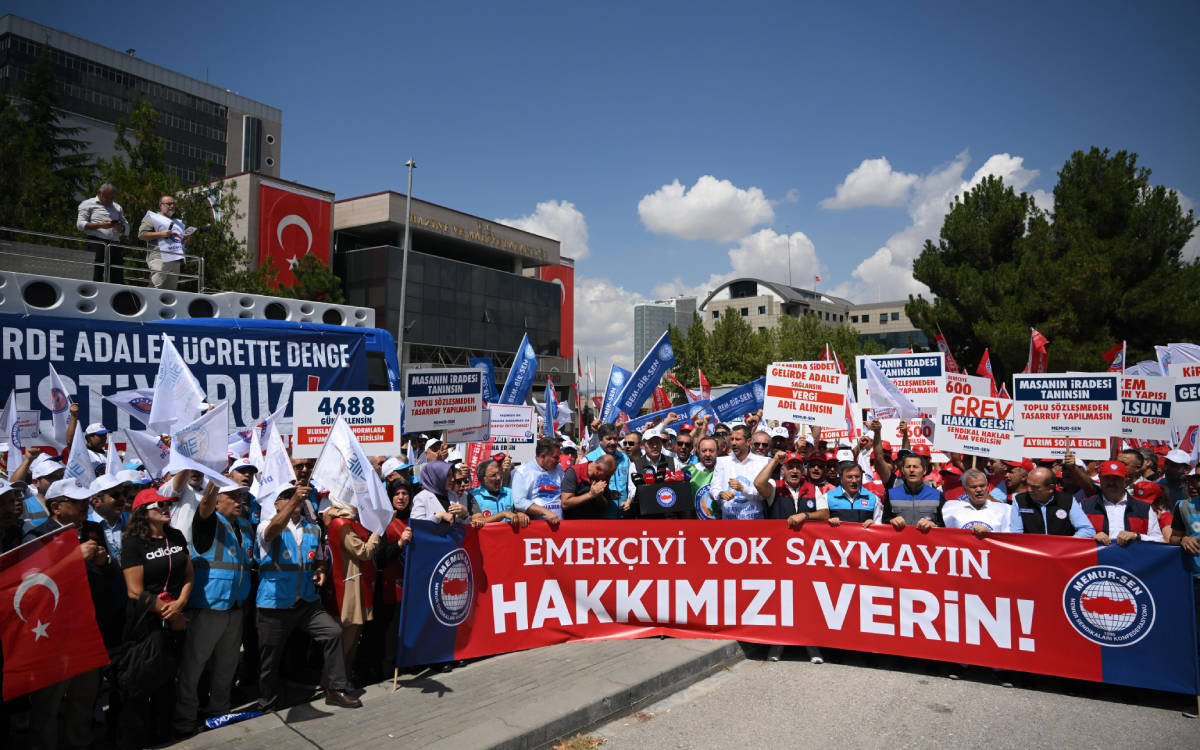
Yesterday, civil servant unions staged protests and work stoppages across the country to express their objection to the government’s latest wage proposal.
The Confederation of Public Servants Trade Unions (Memur-Sen), the sole public sector union confederation authorized to negotiate with the government, rejected the offer and announced today that it would refer the issue to the Public Officials Arbitration Board.
The union's chair, Ali Yalçın, said, “The wage balance in the public sector has collapsed, and no proposal has come forward to restore it. Everyone sees the problem, but the offers don’t solve it."
"By signing the collective agreement, we would have taken responsibility for a problem we didn’t cause," he added. "Time at the table is over, but time to solve the problem is not. This issue must not be left unresolved. I will provide a fuller statement later.”
The government initially proposed a wage increase of 10% for the first half of 2026, 6% for the second half, and then 4% in each half of 2027. After the initial proposal was rejected, the offer was revised to 11% for the first half of 2026 and 7% for the second half.
The negotiations impact nearly 6.5 million civil servants and public retirees.
About arbitration board
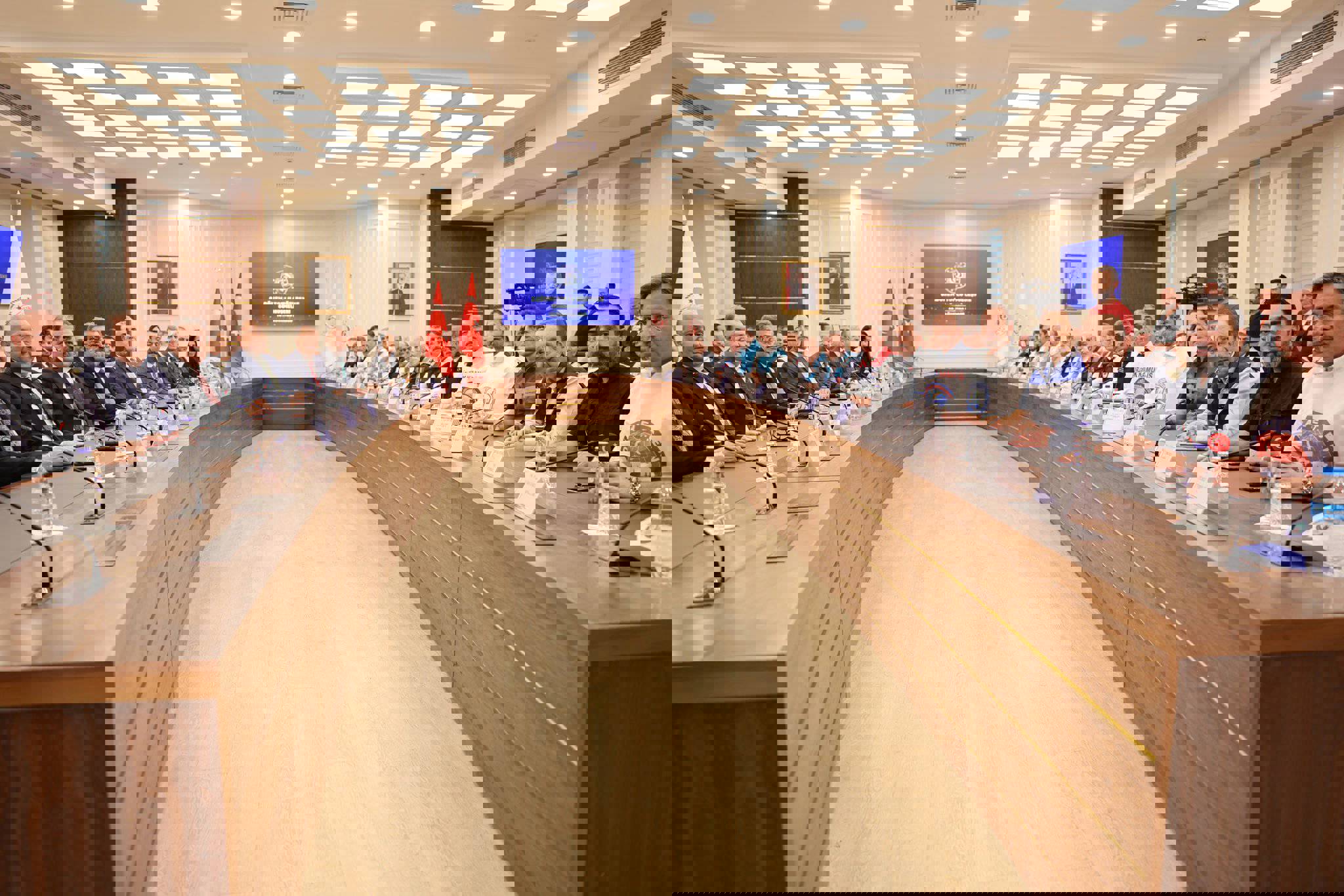
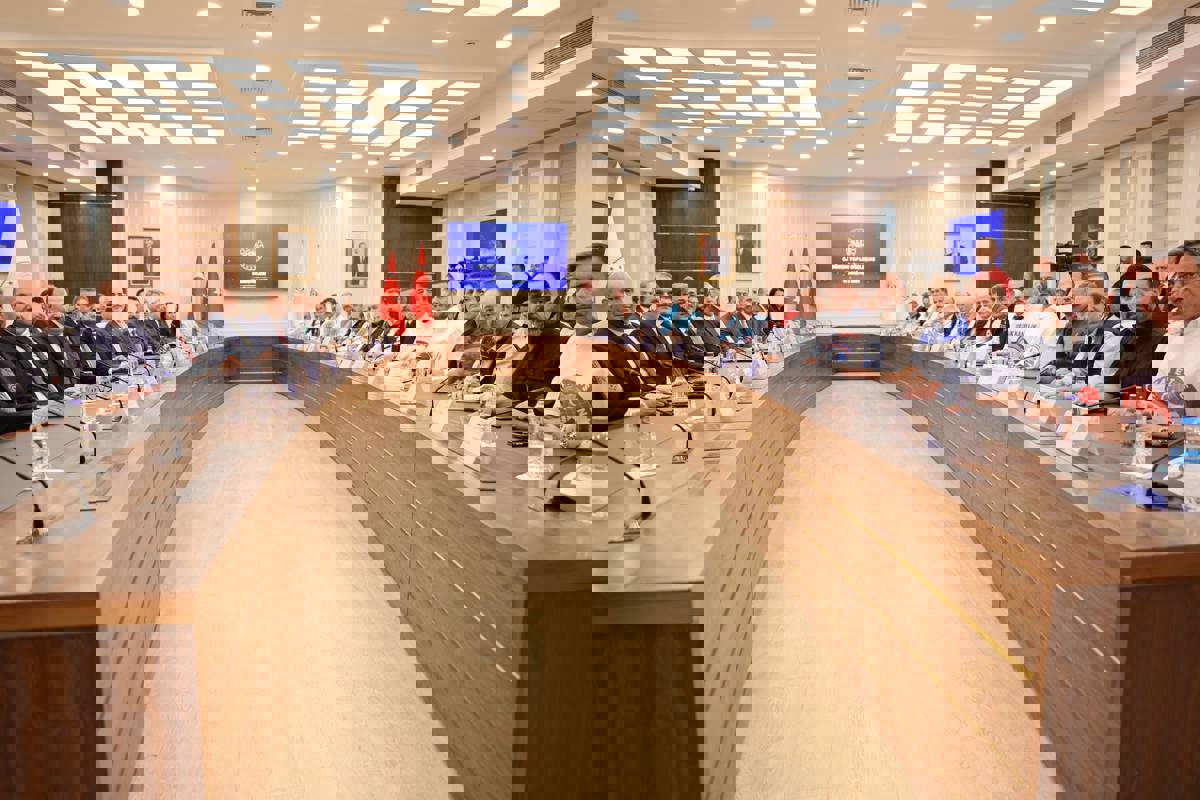
The Public Officials Arbitration Board, a constitutional body, has the final say in disputes between the state and civil servants over collective agreements. It consists of 11 members: six appointed by the government and five selected by the unions. The board’s chair and members are designated before negotiations begin.
The board convenes with the participation of at least eight members, including the chair, upon the chair’s call. Alternate members replace any regular member unable to attend. The board must issue its decision within five days of receiving the case.
Decisions are made by majority vote among attending members. Members may not abstain. The chair’s vote counts as two, and in the event of a tie, the side supported by the chair is considered to have the majority. (HA/VK)