




Prosecutors have completed an investigation into singer Mabel Matiz over the music video for his song “Ha Leylim,” released on Aug 10, and filed an indictment seeking a trial.
A travel ban imposed on Matiz during the investigation remains in place. Prosecutors left it to the court to decide whether the restriction should be lifted.
The investigation was conducted under Article 226 of the Turkish Penal Code, which regulates the offense of “obscenity” under the section on crimes against public morality.
Dance scene
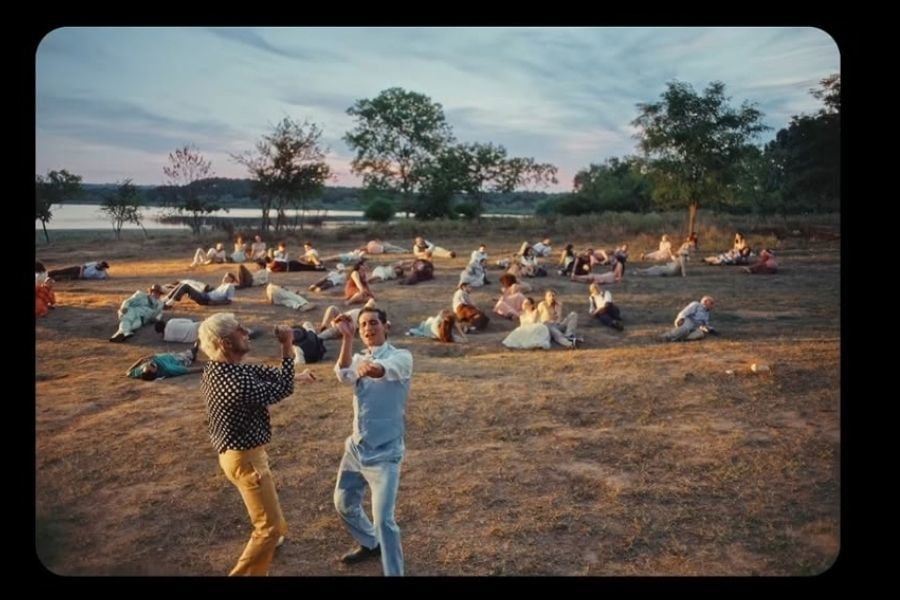
The indictment cited footage beginning at the 3-minute-51-second mark of the video as the basis for the accusation.
Prosecutors said the scene shows a large group of people sitting or lying on the ground in an open area as a man "playing the groom” appears alongside another man with blond hair wearing a yellow suit.
According to the indictment, one of the men removes his jacket before the two begin dancing face to face. Prosecutors said they make repeated movements emphasizing their arms and hips during the dance.
The indictment noted that the scene initially features only music, with the song’s lyrics accompanying the footage later.
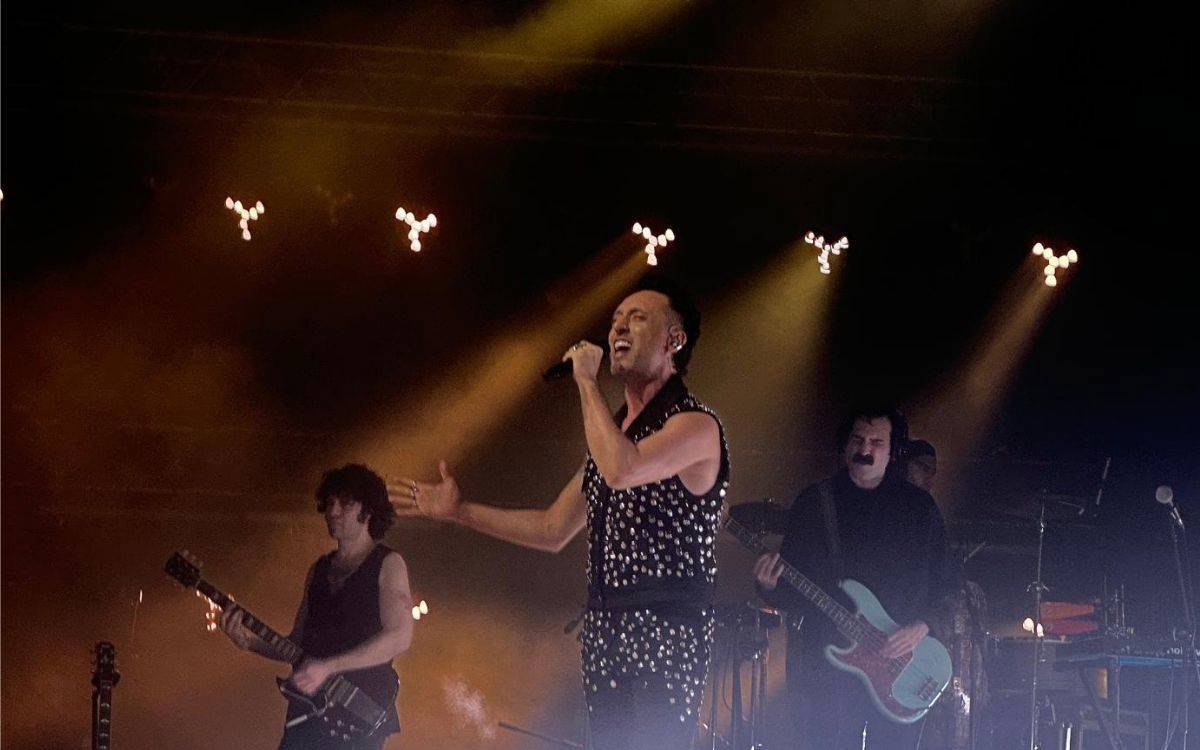
Ministry seeks ban on queer singer's new song on 'public morality' grounds
Why the footage is considered ‘obscene’
Prosecutors’ decision to assess the footage under Article 226 has become a central issue in the case.
The indictment’s interpretation of which elements of the scene constitute obscenity has also renewed questions over the boundaries between freedom of expression, artistic freedom and criminal law.
If the case proceeds, the court will make the final determination on whether the footage constitutes an offense under Article 226.
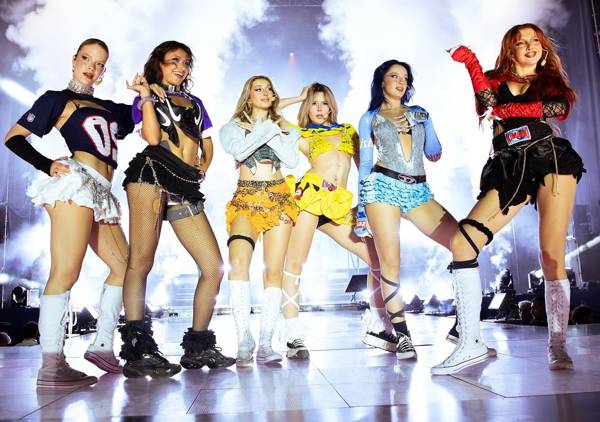
Turkey expands ‘obscenity’ investigations to musicians as 'girl band' given travel ban
About Article 226
Article 226 of the Turkish Penal Code regulates the offense of “obscenity” and is included in the section on crimes against public morality.
The provision criminalizes acts including giving, showing, reading or playing obscene material to children, as well as displaying or publishing such content in places accessible or visible to children or in public.
It also covers the sale, rental, distribution and advertising of such material.
Publishing obscene images, writings or statements through the press or other media, or facilitating their publication, is punishable by six months to three years in prison and a judicial fine of up to 5,000 days.
The use of children in the production of obscene material is subject to heavier penalties.
Article 226/7, however, provides an exemption for scientific works and, except for the third paragraph of the article, works of artistic or literary value, provided that access by children is prevented.
(EMK/VK)