



While 412 million children worldwide live on less than 3 US dollars a day, recent data shows that 38.9% of children in Turkey are at risk of poverty or social exclusion. Both local and international sources indicate that this deprivation is not limited to income but extends deeply into areas such as nutrition, education, health, and social life—creating a multidimensional crisis with long-term effects.
According to the 2024 UNICEF–World Bank report, 333 million children globally survive on less than 2.15 dollars a day. That number rises to 829 million for those living on under 3.65 dollars, and to 1.43 billion for those below 6.85 dollars.
In Turkey, TurkStat data shows that 7 million children, or about one in every three children in the country, were living below the poverty line in 2023. When measured using the median income method, this figure rises to 42.4% according to 2022 data. Poverty disproportionately affects younger age groups: 41.4% among infants and 43.8% in the 3–14 age group.
OECD countries
With a rate of 22.4%, Turkey has second-highest rate of child poverty among OECD countries, following Costa Rica at 27.4%. The average child poverty rate among OECD member countries is 12.4%.
According to the AROPE (At Risk of Poverty or Social Exclusion) indicators, Turkey has the highest rate in Europe, with 42.7% of children aged 0–17 at risk. These risks stem not only from low income but also from severe material deprivation and low work intensity in households.
Regional disparities are also striking: 28.4% of poor children live in Southeastern Anatolia, with the Şanlıurfa–Diyarbakır region alone accounting for 13.1% of the total.
‘Poverty cannot be reduced to numbers’
Önder Uçar from the Deep Poverty Network emphasized the complex nature of poverty and warns against shortcomings of qualitative measurements, saying, “Poverty cannot be reduced to numbers. It is a human rights violation with psychological effects and interlinked conditions. Alongside income metrics, indicators such as household size, housing quality, access to nutritious food, education, and energy poverty must be included and monitored with a child-focused and locally nuanced approach.
“A rights-based, multi-component support package must be implemented—including income security, free school meals, transportation and stationery support, housing and energy aid, and school-based social services. If we don’t measure certain aspects, they remain invisible. And what we fail to see, we fail to address with policy.”
One in five children goes to school hungry
According to TurkStat’s "Family in Statistics" report, 21.2% of households are poor, rising to 26.9% among extended families. One in three families lives in substandard housing, and 31.3% face issues such as leaking roofs, damp walls, or broken windows.
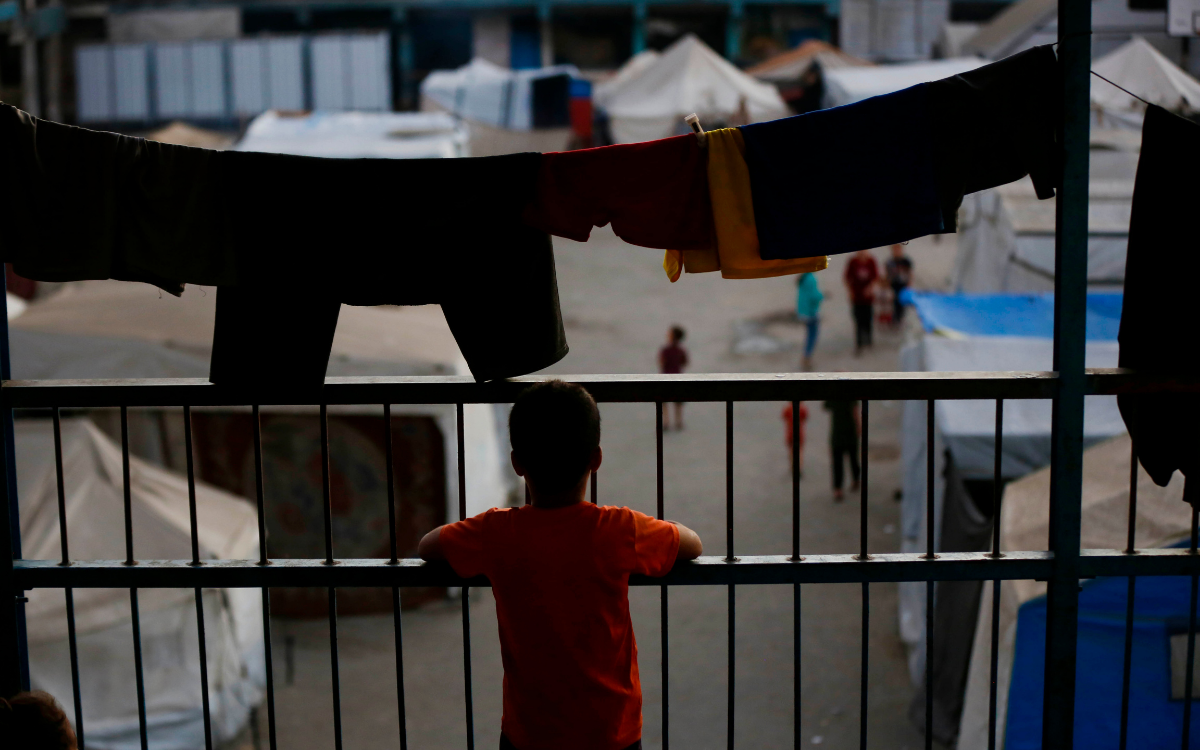
The 2024 data paints an even grimmer picture: 40% of children in Turkey are at risk of poverty or social exclusion. One in ten families cannot afford to buy new clothes for their child or provide regular fruits and vegetables. OECD figures show that 20% of 15-year-olds skip at least one meal a week—meaning one in five children goes to school hungry.
According to the 2024 UNDP–OPHI data, 1.1 billion people globally live in multidimensional poverty, with more than half of them being children. The most common areas of deprivation include housing, nutrition, education, and health. TurkStat figures also highlight growing regional inequalities in Turkey.
“Access to regular meals, education, and healthcare is increasingly difficult in Turkey,” Uçar said. “Many households have had to move in the past two years, disrupting both education and employment. Elder care infrastructure is inadequate, and costs are high. The solution isn't just income support—it’s a comprehensive, multi-layered approach that strengthens nutrition, housing, energy, and essential services.”
Structural policies
According to Eurostat, 24.2% of children in the European Union are at risk of social exclusion. In Turkey, that rate is significantly higher at 38.9%. Uçar argued that this is not just a result of low income but also of systemic problems, including high indirect taxes, limited social spending, barriers to women’s participation in the workforce, job insecurity, and the rising cost of living.
“To reduce AROPE, raising income alone is not enough,” he said. “We need tax reform, stronger social investment, and policies that increase women’s employment.”
Poverty visible in children’s bodies
According to joint data from UNICEF, WHO, and the World Bank, 150 million children suffer from stunting, while 42 million face underweight issues. In Turkey, the OECD estimates that around 6.5 million children live in extreme poverty and one in four goes to school hungry. These figures show that poverty affects not just income, but also children's physical development and overall health.
According to Uçar, providing nutritious school meals helps reduce hunger-related attention problems, improves school attendance, and boosts academic performance. Citing World Food Programme data, he noted that each dollar invested in school meals can yield up to 35 dollars in social return. “In a country where one in five children is hungry, free school meals are among the fastest and most effective solutions for nutrition, education, and equality,” he said.
Lack of early childhood investments
Education is where the most lasting impacts of child poverty are seen. In low- and middle-income countries, 70% of 10-year-olds are unable to read a simple text—a figure worsened by the pandemic. Although Turkey has not released official data, results from international assessments like PISA and TIMSS point to deep regional disparities. Comparative studies by UNICEF and the OECD place Turkey among the lowest-performing countries in the OECD and EU.
Deprivation starting at an early age leads to absenteeism, learning loss, and low self-esteem beginning in primary school, according to Uçar. “These conditions increase dropout rates and make it more likely that children end up in low-paying, insecure jobs later in life. They also exacerbate chronic and mental health issues. The solution lies in early childhood investments.
"When free school and preschool meals, transport support, school-based social services, and regular income security are implemented together, they boost both educational outcomes and lifelong income and health. The most effective way to combat inequality is a multi-faceted support system that starts early.” (BK/NÖ/VK)