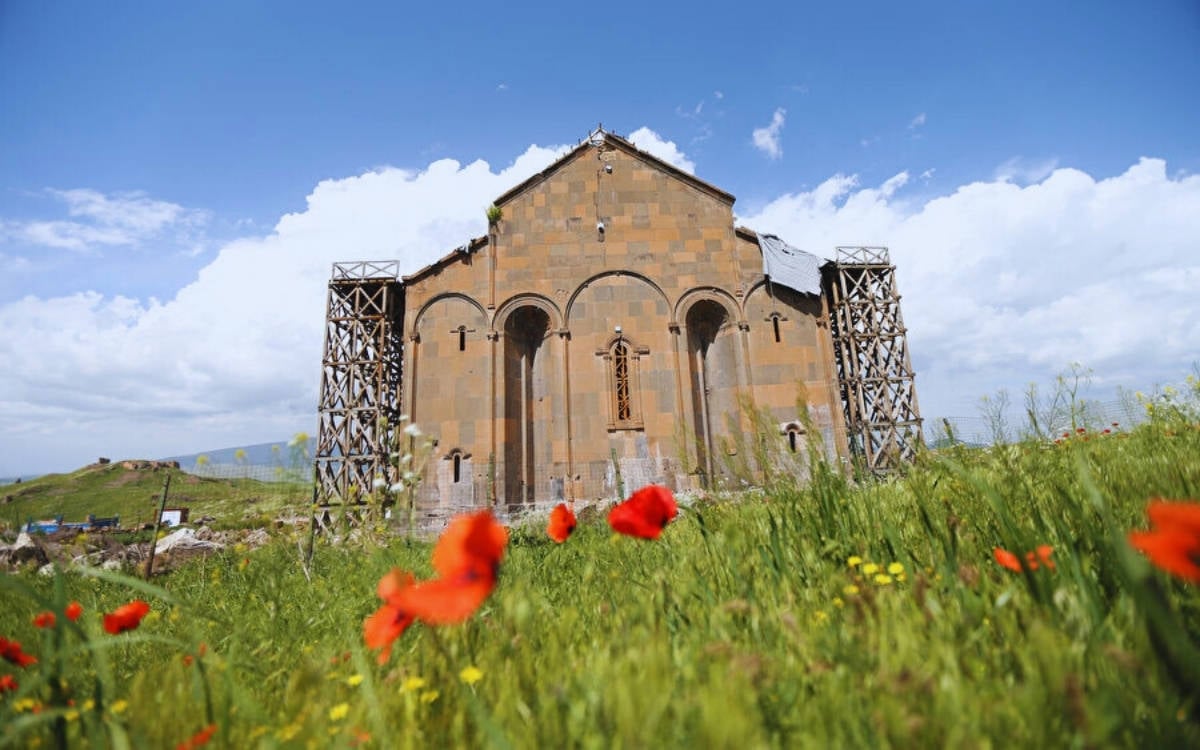








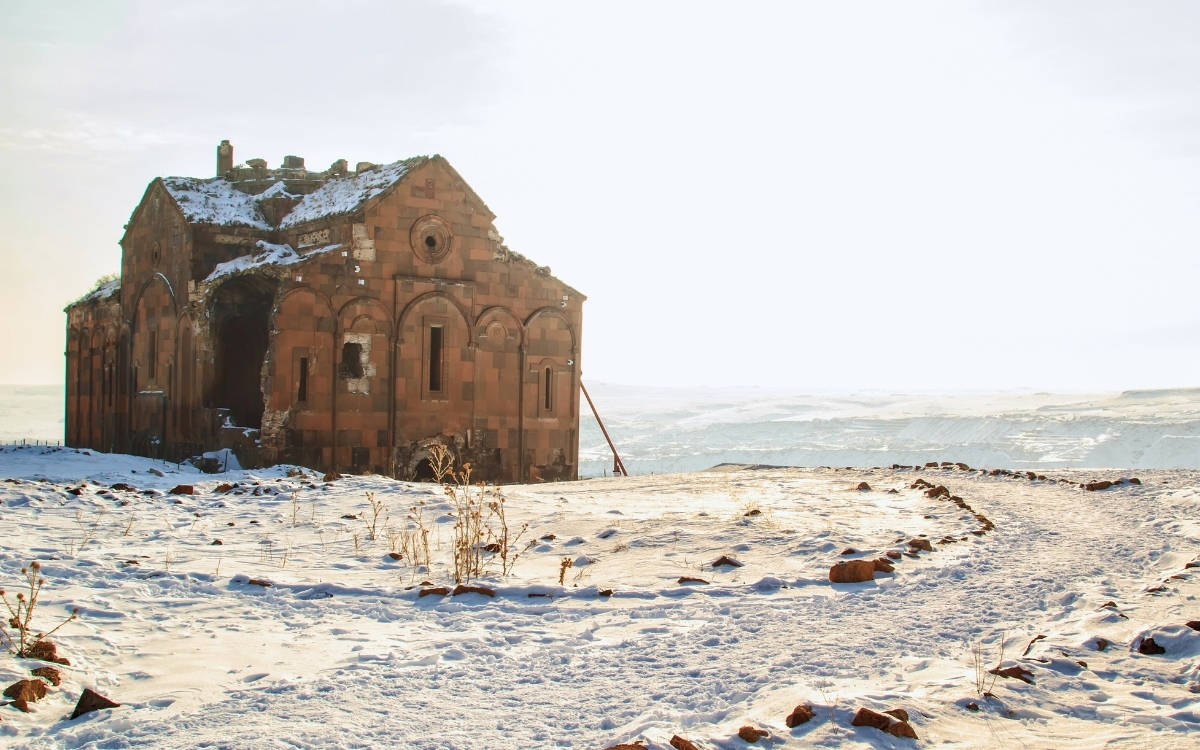



On Jul 3, head of the archaeological excavation at the Ani Ruins in eastern Turkey, Assoc. Prof. Muhammet Arslan, announced that the Ani Cathedral (Surp Asdvadzadzin), one of the most important monuments in Armenian history, would be reopened as a mosque following restoration work.
Assoc. Prof. Muhammet Arslan, head of the archaeological excavation at the Ani Ruins in eastern Turkey, announced that the Ani Cathedral (Surp Asdvadzadzin), one of the most important monuments in Armenian history, would be reopened as a mosque following restoration work.
While Ani is officially listed as an archaeological site under the jurisdiction of the Culture and Tourism Ministry, the ministry’s website does not categorize the cathedral as a mosque. Instead, the building appears under the “Ongoing Projects of 2023” section as part of the “Kars Ani Cathedral Restoration (Phase 2).”
In his remarks, Arslan claimed that the cathedral was originally built in the late 10th century during the Bagratid era and later converted into a mosque after Sultan Alparslan’s conquest of Ani.
He said, “With the conquest, Sultan Alparslan converted the cathedral, then the city’s largest church, into a mosque, following Turkish conquest traditions. He removed the cross from its dome and replaced it with a gold crescent he had brought with him. The first Friday prayer in Anatolia was held here.”
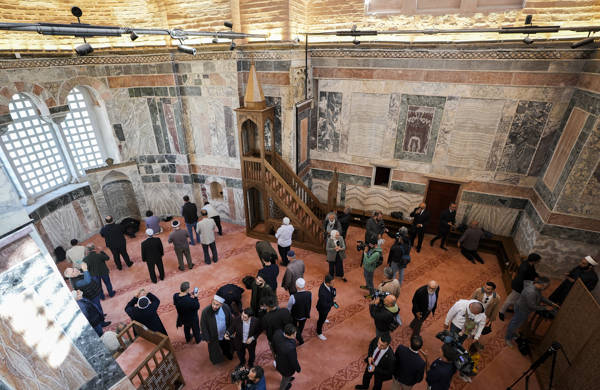
İstanbul’s Chora Museum reopens as mosque
'No conclusive evidence'
Alin Pontioğlu, a member of the HAYCAR Architects and Engineers Solidarity Association and a contributor to the Ani Mobile App, spoke to bianet about the site's history and current status.
She noted that Ani was the first capital of the Armenians and a religious and cultural hub, with remnants now spread along both sides of the Arpaçay (Ahuryan) River. “Ani was a medieval city where Armenian traditions, religion, and culture thrived. After a major earthquake, many residents migrated and took their knowledge with them. Ani became a center for architecture, engineering, and urbanism, essentially a university of its time,” she said.
Pontioğlu challenged Arslan’s assertion, stating, “There is no definitive historical evidence that Friday prayers were held there after the conquest. Sources only confirm that Sultan Alparslan conquered Ani. Local accounts claim he ordered the cathedral’s conversion into a mosque but soon continued his campaign into central Anatolia. In fact, Alparslan left the cathedral as a church. His son Melikşah was beloved by Armenians for his kind treatment, and to this day, Armenian families name their sons 'Melik.'”
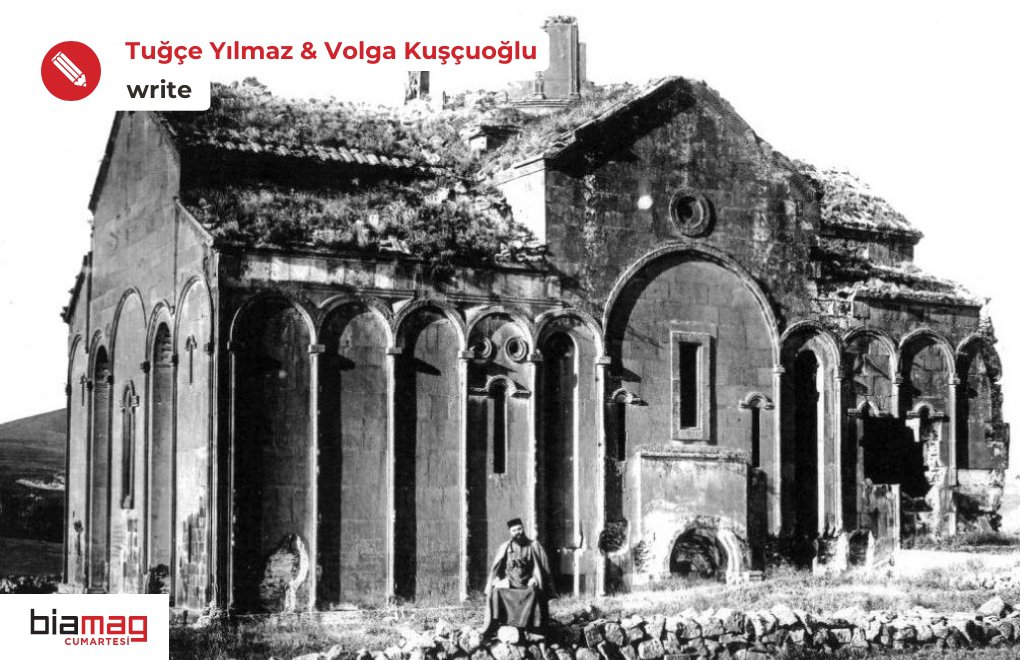
Journey through Anatolia's medieval history: New app offers virtual exploration of Ani
'A threat to social peace'
The plan to reopen the structure as a mosque has drawn criticism for potentially undermining cultural heritage and interfaith respect.
Şerif Yaşar, chair of the Art History Association (STD), commented on both the restoration and the functional change, saying, “Sites like Ani are, first and foremost, cultural heritage areas. They reflect the shared legacy of diverse communities and beliefs. Turning this structure into a mosque in a way that disrupts public respect and peace is wrong in every sense."
He emphasized the impracticality of the plan, pointing to the building’s remote location and absence of a congregation. He added that he views the conversion as a politically motivated move.
“This was originally built as a Christian place of worship for Armenians. It was briefly referred to as 'Fethiye Mosque' after the Seljuk conquest in the late 11th century but fell into disuse due to earthquakes," said Yaşar. "It has remained a heritage site ever since. Transforming it into a mosque after all this time is meaningless. It erodes social peace and the respect between faiths. Ani is a cultural site open to all visitors, converting it into a place of worship is outdated and reduces its identity to a political symbol.
Council of State ruling on Hagia Sophia could set a precedent for Sanasaryan Han
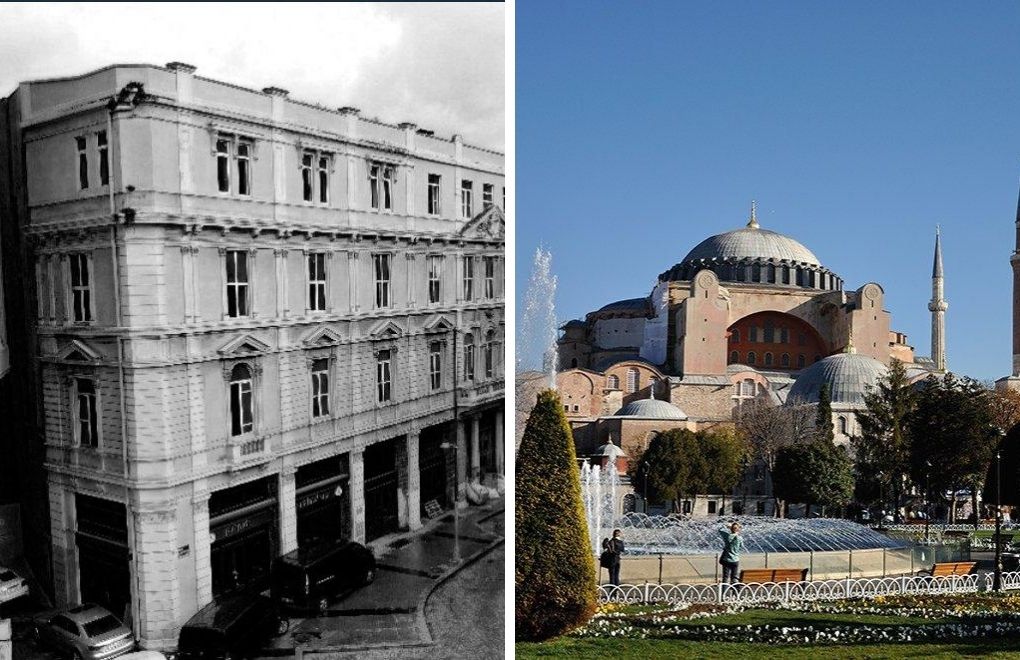
“Just as Hagia Sophia belongs to global architectural history, Ani holds the same status. Ignoring this is unacceptable. Reverting it to a church or any other religious function would damage this shared memory.
"The cathedral was built according to Armenian religious architecture. Adding features like a mihrab or minaret would distort its original design. After the earthquake, the Islamic additions were already destroyed.”
Yaşar also criticized Turkey’s broader preservation policies, saying, “Turkey no longer follows any conservation principles. We saw this with the conversion of Hagia Sophia and the Chora Museum into mosques. These decisions are entirely political. Public opinion and warnings from international bodies like UNESCO are ignored.” (EU/TY/VK)