










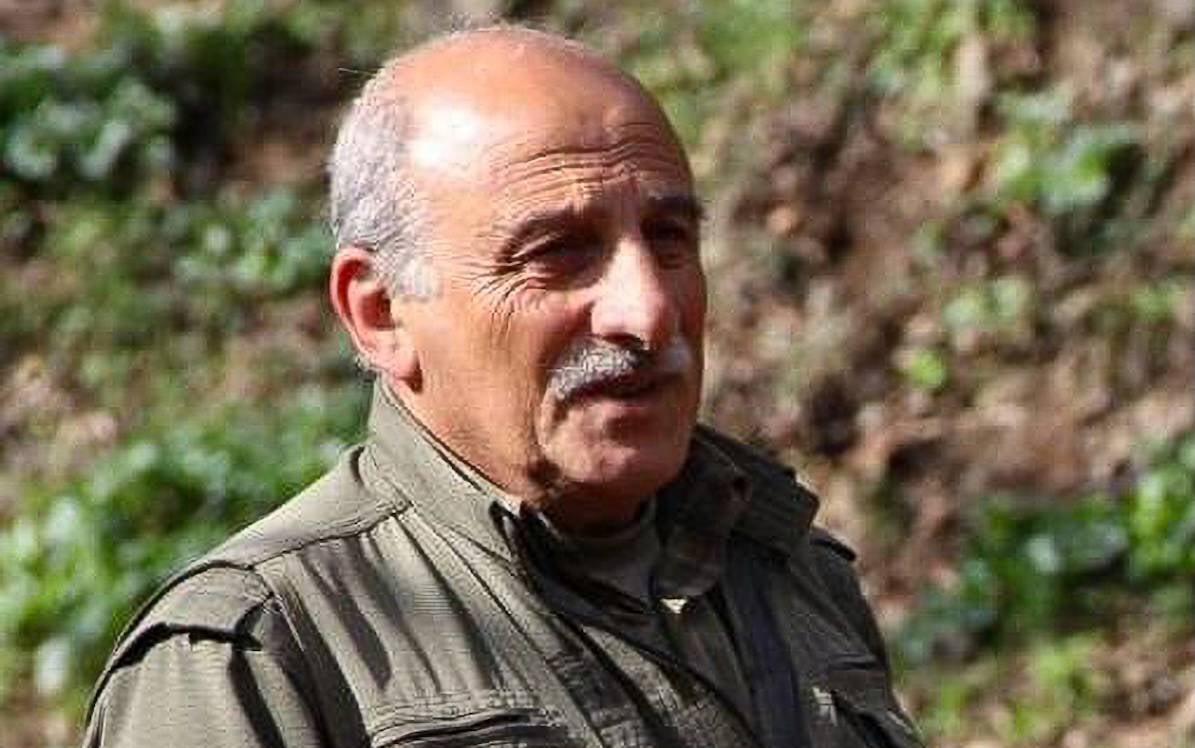


Duran Kalkan, a senior figure from the Kurdistan Workers’ Party (PKK), which declared its dissoluation last year amid an ongoing peace process in Turkey, has declared opposition to the ongoing US-Israel conflict with Iran, arguing that the decades-long confrontation offers no benefit to the peoples of the Middle East.
In an interview aired on Medya Haber TV yesterday, Kalkan said the ongoing conflict should be viewed as part of a larger, prolonged struggle dating back to the Gulf War.
“This war didn’t start ten days ago or eleven days ago. It has been going on for 36 years,” Kalkan said. “Let’s be realistic. We know well where and when it began. The US is carrying out attacks in the Middle East—not just now. In the fall of 1990, it deployed 150,000 troops to the region in one month, from Saudi Arabia to Kuwait. It brought in all its planes and ships. This is a 36-year-long war.

NATO intercepts Iranian ballistic missile over Turkey
“The forces waging this war are what we call the system of global capitalist modernity,” he added. “This is a war between those who want to change nation-state statism for greater capital profit and those defending that statism. A war of hegemony, a war for more profit, for more influence.
“We are against it. As a movement, as a people, we oppose it [...] This war brings no benefit or advantage to the peoples of the Middle East.”
'What will change?'
Addressing the possible outcomes of the confrontation, Kalkan questioned whether any victory by the US-Israel or Iran would lead to greater democracy or freedom.
“Let’s assume the attacking forces, the US and Israel, win. What will change?” he asked. “Israeli hegemony and US influence will replace Iranian sovereignty. Will it be more democratic, more peaceful, more liberal? No. The US president himself said democracy means nothing. Their Middle East envoy said democracy does not suit Middle Eastern peoples, that monarchies are better. They are preparing a new Shah.
"Say Iran survives the attack, gains strength, and remains standing. What will happen then? It will return to the past, and we know what that past is. Some ask which side we are on. Being a side in this war is very problematic. The sides are not that different. Similar mindsets are clashing. This is a hegemonic struggle.”
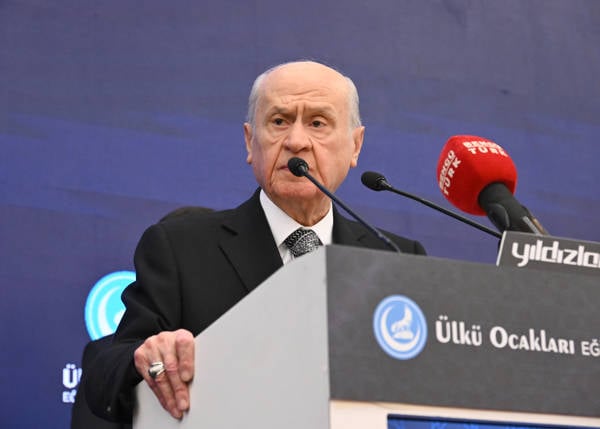
Political leaders in Turkey oppose US, Israeli war on Iran
‘Kurds are not anyone’s soldiers’
Kalkan further stated that the PKK refuses to take sides either with "global capital systems" or "defenders of nation-state nationalism."
“Kurds know themselves. They come from the depths of history. They have struggled for freedom for a century,” he said. “They are not in a position to be anyone’s soldiers or instruments of anyone’s interests.
“We are not on the side of transnational global capital’s aggression, nor on the side of nation-state statism. We support the democratic republic. We advocate resolving problems through democratic consensus. We support the path of democratic integration.
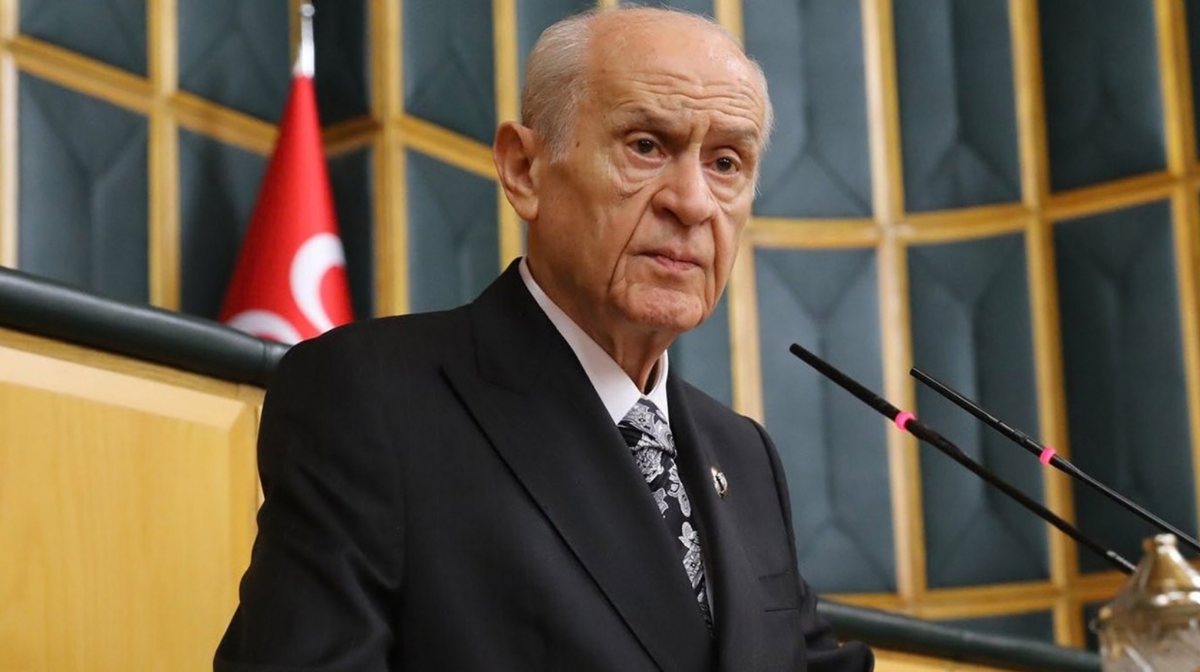
Bahçeli: Kurds will not be ‘soldiers for hire’ for US or Israel
“Our people in Rojhilat [Iranian Kurdistan] are a people of resistance, of consciousness, of patriotism. In the face of possible attacks, they should organize, protect themselves, and develop a defensive stance. But they should not focus solely on Rojhilat. They should see the freedom of Rojhilat’s Kurds as part of Iran’s democratization. They should build friendships and alliances to democratize Iran.
"Azeris and Kurds have lived side by side for centuries. Kurds have even closer ties with the Persian people. The real danger is the nationalism of the nation-state and racist chauvinism, which pits these peoples against each other. Kurds must stay away from that.”
US-Israeli strikes on western Iran
Since the beginning of the conflict, US and Israeli forces have conducted intensive attacks on military and police targets in Iran’s Kurdish-populated western regions. Some observers interpreted these strikes as attempts to weaken state authority and pave the way for a possible armed uprising.
Meanwhile, several Iranian Kurdish movements, including Komala and the Kurdistan Freedom Party (PAK), declared their readiness to join the fight against Iran if supported by US air cover.
Despite these statements, skepticism persists within Kurdish public opinion. Bafel Talabani, leader of the Iraq-based Patriotic Union of Kurdistan (PUK), warned after his conversation with Trump that the Kurdistan Region “should not be the tip of the spear in this war."
Such a role would cause severe harm to the Kurds and their interests, he told Fox News on Mar 6.
Turkey’s pro-Kurdish Peoples' Equality and Democracy (DEM) Party also voiced opposition to the conflict in a statement on Mar 1.
“It is clear that global and regional powers are not pursuing democracy or freedoms in Iran, but are instead seeking to establish a new order that no longer poses a threat to them—just as seen in other examples throughout history," it said.
Peace process in Turkey
Kalkan said the conflict shows the importance of the ongoing peace process in Turkey.
“People say ‘We have NATO, its missiles will protect us.’ But some who are trying to understand the truth more clearly are pointing to a deeper reality,” he said. “They say: ‘Peace and the democratic society process ensure Turkey’s security. Leader Apo ensures it.’ This has become much clearer.”
“Everyone in Turkey acknowledges the scale and urgency of the threats. The situation in the Middle East is also evident. Turkey may be facing threats, but compared to the wider region, it is living in a relatively calm and confident state.”
He concluded by stressing that the significance of the peace process is becoming increasingly evident for both Kurds and Turkey. (AEK/VK)

