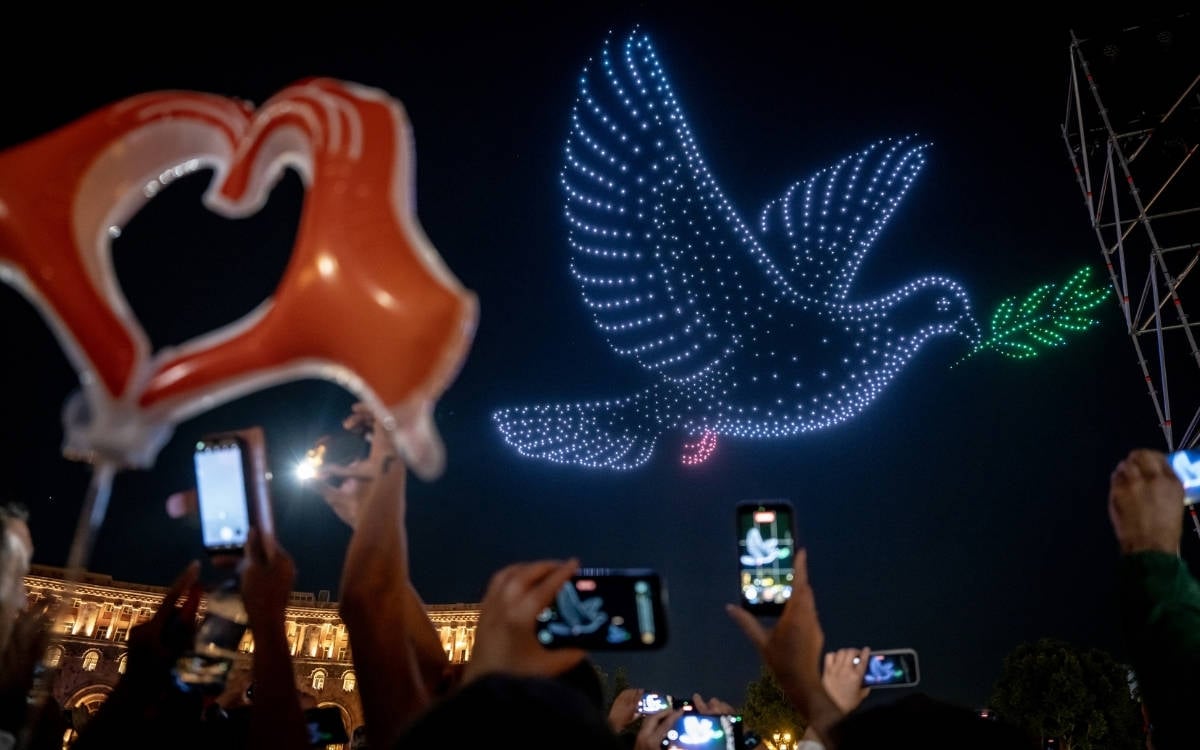




Kurds' demand for peace, long marginalized in national politics, have reemerged at the center of public debate over the past months.
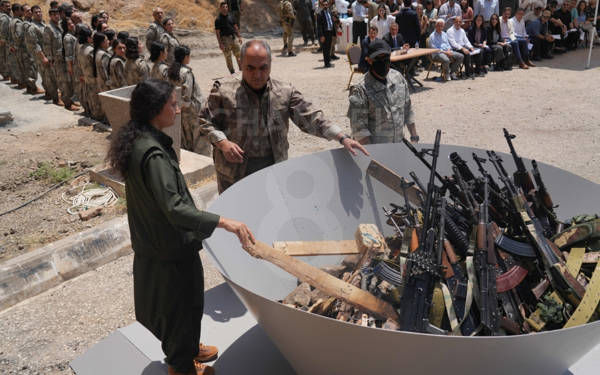
Abdullah Öcalan, leader of the Kurdistan Workers’ Party (PKK) militant group, issued a new call to his organization today in what was his first video appearance during his 26-year imprisonment. In line with his appeal, a group of PKK members is expected to lay down arms in a symbolic ceremony on Jul 11 in Sulaymaniyah in Iraq's semi-autonomous Kurdish region.
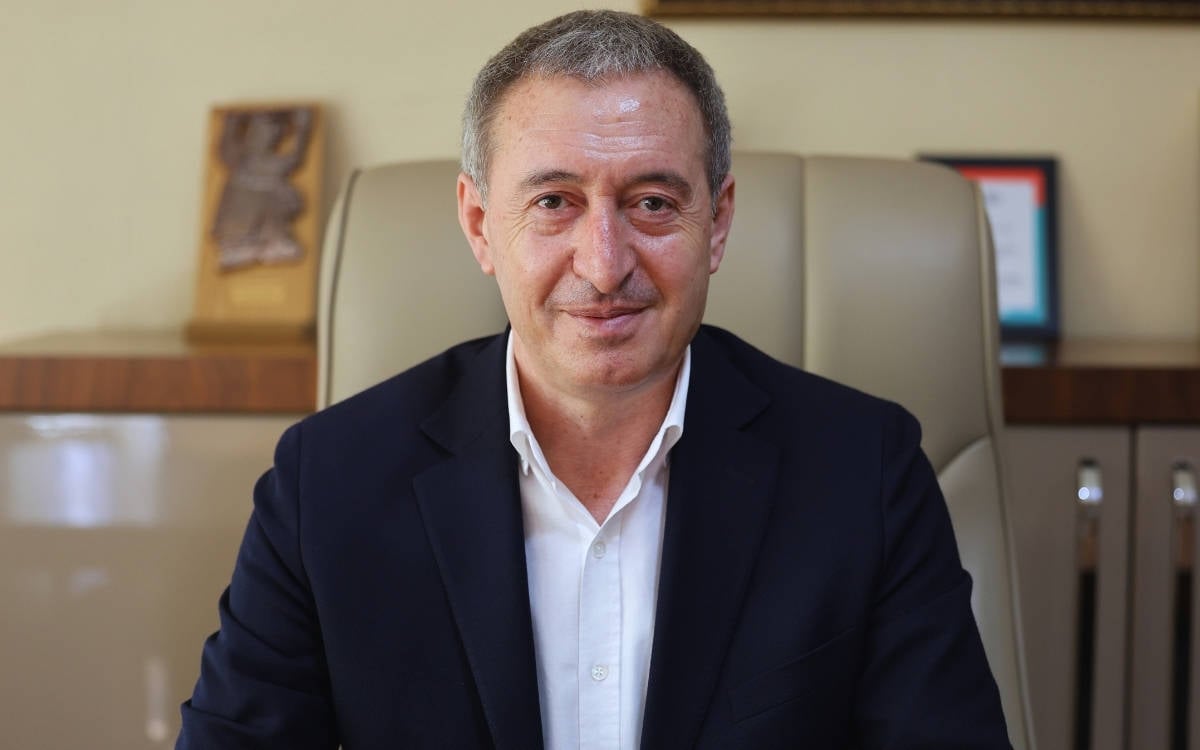
Speaking to bianet, Tuncer Bakırhan, co-chair of the pro-Kurdish Peoples’ Equality and Democracy (DEM) Party, said the development should not be viewed as an endpoint, but rather as the beginning of a broader process toward peace.
“This is not an end, but a critical first step toward an honorable peace,” Bakırhan said. “For us, this marks the tangible beginning of what we’ve described as a ‘new phase.’”
Bakırhan emphasized that peace involves more than ending armed conflict, stating it requires building the foundations for a life of dignity and equality.
He also discussed the broader implications of the peace initiative, including recent judicial actions against the opposition Republican People’s Party (CHP), the responsibilities of the socialist movement in the current period, and the roles of workers, women, and LGBTI+ individuals in shaping the process.
Parliamentary committee
There is talk of a new committee to be established in Parliament with the goal of achieving “social peace.” As the DEM Party, what principles do you demand be observed in order for this committee to truly be solution-oriented and confidence-building? How should the committee's boundaries and goals be defined? What are your concrete expectations?
First of all, it is important to note that achieving the goal of “social peace” through the committee expected to be established in Parliament is not merely a wish, but an urgent necessity for Turkey's future.
Our basic framework can be formulated as follows: equal and inclusive representation, working in a results-driven manner in regulations, an approach that respects truth and justice, and, of course, a schedule with a partially defined timeline.
The committee's goal should be to solve the problem, not just manage it. This requires clearly naming the “Kurdish question” and accepting from the outset that the solution will be achieved through democratic and peaceful means. We expect a concrete framework with binding results in the broadest sense, where universal rights are not open to debate and are legally guaranteed, where obstacles to peace are urgently removed, and where all of this is carried out with political will. We want a mechanism that includes everyone, opens channels for democratic compromise, and provides legal guarantees for the steps it takes.
As the DEM Party, we are ready to take on all responsibilities that fall upon us for an honorable peace and a democratic future, and we have extensive preparations in place for this.
Four steps
Many say that the process of “laying down arms” should be accompanied by a genuine democratization process. What structural steps do you think are necessary at this stage? What legal safeguards need to be put in place?
Since Oct 1, we have met face-to-face with hundreds of thousands of people. We have held thousands of meetings. We have met with all segments of society. Based on all this, I can outline a few structural conditions that would make disarmament genuine.
The first, of course, is the existence of a democratic constitution. Everyone is talking about this. A new constitution that unquestionably guarantees the freedom of mother tongue, identity, belief, and organization, and recognizes local democracy. We also say that rights should not be subject to negotiation, but should be the foundation.
The second is mechanisms and regulations that will best balance the establishment of truth and justice, taking into account social expectations.
The third is a guarantee of a political solution. I am referring to a binding law that regulates the process of laying down arms and transformation and protects the right to engage in political activity.
Fourthly, in the context of the judiciary, the Anti-Terror Law and Turkish Penal Code should be revised, arbitrary restrictions on freedom of expression and assembly should be lifted, and the judiciary should support the solution.
In summary, we demand fundamental democratization. A legal framework for law and free politics, democratization, and constitutional guarantees are essential.
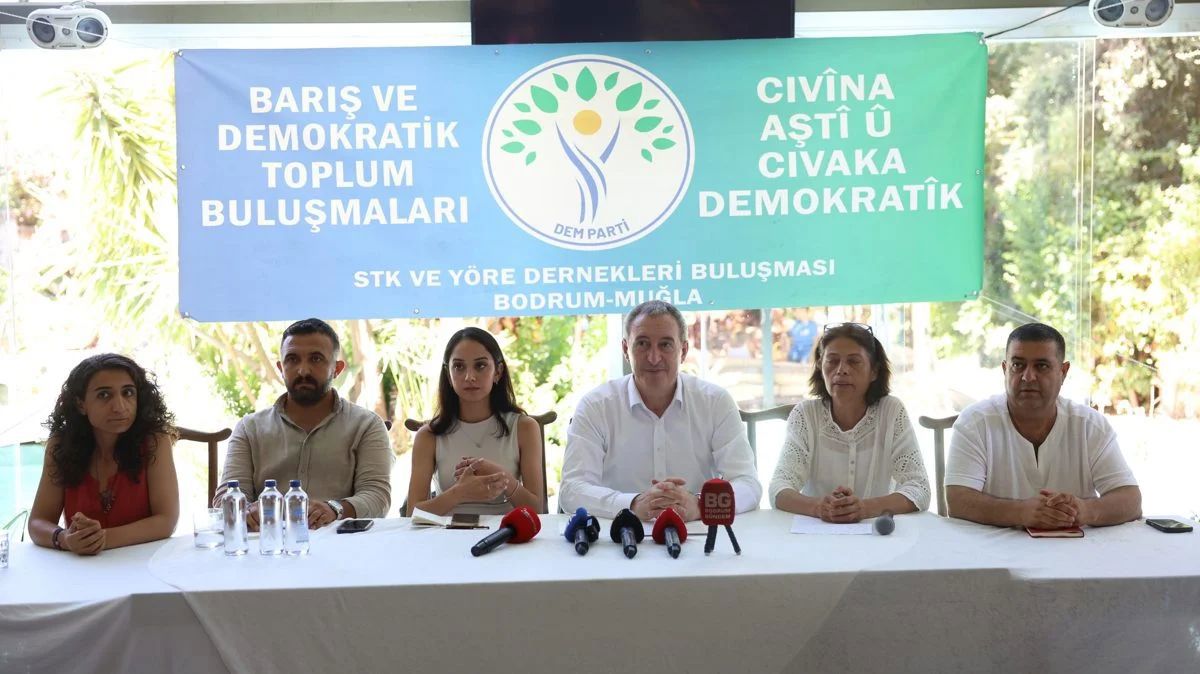
In this process, how will your party work for the Kurdish people's basic demands, such as the right to mother tongue, strengthening local governments, political representation and collective rights, political prisoners, and finally, discussions on a new constitution?
The issues you mentioned are not negotiable for us; they are the indispensable cornerstones of a dignified life and true democracy. Our struggle is for the implementation of these rights and their constitutional guarantee. In this sense, we will continue to insist on a legitimate and political platform. Our arena of struggle is the Parliament, the squares, the streets, and diplomacy. We will bring the struggle in these areas to the center of politics in Turkey.
We know that these demands are not only those of the Kurdish people, but also the common demands of everyone in Turkey who wants justice, equality, and freedom. We will grow our struggle shoulder to shoulder with all the democratic forces, workers, women, and youth of Turkey. The solution is not only the solution to the Kurdish issue, but the solution to Turkey.
Local democracy is also our fundamental area of struggle. Strengthening local administrations means breaking the shackles of the trusteeship imposed on the will of the people. Our party will pursue a policy that is not only combative but also constructive in this process.
International dialogue
The DEM Party recently met with several international delegations. What messages were conveyed regarding the new process during these contacts? What are your expectations from the international community and other countries?
In our intensive contacts, we clearly saw that the international community says, “Peace in Turkey depends on the democratic resolution of the Kurdish issue.” We emphasized to the international community that İmralı [Öcalan] plays a key role in the resolution of the Kurdish issue and is the address for democratic negotiations, and that communication channels opening up to the world from here are necessary.
Secondly, we stated that this issue is not just an internal problem for Turkey, but a regional equation affecting the entire Middle East, from Syria to Iraq. We emphasized that democratic steps taken in Turkey will bring peace and stability to the entire region. We said that the DEM Party is the guarantor of peace policy.
We stated that the whole world should stand by and support this historic step. We always emphasize that Turkey has had a unique experience, that this must be understood correctly, and that this must be approached with these motives in mind.
It was stated that during these meetings, special emphasis was placed on Abdullah Öcalan's prison conditions and the opening of channels for his voice to reach the public. What concrete steps is the DEM Party demanding in this regard?
This is a very critical issue because it directly concerns the future of peace and resolution. Family and lawyer visits must be allowed without hindrance. Different segments of society must be able to meet with him and discuss matters. This situation will resolve many issues on its own.
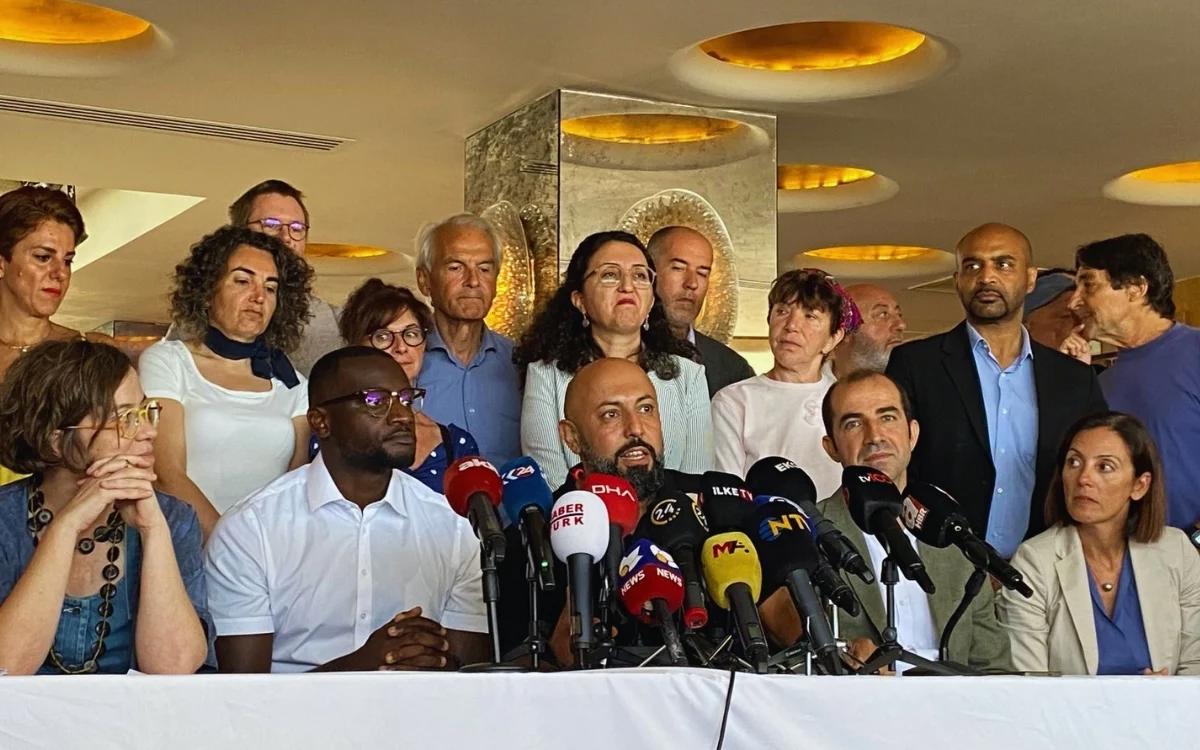
'Socialists must be at the very center of the process'
Some sections of the Turkish socialist movement took a supportive but distant stance in the previous peace process. Now that peace and negotiations are once again being discussed, where do you think socialists should stand in this process?
The socialist movement of Turkey is the revolutionary heritage and honorable struggle of this country. The fate of the Kurdish freedom struggle and the Turkish socialist movement are historically intertwined. This bond was forged in common trenches against fascism, capitalism, and imperialism. Therefore, in a new resolution process, socialists should not stand on the sidelines or outside the process, but at its very center and as its vanguard force. Because this process is their struggle, their sweat and blood. The peace process is a unique ground for left-wing socialist structures in terms of democratization, social justice, anti-militarism, and increasing their organizational capacity.
In this regard, I believe that the duty of the left-socialist world is not to settle for supporting the process from the outside, but to participate as a “founding subject,” to guarantee peace, and to accelerate its strategic growth. Leftist and socialist organizations should view the peace and resolution process not as a burden but as an opportunity. This will both strengthen their own existence and enable them to lead the struggle for freedom and justice for the people. As leftist-socialist organizations, we must correctly interpret this new process developing in Turkey, accurately analyze the government's moves, and determine our steps accordingly.
Crackdon on CHP
The recent arrests of CHP politicians are viewed as part of a broader strategy to suppress the opposition. In light of criticism suggesting “the state doesn’t target you,” how does the DEM Party interpret these developments?
First, let us correct this misconception: Interpreting these operations targeting the CHP in the shadow of the criticism that “the state is not touching you” is to completely misunderstand the state's mindset and its mechanisms of oppression. With thousands of our comrades in prison, our municipalities seized, and the cases against our party clear for all to see, these criticisms are, to put it mildly, nonsense.
The freedom of one should be the shield of another. Because we say, “Freedom not just for myself, but for collective liberation.” Therefore, if the oppression is shared, the struggle must also be shared. Democracy is holistic. Normalization is holistic. There can be no partial, temporary, or momentary improvement. What Istanbul needs, Van also needs.
Let me express this through you: while the judiciary should be dealing with the infrastructure for laying down arms and the legal basis for returns, no one can explain why it is dealing with the Adıyaman Municipality, which has not even cleared the rubble from the earthquake.
The ongoing wars in the Middle East, the rise of non-state actors, and regional interventions are having an impact in all four countries where Kurds predominantly live. In this context, what kind of regional peace perspective is your party developing?
The situation in the Middle East is the complete failure of the nation-state model imposed for 100 years and imperialist interventions. The war in the region is a crisis of capitalist modernity.
A new order is being formed through war. The solution lies not within this failed system, but in a radical alternative developed against it. We reject the nation-state ideology that pits peoples against each other. We say that the solution lies in a democratic nation model where peoples and faiths (Kurdish, Arab, Persian, Turkish, Syriac, Yazidi, Alevi) can freely live and develop their own identities.
We neither stand with the dictatorial regimes that have turned the region into a bloodbath, nor with the imperialist powers that deepen the chaos. Our path is the Third Way, based on the people's own strength. This path is a democratic, ecological, and women's liberation paradigm. Our party proposes the “Democratic Confederalism” model as the key to lasting peace for the entire region. This model is a project for a shared life based on direct democracy, starting from the local level, and is multilingual and multicultural, replacing centralized state structures.
'Those who wage war make peace'
Öcalan’s “Perspective” text has triggered a great deal of public debate. How do you evaluate the key strategic orientations contained in this text?
Mr. Öcalan’s “Perspective” text is not a diagnosis or a list of wishes, but a groundbreaking political manifesto that offers solutions to the complex web of problems in the Middle East and Turkey that have turned into a Gordian knot. We read this text as a roadmap that illuminates the path forward for our party and all forces of democracy. The text argues that the mindset based on the "nation-statist" paradigm, which for 100 years has brought nothing but blood and tears to the peoples of the region, must be transcended.
The Perspective text lays the ideological groundwork for the PKK’s decision to dissolve itself at its 12th Congress, stating “Those who fight make peace” and shifting the struggle from armed resistance to a legitimate parliamentary and societal arena. This is the most critical threshold that opens the door to direct negotiations with the state. It presents the “Democratic Modernity” model, centered on people’s assemblies, women’s freedom, and an ecological economy. This model, this theoretical background, will be the main reference discussed and explained more in the coming period. This model assigns us significant responsibilities.
‘Öcalan’s elaborations on LGBTI+s are of great importance’
How will your relationship with the Alevi community, women, and workers take shape in the new process?
Let me begin by stating this: as in the past, we will continue to stand with the Alevi community, women, workers, in short, with all the oppressed, and to resist alongside them. The peace process will not create distance between us and these communities. On the contrary, it will allow us to build stronger partnerships. After all, from our perspective, the aim of the peace process is for everyone to attain a life that is equal, just, and democratic. And this is precisely the main goal of these communities as well. The struggle is shared, the goal is shared, the march is shoulder to shoulder…
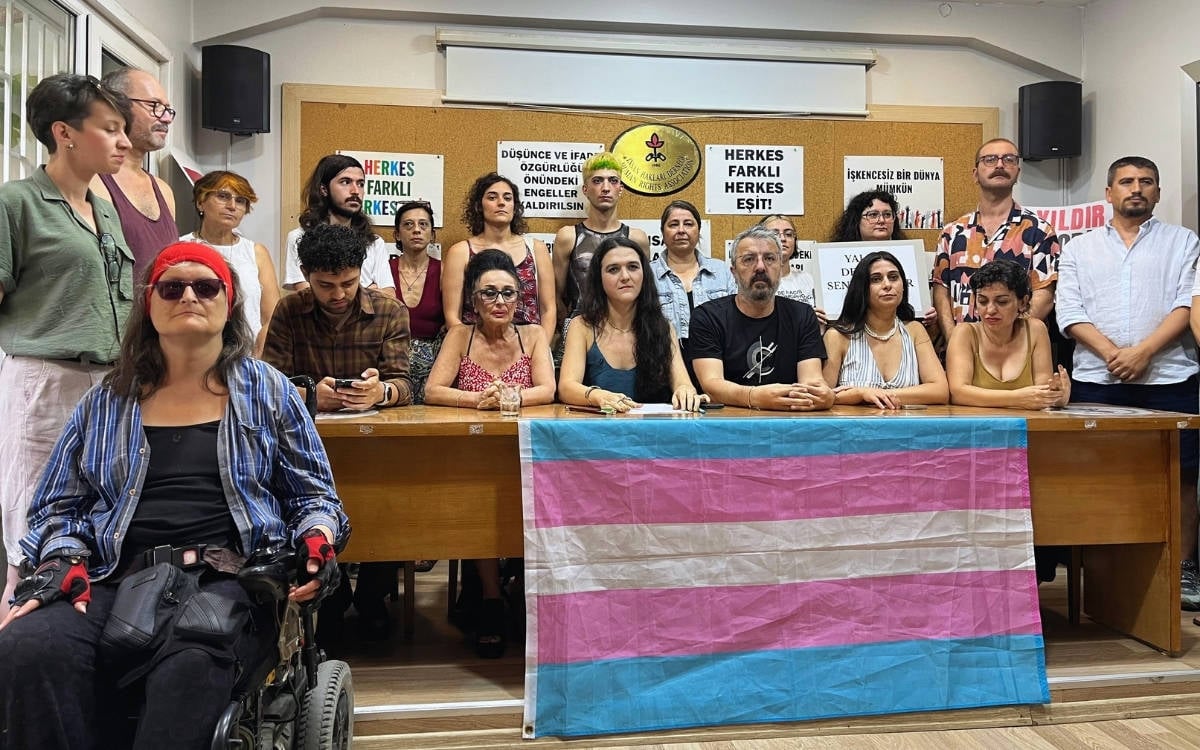
Öcalan’s remarks on LGBTI+s in the “Perspective” text were also discussed. Some groups found this stance extremely inclusive. However, DEM Party’s policies on LGBTI+s have also been subject to significant criticism recently. What is your stance on this matter?
Mr. Öcalan’s philosophical and political assessments on LGBTI+s in the Perspective text are of great importance. They open powerful new perspectives. We have always paid close attention to criticisms directed at DEM Party on this issue. We have tried to renew our policies and rhetoric.
The path we walk is one toward a future in which everyone can live freely, with dignity, and in their own identity. We will continue to stand by the struggle for an equal, free, and dignified life for every citizen.
The new phase of the process
After your meeting with President Erdoğan, you emphasized that “the process has evolved into a new phase.” What is this phase, and what does it entail?
The meeting between President Erdoğan and our İmralı Delegation was quite productive. Issues related to the disarmament process, the parliamentary commission, and the steps to be taken going forward were discussed. It is clear that with the steps toward disarmament and the establishment of the commission, the process is evolving into a new phase. The silencing of weapons on one hand, and the functioning of a results-oriented commission in Parliament on the other, are two simultaneous developments of historic significance. In the subsequent stages, our struggle will continue with political, legal, social, and economic efforts that focus on resolving the Kurdish question and democratizing Turkey.
Based on all this, I can say that the new phase refers to an effort to carry the process forward based on mutual will, with everyone taking responsibility and working more for peace.
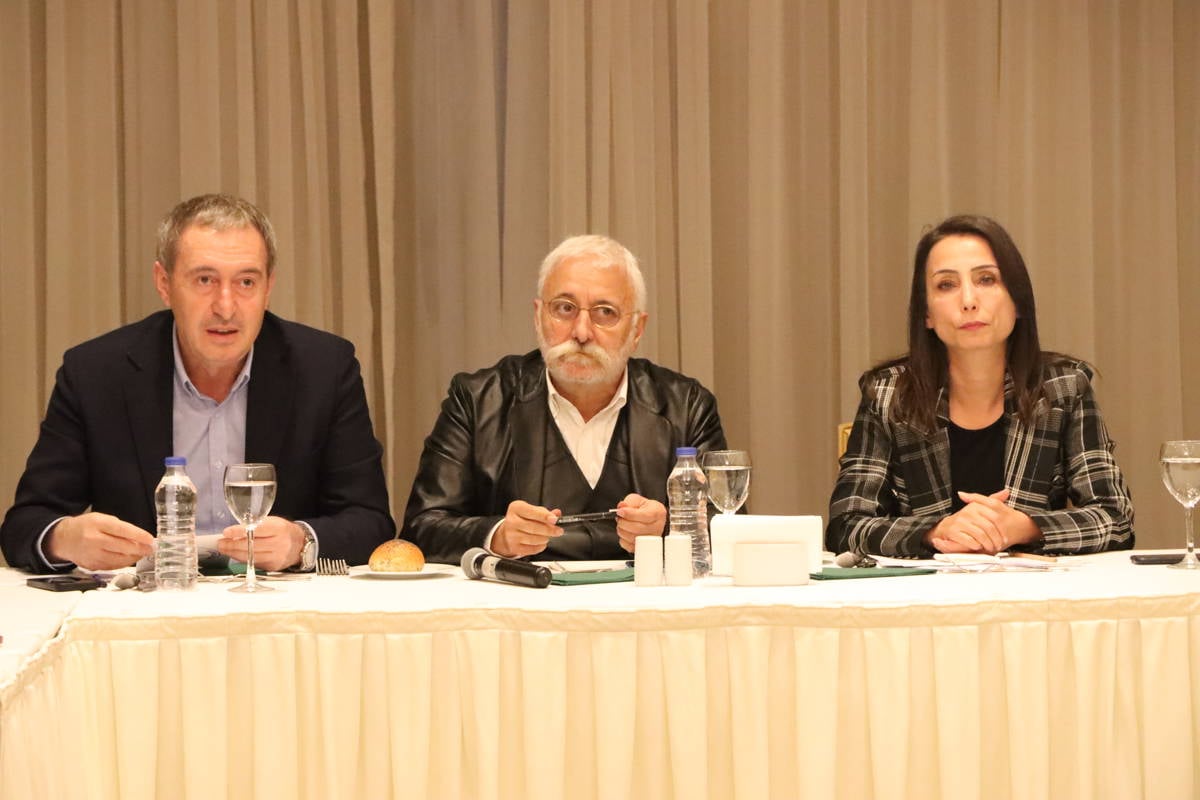
Is Turkey heading toward a new peace process? Pro-Kurdish DEM party says ‘We won’t reject an extended hand’
Will the “concrete steps” that the Kurdish people expect from the government be taken after this meeting?
It is now time for the government to take concrete steps, due to the need to fully establish the course of the peace process and to avoid risks that could infect the process. We place great importance on these meetings. We are optimistic that they will ensure direct communication and thus accelerate the process.
This week, a historic moment will take place as a group of PKK members lay down their arms. How do you view this development, and what response do you expect from the state?
Yes, as you mentioned, we expect to witness a truly historic moment. Disarmament can be seen as the first concrete reflection in the field of Öcalan’s call for peace; it sends the message “the war is over, let democratic politics begin.” This is not an end, but a critical first step toward an honorable peace. For us, this development gives tangible form to the process we describe as the “new phase.” This door has been opened.
Our expectation from the state is, of course, return and assurance through a societal peace law, prevention of possible provocations, and the immediate operation of the commission expected to be established in Parliament. A just approach toward ill prisoners and those facing revoked sentences, concrete steps to reduce social tension, and full support for the political process will be the path to making peace permanent. (TY/VK)