












bianet'in özel bildirimlerine izin vererek önemli gelişmelerden haberdar olabilirsiniz.
Perseid meteor shower peak to be observed from Turkey overnight
The shower will become visible at around 8 pm and peak after midnight. Viewing conditions will be among the best in recent years because of minimal moonlight.

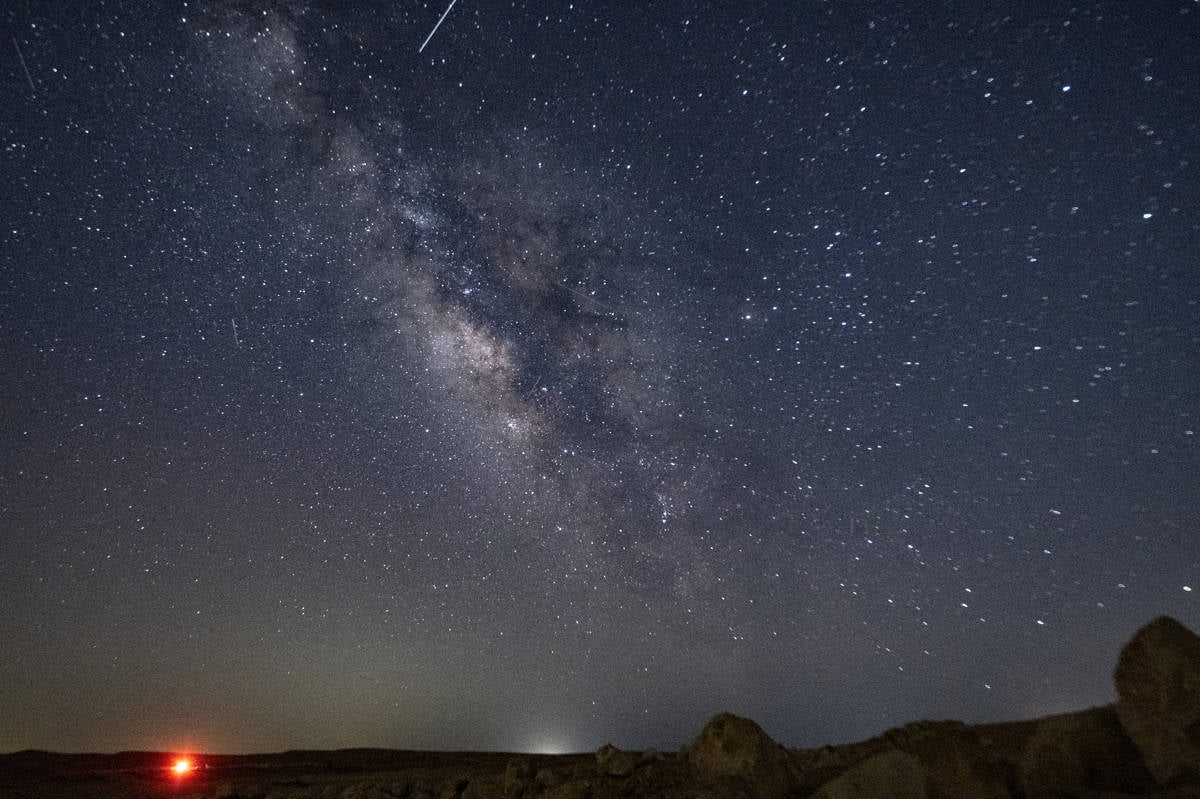


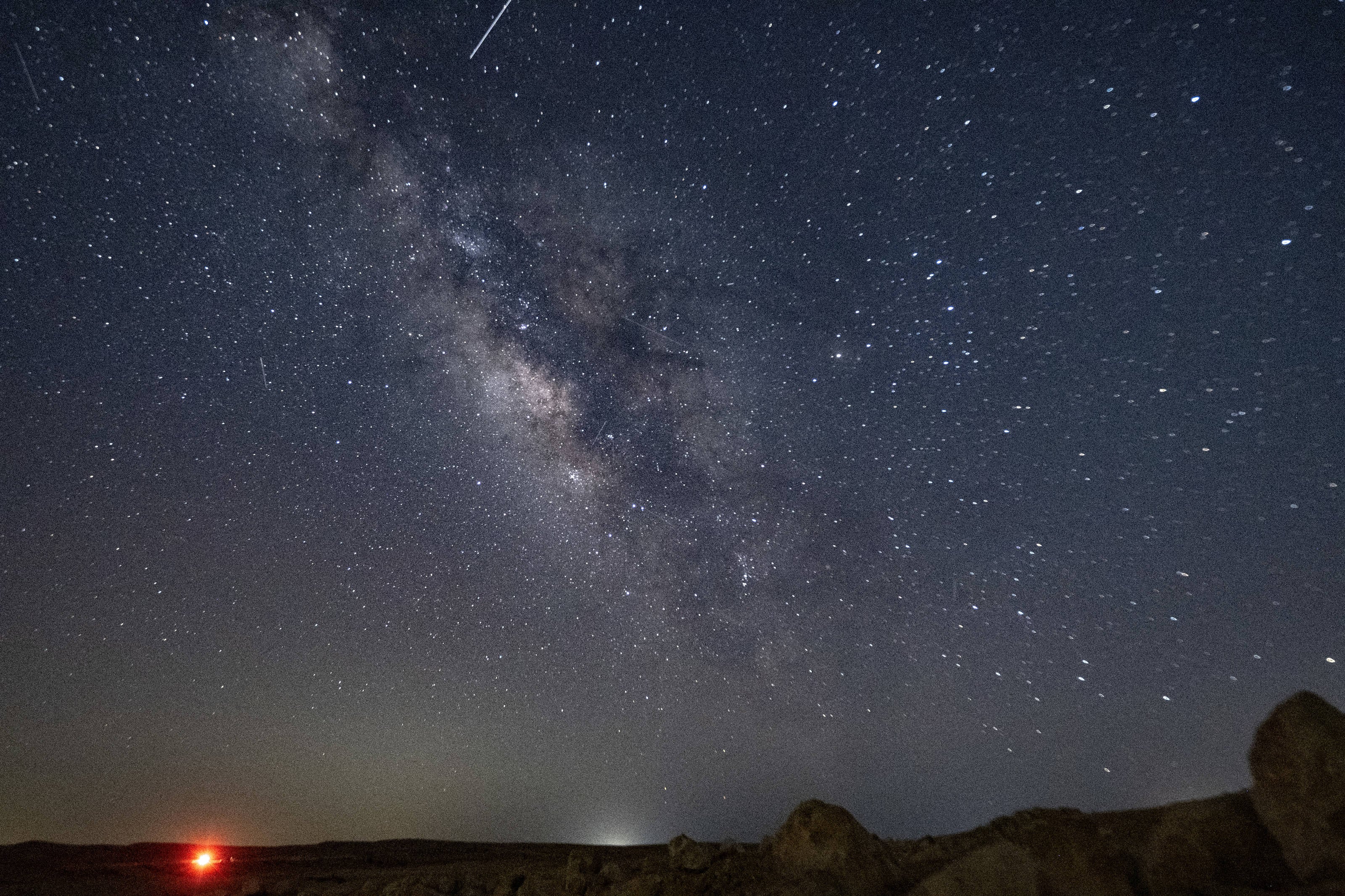
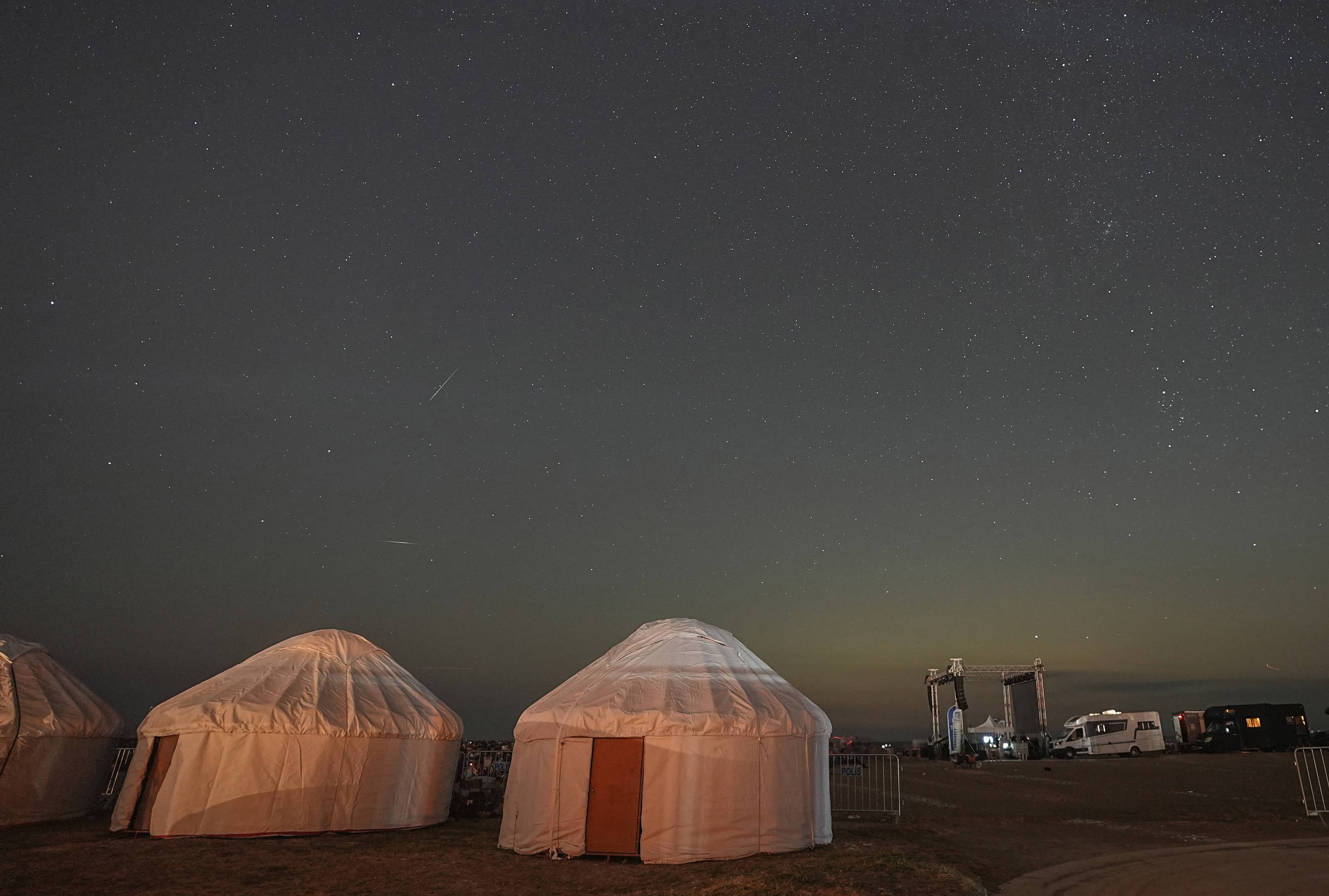
The Perseid meteor shower will reach its peak over Turkey overnight, with favorable viewing conditions expected because of minimal moonlight. The shower has already been observed across the world and Turkey for several days.
The moon will be only 1.8 percent illuminated, providing some of the best conditions for observing the annual meteor shower in recent years, according to Boğaziçi Observatory's Kandilli Observatory.
While the Perseids will remain visible throughout the night, conditions will improve after midnight.
The meteors are expected to become visible at around 7.50 pm (GMT+3) in Turkey's easternmost areas and around 8.45 pm in the west.
The main peak is expected between 5 am and 7 am, but approaching daylight means the best viewing window will be from 2 am to 5 am.
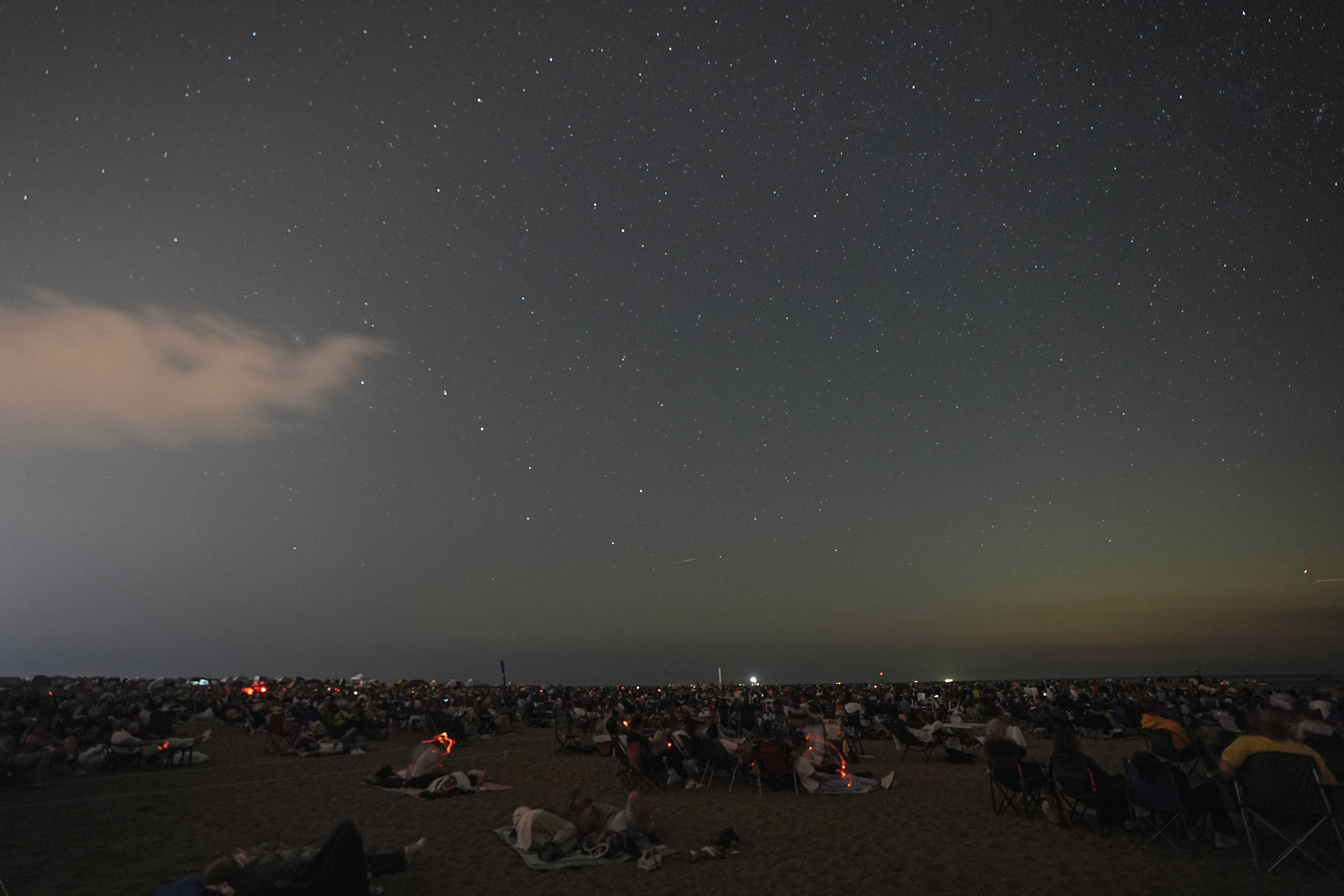
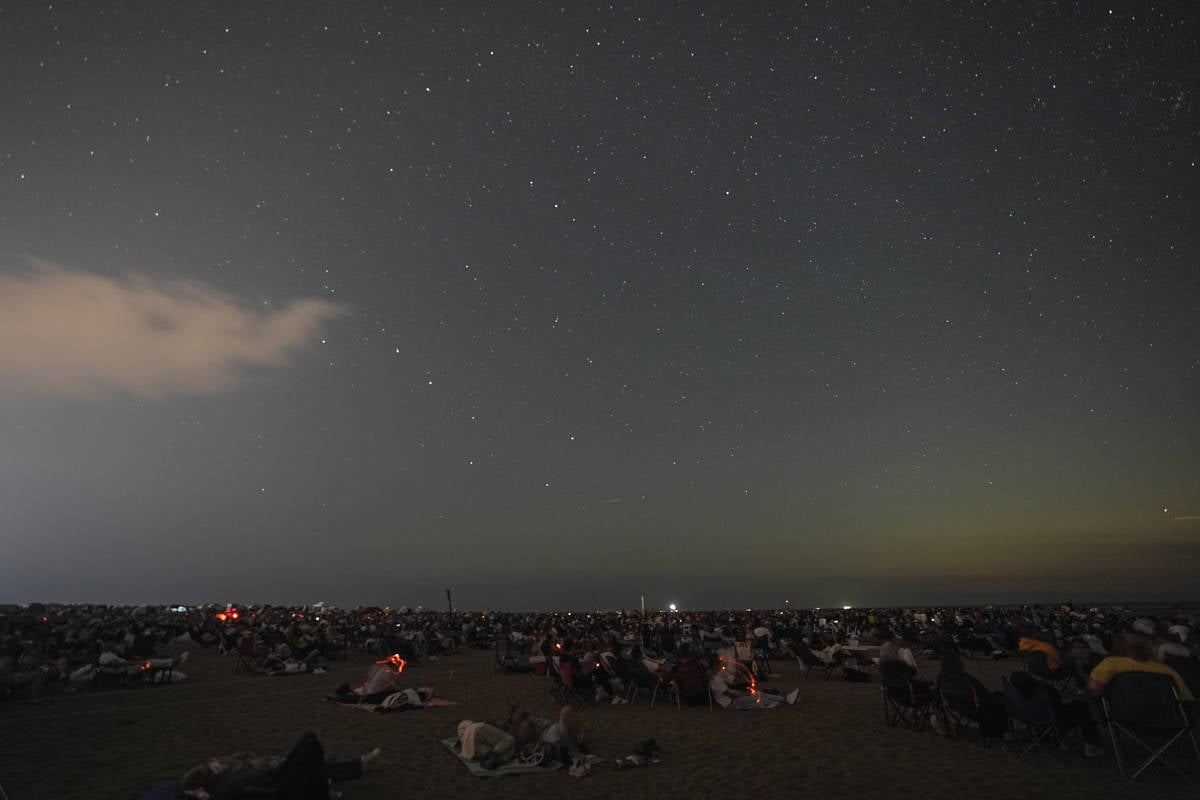
An average of about 100 meteors per hour are expected to enter the atmosphere at speeds of 59 kilometers per second.
No telescope or binoculars are needed to watch the meteor shower. Locations away from city lights offer better conditions.
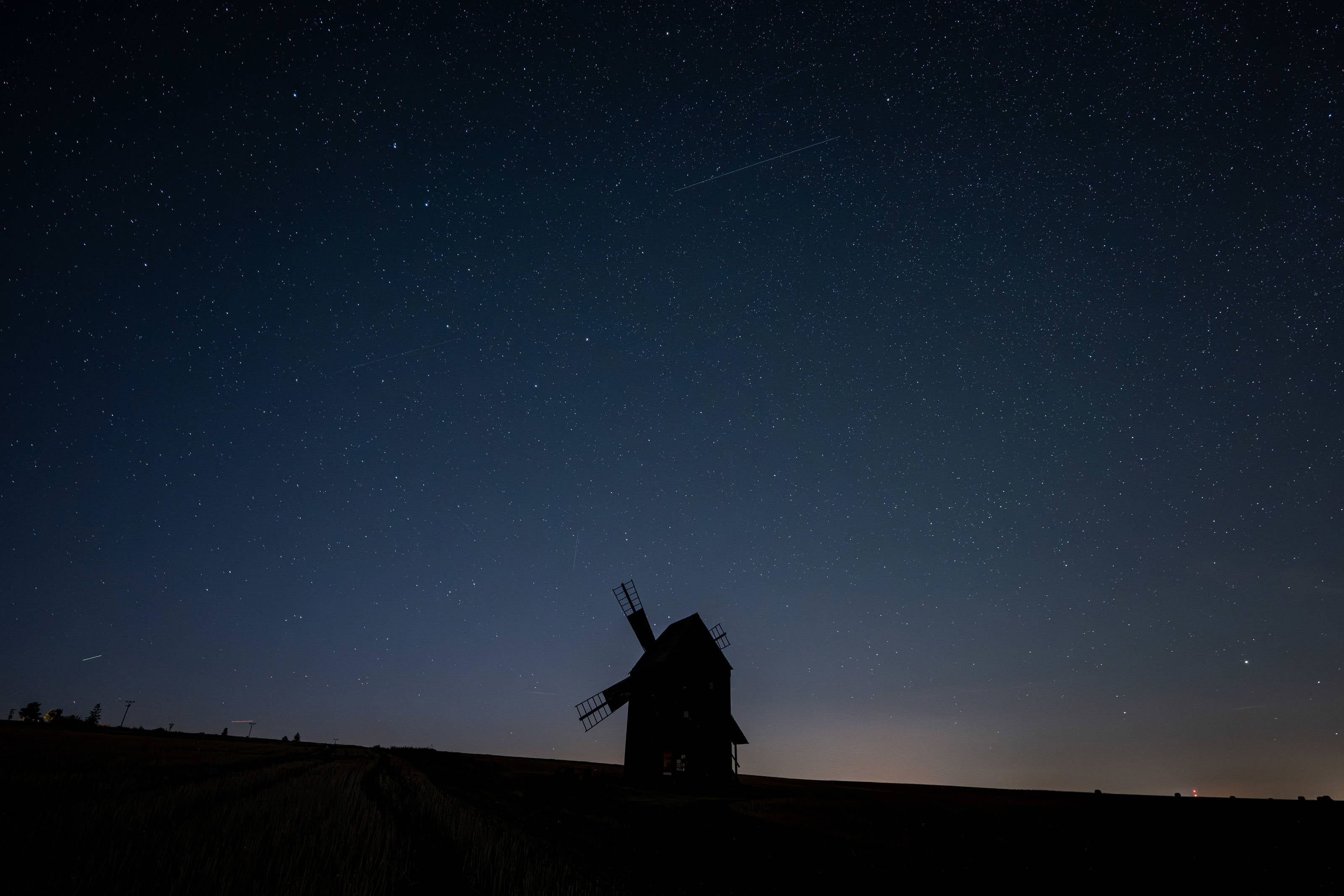
Where to watch in İstanbul?
In İstanbul, potential viewing locations on the Asian side include Şile, Ağva, Riva, Anadolu Feneri and Poyrazköy. On the European side, they include Çatalca, Terkos, Karaburun, Rumeli Feneri and rural areas of Silivri.
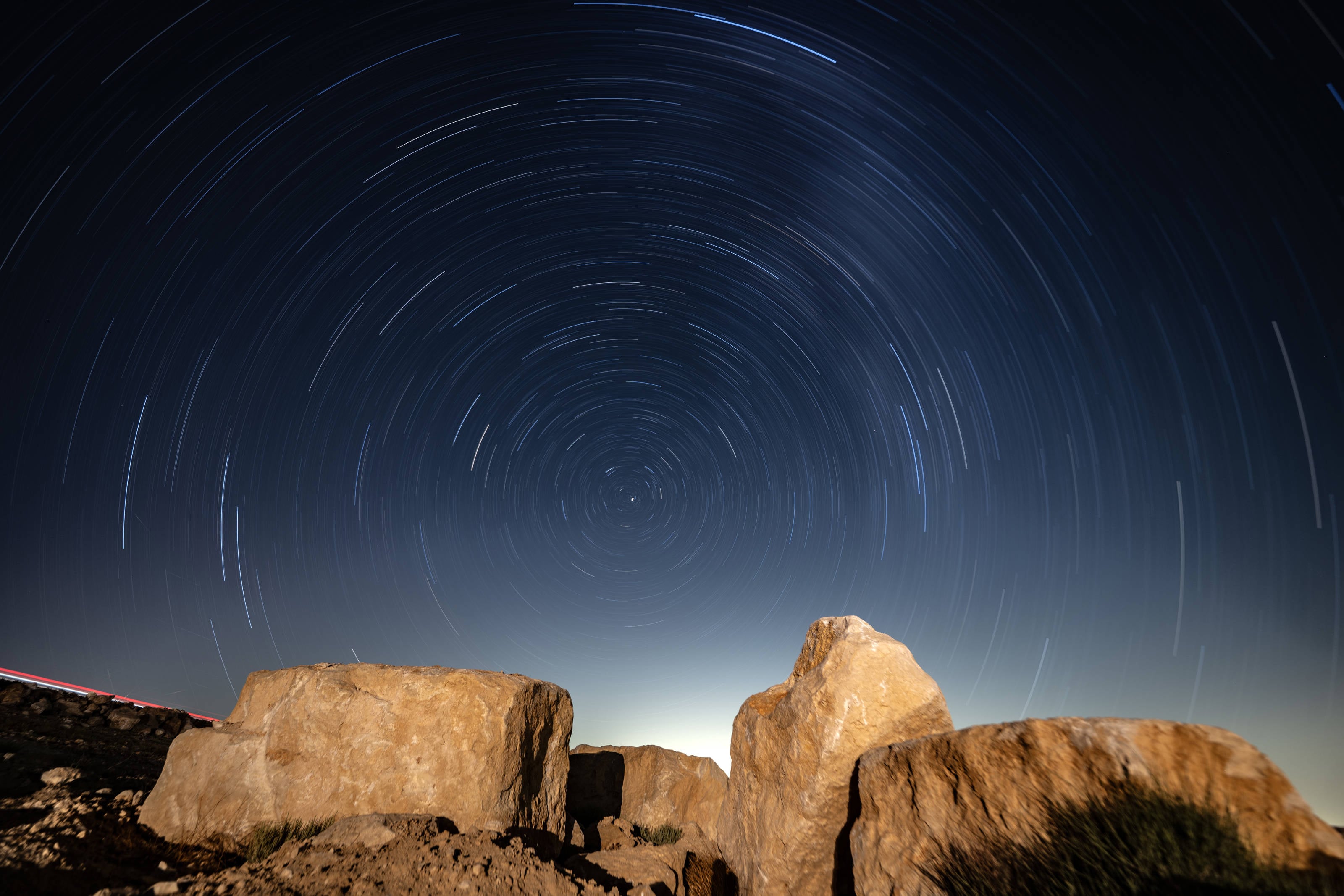
Meteor showers occur when Earth passes through debris left behind by a comet or asteroid orbiting the sun. The debris can include particles as small as grains of sand, which produce bright streaks of light as they enter and burn up in Earth's atmosphere.
What is Perseid meteor shower?
The Perseids originate from Comet Swift-Tuttle, discovered in 1862. The comet takes 133 years to complete an orbit around the sun. As it approaches the sun and heats up, it sheds material that gradually spreads along its orbit. Earth passes through this debris field every summer.
Many meteor showers recur annually and can last for days or even weeks. Their peak, however, occurs during a much narrower period as Earth passes through the densest part of the debris field, making those hours the best time for viewing. (VK)
Hak odaklı, çok sesli, bağımsız gazeteciliği güçlendirmek için bianet desteğinizi bekliyor.