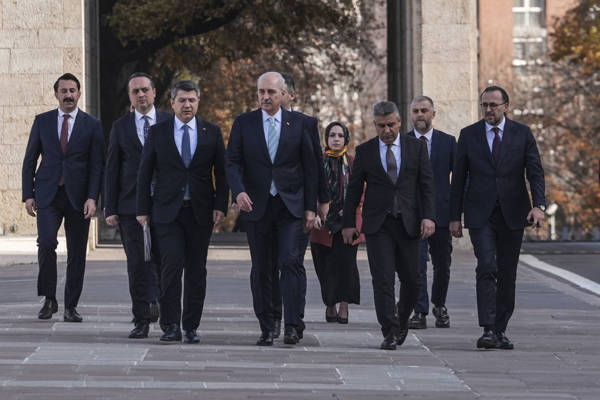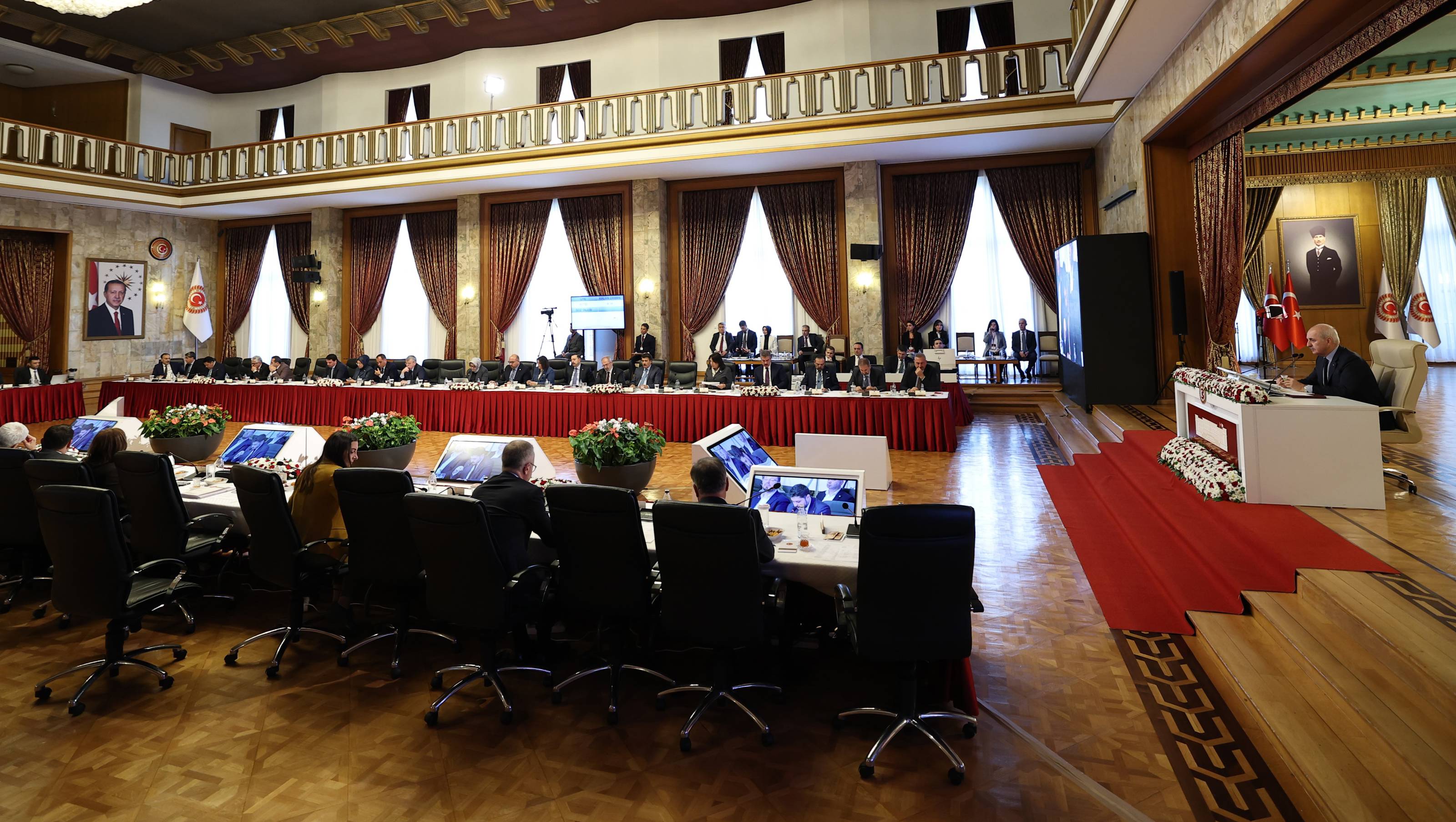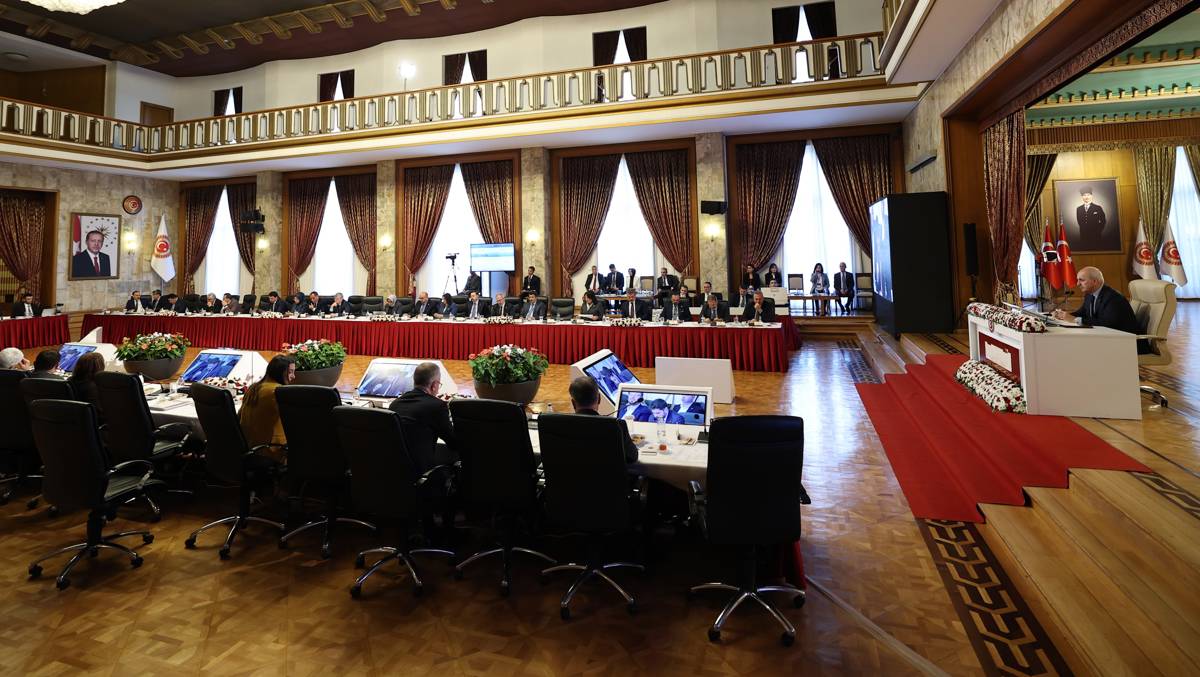



Parliament Speaker Numan Kurtulmuş said the parliamentary committee tasked with shaping the framework of Turkey's ongoing Kurdish peace process may engage in direct talks with Abdullah Öcalan, the imprisoned leader of the outlawed Kurdistan Workers’ Party (PKK).
In an interview with Independent Turkish published on Oct 15, Kurtulmuş said, “If the committee secures a three-fifths majority, it can make that decision,” while refraining from disclosing his opinion whether such talks should be held.
The issue has been a subject of public debate recently. Earlier this month, Nationalist Movement Party (MHP) leader Devlet Bahçeli, a key ally of the ruling party and a central figure in the peace process, said, “If necessary, a group of MPs on the committee should travel to İmralı for face-to-face talks, receive messages firsthand, and share them with the public. I see no reason for hesitation in this.”
Pro-Kurdish lawmakers and intelligence officials have previously held talks with Öcalan. However, if the committee moves forward with a meeting, it would mark the first official engagement with him in such a formal capacity.
Turkey has been conducting a peace initiative addressing the Kurdish issue for about a year. As part of this effort, the PKK announced in May that it would dissolve itself in response to a call from Öcalan. In July, the group held a symbolic disarmament ceremony, marking the end of its 40-year armed campaign.
A parliamentary committee was subsequently formed in August, and it has since heard from a wide range of stakeholders, including human rights groups, the Peace Mothers, academics, and civil society representatives.
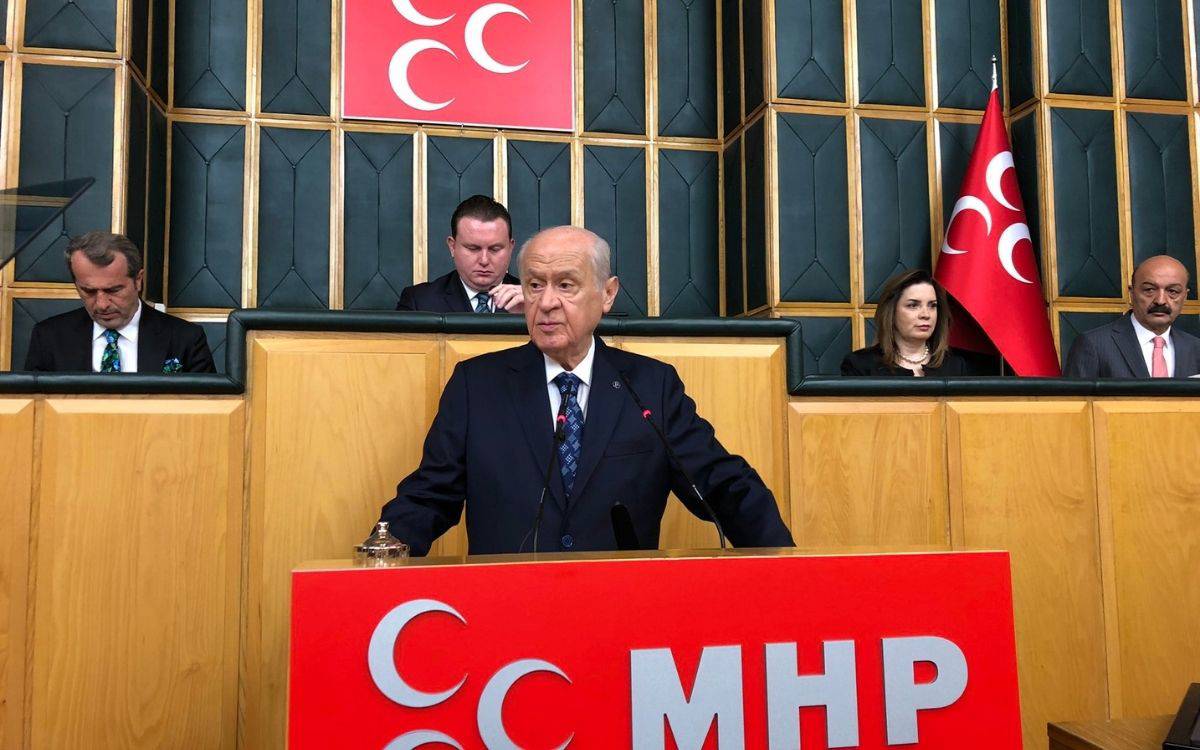
Parliament committee should meet PKK-leader Öcalan, repeat disarmament call, says nationalist leader
Preparations for legal framework
Following the committee's Oct 8 session, Kurtulmuş said that the hearings were nearing completion. He added that preparations were underway to submit a report and legal draft to parliament later this month.
The first of these legal drafts is expected to be a “framework law,” according to a report by Anka news agency. This law would define the PKK as an “organization that has ended its organizational existence,” outlining provisions specific to the PKK and addressing the legal status of its members who have laid down arms.
The so-called framework law is expected to serve as a reference for amendments across various legal domains, according to the Anka report. It would include overarching proposals for changes to the Anti-Terror Law, a new enforcement regime, and provisions related to the transitional justice process.
The process may continue with the National Security Council removing the PKK from its terror groups list, according to Kurtulmuş. “The process should continue without interruption," he was quoted as saying in the Independent Turkish interview.
"Our security establishment must confirm that arms have been laid down, and the National Security Council should officially remove the organization from the list of terrorist groups. We believe this determination and its official recognition will have a highly positive impact on the process."
'Right to hope'
Among the key issues within the current framework is the “right to hope,” which the pro-Kurdish Peoples' Equality and Democracy (DEM) Party has also demanded.
When Bahçeli launched the initiative last year, he indicated that Öcalan could benefit from this right if he dissolved the PKK. This could potentially open the door for Öcalan, who has been imprisoned since 1999, to be released.
Last month, the Committee of Ministers of the Council of Europe issued an interim resolution on the right to hope, referring to a European Court of Human Rights (ECtHR) ruling on three individuals sentenced to aggravated life imprisonment, including Öcalan. It called on Turkey to take steps toward implementing the right and suggested the parliamentary committee should also be involved in the process.
Following an Oct 13 meeting with Öcalan at the İmralı island prison, his lawyers released a statement today, outlining the PKK leader's views on the Committee of Ministers resolution and the peace process in general.
“The principle of hope is essential and foundational. It is a step that the state must take. This burden must be lifted. This issue affects thousands of people and must be addressed from every angle. Legally, it must be done. Justice and politics require it," the statement quoted Öcalan as saying.
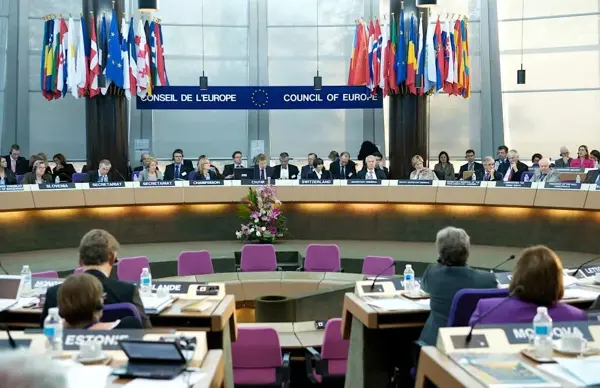
Council of Europe urges Turkey to ensure ‘right to hope’ for life-sentenced prisoners
'Democratic integration'
According to the statement, Öcalan further said Kurds must be fully included within the legal framework, stressing that “real peace” could only be achieved this way. He added that Kurds had long been excluded from the law, but that a new legal approach based on democratic integration was now needed.
Addressing the broader implications of exclusion from legal recognition, Öcalan said, “Life is only meaningful if it is lived freely. As I have said before: ‘Oh life! I will either live you freely or consider you never lived.’ This is my life motto, my slogan.”
Öcalan reiterated his long-held view that gender inequality lies at the heart of social and political problems. He said the solution lies in a socialist perspective and a life based on women’s liberation.
He concluded by inviting those who wish to understand him to deepen their engagement with the "peace and democratic society process." He emphasized the importance of working for freedom, both to strengthen and implement the process.
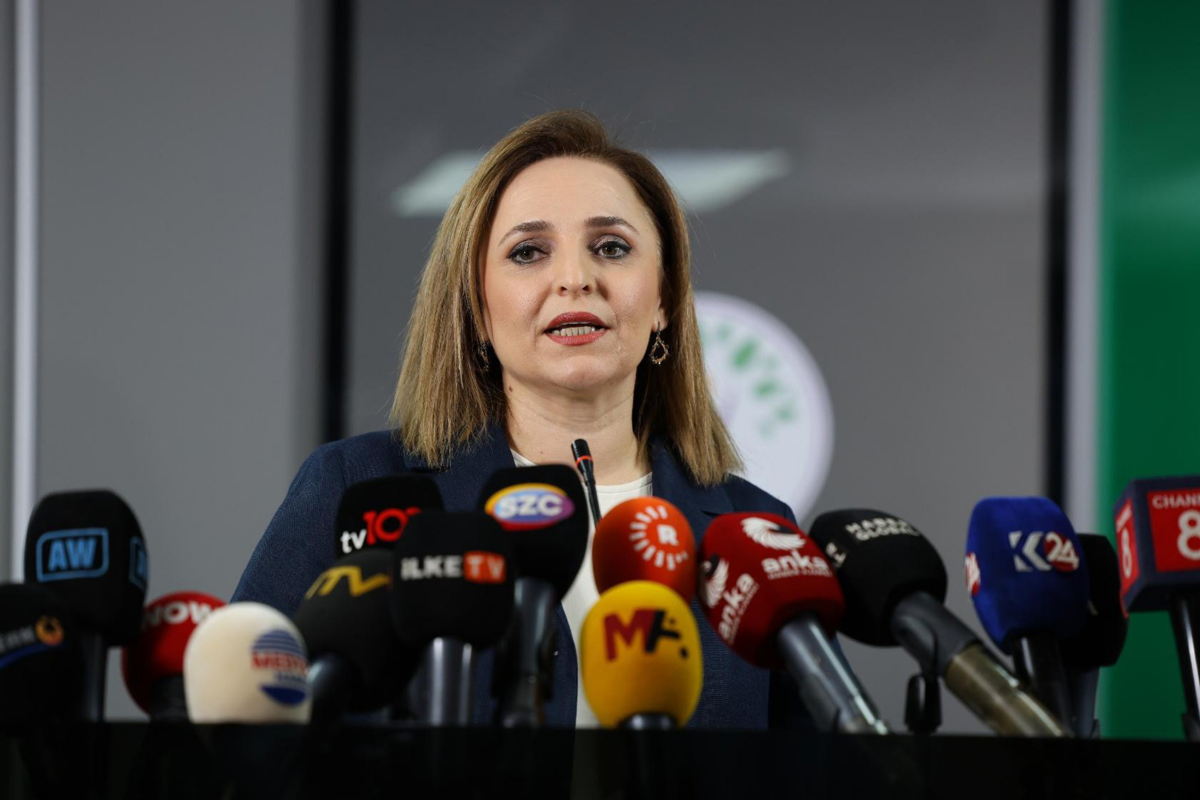
Pro-Kurdish DEM Party Spokesperson: Integration a mutual process of change and transformation
(VK)