








Former parliamentary speakers appearing before a parliamentary committee yesterday proposed changes to the constitutional definition of Turkish citizenship and raised the possibility of granting imprisoned Kurdistan Workers’ Party (PKK) leader Abdullah Öcalan the “right to hope,” as part of the country’s renewed Kurdish peace process.
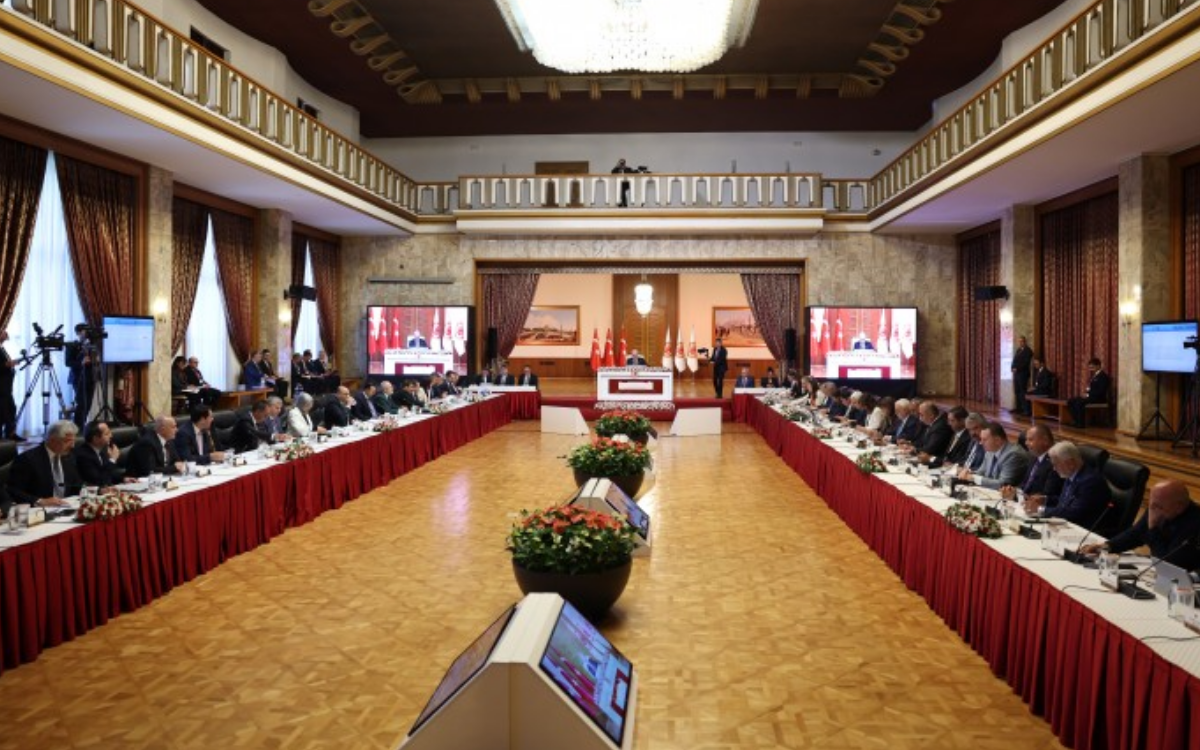
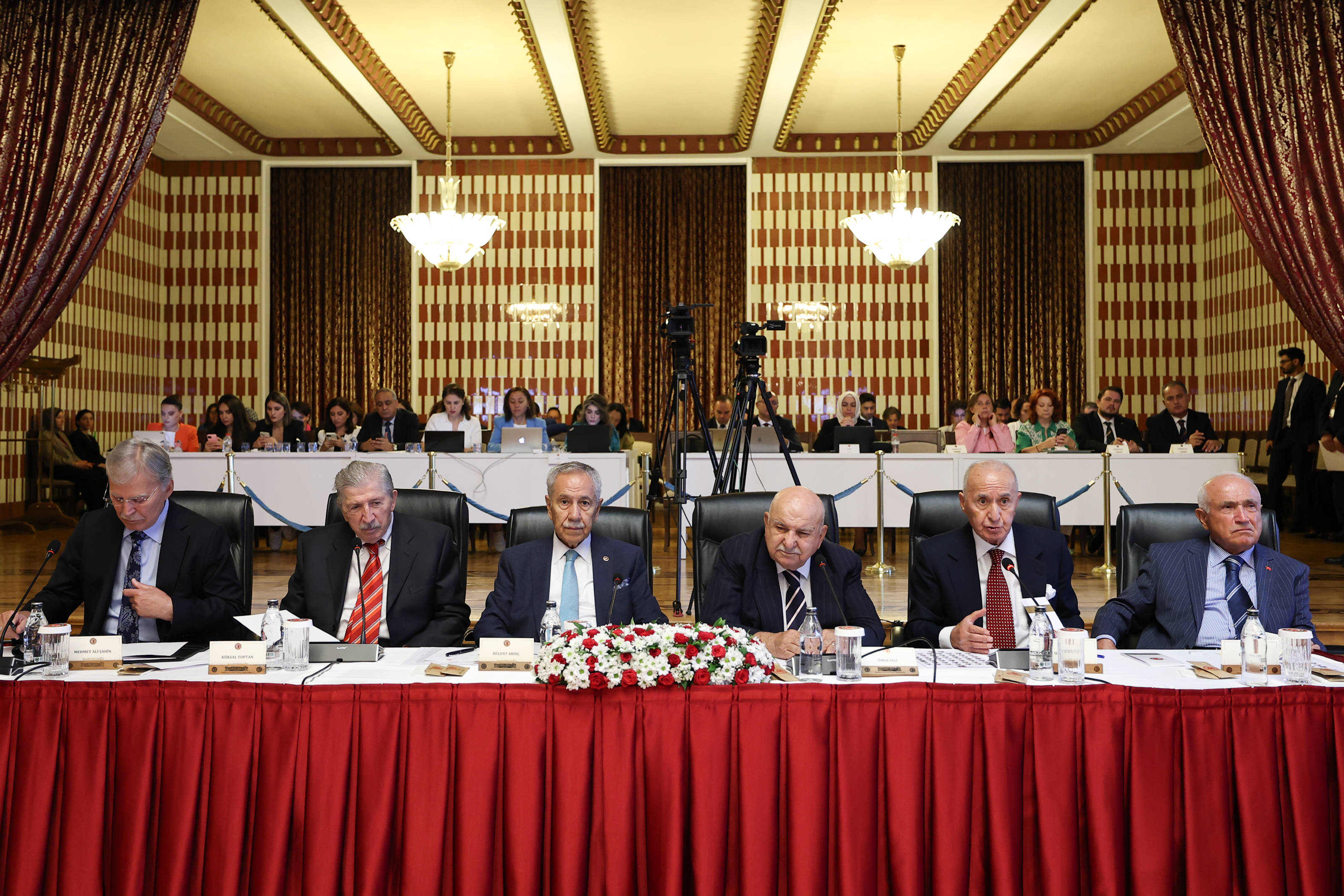
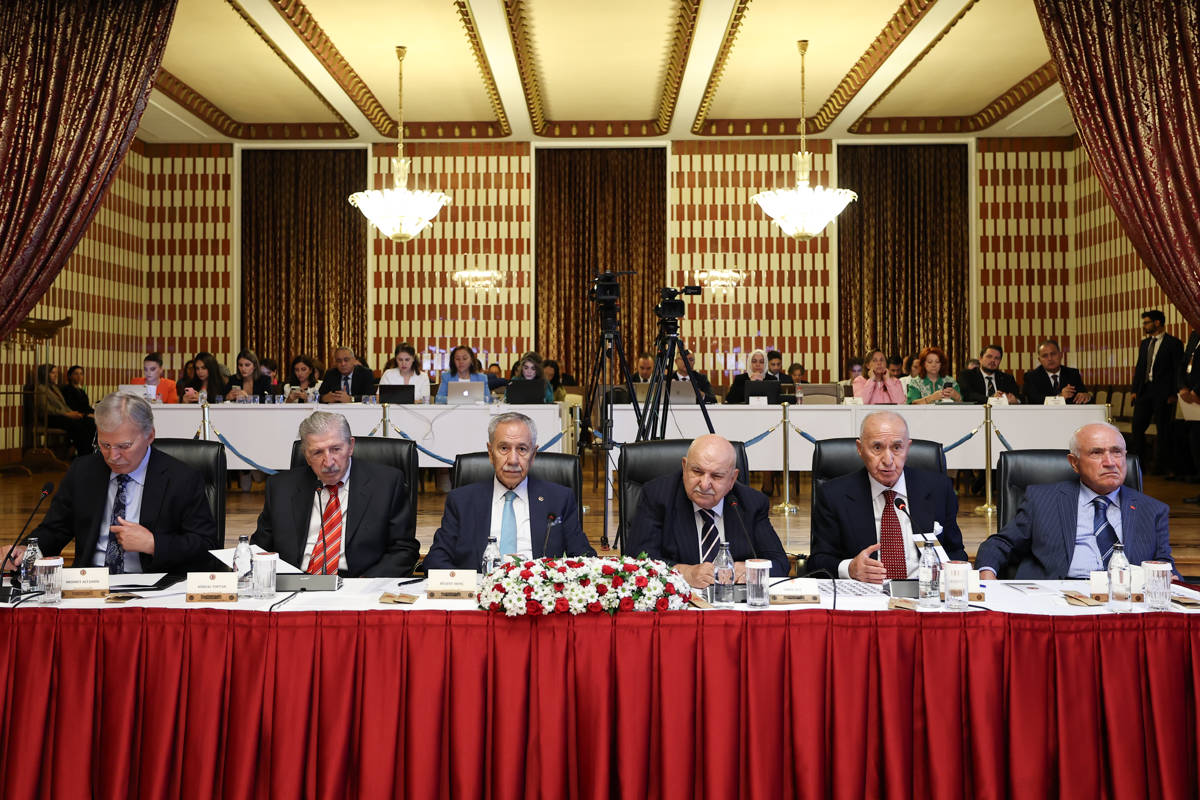
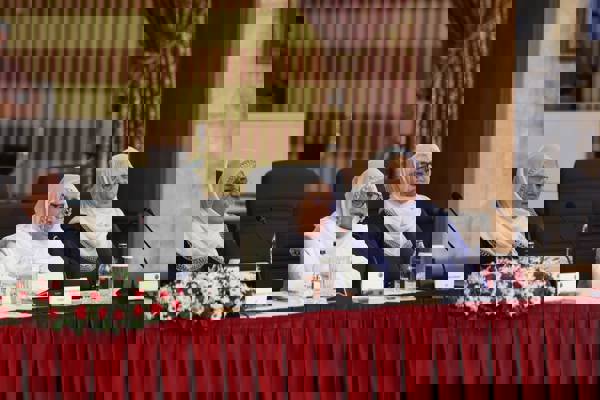
The Committee on National Solidarity, Fraternity and Democracy, formed earlier this month to oversee the process, held its seventh meeting with input from former speakers of parliament. Ten former speakers from various parties, who served over a span of three decades, spoke at the meeting, which lasted more than four hours.
Binali Yıldırım, a key figure in the ruling Justice and Development Party (AKP) and Turkey’s last prime minister before the 2018 switch to a presidential system, said redefining citizenship was essential for resolving the Kurdish issue.
“The definition of citizenship must be reviewed and updated in an inclusive way,” Yıldırım said. “It should be based on constitutional citizenship, not ethnic identity.”

Postmodern peace
He emphasized that such changes must not contradict the first four articles of the Constitution, which define the nature of the republic. “These articles are the product of Turkey’s 100-year experience. They are the legacy of Atatürk and his comrades. No one can alter them."
Yıldırım, an ethnic Kurd himself, pointed to the 1924 Constitution, the first after the foundation of the republic, for citizenship definition. In that constitution, citizenship is defined as: "In Turkey, regardless of religion or ethnicity, everyone is called 'Turk' in terms of citizenship."
The 1982 Constitution, which is currently in effect, uses slightly different wording to define citizenship in its article 66: “Everyone bound to the Turkish state through the bond of citizenship is a Turk.”
Yıldırım also highlighted several AKP-era initiatives aimed at expanding cultural rights, including the launch of TRT Kürdi TV channel, the establishment of Kurdish language departments at universities, and the introduction of Kurdish as an elective course in schools.
Former speaker Ömer İzgi from the Nationalist Movement Party (MHP) also supported amending article 66. “Like in the 1924 Constitution, it should state that everyone is a citizen, regardless of religion or race,” he said.
‘Peace Mothers’ barred from speaking Kurdish at parliament committee
Bülent Arınç, another prominent AKP figure, addressed the legal status of Öcalan. “The issue of the right to hope came up with Bahçeli’s remarks. It must be implemented,” he said. Arınç also emphasized the importance of complying with legal rulings. “Implementing the decisions of the European Court of Human Rights and the Constitutional Court is a necessity for us,” he said, calling for a fair and humane execution of sentences.
MHP leader Devlet Bahçeli had proposed in Oct 2024 that Öcalan could benefit from the right to hope, potentially allowing for conditional release, if he called for the PKK’s disbandment. Öcalan issued such a call on Feb 27, and the PKK later held a congress from May 5 to 7, followed by a symbolic disarmament ceremony on Jul 11.
The committee will continue to hear from civil society organizations, legal experts, and rights groups as part of efforts to guide the peace process. (VK)