









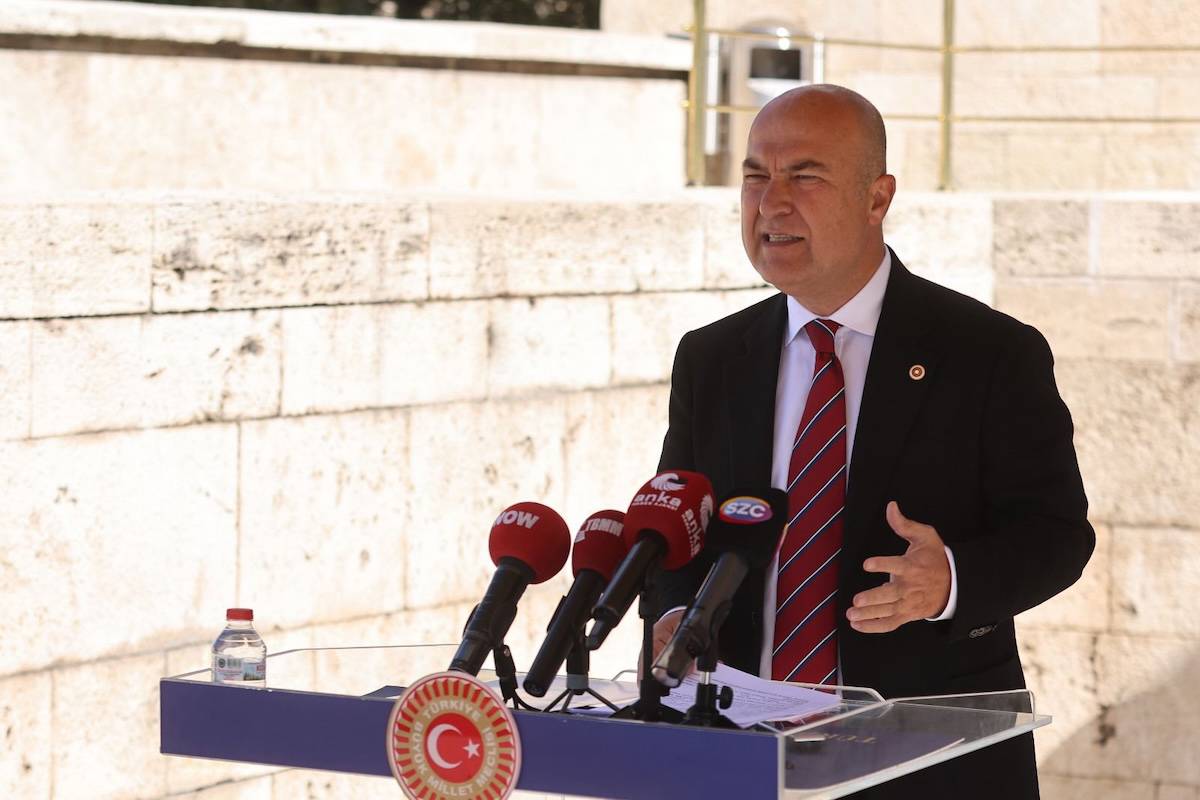



Murat Bakan, CHP Vice Chairman responsible for the Ministry of Interior and İzmir Deputy, made a statement regarding a 14-member ISIS-linked family who, after hijacking the vehicle of Binali Aslan, a shuttle driver in Ankara, killed him, buried him in a forested area in Mersin, and then fled to Syria.
CHP’s Murat Bakan made the following statement:
“Despite being Turkish citizens by birth, a 14-member ISIS-linked family lived for years in connection with the radical organization without coming onto the radar of any intelligence unit; the fact that they could kill a citizen, transport the body 480 kilometers, and flee to Syria is not a simple criminal case—it is a failure of the state’s institutional security system.”
“How many Turkish citizens affiliated with ISIS are there inside and outside Turkey?”
The CHP’s Bakan, who asked, “How many Turkish citizens have joined ISIS, sympathize with them, or are in contact with them?” continued:
“How many of these individuals are still in Turkey, how many are abroad, and how many have returned to our country from conflict zones? Is the state monitoring these individuals, and if so, how and with what system? Similarly, how many people among refugees have been identified with similar tendencies toward radicalization? No institution provides answers to these questions.
“For years, the issue of ‘foreign terrorist fighters’ has been addressed solely in terms of border crossings, yet the danger exists within the country. The murder of Binali Aslan shows that ISIS can quietly reorganize not only beyond the border but also inside the country. Therefore, it has now become imperative for Turkey to release a transparent risk map concerning potential ISIS sympathizers, both citizens and foreigners.”
“How was this family not detected for years?”
CHP’s Bakan stated that the Interior Ministry’s statements on the issue were “insufficient” and raised the following questions:
- How was this family not detected for years?
- Who was aware of their tendencies toward radicalization?
- Why did the police not implement the “searched vehicle” procedure after receiving a missing person report?
- How did the border crossing occur along the Hatay route, and who was on duty?
- Why was information not shared among MİT (National Intelligence Organization), the police, and the Gendarmerie?
- How many Turkish citizens affiliated with ISIS are there inside and outside Turkey, and how are these individuals monitored?
- What kind of oversight is conducted regarding refugee groups with similar radical tendencies?
Saying, “The murder of Binali Aslan is an alarm that the state’s security system has collapsed. Turkey now expects transparency, not propaganda; responsibility, not excuses,” the CHP minister demanded that all information and documents related to the incident be released to the public.
He also called for the establishment of an independent audit and investigation mechanism to examine vulnerabilities in border security protocols.
What happened?
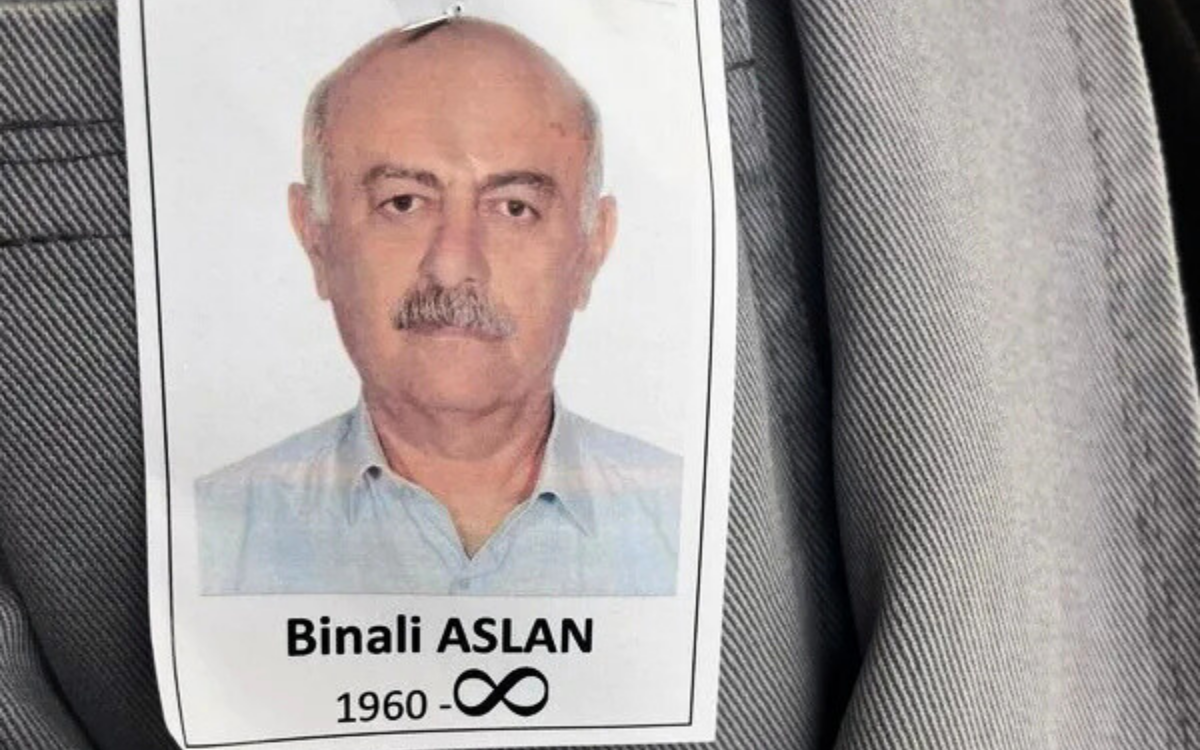
Binali Aslan, a shuttle driver at the Ankara Intercity Bus Terminal, was reported missing by his family on September 21. On September 26, Aslan’s lifeless body was found in a forested area in Mersin.
On September 28, the Interior Ministry announced that Aslan had been killed by ISIS members who had rented his vehicle. The Ministry stated that the 14-member family had fled to Syria, and in an operation conducted in coordination with the Syrian Internal Security Service, eight of the suspects were killed in a clash, two were injured, and four were captured alive.
The Interior Ministry also denied claims that the family had acquired citizenship later, stating on October 4: “All members of the family are Turkish citizens by birth.”
(VC/MH)

