


Republican People’s Party (CHP) deputy Ömer Fethi Gürer, a member of parliament's agriculture committee, has raised concerns over the sharp decline in insured farmers and agricultural workers in Turkey.
“The burden of premiums is heavy, there’s no support, and informal employment is widespread. Tens of thousands of agricultural laborers have been condemned to work without social protection,” Gürer said yesterday during a press conreference at parliament.
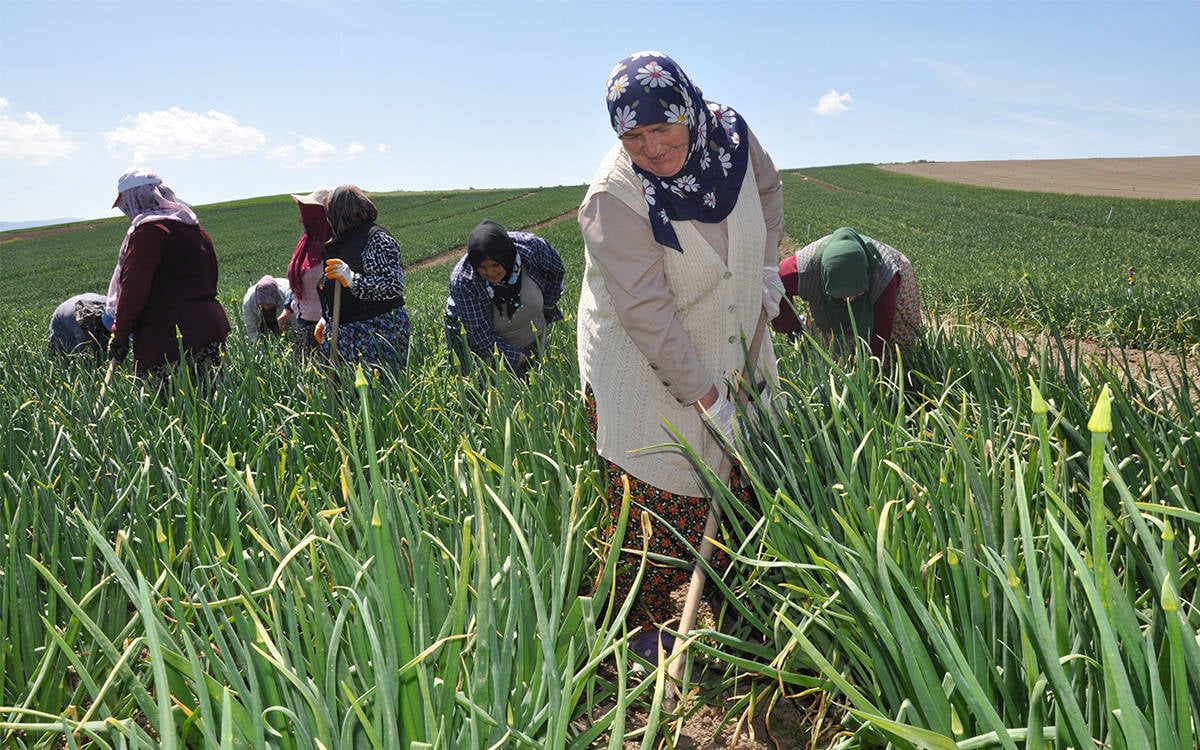
According to official figures, the number of insured agricultural workers fell from over 178,000 in 2009 to just 14,676 in 2024.
The problem is not limited to workers as farmers are also struggling to pay their own social security premiums, the MP noted. While 1.1 million people were contributing to the Bağ-Kur social security system in 2009, this number dropped to 427,298 by the end of 2024, less than a quarter of the 2.2 million farmers registered with the Agriculture and Forestry Ministry.
"This is not just an exit from social security, it’s also a sign of the worsening conditions faced by producers and farmers," said Gürer.
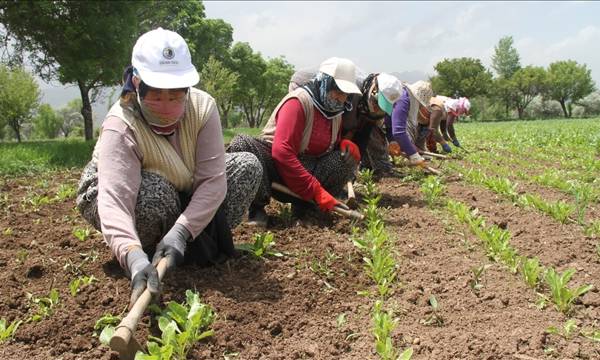
There were a total of 4.8 million people employed in agriculture as of 2024, according to Turkish Statistical Institute (TurkStat). The widespread use of daily wage labor in agriculture also contributes to the lack of social insurance coverage. The ministry estimates that about a million of them are seasonal workers, including migrants and children, workers.
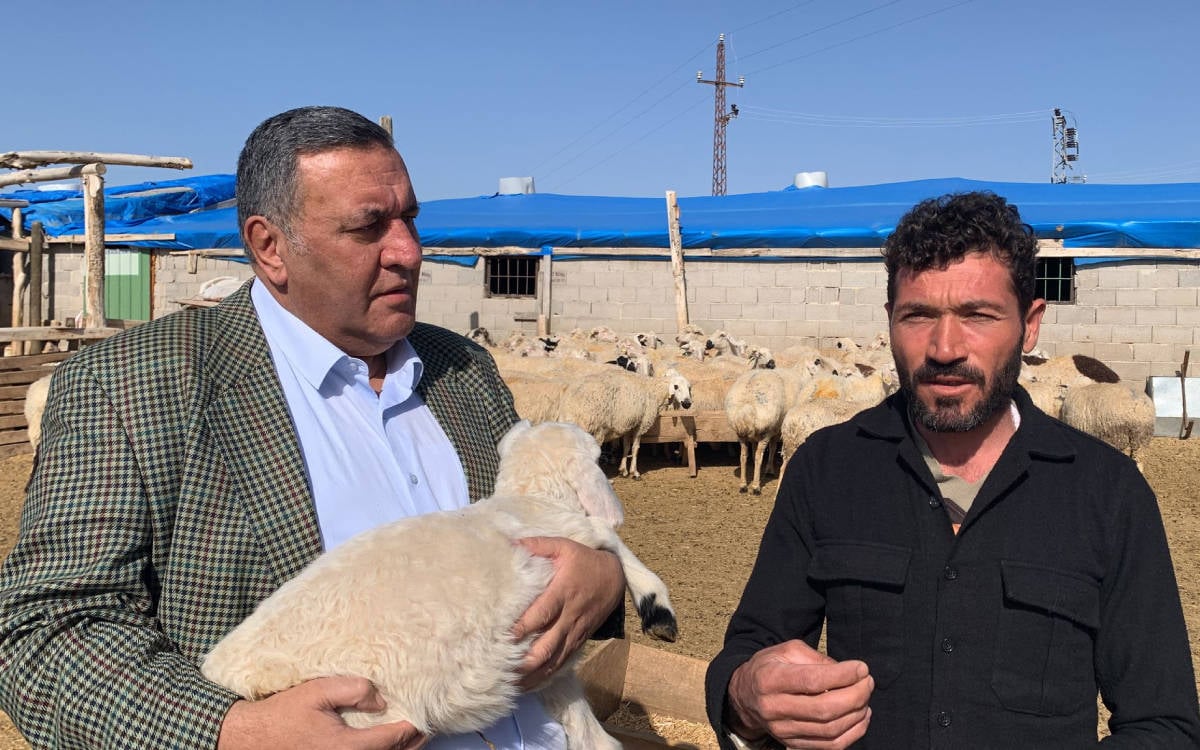
'Even goats are put on auction': Farmers face growing debt crisis, MP warns
'Struggling to make it through today'
“The AKP government has driven villagers away from agriculture and farmers away from their fields. Producers who used to plow their own land and tend to their animals can no longer afford to pay Bağ-Kur premiums,” Gürer said.
“This is not about securing the future, but about struggling to make it through today," added the MP. “Being insured in agriculture ensures the producer’s future. But farmers whose income has declined can no longer afford Bağ-Kur premiums.
"Young people don’t want to stay in villages because access to the social security system is limited. Over the years, the farming population has aged. For young people and women to stay or return to rural areas, the state should cover their social security premiums."
Over 1,800 agricultural workers killed on the job in a decade
President Recep Tayyip Erdoğan had promised ahead of the last elections to reduce the required number of Bağ-Kur premium days from 9,000 to 7,200 for tradespeople and farmers. But more than two years after the election, the pledge remains unfulfilled, the MP noted, urging reduction without further delay.
To improve social security coverage in agriculture, Gürer called for comprehensive social policy reforms. “Supporting agricultural workers through premium reductions and debt restructuring is essential to reintegrate them into the system. Targeted incentives are needed for women, youth, and seasonal workers in agriculture. Without such measures, rural problems will deepen, and unemployment in urban areas will rise.
“When producers leave the insurance system, it signals mounting problems in agricultural production. The number of insured individuals in agriculture is directly tied to farmer welfare. This welfare depends on manageable input and production costs and fair profit margins." (VK)