









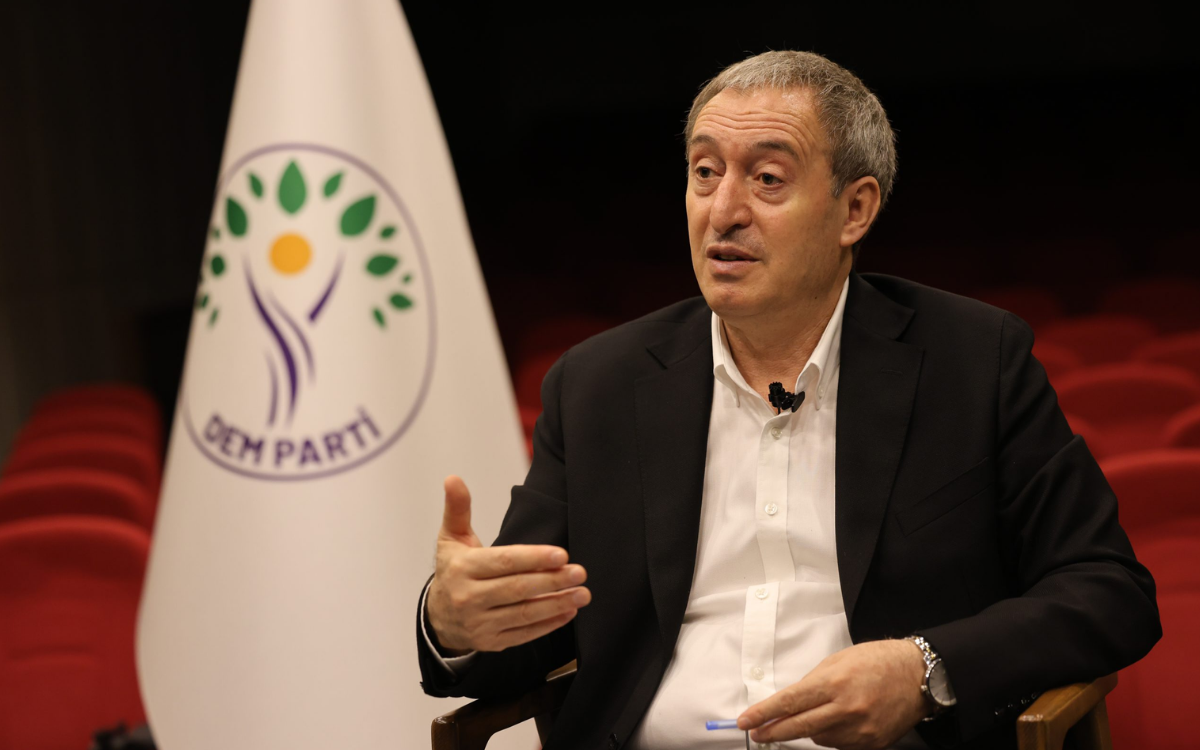



A law passed by parliament last week as part of the Kurdish peace process could lead to the release of more than 3,800 prisoners once it takes effect, according to Tuncer Bakırhan, co-leader of the pro-Kurdish Peoples’ Equality and Democracy (DEM) Party.
“We are talking about a law that will affect 125,000 cases in total,” Bakırhan said in an Aug 15 interview with T24 news site. “In the first stage, nearly 3,800 to 3,900 of our imprisoned friends will be released. There are also 75,000 ongoing investigations and prosecutions, as well as 50,000 investigations being conducted secretly.”
The legislation, which marks the first step in the peace initiative launched nearly two years ago, passed by a large majority in an Aug 10 vote. It covers ongoing and concluded criminal cases and investigations related to the Kurdistan Workers’ Party (PKK).
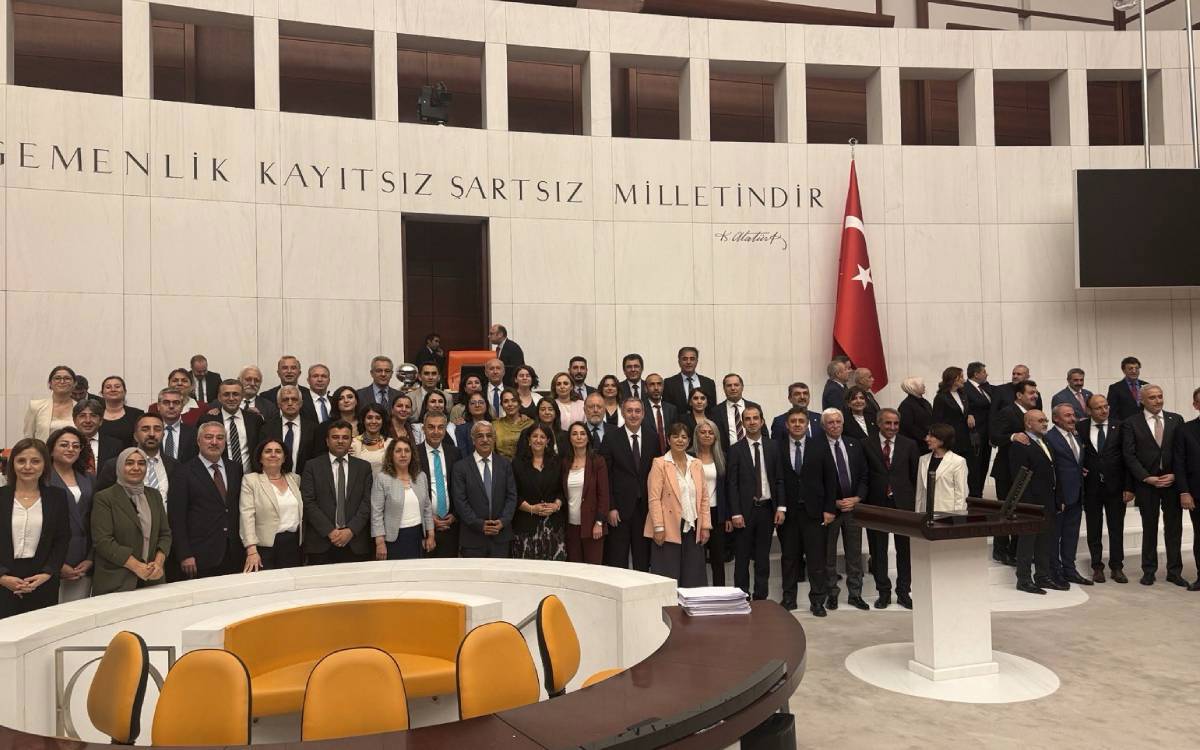
Parliament passes bill suspending sentences for PKK members
The law excludes intentional killings committed as part of PKK activities, as well as offenses carrying aggravated life sentences that were committed before Jun 1, 2005. As a result, PKK leader Abdullah Öcalan and many others do not fall within its scope.
Bakırhan said around 900 people were excluded in this first stage of the process due to these conditions but their inclusion would be considered in the next stage.
“It will be a law covering everyone, including those whose investigations or prosecutions are ongoing, those in exile, and those in prison,” he said.
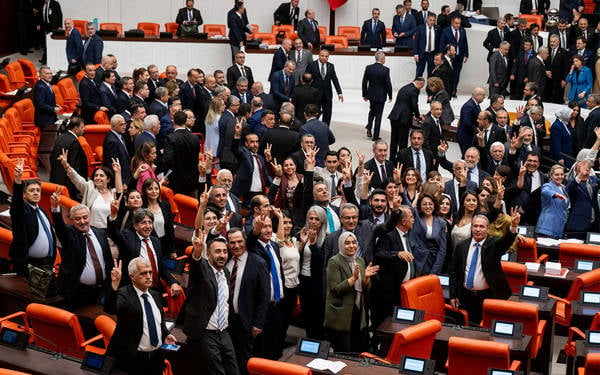
A stop on the road to peace: The Framework Law
State oversight
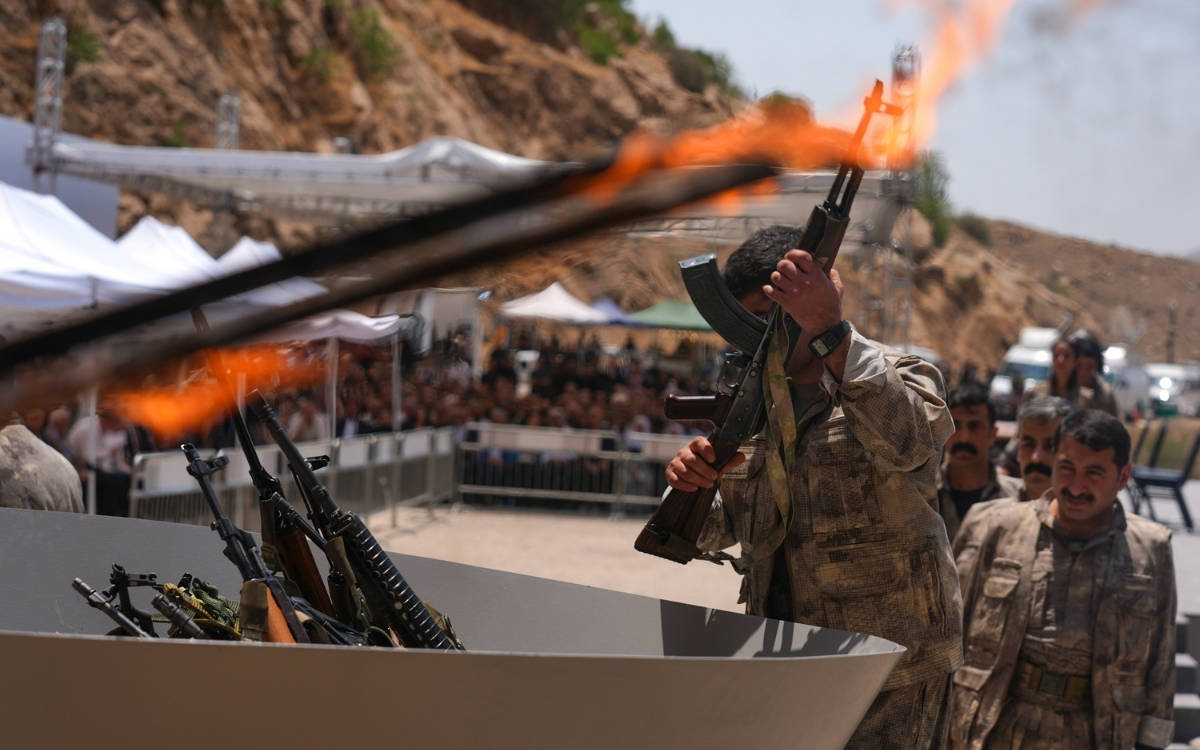
Implementation of the law will depend on the state confirming that the PKK has laid down its arms.
The confirmation process will have four stages, Interior Minister Mustafa Çiftçi told Hürriyet newspaper on Aug 14: The group would first surrender its weapons, after which security agencies would verify the disarmament on the ground. The findings would then be confirmed by a National Security Council (MGK) decision.
The decision would subsequently be published in the Official Gazette, allowing judicial authorities to take the steps outlined in the law. State oversight would continue during the normalization process.
The right not to be killed
Background
The initiative to end the 40-year armed conflict began in Oct 2024 after Nationalist Movement Party (MHP) leader Devlet Bahçeli, a key ally of President Recep Tayyip Erdoğan, suggested that Öcalan could benefit from the “right to hope” and be released in return for dissolving the PKK.
Öcalan, who has been imprisoned since 1999, responded by calling on the group to lay down its arms in Feb 2025. The PKK held a congress in May, where it announced its decision to dissolve itself.
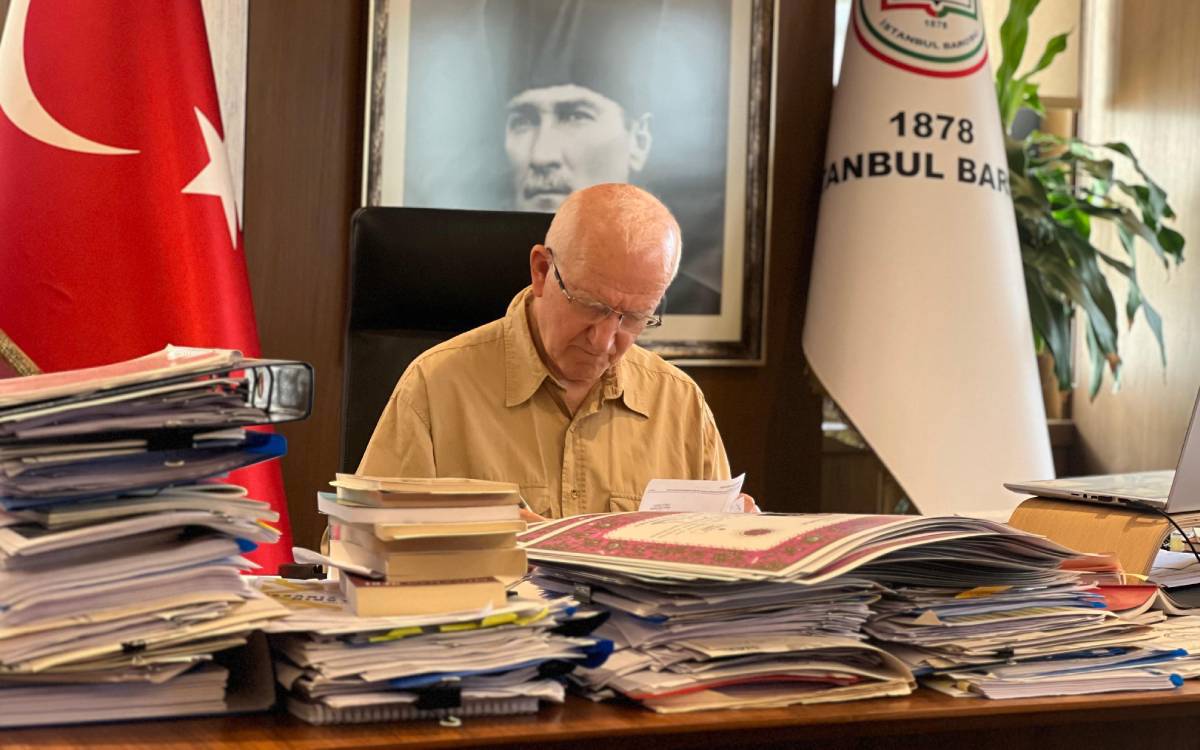
Prof. Kaboğlu: Peace process law is 'an undeclared amnesty'
A parliamentary committee was subsequently established to draw up the legal framework for the peace process. The committee worked throughout the second half of 2025 and heard from groups directly affected by the conflict such as the Saturday Mothers/People, along with rights advocates, journalists and intellectuals.
The first law resulting from that work was adopted on Aug 10. Rather than serving as comprehensive legislation for the entire process, it focuses on the conditions for the PKK’s disarmament and the suspension of proceedings involving PKK-related offenses.
The law does not include a provision concerning Öcalan’s “right to hope.” Further legislation is expected as the process continues.
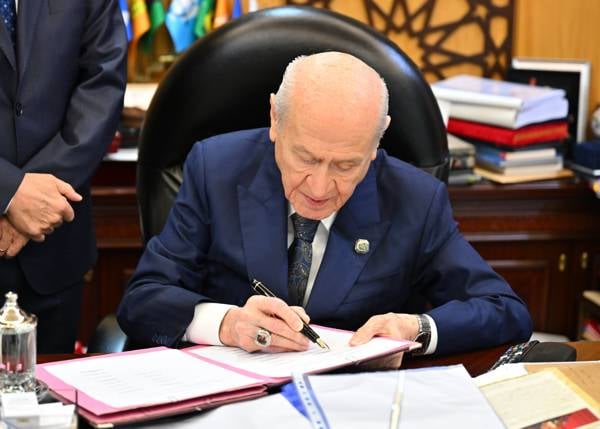
Bahçeli calls for release of Öcalan, Demirtaş as ‘Kurdish peace law’ heads to parliament
(VK)

