












bianet'in özel bildirimlerine izin vererek önemli gelişmelerden haberdar olabilirsiniz.
Mysterious 'foam' appears along Turkey's Mediterranean coastline
Authorities collected samples to analyze the substance seen in Hatay.

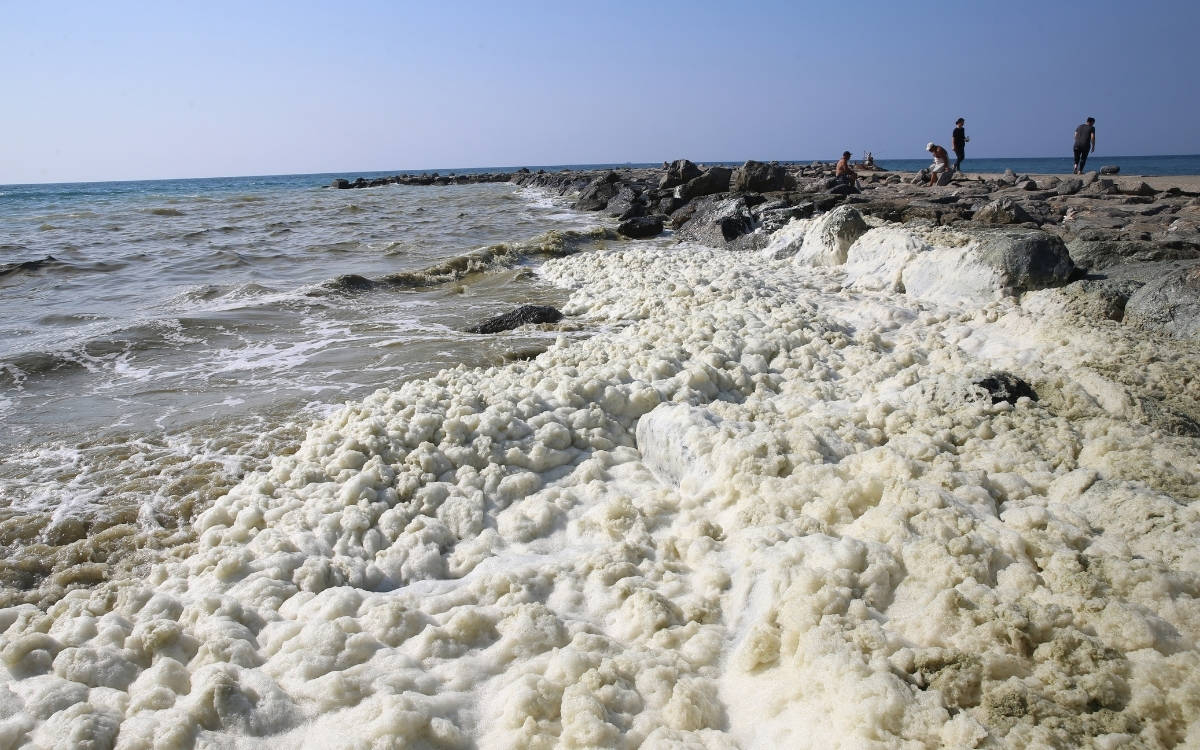


A foam-like layer resembling marine mucilage has been observed along parts of the shoreline in the Arsuz district of the southern Hatay province.
Following an order from the Hatay governor’s teams from the Environment Ministry and the Coast Guard conducted an on-site inspection, collecting samples for further analysis, Anadolu Agency (AA) reported. Faculty of Fisheries at Mersin University will examine the samples.
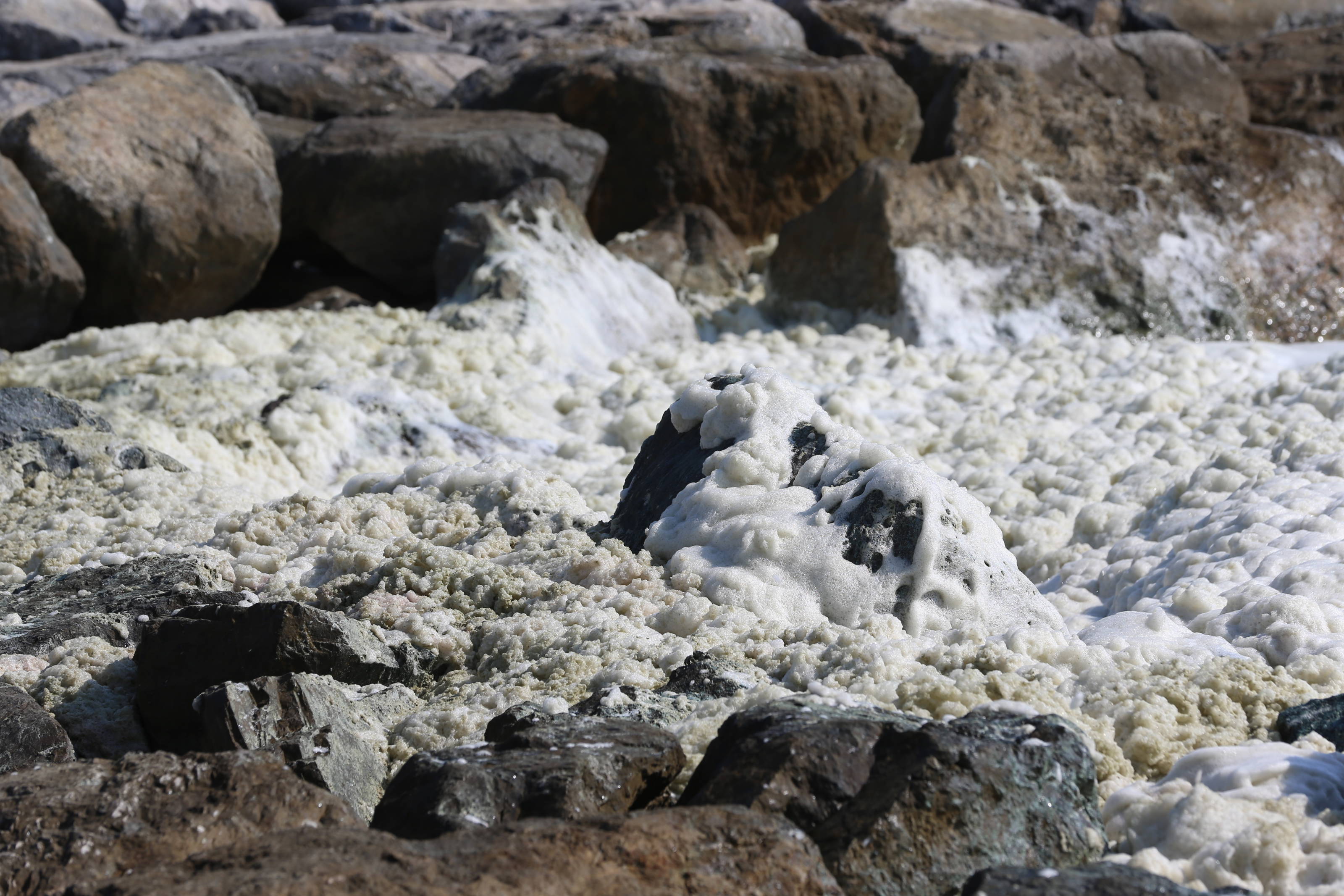
Foam in the sea is often a natural occurrence, typically resulting from wave action interacting with organic matter. However, the color, smell, and density of the foam can help determine whether it signals pollution.
Marine microorganisms, particularly phytoplankton and algae, can release organic compounds such as proteins, lipids, and polysaccharides when they die or break down. These substances can mix with wave energy to form surface foam. The phenomenon tends to increase in spring and summer as warmer sea temperatures promote the growth of such organisms.
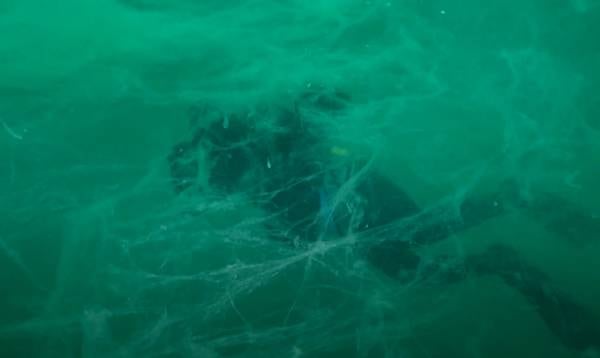
Underwater video reveals return of 'sea snot' in Marmara Sea
18 December 2024
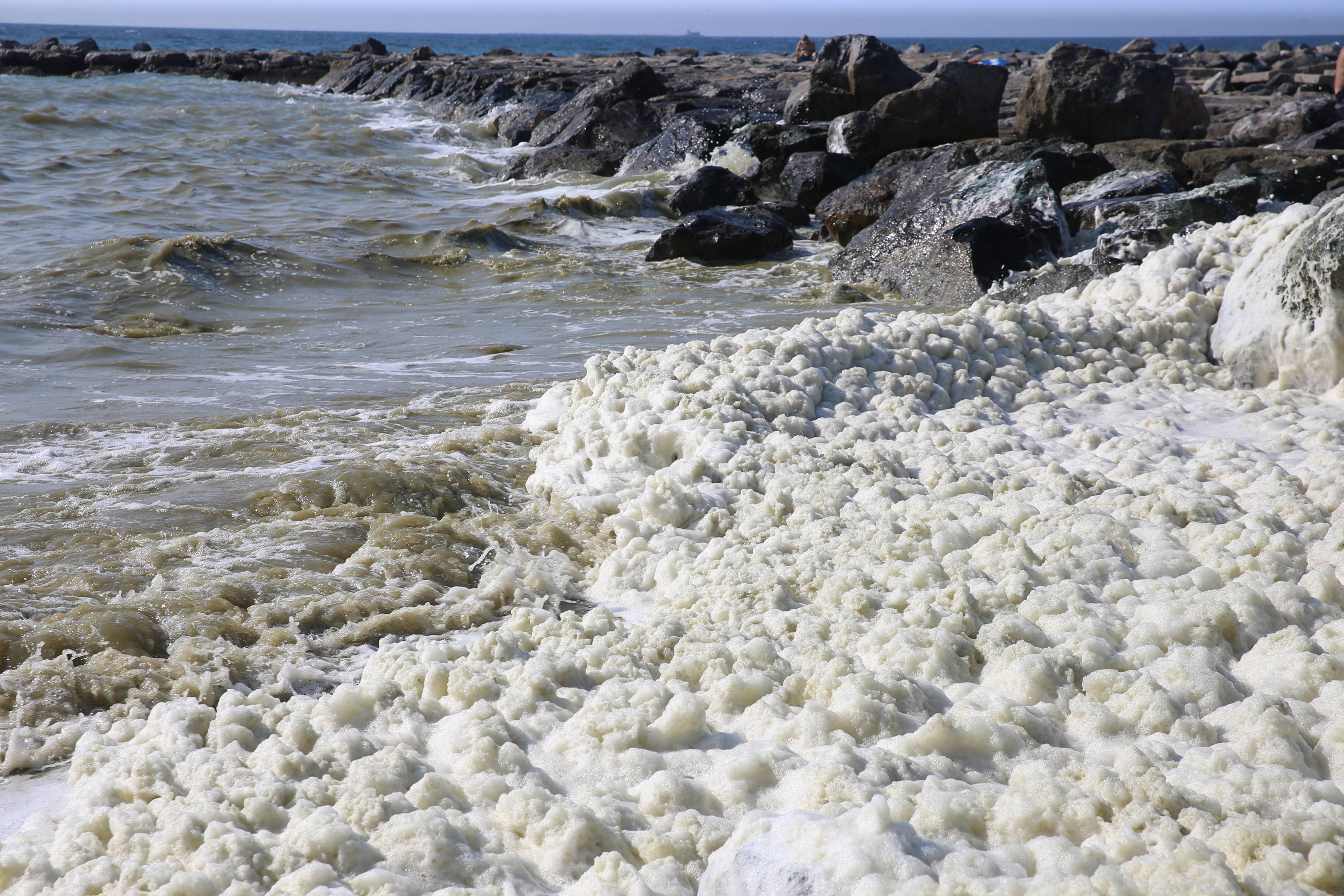
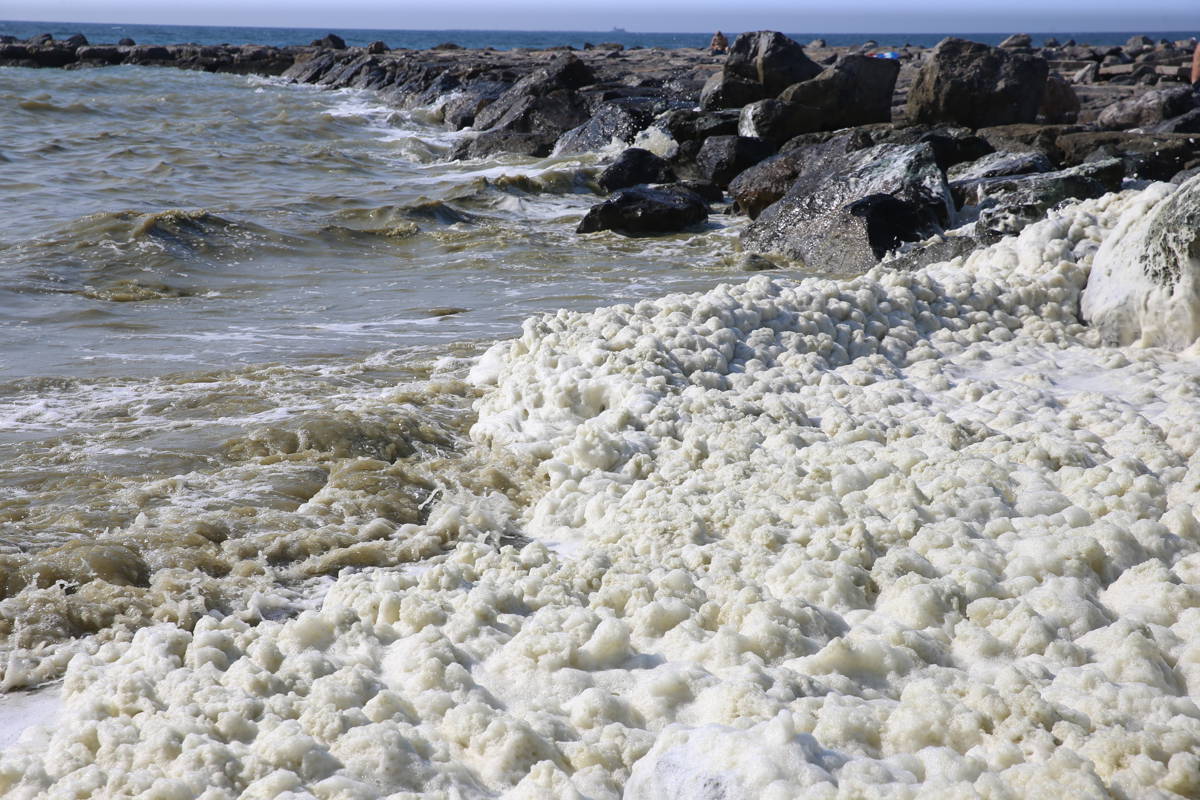
Wave breaking and turbulence can also introduce air into the water. When the water contains sufficient surface-active substances, such as organic matter, salts, or minerals, this can lead to the formation of foam.
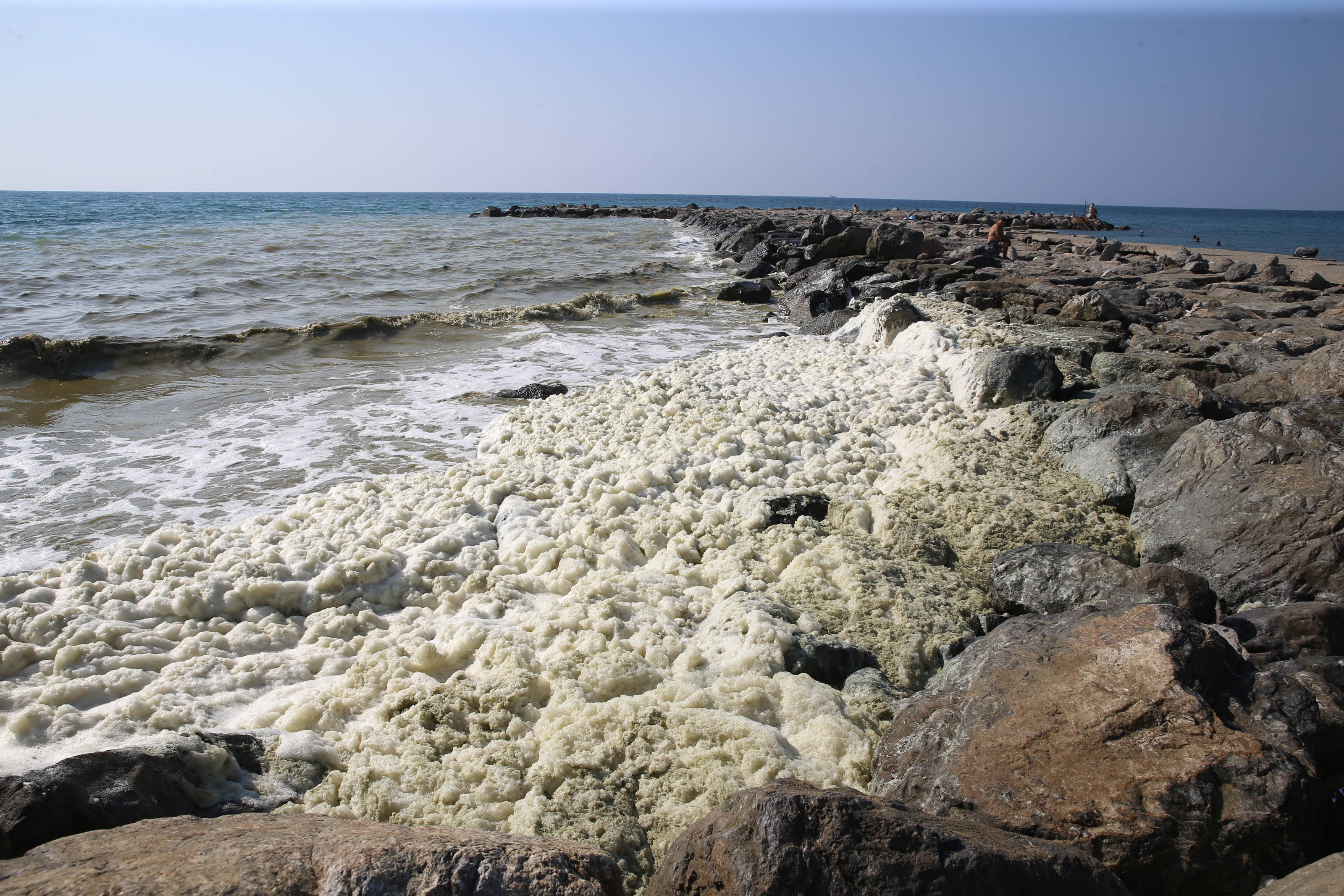
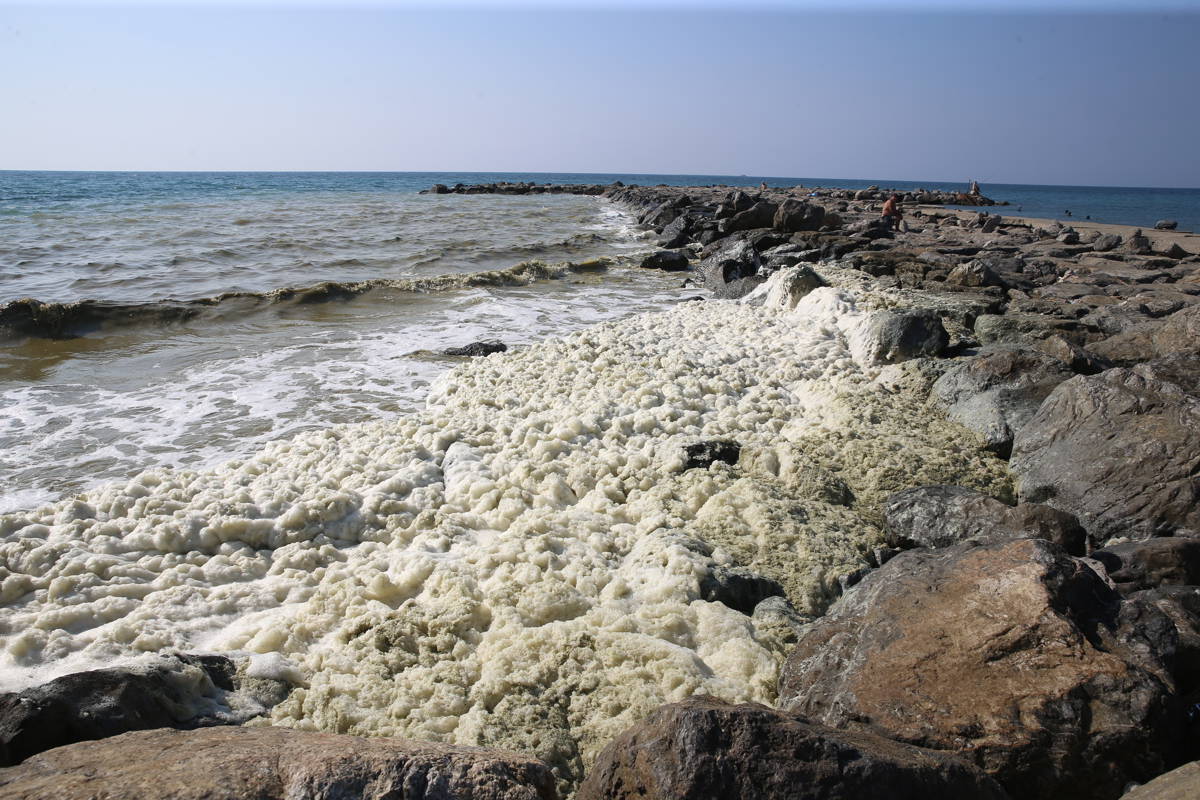
In coastal areas, pollutants like detergents, soaps, and industrial waste can also cause foaming. Such pollution-related foam typically appears gray or brown rather than white and may pose environmental risks.
Other contributing factors include the salinity and temperature of the seawater, both of which can affect foam formation. (TY/VK)
Hak odaklı, çok sesli, bağımsız gazeteciliği güçlendirmek için bianet desteğinizi bekliyor.