



Turkey has been a party to the European Convention on Human Rights (ECHR) for 71 years. According to Article 44 of the Convention, rulings by the European Court of Human Rights (ECtHR) Grand Chamber are final. Article 46 obligates member states to implement finalized judgments.
Following the ECtHR’s most recent ruling on Kurdish politician Selahattin Demirtaş, Turkey’s level of compliance with ECtHR decisions has come under renewed scrutiny.

Turkey may finally release Kurdish leader Demirtaş after nine years in prison
Justice Minister Yılmaz Tunç told reporters yesterday that “while the average compliance rate among Council of Europe member states is 79 percent, Turkey’s rate stands at 91 percent.”
However, an independent MP challenged the minister's statement, arguing that it did not take into account the implementation rate in leading cases. These decisions point to structural and systemic problems, not just individual rights violations, and require substantial legal or judicial reforms.
Turkey’s compliance rate with leading cases is just 68 percent, 13 points below the European average, placing it 39th among 47 member states, Yeneroğlu noted in a parliamentary question submitted to the minister.
Yeneroğlu further noted that Turkey’s overall compliance rate presents a distorted picture because of the high number of cases filed against the country. “While Turkey has failed to implement 448 judgments, Belgium—despite having a similar compliance rate—has only 25 pending cases, and North Macedonia just 36.”
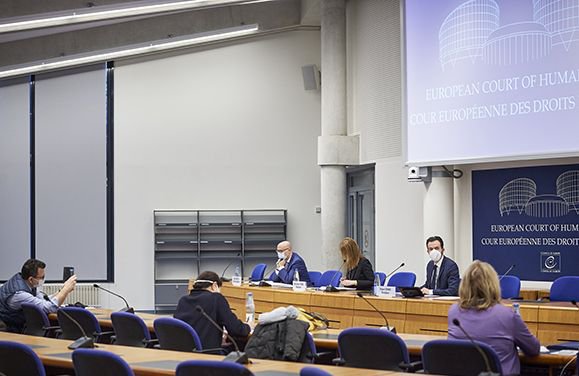
ECtHR applications from Turkey increased by 29 percent in a year
Key rulings remain unimplemented
Yeneroğlu asked whether the Justice Ministry considers the distinction between leading and other cases when calculating compliance. He also requested a specific timetable for the implementation of pending leading cases.
He inquired about the status of rulings in high-profile cases involving imprisoned philantropist Osman Kavala, Selahattin Demirtaş, Yalçınkaya, and Demirhan, cases the the European court has identified as involving systemic rights violations.
Demirtaş and Kavala, a philantropist accused of attempting to overthrow the government, have been in prison since 2016 and 2017 respectively and Turkey has refused to implement multiple ECtHR rulings for their release.
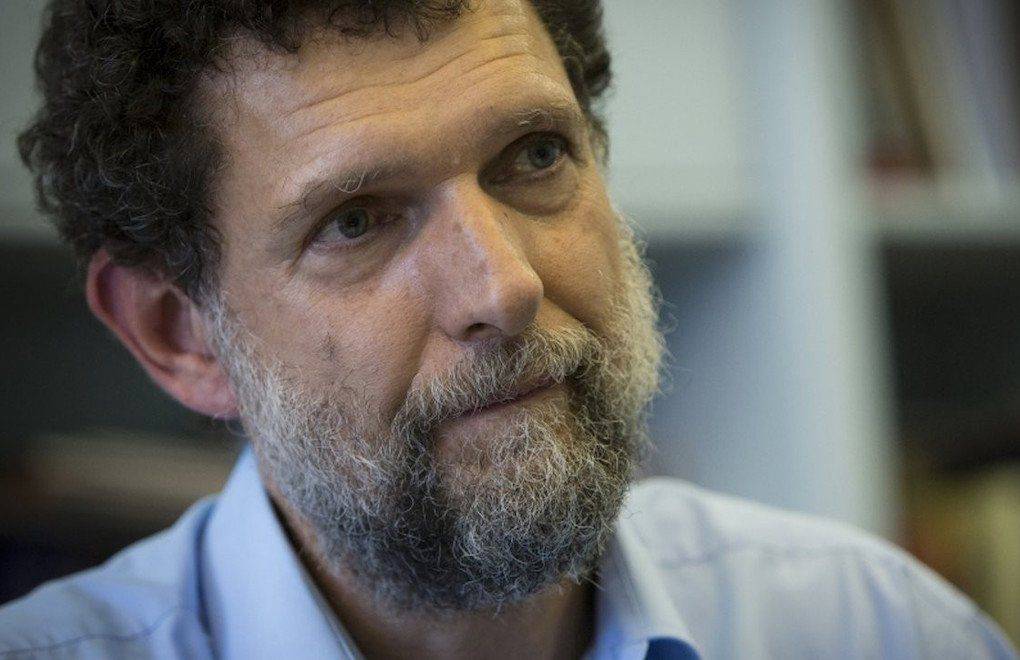
Osman Kavala marks seven years in prison
Yeneroğlu argued that leading ECtHR rulings are systematically ignored in Turkey, citing several examples. “True compliance means fully implementing the judgments in cases like Kavala, Demirtaş, Yalçınkaya, and Demirhan."
"Boasting about percentages while people are unjustly imprisoned only serves to cover up injustice with statistics," he added. (AB/VK)